World Heart Day: Diabetics are more vulnerable to cardiac problems, lifestyle change can help
Many of the cardiovascular problems start early in life in people with diabetes and can go undetected.
By ET CONTRIBUTORS |
Getty Images
By Dr Ameya Joshi
India is home to over 72 million people with diabetes mellitus, according to International Diabetes Federation. IDF Atlas 8th edition stated that over 123 million people will have diabetes by 2045.
People with diabetes are at increased risk of developing cardiovascular disease as high blood sugar causes damage inside blood vessel walls. Heart disease affects diabetics twice as often as people without diabetes.
Why people with diabetes mellitus are prone to heart diseases When a person has diabetes, his/her blood sugar levels are often much higher than it should be. Too much sugar in the blood can cause damage to many parts of the body, including blood vessels resulting in coronary artery disease. This damage makes it easier for fatty deposits to form in arteries and cause narrowing or blockages that can lead to heart attacks or strokes.
People with diabetes are also at risk for heart failure. Heart failure is a chronic condition in which the heart cannot pump blood properly. Unfortunately, many of the cardiovascular problems start early in life in people with diabetes and can go undetected.
ADVERTISEMENT
Those with diabetes sometimes suffer what is called "silent ischemia" or silent heart attack, which account for 25-30 percent of heart attacks. Silent, in this case, means the patient gets a heart attack without experiencing chest pain.
People with diabetes usually don't feel chest pain because of nerve damage caused by poorly-controlled diabetes. The symptoms that are felt may be ignored, or passed off as indigestion or stomach upset, vague dizziness or weakness.
Prevention of heart diseases in people with diabetes The best way for prevention of heart and blood vessel disease is to take good care of themselves and their diabetes. Control the ABCs of diabetes to reduce risk for heart disease and stroke.
Cut Down On Salt, Drink Fluids: Simple Diet Tips To Avoid Chronic Heart Failure
1/5
Cardiac or heart failure is a clinical condition in which the heart loses the ability to eject blood to meet the requirements of the tissues of the body. Irrespective of the cause, nutritional concerns need to be addressed in this condition in order to prevent morbidity and mortality. Patients with chronic heart failure are at constant risk of losing weight due to the medical condition and also low dietary intake which is due poor appetite, depression or loss of appetite due to consumption of drugs.
Dietary interventions to maintain and restore the nutritional balance are essential part of treatment therapy. These include a suitable change in calorie intake, reduction in sodium and fluid intake, maintenance of potassium and magnesium in the body, and appropriate supplementation with vitamins and minerals.
Here are some simple tips by Dr Ritika Samaddar, Chief Nutritionist at Max Hospital, Saket.
Cardiac or heart failure is a clinical condition in which the heart loses the ability to eject blood to meet the requirements of the tissues of the body. Irrespective of the cause, nutritional concer..
Read More
Obese patients are encouraged to lose weight to minimize cardiac workload. On the other hand, in the malnourished patients with chronic heart failure, the calorie intake has to be increased to match the requirement.
Obese patients are encouraged to lose weight to minimize cardiac workload. On the other hand, in the malnourished patients with chronic heart failure, the calorie intake has to be increased to match ..
Read More
In patients with heart failure, a reduction in salt intake brings about a significant improvement. Mostly, the limit is set at 2-3 gm of salt per day. This requires a control on the intake of sodium rich foods, and restricted use of table salt.
In patients with heart failure, a reduction in salt intake brings about a significant improvement. Mostly, the limit is set at 2-3 gm of salt per day. This requires a control on the intake of sodium ..
Read More
Most diuretics increase the excretion of potassium and magnesium leading to depletion of minerals in the body. A diet high in potassium and magnesium-rich foods like fresh fruits and vegetables is encouraged and also the use of supplements.
Most diuretics increase the excretion of potassium and magnesium leading to depletion of minerals in the body. A diet high in potassium and magnesium-rich foods like fresh fruits and vegetables is en..
Read More
In patients with a severe fluid overload, those requiring high doses of diuretic, or those taken to excessive fluid intake, the total daily water and fluid intake should be limited in the range of 500 to 2000 ml daily.
In patients with a severe fluid overload, those requiring high doses of diuretic, or those taken to excessive fluid intake, the total daily water and fluid intake should be limited in the range of 50..
A = A1C Also called as hemoglobin A1C test, it measures average blood glucose over the past 3 months. It should be less than 7%. Your doctor may prescribe insulin is your HbA1c is more than 9.5% at the time of diagnosis or more than 7.5% even after taking oral drugs. This test is recommended at least twice a year.
B= Blood Pressure Blood pressure must remain less than 130/80 mmHg. Checking blood pressure at every doctor's visit is essential. A person with diabetes will need medications if blood pressure is above this level.
ADVERTISEMENT
C=Cholesterol Cholesterol is an important factor that affects the heart. The cholesterol that needs to be checked is the HDL, LDL and the triglycerides. All of them should be within the specified limits. The optimal target is less than 100 milligrams per deciliter (mg/dL) for LDL cholesterol. For HDL cholesterol, the recommended level is more than 40 mg/dL. Every diabetic should get his lipid profile done every year.
If blood glucose, BP, and cholesterol levels aren't on target, then a person with diabetes needs to work on altering his lifestyle. Few changes in diet, activity, and medications can help him/her reach these goals. Here are some things you can do to lower your risk:
1. Keeping blood sugar level under control will lower risk of heart disease.
2. Diabetes, being overweight and heart diseases often hand-in-hand. Losing weight helps in lot of health problems.
3. It's best to keep cholesterol level in prescribed limits. Cut down on saturated fat (found in meats, poultry, butter, dairy products, palm oil, coconut oil). Limit intake of bakery products, samosa, kachoris, snacks like chips, namkeen mixtures, fried foods and items made with partially hydrogenated oil.
Want To Keep Diabetes Away? Eat Walnuts, Apples, Carrots
1/10
While being active, staying hydrated, and checking blood glucose levels can work wonders, it is important to stick to a dietary plan that will ward off diabetes in the long run.
A recent study showed that antioxidant-rich walnuts can nearly halve the risk of developing Type-2 diabetes.
For patients, the ideal diabetic diet plan would be to have 1200-1600 calories per day. It is recommended that diabetics should eat good carbs, fats, and healthy proteins, but in small portions.
Doctors and dieticians share ultimate list of foods you must consume to stay healthy.
While being active, staying hydrated, and checking blood glucose levels can work wonders, it is important to stick to a dietary plan that will ward off diabetes in the long run.A recent study showed ..
Read More
After news of walnuts as you new superfood to keep diabetes away, it's time to look at the other superhero nuts and seeds. They have protective effects for people with diabetes. Flaxseeds/linseeds, almonds, peanuts, pumpkin seeds, macadamia nuts, pistachios, cashew nuts, chia seeds, etc are the best nuts and seeds for diabetics as they reduce and regulate the insulin levels in the body.
After news of walnuts as you new superfood to keep diabetes away, it's time to look at the other superhero nuts and seeds. They have protective effects for people with diabetes. Flaxseeds/linseeds, ..
Read More
They are a good source of high biological value protein. Eggs have good cholesterol, also called as High Density Lipoprotein (HDL), which is good for heart health. Studies have shown that it improves insulin sensitivity. They give satiety and improve blood sugar levels.
They are a good source of high biological value protein. Eggs have good cholesterol, also called as High Density Lipoprotein (HDL), which is good for heart health. Studies have shown that it improve..
Read More
It has an active compound called curcumin which has shown to improve sugar, promote cardiovascular health, and protect against kidney diseases.
It has an active compound called curcumin which has shown to improve sugar, promote cardiovascular health, and protect against kidney diseases.
Salmon have excellent amount of Omega-3 fatty acids (DHA and EPA) which is good for diabetics. The patients need good fat in their diet, and fish reduce inflammation and coronary risks which are common in diabetes.
Salmon have excellent amount of Omega-3 fatty acids (DHA and EPA) which is good for diabetics. The patients need good fat in their diet, and fish reduce inflammation and coronary risks which are com..
Read More
It improves blood sugars and blood pressure in diabetics. It's a herb with many great health benefits.
It improves blood sugars and blood pressure in diabetics. It's a herb with many great health benefits.
It's a potent antioxidant, and works like a hypoglycaemic drug. One should restrict consumption of cassia cinnamon which is poor variety and has coumarin. It is available in most grocery stores in India. If this variant is consumed in excess, it can have side effects. One should go for the Ceylon variant with less coumarin.
It's a potent antioxidant, and works like a hypoglycaemic drug. One should restrict consumption of cassia cinnamon which is poor variety and has coumarin. It is available in most grocery stores in I..
Read More
An apple a day keeps the doctor away! Apart from being great for your overall health, the natural-sugar in the fruit has a relatively low impact on the insulin and blood sugar levels in the body.
An apple a day keeps the doctor away! Apart from being great for your overall health, the natural-sugar in the fruit has a relatively low impact on the insulin and blood sugar levels in the body.
Diabetics can opt for carrots in their daily diet despite its sweet flavour as it can help manage blood glucose levels. Carrot juice may still contain sugar and carbohydrates, it won't spike the blood sugar levels.
Diabetics can opt for carrots in their daily diet despite its sweet flavour as it can help manage blood glucose levels. Carrot juice may still contain sugar and carbohydrates, it won't spike the bloo..
Read More
Whole tomatoes are low in carbohydrates. This fruit has minimal impact on blood sugars and is safe to consume for diabetics. Make sure you consume the fruit, and not the juice.
(Inputs from Dr Tejal Lathia, Consultant Endocrinologist, Hiranandani Hospital, Vashi - A Fortis Network Hospital; Dr Rohan Sequeira, Cardiometabolic Physician at Jaslok Hospital and Research Centre; Dr Mihir Raut, Consultant Physician & Diabetologist, Nanavati Super Speciality Hospital; Dietician Jasleen Kaur; and nutritionust Avni Kaul)
Whole tomatoes are low in carbohydrates. This fruit has minimal impact on blood sugars and is safe to consume for diabetics. Make sure you consume the fruit, and not the juice.
(Inputs from Dr Teja..
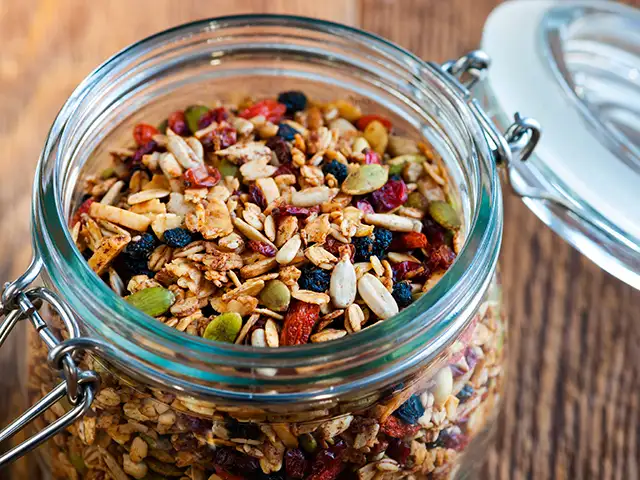
4. Have a diet which is high in fibre as it helps in lowering blood cholesterol. Replace refined flour with whole wheat, white rice with brown rice. Consume oatmeal, nuts, dried beans and peas, fruits, and vegetables.
5. Be physically active. Aim for at least 30 minutes of exercise daily, and take up an active lifestyle like climbing stairs, and walking to the nearby grocery shop.
6.Smoking worsens risk of heart disease. If a person is diabetic and a smoker, the risk of getting cardiac problems is multiplied.
A person with diabetes is at a much greater risk for heart attacks, strokes, and high blood pressure. A healthy diet, regular physical activity, weight loss, smoking cessation, limited alcohol consumption and proper medication all are beneficial. By taking these few steps, every person including people with diabetes can enjoy a healthy and long life.
(The author is a Consultant Endocrinologist - Adult and Paediatric - and Diabetologist, associated with several hospitals in North Mumbai and Thane. He runs a superspeciality Endocrine clinic at Bhaktivedanta hospital and Research Institute in Mira Road. He is also practising at Mandapeshwar Hospital in Borivali and Lifewave Hospital in Malad, and has affiliations with Cloud Nine Hospital in Malad, IASIS Hospital and Cardinal Gracias Hospital in Vasai)
World Heart Day: Exercise, Eat Almonds, & Reduce Stress To Keep Cardiac Problems Away
1/6
Cardiovascular heart diseases cause over a quarter of the total deaths in the country, and affect rural populations and young adults the most, according to a study published by The Lancet Global Health. The study also shows that younger adults, especially those born after 1970, have the highest death rate due to the narrowing of the heart’s arteries.
Nutritionists point out that the risk of cardiovascular diseases can be reduced through lifestyle changes. Some of them are as follows:
(Text: Divya Shekhar)
Cardiovascular heart diseases cause over a quarter of the total deaths in the country, and affect rural populations and young adults the most, according to a study published by The Lancet Global Heal..
Read More
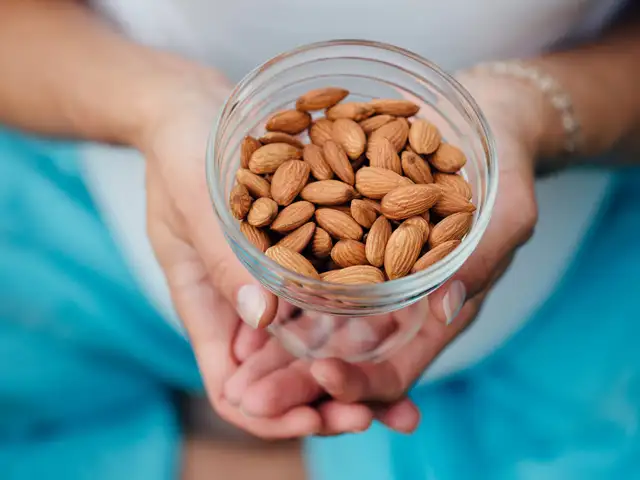
Research indicates that almonds, a source of protein and high in dietary fibre, helps in maintaining healthy blood sugar levels and lower blodd sugar impact of carbohydrate foods.
Nagpur-based nutritionist Meghana Kumare said, “Consuming 43 grams of dry-roasted, lightly salted almonds reduces hunger and improves dietary vitamin E and monounsaturated (good) fat intake without increasing body weight.”
Research indicates that almonds, a source of protein and high in dietary fibre, helps in maintaining healthy blood sugar levels and lower blodd sugar impact of carbohydrate foods.
Nagpur-based nutr..
Read More
Include exercise as part of your daily routine and keep an active lifestyle. According to nutritionist Madhuri Ruia, “moderate exercise of 30 minutes a day for five days a week is recommended for a healthy heart.”
Include exercise as part of your daily routine and keep an active lifestyle. According to nutritionist Madhuri Ruia, “moderate exercise of 30 minutes a day for five days a week is recommended for a ..
Read More
Experts said that one must consume good fats in proportion and avoid saturated and trans-fat from the diet.
FSSAI’s Eat Right Movement recommends reduction in sugar, salt and oil in the daily diet.
“Reduce your intake of sugar, salt and oil by half to reduce your incidence to heart disease by half,” said Delhi-based nutritionist Ritika Samaddar.
Experts said that one must consume good fats in proportion and avoid saturated and trans-fat from the diet.
FSSAI’s Eat Right Movement recommends reduction in sugar, salt and oil in the daily diet.
..
Read More
Bengaluru-based nutritionist Sheela Krishnaswamy said, “Smoking can damage the structure and function of the arteries, increasing the risk of atherosclerosis. Carbon monoxide inhaled from cigarette smoke contributes to reduced oxygen levels in the blood. Second-hand tobacco smoke also causes heart disease in non-smokers, which means you could be harming the health of your near ones too.”
Bengaluru-based nutritionist Sheela Krishnaswamy said, “Smoking can damage the structure and function of the arteries, increasing the risk of atherosclerosis. Carbon monoxide inhaled from cigarette..
Read More
Spending time with family, meditating, reducing stress levels and exercising regularly leads to reduction in stress levels.
Spending time with family, meditating, reducing stress levels and exercising regularly leads to reduction in stress levels.
(Disclaimer: The opinions expressed in this column are that of the writer. The facts and opinions expressed here do not reflect the views of www.economictimes.com.)