While it’s known that high fats and cholesterol damage heart health, wrong carbohydrate choices too can have the same impact. So, if you love your heart, aim for a balanced diet consistently.
Your heart doesn’t like saturated fat and cholesterol-rich foods, you know. Also know that neither does it like refined carbohydrates and sugar bowls. In fact, the latter two have emerged as major culprits in damaging heart health.
Carbohydrates, especially high sugar and refined carbs, produce small dense particles of cholesterol which increase the risk of coronary heart disease threefold.
Dr Ripen Gupta, director of cardiology at Max Smart Super Speciality Hospital, New Delhi, said: “The major component of cholesterol in blood comes from our liver and a small component from diet. So, cholesterol-rich food taken in moderation has very little impact on cardiac health. In fact, a heart patient can take one whole egg every day. On the other hand, refined sugars get converted into harmful fats in our body, which in turn can lead to increased risk of developing diabetes and heart disease.”
World Heart Day: Exercise, Eat Almonds, & Reduce Stress To Keep Cardiac Problems Away
1/6
Cardiovascular heart diseases cause over a quarter of the total deaths in the country, and affect rural populations and young adults the most, according to a study published by The Lancet Global Health. The study also shows that younger adults, especially those born after 1970, have the highest death rate due to the narrowing of the heart’s arteries.
Nutritionists point out that the risk of cardiovascular diseases can be reduced through lifestyle changes. Some of them are as follows:
(Text: Divya Shekhar)
Cardiovascular heart diseases cause over a quarter of the total deaths in the country, and affect rural populations and young adults the most, according to a study published by The Lancet Global Heal..
Read More
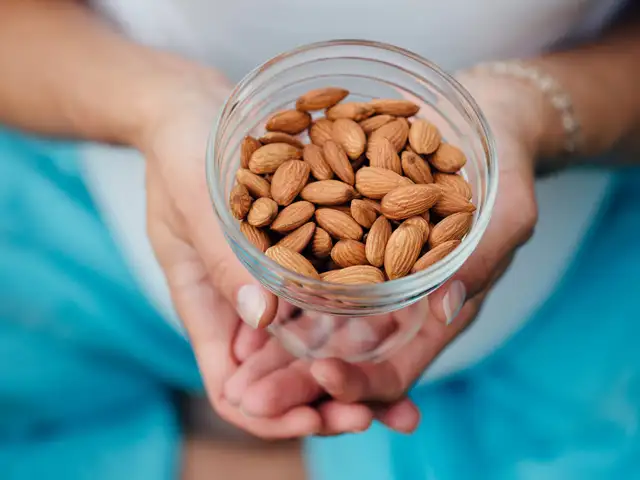
Research indicates that almonds, a source of protein and high in dietary fibre, helps in maintaining healthy blood sugar levels and lower blodd sugar impact of carbohydrate foods.
Nagpur-based nutritionist Meghana Kumare said, “Consuming 43 grams of dry-roasted, lightly salted almonds reduces hunger and improves dietary vitamin E and monounsaturated (good) fat intake without increasing body weight.”
Research indicates that almonds, a source of protein and high in dietary fibre, helps in maintaining healthy blood sugar levels and lower blodd sugar impact of carbohydrate foods.
Nagpur-based nutr..
Read More
Include exercise as part of your daily routine and keep an active lifestyle. According to nutritionist Madhuri Ruia, “moderate exercise of 30 minutes a day for five days a week is recommended for a healthy heart.”
Include exercise as part of your daily routine and keep an active lifestyle. According to nutritionist Madhuri Ruia, “moderate exercise of 30 minutes a day for five days a week is recommended for a ..
Read More
Experts said that one must consume good fats in proportion and avoid saturated and trans-fat from the diet.
FSSAI’s Eat Right Movement recommends reduction in sugar, salt and oil in the daily diet.
“Reduce your intake of sugar, salt and oil by half to reduce your incidence to heart disease by half,” said Delhi-based nutritionist Ritika Samaddar.
Experts said that one must consume good fats in proportion and avoid saturated and trans-fat from the diet.
FSSAI’s Eat Right Movement recommends reduction in sugar, salt and oil in the daily diet.
..
Read More
Bengaluru-based nutritionist Sheela Krishnaswamy said, “Smoking can damage the structure and function of the arteries, increasing the risk of atherosclerosis. Carbon monoxide inhaled from cigarette smoke contributes to reduced oxygen levels in the blood. Second-hand tobacco smoke also causes heart disease in non-smokers, which means you could be harming the health of your near ones too.”
Bengaluru-based nutritionist Sheela Krishnaswamy said, “Smoking can damage the structure and function of the arteries, increasing the risk of atherosclerosis. Carbon monoxide inhaled from cigarette..
Read More
Spending time with family, meditating, reducing stress levels and exercising regularly leads to reduction in stress levels.
Spending time with family, meditating, reducing stress levels and exercising regularly leads to reduction in stress levels.
Not all carbohydrates are the same, said Dr Ajit Desai, additional director-cardiology at Jaslok Hospital & Research Centre, Mumbai. “Refined or simple carbs have had most of the nutrients and fibre removed. Eating refined carbs is linked to drastically increased risk of many diseases, including obesity, heart disease and type 2 diabetes,” he explained.
ADVERTISEMENT
KNOW THE RIGHT CARBS There are ways to ensure that you include the right type of carbs in your diet and follow a heart-healthy eating routine. A moderate amount of carbohydrates is a good source of energy.
Dietary guidelines recommend that carbs provide 45-65% of your daily calorie intake, said Desai. Healthy carbohydrate-rich foods include whole grains, pulses, root vegetables, legumes, fruits, nuts, seeds and tubers which have a glycemic index (GI) of less than 56. “Sadly, sugars and refined grains form a very large part of the total carbohydrate intake in many countries, while they should comprise only less than 10% of the total energy intake. The main dietary sources of refined carbs are white flour, white bread, rice, pastries, sodas, snacks, pasta, sweets, breakfast cereals and added sugars which have a GI of more than 70. They are also added to all processed foods,” Desai added.
Dr Girish Navasundi, senior consultant, cardiologist, Apollo Hospitals Bengaluru, too said high-carbohydrate diets, common in Asian and less-economically advanced nations, tend to be high in refined carbohydrates such as white rice; these types of diets might reflect poor food quality and confer a chronically high glycaemic load that can lead to negative metabolic consequences and heart diseases.
ADVERTISEMENT
HAVE A HOLISTIC APPROACH It is not a carbs versus fat battle to maintain heart health. Overdoing either or underestimating the nutritional value of either can land you in trouble. It is moderation that matters.
Gupta said we should have a holistic approach towards our diet, focusing more on complex carbohydrates (like whole grains and millets), fruits and vegetables. “Carbohydrate intake in excess is bad, as the unutilised portion in the body gets converted into harmful fats which are bad for heart,” he added.
ADVERTISEMENT
According to Gupta, fats are an integral part of our diet and we should derive one-third of our daily calorie intake from fats.
It was not long ago that we came to know about the good (HDL) cholesterol and its role in maintaining heart health, said Dr Sanjay Mittal, consultant cardiologist, Columbia Asia Hospital, Ghaziabad. Too much cholesterol is indeed bad for your heart as it builds up in the walls of your arteries, causing atherosclerosis. This blockage, usually caused by LDL cholesterol, sometimes along with triglycerides, prevents the smooth flow of blood to your heart and brain, and may cause a heart attack or a stroke. Our body needs HDL to clean LDL and keep the flow of blood smooth and our efforts should be towards achieving better HDL.
“One of the biggest reasons for heart problems is oxidative stress and inflammation resulting from diets that are high in sugar, refined carbohydrates and easily oxidised omega-6-rich polyunsaturated oils — found, for example, in processed foods and seed oils,” said Mittal.
He added: “One should be mindful of his/her per day energy needs and plan the daily diet accordingly. Besides, increasing the amount of fibre and plantderived sterols can help lower LDL cholesterol.” People having very low daily carbohydrate intake (less than 30% of total energy consumed) were 37% more likely to suffer from heart disease than the group with moderate carbohydrate intake (40-60% of total energy consumed), said Navasundi. Individuals with the highest carbohydrate intake (more than 70% of total energy consumed) were 16% more likely to have heart diseases than the moderate consumers.
Increased fat intake in the form of eating more than two servings of dairy — like milk and yogurt (unsaturated fats) — per day was associated with a 22% lower risk of major cardiovascular disease (defined as death from cardiovascular causes, heart attacks, stroke or heart failure) compared with eating no dairy.
Hence, increased unsaturated fat diets which include milk and yogurt is associated with lesser heart diseases compared with high carbohydrate diets, explained Navasundi.
Long-term effects of a low-carbohydrate diet with typically low plant and increased animal protein and fat consumption have been hypothesised to stimulate inflammatory pathways, biological ageing, oxidative stress and thereby heart diseases, he added. THE HEALTHY HEART PACKAGE There are many ways to improve cardiac health, and watching what we eat is important.
Mittal said: “Avoid full-fat milk and other dairy products, processed food such as hot dogs, sausages, bacon, and fried or breaded meats, canned soups and prepared foods, such as frozen dinners, refined flour, white bread, and condiments such as ketchup, mayonnaise and soya sauce.”
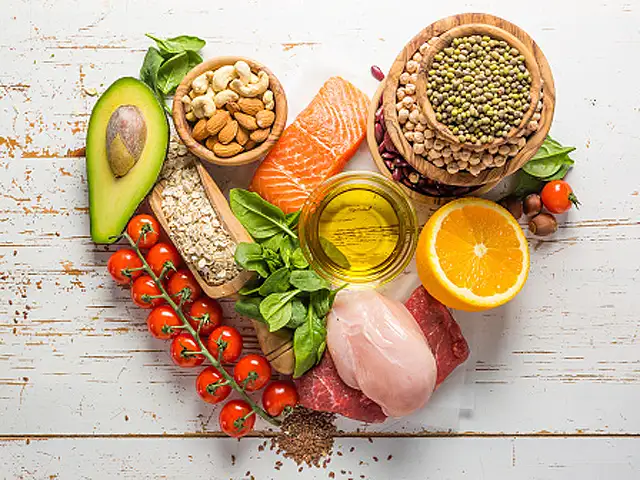
A diet for healthy heart should include more fruits and vegetables which are good sources of vitamins and minerals. Select whole grains such as quinoa or barley over rice and wheat. Restrict unhealthy fats and check the quantity of serving portions. Choose low-fat protein sources such as lean meat, poultry and fish, low-fat dairy products, and eggs, he added.
Opt for a moderate-intensity exercise, such as brisk walk or jogging, every day. For those who are keen, yoga can be a good option as well. In office, avoid sitting long hours at a stretch and take small walks whenever possible, Mittal said.
Desai said a diet rich in fruits (3-5 servings/day), vegetables and whole grains can help protect your heart. Aim to eat beans, low-fat or fat-free dairy products. Avoid too much salt and added sugars in your diet. Salt intake should not be more than 6-8 gm/day. Total dietary fibre intake should be 25-30 mg/day. Of the types of fat — saturated, polyunsaturated, monounsaturated and trans fat — try to limit or avoid saturated fat and trans fat. Aim to keep saturated fat to 5-6% of your daily calories. Healthy fats from plant-based sources — such as avocado, nuts, olives and olive oil — help your heart by lowering the bad cholesterol. Foods which have high mono- (MUFA) and poly-unsaturated (PUFA) fats should be consumed, he said. Foods rich in MUFA are olive, peanut/walnut, almond and avocado. Foods rich in PUFA include sunflower, soya, corn, safflower, sesame, soyabean, linseed and fish.
“Preventive lifestyle changes should be inculcated in the 20s and 30s age group itself. These include taking hearthealthy diet with check on calorie intake, regular physical activity, maintaining optimum weight, smoking and alcohol cessation, adequate sleep and managing stress.”
How the fat is cooked matters too. When we heat oil/fat, it gets converted into trans fats, which are responsible for most of the heart diseases, said Gupta. Trans fats are commonly found in all bakery products and in most sweets, namkeens and fast food.
“The diet for a healthy heart and a healthy body is the same,” he said. “It should be a balanced diet with more of complex carbohydrates like whole grains, green leafy vegetables and beans, berries and fruits, fish and a moderate amount of fats/oil with healthy fats found in nuts like walnuts.”
Calm Nerves, A Healthy Heart: Ladies, Here Is The Health Guide To Swear By
1/6
A selfless mother, an affectionate daughter, a dutiful wife or top boss; no matter what role a woman plays in everyday life, she does so with utmost passion. From managing the house to being running the show at work, and yet taking out time to spend quality moments with family and friends, women manage to do it all.
But in all the hustle, they often forget themselves. Making yourself a priority is not at the top of their list, and health gets taken for granted.
However, it is extremely important to care for the self as for others, and to start taking care of your health.
Dolly Kumar, Founder & Director at Gaia, shares 5 tips for women to stay healthy.
A selfless mother, an affectionate daughter, a dutiful wife or top boss; no matter what role a woman plays in everyday life, she does so with utmost passion. From managing the house to being running ..
Read More
Relaxing is the mantra to lead a more balanced life. With a plate always full, it is important to take out some time to relax your nerves. And what better than a warm cup of camomile tea?
Camomile infusions are made from the flowers and are naturally caffeine-free. With a sweet aroma and light and earthy flavour, this refreshing drink is perfect to calm the nerves.
Relaxing is the mantra to lead a more balanced life. With a plate always full, it is important to take out some time to relax your nerves. And what better than a warm cup of camomile tea?
Camomile i..
Read More
We know excess of anything is bad, and too much of sugar is never a good idea.
But we all need some sweetness in our lives, don’t we? So why not choose a healthy alternative instead, which is in fact 30 times sweeter than sugar?
Stevia is a 100per cent natural low-calorie sugar substitute. Also known as meethi tulsi, as it is obtained from natural herbs, it does not contain aspartame. It has absolutely no side effects and very little or no after-taste unlike other extracts.
Now add stevia to your daily cup of tea, coffee, lemonade, lassi and enjoy sweetness without guilt.
We know excess of anything is bad, and too much of sugar is never a good idea.
But we all need some sweetness in our lives, don’t we? So why not choose a healthy alternative instead, which is in fac..
Read More
Joint pain, even now and then, can inhibit your daily performance at work or at home.
While a visit to the doctor is a must, consuming a capsule of Glucosamine twice a day can help restore healthy joint performance.
Glucosamine, a natural compound and an essential component required for maintaining healthy joint performance, helps build new cartilage and protects the existing cartilage. It also helps the body to repair damaged and eroded cartilage while lubricating the joints and stimulating synovial fluid production. It aids in getting relief from joint pain and immobility, providing analgesic & anti-inflammatory effect.
Joint pain, even now and then, can inhibit your daily performance at work or at home.
While a visit to the doctor is a must, consuming a capsule of Glucosamine twice a day can help restore healthy j..
Read More
Maintaining your energy level helps to keep going throughout the day.
Granola bars are a great snacking option and also help keep you energised. A delicious mix of rolled oats, muesli, chocolate and honey; this wholesome bar can be enjoyed anytime, anywhere.
Packed with a variety of nutrients, these bars come in various flavours.
Maintaining your energy level helps to keep going throughout the day.
Granola bars are a great snacking option and also help keep you energised. A delicious mix of rolled oats, muesli, chocolate and..
Read More
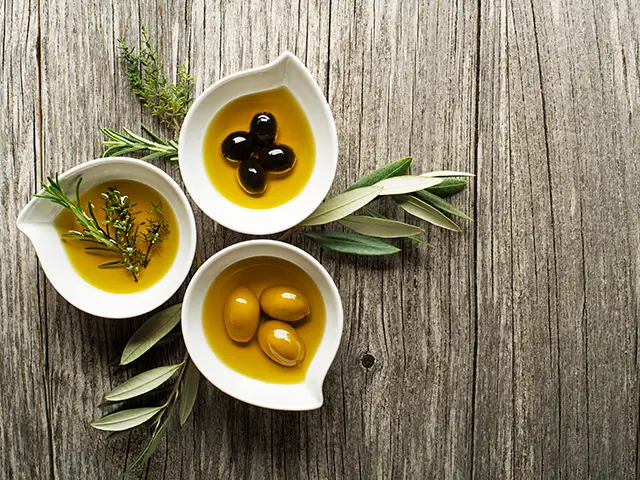
Increase in LDL cholesterol can increase the risk of heart disease. Studies have found that high monounsaturated diets lower LDL cholesterol and help raise HDL or cholesterol.
Lifestyle changes help lower the risk of any ailments, starting with a healthy diet. Hence, incorporating extra virgin olive oil, which has monounsaturated fats and powerful anti-oxidants, in your diet help reduce the risk of coronary heart disease.
Increase in LDL cholesterol can increase the risk of heart disease. Studies have found that high monounsaturated diets lower LDL cholesterol and help raise HDL or cholesterol.
Lifestyle changes help..