Eat 5 portions of fruits, exercise 30-45 mins daily, and other lifestyle changes for a happy heart
Lifestyle has a considerable influence on the occurrence of cardiovascular diseases.
By ET CONTRIBUTORS |
Getty Images
Dr Girish Godbole
Cardiovascular diseases (CVDs) are the leading cause of death and disability across the world. India is not spared of this burden.
In fact, the problem is more severe in our country; compared to our western counterparts, Indians are more prone to developing cardiovascular diseases, developing more severe disease, more extensive disease, and do so about a decade and a half earlier.
Fortunately, cardiovascular diseases are preventable to a considerable extent, provided the right things are done in the right way at the right time.
Lifestyle has a considerable influence on the occurrence of these diseases and, hence, improving one’s lifestyle has a significant impact both on prevention as well on the treatment of these problems.
World Heart Day: Exercise, Eat Almonds, & Reduce Stress To Keep Cardiac Problems Away
1/6
Cardiovascular heart diseases cause over a quarter of the total deaths in the country, and affect rural populations and young adults the most, according to a study published by The Lancet Global Health. The study also shows that younger adults, especially those born after 1970, have the highest death rate due to the narrowing of the heart’s arteries.
Nutritionists point out that the risk of cardiovascular diseases can be reduced through lifestyle changes. Some of them are as follows:
(Text: Divya Shekhar)
Cardiovascular heart diseases cause over a quarter of the total deaths in the country, and affect rural populations and young adults the most, according to a study published by The Lancet Global Heal..
Read More
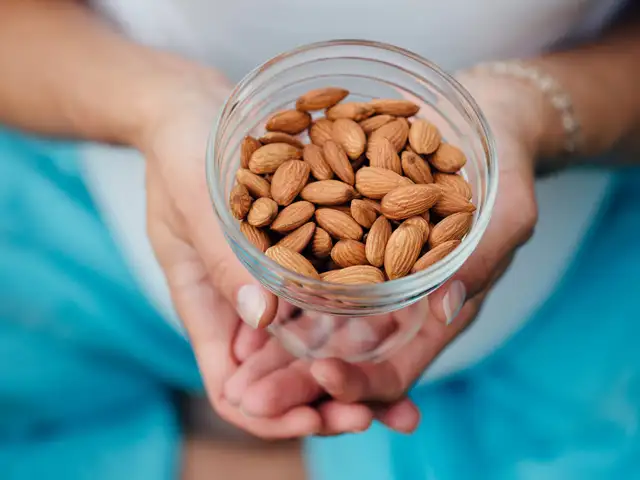
Research indicates that almonds, a source of protein and high in dietary fibre, helps in maintaining healthy blood sugar levels and lower blodd sugar impact of carbohydrate foods.
Nagpur-based nutritionist Meghana Kumare said, “Consuming 43 grams of dry-roasted, lightly salted almonds reduces hunger and improves dietary vitamin E and monounsaturated (good) fat intake without increasing body weight.”
Research indicates that almonds, a source of protein and high in dietary fibre, helps in maintaining healthy blood sugar levels and lower blodd sugar impact of carbohydrate foods.
Nagpur-based nutr..
Read More
Include exercise as part of your daily routine and keep an active lifestyle. According to nutritionist Madhuri Ruia, “moderate exercise of 30 minutes a day for five days a week is recommended for a healthy heart.”
Include exercise as part of your daily routine and keep an active lifestyle. According to nutritionist Madhuri Ruia, “moderate exercise of 30 minutes a day for five days a week is recommended for a ..
Read More
Experts said that one must consume good fats in proportion and avoid saturated and trans-fat from the diet.
FSSAI’s Eat Right Movement recommends reduction in sugar, salt and oil in the daily diet.
“Reduce your intake of sugar, salt and oil by half to reduce your incidence to heart disease by half,” said Delhi-based nutritionist Ritika Samaddar.
Experts said that one must consume good fats in proportion and avoid saturated and trans-fat from the diet.
FSSAI’s Eat Right Movement recommends reduction in sugar, salt and oil in the daily diet.
..
Read More
Bengaluru-based nutritionist Sheela Krishnaswamy said, “Smoking can damage the structure and function of the arteries, increasing the risk of atherosclerosis. Carbon monoxide inhaled from cigarette smoke contributes to reduced oxygen levels in the blood. Second-hand tobacco smoke also causes heart disease in non-smokers, which means you could be harming the health of your near ones too.”
Bengaluru-based nutritionist Sheela Krishnaswamy said, “Smoking can damage the structure and function of the arteries, increasing the risk of atherosclerosis. Carbon monoxide inhaled from cigarette..
Read More
Spending time with family, meditating, reducing stress levels and exercising regularly leads to reduction in stress levels.
Spending time with family, meditating, reducing stress levels and exercising regularly leads to reduction in stress levels.
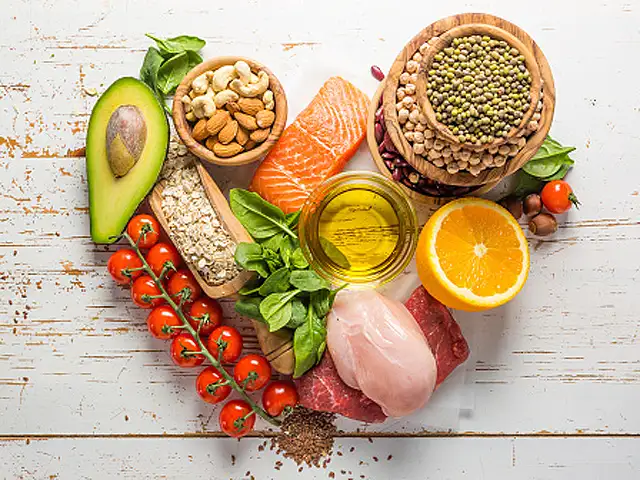
PROMISE TO EAT HEALTHIER Our diet patterns are influenced by several factors. In general, however, the quality and quantity of the food and drink we consume are largely determined by the taste and not nutritional value.
A poor diet is one of the strongest determinants of disease and, therefore, the benefits to be gained by an improvement in one’s diet are substantial. Here are a few simple things you can do to improve your heart health.
• Cut down on sugary beverages and fruit juices, choose water or unsweetened juices instead. • Swap sweet, sugary treats for fresh fruit. • Try to eat five portions (about a handful each) of fruit and vegetables a day. • Keep the amount of alcohol you drink to a minimum, and certainly within recommended guidelines.
ADVERTISEMENT
• Avoid entirely or try to limit processed and prepackaged foods — these are often high in salt, sugar and fat. • Make your own healthy school or work lunches at home. PROMISE TO EXERCISE AT LEAST 150 MINUTES A WEEK Lack of physical activity is a major risk factor for the development of many diseases. This fact has been known for thousands of years.
ADVERTISEMENT
Modern science has proved that lack of regular physical activity is as bad as having diabetes, and worse than being overweight or obese, or having high cholesterol.
Unfortunately, most of us do not undertake any leisure-time physical activity and are losing the numerous health benefits that regular exercise has to offer.
Aerobic exercise exerts a strong positive influence on mortality, cardiovascular disease, hypertension, diabetes, overweight and obesity, high cholesterol, dementia, musculoskeletal strength, and several forms of cancer.
A moderately intense aerobic exercise of between 150 and 300 minutes per week, that is, 30-45 minutes a day, is recommended for all ages. One could do 75-150 minutes of vigorous physical activity a week instead. In addition, carry out strengthening of major muscle groups twice a week. Even during the course of your regular day, you can adopt simple measures to be more active.
• Reduce your sitting time at work and at home. • Use every opportunity available to be more active – use the stairs instead of the escalator or the lift, walk or cycle to work instead of driving. • Exercise with friends and family; you can motivate one another and it will be more fun. • You can use an exercise app to help you along, if you wish.
PROMISE TO KICK THE BUTT Tobacco consumption is second only to hypertension among the world’s biggest killers. Whatever the dose, whatever the form, tobacco kills. Tobacco smoking not only affects the smoker but also puts others who inhale the secondary smoke at grave risk.
• Kick the butt. It’s the single best thing you do to improve your heart health. • Within two years of quitting, the risk of CVD is substantially reduced. • Within 15 years, the risk of CVD returns to that of a nonsmoker. • So, by quitting (or not starting in the first place), you’ll not only improve your health but that of those around you. • If you’re having trouble stopping, seek professional advice.
PROMISE TO SPREAD THE WORD Healthy habits can be contagious. Lead by example and motivate the people around you. Every heart beat matters — yours and that of everyone around you. Spread the word that healthy is good.
PROMISE TO COMMIT TO YOUR HEART HEALTH Heart health is for everyone. Make a commitment. It is phenomenally rewarding.
(The writer is an Interventional Cardiologist at Vikram Hospital, Bengaluru)
Secret To A Happy Life! Smart Lifestyle Changes Can Keep Your Heart Healthy
1/6
In times when lifestyle induced diseases are on the rise, it becomes important to understand the risk factors and work in the direction to eradicate them especially, if one has a family history of heart diseases.
Here are five smart ways listed by Anjali Malhotra, Chief Customer Marketing and Digital Officer Aviva Life insurance to prevent heart problems in today's busy life.
In times when lifestyle induced diseases are on the rise, it becomes important to understand the risk factors and work in the direction to eradicate them especially, if one has a family history of he..
Read More
In order to keep your heart healthy, it is important to indulge in exercise each day.
A daily exercise schedule in any form of physical activity for a period of 30-45 minutes is crucial to ensure that the arteries remain flexible.
Small changes in your physical activity can help in bringing positive change in your routine.
Studies have shown that brisk walking may add about two hours to the life expectancy of some adults.
Few changes in lifestyle such as taking the stairs instead the elevator, parking at the furthest end of a parking lot and taking a break from the office for a short walk during your lunch hour help in keeping the body in shape and inculcating a habit of healthy living.
In addition, few yoga asanas such as Virbhadrasana, Tadasana, Utkatasana, Bhujangasana and Vrikshasana also helps in preventing heart problems. If you practice these five yoga postures daily, you can reduce substantial risk of heart problems.
In order to keep your heart healthy, it is important to indulge in exercise each day.
A daily exercise schedule in any form of physical activity for a period of 30-45 minutes is crucial to ensure th..
Read More
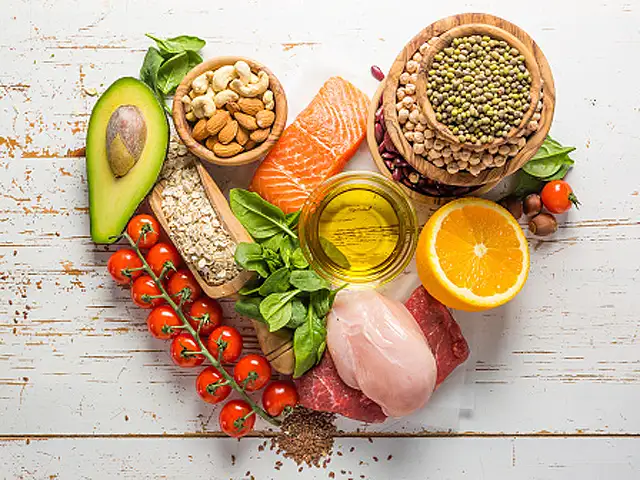
Eating right is the key to a healthy heart and a healthy life. However, majority of us tend to ignore it.
What you eat directly affects your heart. Therefore, ensure the intake of green and leafy vegetables, exclude sugar and aerated drinks from your diet, replace sweetened beverages with water as much as possible and bring down the intake of processed foods and refined flour.
Too much sodium can also cause excess fluid in the body that puts an extra strain on your heart. Therefore, it is best to adapt to variety of spices, herbs and flavours that are an alternative to salt.
Also, exclude red meats from the diet in order to avoid bad cholesterol. Keep the intake of oil and sugar minimal which will further help in reducing the risk of heart problems.
Eating right is the key to a healthy heart and a healthy life. However, majority of us tend to ignore it.
What you eat directly affects your heart. Therefore, ensure the intake of green and leafy ve..
Read More
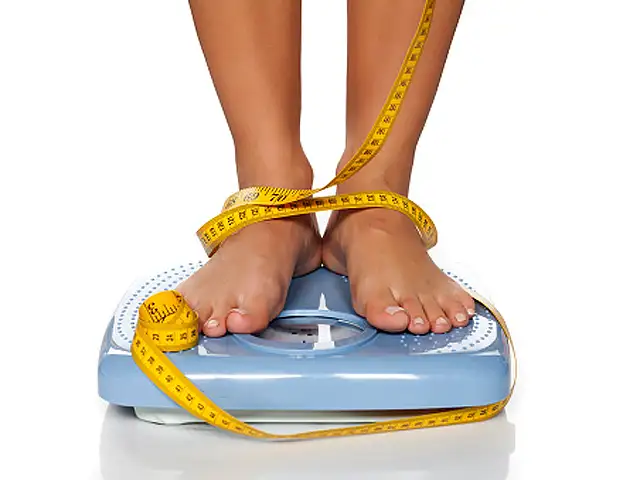
Excess body weight is dangerous for the heart. Keep an eye on weight as it elevates chances of getting high cholesterol levels, which may lead to diabetes, risk of artery disease, and blood pressure.
Keep a check on BMI (Body Mass Index) and maintain it to optimal levels.
Excess body weight is dangerous for the heart. Keep an eye on weight as it elevates chances of getting high cholesterol levels, which may lead to diabetes, risk of artery disease, and blood pressure...
Read More
Smoking and alcohol will have a higher risk of developing cardiovascular diseases. These habits are known to elevate blood pressure, causing irregular heartbeat and stokes.
Not only that, it leads to overall disruption in the normal functioning of the heart. Therefore, it is advisable to avoid consumption of both or consume it in moderation and gradually phase it out. It may be difficult to follow but worth the effort.
Smoking and alcohol will have a higher risk of developing cardiovascular diseases. These habits are known to elevate blood pressure, causing irregular heartbeat and stokes.
Not only that, it leads t..
Read More
Various studies have established that stress is one of the biggest triggers of heart problems. It can cause aches and pains, trigger feelings of anxiety and depression, and lower your energy.
Try and keep stress at bay. Look for activities other than work which helps keep stress levels in check.
Indulge in a hobby or a positive self-talk, listen to music or reading a good book or meditate.
These techniques have helped in reducing stress and developing a positive outlook towards work and life.
Various studies have established that stress is one of the biggest triggers of heart problems. It can cause aches and pains, trigger feelings of anxiety and depression, and lower your energy.
Try an..
(Disclaimer: The opinions expressed in this column are that of the writer. The facts and opinions expressed here do not reflect the views of www.economictimes.com.)