Breathless climbing stairs? You could be having a heart attack
The most common mistake people do is to confuse their symptoms with gas.
By ET CONTRIBUTORS |
Getty Images
By Dr Nishith Chandra
Heart attack can occur with the classic symptoms of severe chest pain with sweating. But, more often than not, there are other symptoms that could indicate an impending heart attack. You should not ignore these symptoms.
In fact, many patients have signs that something is wrong with their heart for weeks or even months before they actually have a cardiac event, and sometimes those signs may be subtle. These warning signs become even more important, especially if you have risk factors of heart disease, including high cholesterol, high blood pressure, obesity, smoking, diabetes or a family history of heart disease.
World Heart Day: Exercise, Eat Almonds, & Reduce Stress To Keep Cardiac Problems Away
1/6
Cardiovascular heart diseases cause over a quarter of the total deaths in the country, and affect rural populations and young adults the most, according to a study published by The Lancet Global Health. The study also shows that younger adults, especially those born after 1970, have the highest death rate due to the narrowing of the heart’s arteries.
Nutritionists point out that the risk of cardiovascular diseases can be reduced through lifestyle changes. Some of them are as follows:
(Text: Divya Shekhar)
Cardiovascular heart diseases cause over a quarter of the total deaths in the country, and affect rural populations and young adults the most, according to a study published by The Lancet Global Heal..
Read More
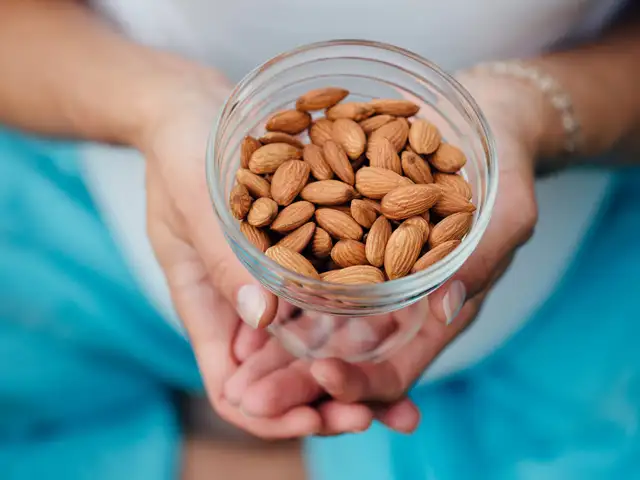
Research indicates that almonds, a source of protein and high in dietary fibre, helps in maintaining healthy blood sugar levels and lower blodd sugar impact of carbohydrate foods.
Nagpur-based nutritionist Meghana Kumare said, “Consuming 43 grams of dry-roasted, lightly salted almonds reduces hunger and improves dietary vitamin E and monounsaturated (good) fat intake without increasing body weight.”
Research indicates that almonds, a source of protein and high in dietary fibre, helps in maintaining healthy blood sugar levels and lower blodd sugar impact of carbohydrate foods.
Nagpur-based nutr..
Read More
Include exercise as part of your daily routine and keep an active lifestyle. According to nutritionist Madhuri Ruia, “moderate exercise of 30 minutes a day for five days a week is recommended for a healthy heart.”
Include exercise as part of your daily routine and keep an active lifestyle. According to nutritionist Madhuri Ruia, “moderate exercise of 30 minutes a day for five days a week is recommended for a ..
Read More
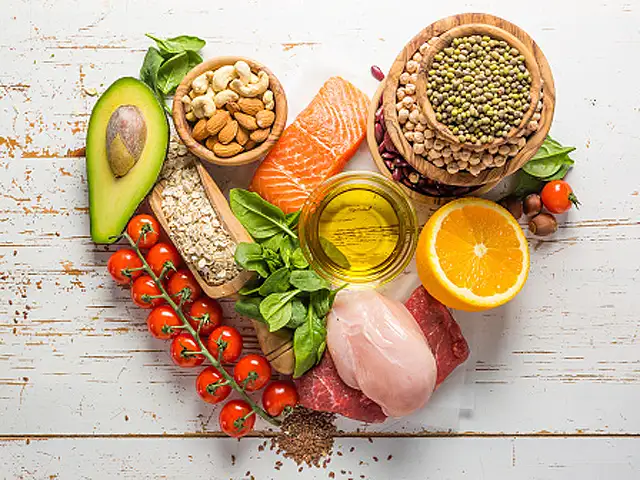
Experts said that one must consume good fats in proportion and avoid saturated and trans-fat from the diet.
FSSAI’s Eat Right Movement recommends reduction in sugar, salt and oil in the daily diet.
“Reduce your intake of sugar, salt and oil by half to reduce your incidence to heart disease by half,” said Delhi-based nutritionist Ritika Samaddar.
Experts said that one must consume good fats in proportion and avoid saturated and trans-fat from the diet.
FSSAI’s Eat Right Movement recommends reduction in sugar, salt and oil in the daily diet.
..
Read More
Bengaluru-based nutritionist Sheela Krishnaswamy said, “Smoking can damage the structure and function of the arteries, increasing the risk of atherosclerosis. Carbon monoxide inhaled from cigarette smoke contributes to reduced oxygen levels in the blood. Second-hand tobacco smoke also causes heart disease in non-smokers, which means you could be harming the health of your near ones too.”
Bengaluru-based nutritionist Sheela Krishnaswamy said, “Smoking can damage the structure and function of the arteries, increasing the risk of atherosclerosis. Carbon monoxide inhaled from cigarette..
Read More
Spending time with family, meditating, reducing stress levels and exercising regularly leads to reduction in stress levels.
Spending time with family, meditating, reducing stress levels and exercising regularly leads to reduction in stress levels.
Here are seven signs of heart disease that you should have checked out:
1. Chest discomfort or pain (angina): It's the number one recognised symptom of heart problems (although not all chest pain is caused due to an issue with the heart). Sometimes the pain isn't intense.
ADVERTISEMENT
Heart-related chest pain is often centred under the breastbone, perhaps a little to the left of centre. The pain has been likened to ‘an elephant sitting on the chest’ but it can also be an uncomfortable sensation of pressure, squeezing or fullness. This pain can radiate to the left arm, jaw or throat.
2. Intense sweating associated with chest pain should never be taken lightly and should prompt you to take immediate medical attention. People typically have cold sweats.
3. If you are feeling short of breath, which often gets worse with movement or exercise, it can be a sign of heart attack, which occurs when your heart can't pump enough blood to meet your body's needs. This breathlessness gets worse on lying down and gets better on sitting up.
4. Dizziness, light headedness, fainting: Any of these symptoms can indicate heart disease. This is due to reduced blood supply to the brain during the heart attack.
ADVERTISEMENT
5. Heart arrhythmias, or abnormal heartbeats: If you feel as if your heart is fluttering in your chest, beating too fast or slow, it may be an indication of heart disease, or even a heart attack. Contact your doctor immediately and get an ECG done.
Nowadays you can even monitor your heart rate by smartwatches and fitness trackers. Apple recently introduced a watch that can even record an ECG and send it to a cardiologist for quick interpretation.
ADVERTISEMENT
6. If it's suddenly difficult to climb stairs you climb every day or do other activities that are usually part of your routine, it can be a sign that there's a problem. Notice if you find yourself saying, "I used to be able to (climb stairs,) but now I have to stop because I get (light-headed, short of breath, palpitations)." Consult a heart specialist.
Heartburn Troubles? Foods To Ease The Problem And Make Gut Feel Good
1/9
Heartburn can strike anyone, but it usually happens to those who are obese and eat big and untimely meals.
From coffee to chocolate, everything you eat may make heartburn worse. But there are also foods that can ease your heartburn.
Here are some of them for you by Ayush Rekha:
Heartburn can strike anyone, but it usually happens to those who are obese and eat big and untimely meals.
From coffee to chocolate, everything you eat may make heartburn worse. But there are also f..
Read More
These two fruits have very low acid content. Hence, they are extremely effective in easing heartburn
These two fruits have very low acid content. Hence, they are extremely effective in easing heartburn
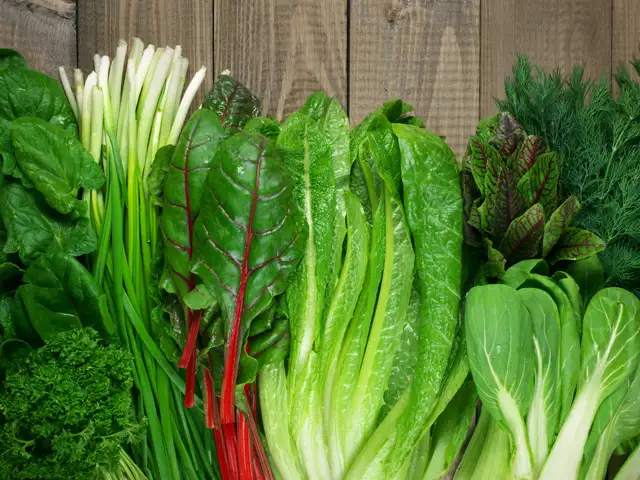
Green vegetables like leafy veggies, broccoli, green beans, celery and cauliflower are low in acid. This can also help in keeping you away from extreme acidity.
Green vegetables like leafy veggies, broccoli, green beans, celery and cauliflower are low in acid. This can also help in keeping you away from extreme acidity.
Fibre content and healthy complex carbs in rice are great to reduce heartburn.
Fibre content and healthy complex carbs in rice are great to reduce heartburn.
The egg whites are a good source of protein. They low acidic quality makes them a good options against heartburns.
The egg whites are a good source of protein. They low acidic quality makes them a good options against heartburns.
This calcium-rich food can soothe heartburn and improve digestion.
This calcium-rich food can soothe heartburn and improve digestion.
All root vegetables, except onion, are good for heartburn.
All root vegetables, except onion, are good for heartburn.
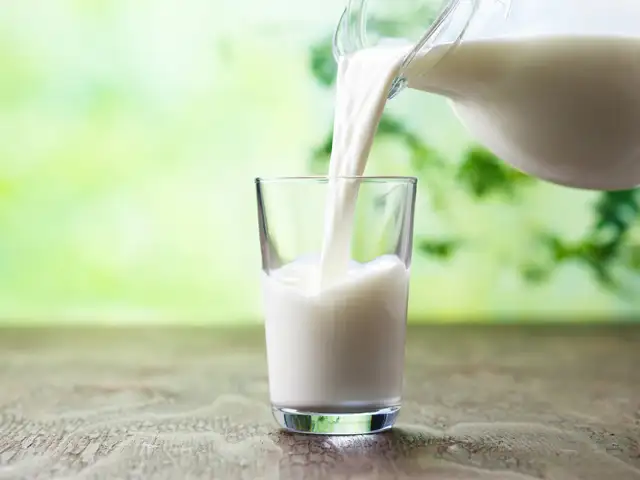
Consuming raw milk during heartburn gives instant relief. It also helps in stomach inflammation.
Consuming raw milk during heartburn gives instant relief. It also helps in stomach inflammation.
Apples contain phenolic phytochemicals that can calm heartburn.
Apples contain phenolic phytochemicals that can calm heartburn.
The most common mistake people do is to confuse these symptoms with gas or stomach-related problems. You can differentiate a chest pain due to a heart problem from a gas episode by noticing if you have associated sweating or breathlessness. If they are there, don’t delay; it could be due to the heart. If you are having burning in the chest following a heavy meal, but not associated with sweating or breathlessness, it could be due to gas. But if you are in doubt, it is always better to consult a cardiologist.
(The writer is Director-Interventional Cardiology, Fortis Escorts Heart Institute, New Delhi)
(Disclaimer: The opinions expressed in this column are that of the writer. The facts and opinions expressed here do not reflect the views of www.economictimes.com.)