World Heart Day: Decode the common heart tests for a healthy life
One should periodically undergo tests and keep a tab on the vitals of heart's health.
By ET CONTRIBUTORS |
By Dr Prashant Shetty
Fast-paced life has increased stress levels and hypertension, and put our hearts at risk. The changing lifestyle over the past two decades have put the Indian heart at extreme risk, making cardiovascular diseases (CVD) a national healthcare challenge.
India, known as the global cardiac capital, has a cardiovascular disease death rate of 272 per lakh population. A recent study states that in India, around 41% patients have low levels of good cholesterol, while a greater patient population (around 71%) suffer from high LDL cholesterol levels.
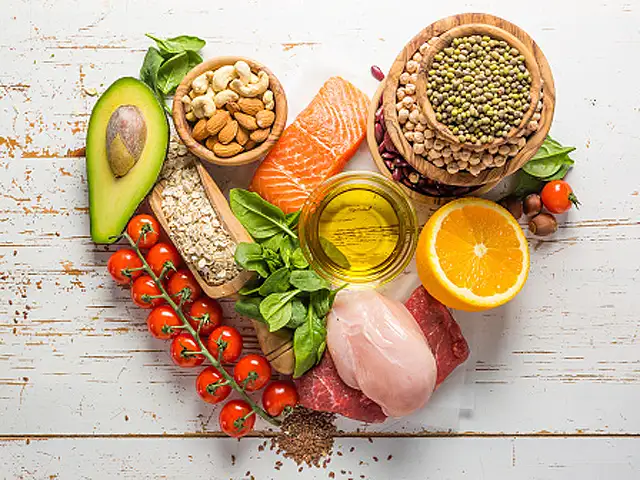
While it is important to focus on promoting an active lifestyle and avoid/control consumption of tobacco /alcohol, one should ensure a balanced nutrition for healthy heart.
World Heart Day: Exercise, Eat Almonds, & Reduce Stress To Keep Cardiac Problems Away
1/6
Cardiovascular heart diseases cause over a quarter of the total deaths in the country, and affect rural populations and young adults the most, according to a study published by The Lancet Global Health. The study also shows that younger adults, especially those born after 1970, have the highest death rate due to the narrowing of the heart’s arteries.
Nutritionists point out that the risk of cardiovascular diseases can be reduced through lifestyle changes. Some of them are as follows:
(Text: Divya Shekhar)
Cardiovascular heart diseases cause over a quarter of the total deaths in the country, and affect rural populations and young adults the most, according to a study published by The Lancet Global Heal..
Read More
Research indicates that almonds, a source of protein and high in dietary fibre, helps in maintaining healthy blood sugar levels and lower blodd sugar impact of carbohydrate foods.
Nagpur-based nutritionist Meghana Kumare said, “Consuming 43 grams of dry-roasted, lightly salted almonds reduces hunger and improves dietary vitamin E and monounsaturated (good) fat intake without increasing body weight.”
Research indicates that almonds, a source of protein and high in dietary fibre, helps in maintaining healthy blood sugar levels and lower blodd sugar impact of carbohydrate foods.
Nagpur-based nutr..
Read More
Include exercise as part of your daily routine and keep an active lifestyle. According to nutritionist Madhuri Ruia, “moderate exercise of 30 minutes a day for five days a week is recommended for a healthy heart.”
Include exercise as part of your daily routine and keep an active lifestyle. According to nutritionist Madhuri Ruia, “moderate exercise of 30 minutes a day for five days a week is recommended for a ..
Read More
Experts said that one must consume good fats in proportion and avoid saturated and trans-fat from the diet.
FSSAI’s Eat Right Movement recommends reduction in sugar, salt and oil in the daily diet.
“Reduce your intake of sugar, salt and oil by half to reduce your incidence to heart disease by half,” said Delhi-based nutritionist Ritika Samaddar.
Experts said that one must consume good fats in proportion and avoid saturated and trans-fat from the diet.
FSSAI’s Eat Right Movement recommends reduction in sugar, salt and oil in the daily diet.
..
Read More
Bengaluru-based nutritionist Sheela Krishnaswamy said, “Smoking can damage the structure and function of the arteries, increasing the risk of atherosclerosis. Carbon monoxide inhaled from cigarette smoke contributes to reduced oxygen levels in the blood. Second-hand tobacco smoke also causes heart disease in non-smokers, which means you could be harming the health of your near ones too.”
Bengaluru-based nutritionist Sheela Krishnaswamy said, “Smoking can damage the structure and function of the arteries, increasing the risk of atherosclerosis. Carbon monoxide inhaled from cigarette..
Read More
Spending time with family, meditating, reducing stress levels and exercising regularly leads to reduction in stress levels.
Spending time with family, meditating, reducing stress levels and exercising regularly leads to reduction in stress levels.
One should periodically undergo tests and keep a tab on the vitals of heart's health. Here's a smart way to decode the most common heart tests:
ADVERTISEMENT
HsCRP - C Reactive Protein This protein is produced when there is inflammation within your body. So a positive HsC-reactive test indicates that there is some inflammation in the body. If it is in the arteries, chances of cardiac disease, heart attack, and stroke increases. It also helps to indicate cholesterol levels. It involves a simple blood test. Test results below 1.0 mg indicates low risk, between 1.0 to 2.9 mg indicates intermediate risk, and more than 3 mg indicates high risk. One needs to consult a doctor while interpreting HsCRP tests because HsCRP flares up due to other inflammations as well.
Creatine Kinase-Muscle/Brain (CK-MB) This test is an important cardiac marker and helps in predicting possible myocardial infarction. It checks the enzyme creatine kinase in your blood. The human body makes 3 forms of creatine kinase, which are found in the heart, muscles, brain and other organs. High CK-MB levels can directly indicate heart damage, and the test is usually prescribed to patients suffering heart attack. The normal serum CK-MB range from 3 to 5% (percentage of total CK). This also is a blood test, and higher levels of CK-MB mean the person has suffered heart attack or muscle damage. Lipid Profile Basic This test is the cholesterol report. The test reveals the composition of good cholesterol (high density lipoprotein or HDL), bad cholesterol (low density lipoprotein or LDL) in the blood, and blood fat or triglycerides. HDL should be more than 60 mg/dL (1.55 mmol/L), and LDL in the blood should be less than 100 mg/dL (2.59 mmol/L). Normal range for triglycerides is less than 150 mg/dL (1.7 mmol/L). This test helps the doctor determine the chances of atherosclerosis or the condition of plaque deposition in arteries.
ADVERTISEMENT
Vitamin B12 Cyanocobalamin This is yet another crucial test which gives insight into heart's health. The normal level of vitamin B12 in your bloodstream is between 190 and 900 ng/mL.
ADVERTISEMENT
NT-Pro B-Type Natriuretic Peptide (BNP) The test is useful in diagnosis of congestive heart failure. Normal level of NT-proBNP is less than 125 pg/mL. Studies have shown that the measured concentrations of circulating NT-proBNP increase with the severity of CHF based on the New York Heart Association classification.
Haemoglobin A1c The test is used in evaluating the long-term control of blood glucose concentrations in diabetic patients. Diagnosis of diabetes and identifying patients at increased risk for diabetes (prediabetes). People without diabetes should have haemoglobin between 4% and 5.6%, and if it reaches between 5.7% and 6.4%, chance of getting diabetes is higher. Diabetes is the condition which if left uncontrolled leads to various heart-related diseases.
(The author is Executive Director (Biochemistry, Haematology & Immunoassay Department) at iGenetic Diagnostics)
Food Items You Should Eat And Avoid, According To Your Blood Type
1/5
Consuming food based on your 'Blood Type' helps in better digestion, increases the energy levels, and prevents diseases and illnesses. Moreover, it also helps you lose weight.
Deepika Dua Arora, Dietitian Mutation Diet Clinic talks about the relationship between the blood group and nutritional aspect of food consumed.
Here are the food items you should consume and avoid, according to your blood group - A, B, O and AB.
(Image: ThinkStock)
Consuming food based on your 'Blood Type' helps in better digestion, increases the energy levels, and prevents diseases and illnesses. Moreover, it also helps you lose weight.
Deepika Dua Arora, Die..
(Disclaimer: The opinions expressed in this column are that of the writer. The facts and opinions expressed here do not reflect the views of www.economictimes.com.)