Now, a simple blood test can determine whether you are following a prescribed diet
An analysis of small molecules called metabolites in a blood sample may be used.
By PTI | Updated:

Agencies
WASHINGTON: A simple blood test can help determine whether a person is following a prescribed diet, say scientists suggesting that the method can help improve the accuracy of clinical trials.
Clinical trials of diets and their health impacts are often plagued by participants' poor adherence to assigned diets, which can make it difficult or even impossible to detect the true effects of those diets.
The approach, described in the American Journal of Clinical Nutrition, could provide an objective and relatively easy-to-obtain measure of dietary adherence, potentially greatly reducing the uncertainty of dietary intake estimates.
Scientists from Johns Hopkins Bloomberg School of Public Health in the US demonstrated their approach by showing that the levels of dozens of metabolites in the blood differed significantly between treatment and control groups enrolled in a clinical trial of the blood pressure-lowering DASH (Dietary Approaches to Stop Hypertension) diet.
The DASH diet emphasises fruits and vegetables and restricts red meat, sodium and sweets.
"We can now consider these metabolites as candidate biomarkers for assessing adherence to the DASH diet in future nutrition research studies, and one day clinicians might use these markers to monitor what their patients eat," said Casey M Rebholz, an assistant professor at Johns Hopkins.
Dietary adherence in clinical trials and even in ordinary clinical practice traditionally has been assessed by asking participants to keep track of what they eat. Human nature being what it is, such self-reports are not always accurate.
Some researchers have sought an objective measure of dietary adherence by testing urine samples from participants, but the requirement for each participant to collect samples over one or more days for testing is burdensome, and urine analysis covers a very limited set of nutrients.
Unexplained fatigue, weakness, headaches, breathlessness, racing heart, dizziness and poor appetite could be signs of low haemoglobin.
Haemoglobin is an iron-rich protein present in red blood cells which determines the blood count and oxygen level in the body.
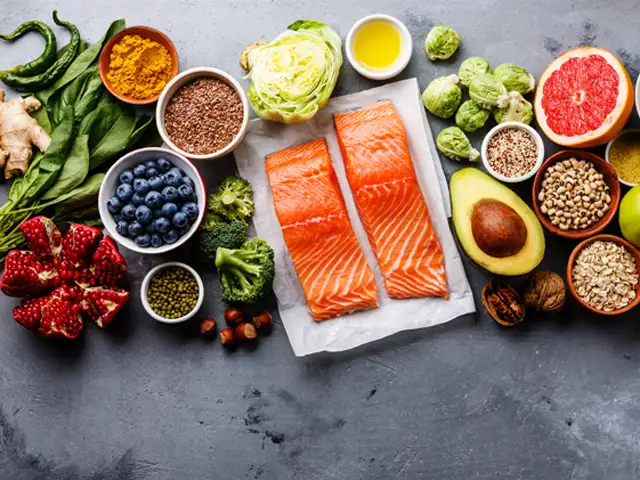
Mostly menstruating or pregnant women, growing children, and patients recovering from illnesses are susceptible to haemoglobin deficiency. A well-balanced diet with iron-rich food items can work wonders to increase the quality of blood.
Dr Kajal Yeptho Pandya, head of Department of Dietetics at Medanta - The Medicity explains how each meal with a variety of foods and portion sizes can up the haemoglobin level and moderate calorie intake.
Clinical trials of diets and their health impacts are often plagued by participants' poor adherence to assigned diets, which can make it difficult or even impossible to detect the true effects of those diets.
The approach, described in the American Journal of Clinical Nutrition, could provide an objective and relatively easy-to-obtain measure of dietary adherence, potentially greatly reducing the uncertainty of dietary intake estimates.
Scientists from Johns Hopkins Bloomberg School of Public Health in the US demonstrated their approach by showing that the levels of dozens of metabolites in the blood differed significantly between treatment and control groups enrolled in a clinical trial of the blood pressure-lowering DASH (Dietary Approaches to Stop Hypertension) diet.
The DASH diet emphasises fruits and vegetables and restricts red meat, sodium and sweets.
"We can now consider these metabolites as candidate biomarkers for assessing adherence to the DASH diet in future nutrition research studies, and one day clinicians might use these markers to monitor what their patients eat," said Casey M Rebholz, an assistant professor at Johns Hopkins.
ADVERTISEMENT
Dietary adherence in clinical trials and even in ordinary clinical practice traditionally has been assessed by asking participants to keep track of what they eat. Human nature being what it is, such self-reports are not always accurate.
Some researchers have sought an objective measure of dietary adherence by testing urine samples from participants, but the requirement for each participant to collect samples over one or more days for testing is burdensome, and urine analysis covers a very limited set of nutrients.
Haemoglobin is an iron-rich protein present in red blood cells which determines the blood count and oxygen level in the body.
Mostly menstruating or pregnant women, growing children, and patients recovering from illnesses are susceptible to haemoglobin deficiency. A well-balanced diet with iron-rich food items can work wonders to increase the quality of blood.
Dr Kajal Yeptho Pandya, head of Department of Dietetics at Medanta - The Medicity explains how each meal with a variety of foods and portion sizes can up the haemoglobin level and moderate calorie intake.


Download
The Economic Times Business News App for the Latest News in Business, Sensex, Stock Market Updates & More.
The Economic Times Business News App for the Latest News in Business, Sensex, Stock Market Updates & More.
ADVERTISEMENT


