Tempeh could solve India's protein and nutrition deficiency
The Indonesian food is made from boiled soya beans and fungus that binds the beans together into a mouldy mass.
By ET Bureau |
Getty Images
Tempeh is often clubbed with tofu but they are very different.
We owe so much to ancestors who were adventurous enough, or so desperately hungry, that they tried some foods for the first time. Who imagined raw shellfish or fish eggs might have the allure of oysters and caviar? And who didn’t just discard spoiled soy beans but figured they could become the highly nutritious Indonesian food called tempeh?
Tempeh is often clubbed with tofu but they are very different. Tofu is made from soya milk, so is smooth and clean looking. Tempeh is made from boiled soya beans that have a fungus called Rhizopus added, which grows white filaments called mycelium that bind the beans together into a mouldy mass. This looks gross, yet the fungus does something crucial. Many nutrients in soya are locked up in chemical bonds humans cannot digest, which is why cooking whole soya beans is neither nice nor particularly nutritious.
But the fungus secretes enzymes that break these bonds and the result, as the Indonesian writer Sri Owen notes, is a product that has “about 40 percent protein — more than any plant or animal food — carbohydrates without starch, unsaturated oil without cholesterol, all eight essential amino acids, Vitamin A, and several B-complex vitamins, iron, calcium, zinc, phosphorus and magnesium”. And since the basis is whole beans, it has fibre.
You’re still eating mouldy beans though, and tempeh takes some getting used to. It’s not quite as bland as tofu, and has a flavour that writers on Indonesian food describe as “nutty”, but I’d say is more like faintly odd cheese. What’s disconcerting is the texture. Indonesians slice and fry or grill tempeh sticks like meat. But because it doesn’t have firm fibres of flesh, just soft beans, you get a mealy, yet chewy texture. Indonesians also make tempeh from substances like tamarind seeds, peanuts and mung. One can get used to it, but a better option I think is to chop up tempeh like kheema, which gives it a mushroomy meatiness (and then you can bind it again like a burger). Used this way, tempeh could adapt very well to Indian cooking and it makes me wish we had got the know how from Indonesia, just as it has been suggested that the secret of idli fermentation came from there to South India.
Protein and nutrition deficiency is still a huge issue in India, and tempeh could make a big difference, just as in Indonesia. Rice and tempeh offer a balanced, healthy diet, and more variations, with different tastes, can be added by using the technique on other grains and legumes — Indonesians also make tempeh from substances like tamarind seeds, peanuts and mung.
ADVERTISEMENT
The only constraint is getting the fungus. Bean Me Up, the Goa restaurant which is probably the only place in India making tempeh and other vegan foods for a while now, has to get it from Indonesia. But its simpler than making tofu, leave alone the highly processed nuggets which is one main way soy is consumed across India. Tempeh-making could bring the many benefits of soy to a really local level in India.
World Nutrition Day: Proteins, Vitamins, Calcium And Other Nutrients You Need For A Balanced Diet
1/8
Too busy to prioritise what you eat? It just needs a conscious thought before eating any meal and basic understanding of different kinds of food and nutrients like Vitamin C, Vitamin A, iron, calcium, protein, energy and folic acid.
It is important to consume food that can provide good nutrition for a healthy lifestyle.
The Indian dietary guidelines recommend that a balanced diet should provide around 50-60% of total calories from carbohydrates, preferably complex carbohydrates, about 10-15% from proteins, and 20-30% from both visible and invisible fats. A balance diet should also provide vitamins and minerals along with dietary fibres and antioxidants.
Dr Rajan Sankar, Senior Advisor - Nutrition at Tata Trusts, shares what one needs to eat to get started.
Too busy to prioritise what you eat? It just needs a conscious thought before eating any meal and basic understanding of different kinds of food and nutrients like Vitamin C, Vitamin A, iron, calcium..
Read More
Carbohydrates are either simple or complex and are a major source of energy. Simple carbohydrates are found in fruits, vegetables, etc. while complex carbohydrates abound in cereals, roots, tubers, grains, etc. In the Indian diet, 70-80% of total dietary calories are derived from carbohydrates present in plant foods such as cereals, millets and pulses.
Also, fats - often termed 'bad' - are essential like other macronutrients. They are needed for energy, absorbing vitamin, and protecting the heart and brain health. Bad fats such as trans-fats and saturated fats, generally found in vegetable shortenings, butter, fried foods, hydrogenated oils are rightly blamed for weight gain and clogged arteries. But 'good' fats, such as unsaturated fats and omega 3, present in nuts and oil seeds, play a major role in managing mood, fighting fatigue, and even controlling weight.
Eat a lot of cereals, tubers, rice, wheat, potatoes, almonds, walnuts, coconut, groundnuts, oil seeds, vegetables oil, ghee, etc.
Carbohydrates are either simple or complex and are a major source of energy. Simple carbohydrates are found in fruits, vegetables, etc. while complex carbohydrates abound in cereals, roots, tubers, g..
Read More
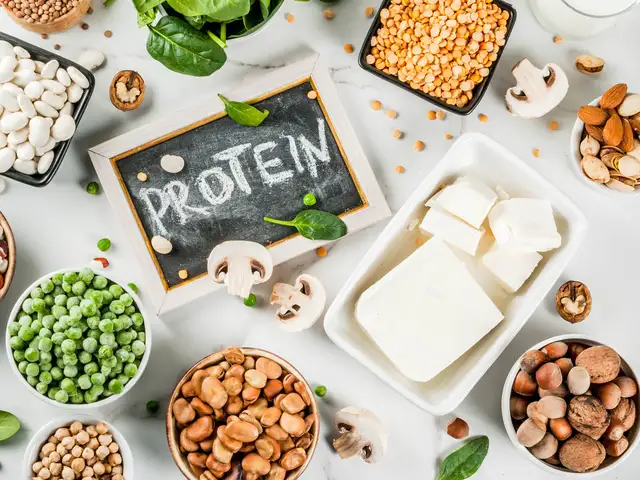
Proteins, the 'body-building foods', are primary structural and functional components of every living cell. Milk, meat, fish and eggs and plant foods such as pulses and legumes are rich in protein. A typical Indian diet is mainly vegetarian. Therefore, a combination of cereals, millets and pulses must be eaten as it provides most of the amino-acids, which complement each other to provide better quality proteins.
One should also eat Bengal gram, green gram, lentils, red gram, cheese, khoya, milk powder, and nuts and oilseeds like groundnuts, cashew nuts, almond.
Proteins, the 'body-building foods', are primary structural and functional components of every living cell. Milk, meat, fish and eggs and plant foods such as pulses and legumes are rich in protein. ..
Read More
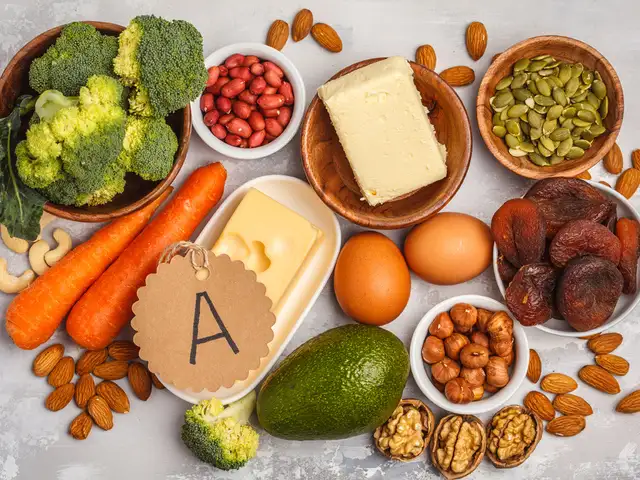
Vitamins and minerals, and essential micronutrients, are required by the body in small amounts. They are essential for maintenance of the structure of skin, bones, nerves, eyes, brain and organs, as well as battling infections. Deficiencies, however, can lead to severe problems. The best way to ensure healthy growth and development is to consume a wide variety of fresh foods like leafy vegetables like ambat chukka, coriander, spinach, mint, amaranth, fenugreek, radish leaves and curry leaves, pumpkin, green chilies, carrots, fruits like mangoes and papaya, eggs, meats, dairy products, pulses and cereals.
Vitamins and minerals, and essential micronutrients, are required by the body in small amounts. They are essential for maintenance of the structure of skin, bones, nerves, eyes, brain and organs, as ..
Read More
It's important to limit use of butter, refined flour, sugars, ready-to-eat fast food, and processed food. Cut down salt, soft drinks and fatty foods. Preferably, fill your plate with seasonal and locally available fruits and vegetables.
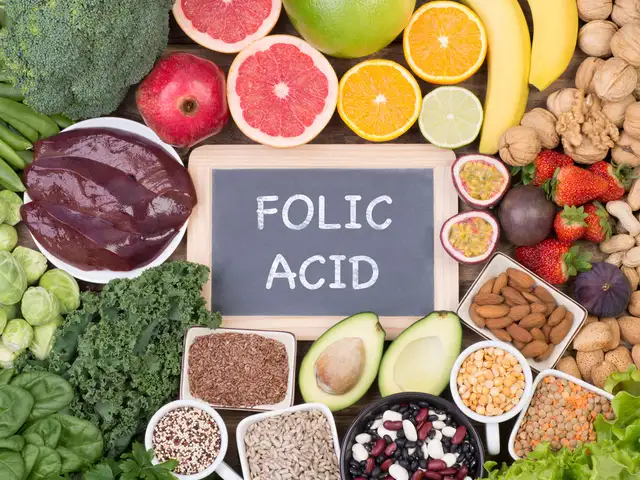
To have a good intake of folic acid, green leafy vegetables like amaranth, ambat chukka, mint and spinach, and pulses like Bengalgram, blackgram, greengram and redgram.
It's important to limit use of butter, refined flour, sugars, ready-to-eat fast food, and processed food. Cut down salt, soft drinks and fatty foods. Preferably, fill your plate with seasonal and lo..
Read More
Make sure half of your plate consists of fruits and vegetables. Also, don't forget to include whole grains and cereals.
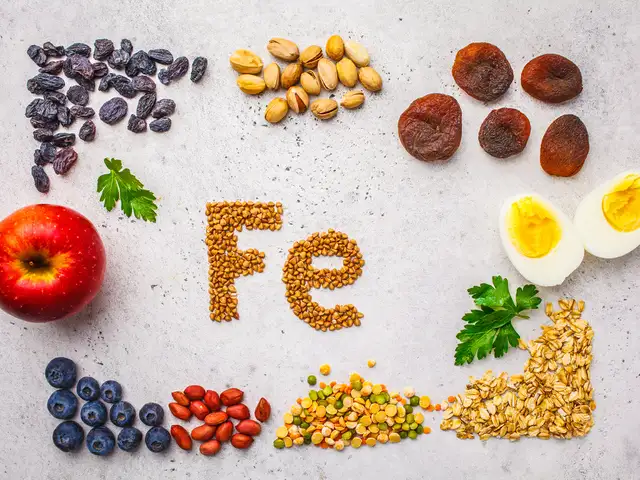
Iron deficiency can lead to extreme fatigue. To keep the haemoglobin level in desired levels, include iron-rich foods like amaranth, bengalgram, leaves, cauliflower, greens, radish leaves
Make sure half of your plate consists of fruits and vegetables. Also, don't forget to include whole grains and cereals.
Iron deficiency can lead to extreme fatigue. To keep the haemoglobin level in ..
Read More
While it is important to eat macronutrients (carbohydrate, proteins and fats) in relatively large quantities, it is sufficient to consume micronutrients (vitamins and minerals) in rather small quantities.
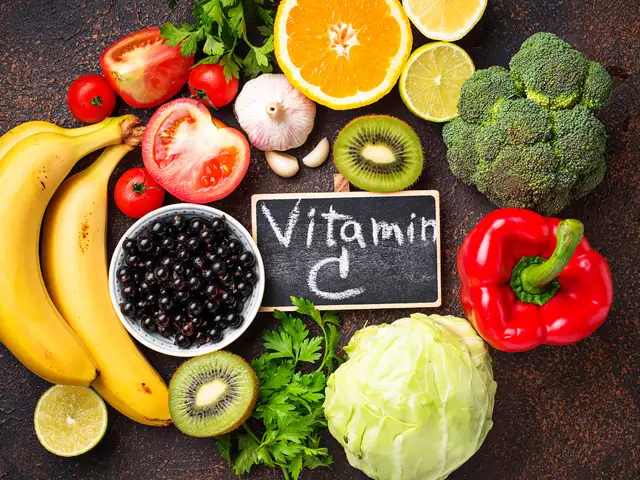
In order to get Vitamin C, eat more of citrus fruits, amla, guava, lemon, tomatoes, etc.
While it is important to eat macronutrients (carbohydrate, proteins and fats) in relatively large quantities, it is sufficient to consume micronutrients (vitamins and minerals) in rather small quant..
Read More
Always choose healthier options when eating out, and read the nutrition labels and ingredient list when buying food.
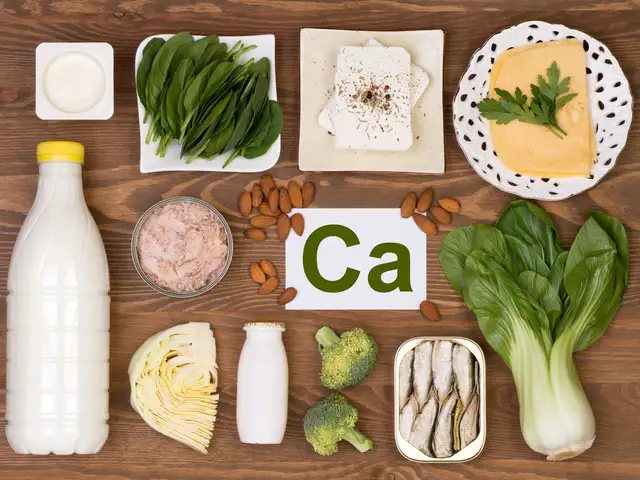
For a calcium-rich diet, eat cereals and legumes, ragi, kidney beans, soyabean, milk and milk products, nuts and oilseeds like coconut dry, almond, gingelly seeds, sunflower seeds.
Always choose healthier options when eating out, and read the nutrition labels and ingredient list when buying food.
For a calcium-rich diet, eat cereals and legumes, ragi, kidney beans, soyabean, ..