Many thepla recipes mix the flour with curds, which may preserve and keep them flexible longer.
In November 1947, the government of Bombay, the state formed after Independence from the old Presidency minus Sind and plus several princely states, issued an order in response to acute food shortages. Already, under the Bombay Food (Restrictions on Service of Meals by Catering Establishments) Order, 1944, restaurants could serve only two courses at any meal. Now the restrictions were extended to a “preparation called ‘Thalipith’ commonly known as ‘Thepla’, in Gujarat districts, which is usually prepared out of different kinds of flour and some vegetable choppings”.
Some might call these snacks, but this amendment indicated that they were considered a meal. This will be no surprise to the many who have packed these hearty rotis for travel. After hours on a train or in a cheerless hotel room abroad, and when faced with unappetising meal options, there is real joy in opening a packet of theplas. They will be as good as when made some days ago, and tasty and filling enough to feel like a proper meal.
Conflating Maharashtrian thalipith with the Gujarati thepla seems calculated to raise regional tensions. The former is usually made from a mix of grains and dals, so is solid and you break off pieces. The latter is made from different flours (sometimes with besan) and is flexible, so you just tear off pieces to eat, ideally with pickle.
Many thepla recipes mix the flour with curds, which may preserve and keep them flexible longer. Others use milk, leftover rice, grated bottlegourd or radish. You get the sense that a range of leftovers or vegetables can be used, along with the spices and, in particular, the methi leaves that help make theplas so tasty and give it the sense of being a stop-gap meal.
Maharashtrian thalipith is usually made from a mix of grains and dals, so is solid and you break off pieces. Bread recipes are notoriously hard to get right. So much depends on subtle tweaks to technique that are hard to convey in print (videos are better). With theplas, the key element seems to be that they are neither fried, like puris, nor roasted, like chapatis, but somewhere in-between. They are put directly on a hot tava, but then a little oil is spread on top “so that the oil slides down on the lower side of the thepla also”, write Ruxmani and Bindu Danthi in On the Threshold of Kitchen, their excellent compendium of everyday Gujarati recipes. They absorb some oil, which makes them flexible, but not so much that they become greasy.
ADVERTISEMENT
This is almost identical to Saee Koranne-Khandekar’s instructions for thalipith in Crumbs, her wonderful book on bread-making in India. She notes with irritation how commercial eateries ruin thalipith by deep-frying it, when it should be roasted on a seasoned tava with just a little oil “drizzled along its circumference and into the little holes that are made on is surface”.
The result is a “moreish bread, slightly chewy on the inside and crisp and caramelised around the edges”. Thalipith and thepla may not seem quite the same, but they are made similarly and give a very similar satisfaction.
Sweet Overdose During Festivals? 5 Oral Care Tips For Healthy Teeth
1/6
Gorging on delicious, home-made sweets is the main highlight during festivals. However, the excessive indulgence can sometimes take a toll on our teeth causing tooth sensitivity, caries and other oral health-related problems. You don't have to go for a sweet detox, or avoid desserts.
Dr Ajay Kakkar, BDS, MDS - Periodontology and Oral Implantology, Dentist, Periodontist, Implantologist, shares a few simple measures that can ensure your teeth are fine to enjoy the sweet treats.
Gorging on delicious, home-made sweets is the main highlight during festivals. However, the excessive indulgence can sometimes take a toll on our teeth causing tooth sensitivity, caries and other ora..
Read More
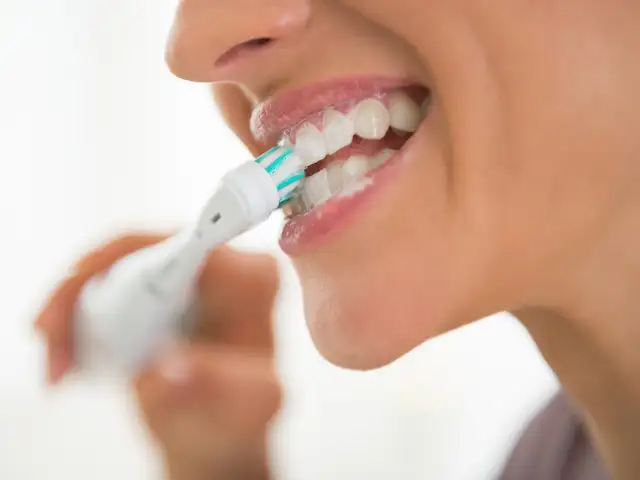
While you treat yourselves to gujiyas and malpuas, it is important to ensure you brush and floss your teeth atleast twice a day. When you forget to brush, the sugary components remain stuck on your teeth for a long period, and may lead to cavity.
While you treat yourselves to gujiyas and malpuas, it is important to ensure you brush and floss your teeth atleast twice a day. When you forget to brush, the sugary components remain stuck on your ..
Read More
Avoid food items that are high on artificial colouring and preservatives. They stain your teeth and the acids in the preservatives promote bacteria. If you feel that your teeth are stained and you want to keep those stains away, you could switch to whitening toothpaste, readily available in the market.
Avoid food items that are high on artificial colouring and preservatives. They stain your teeth and the acids in the preservatives promote bacteria. If you feel that your teeth are stained and you w..
Read More
Enjoying festivals without delicious sweets is unimaginable. Indulging in hordes of sweet treats may sometimes give a short sharp twinge on your tooth. This could be sensitivity. Simply switching to tooth sensitivity toothpaste can let you enjoy the treats without worrying about sensitivity.
Enjoying festivals without delicious sweets is unimaginable. Indulging in hordes of sweet treats may sometimes give a short sharp twinge on your tooth. This could be sensitivity. Simply switching to..
Read More
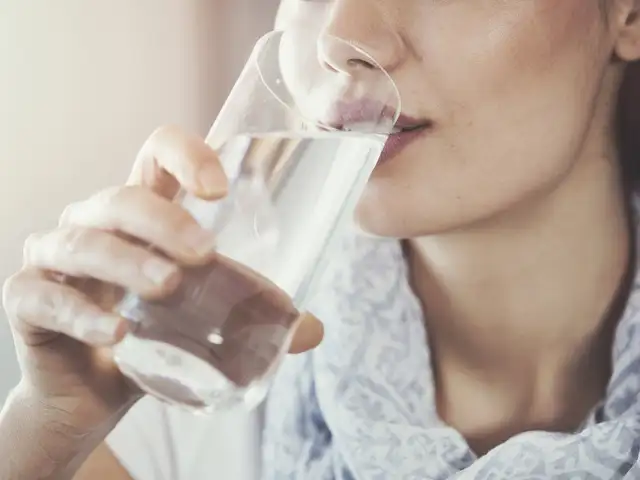
Keep yourself hydrated. Drink a lot of water and fresh juices in small intervals. Particularly, drink lot of water before snacks and meals. This gives you a feeling of fullness and prevents you from over-indulging on snacks. Also, drink water after meals as it helps flush off the food residue, clean your mouth and avoid plaque formation on your teeth.
Keep yourself hydrated. Drink a lot of water and fresh juices in small intervals. Particularly, drink lot of water before snacks and meals. This gives you a feeling of fullness and prevents you from..
Read More
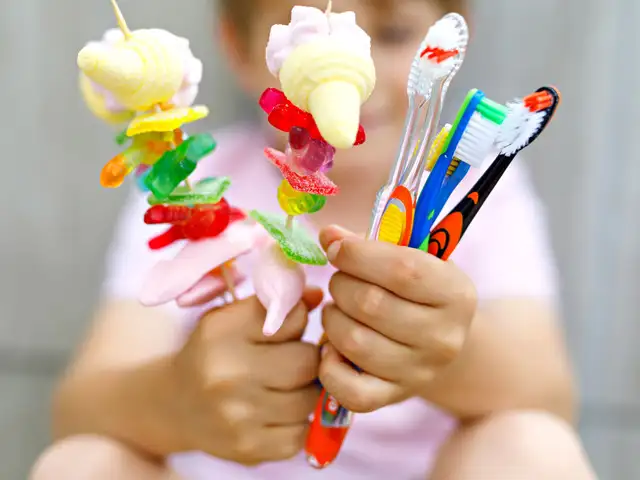
Sweets are sticky, which leads to tooth caries which can also result in sensitive teeth. Sweets don't cause tooth decay. At times, even rinsing the mouth is not sufficient to get rid of the sugary remains in the mouth. Eating desserts before meals would help in reducing the risk of the teeth related problems.
Sweets are sticky, which leads to tooth caries which can also result in sensitive teeth. Sweets don't cause tooth decay. At times, even rinsing the mouth is not sufficient to get rid of the sugary r..