Add a pinch of moringa to your food: A protein-rich root with a pungent flavour like horseradish
Dried moringa seeds are extolled on wellness sites for their purifying capacity.
By Vikram Doctor, ET Bureau | Updated:

Agencies
It is odd to have a plant that is being acclaimed around the world for its excellent and multiple uses, and yet to have one of the key reasons it first became well-known almost entirely forgotten.
In 1929, The Times of India published a story about an Englishman in India who pined for horseradish, the eyewateringly pungent condiment the British eat with beef. Most British in India complained about the quality of beef here, but this man was fine with it. What he missed was horseradish to eat with it.
Horseradish tastes — or burns — like fresh mustard mixed with Japanese wasabi. It is worth having, but isn’t grown in India, probably because we have other hot spices. So, the Englishman had stopped hoping for horseradish, when one day a friend’s Goan cook served what tasted exactly like it.
The cook had dug up roots from some young moringa, or drumstick, trees, scraped and made them into a sauce that tasted like horseradish. I don’t know why this was such a surprise for the Englishman because this use of moringa was well-known.
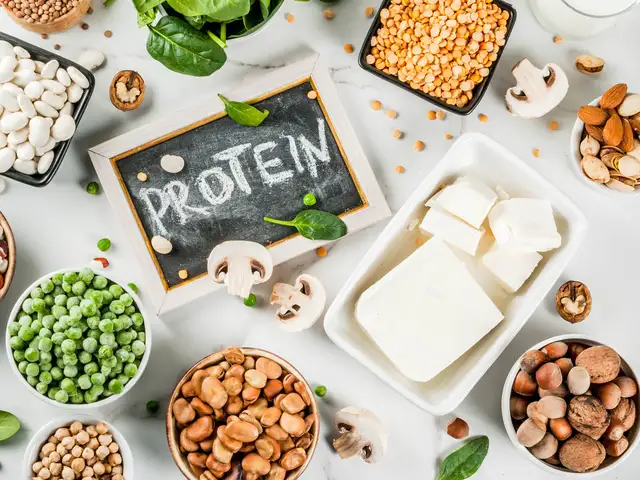
Hobson-Jobson (1886), the dictionary of Raj terms, has an entry for horseradish tree. But perhaps I shouldn’t be surprised because this use of moringa now seems forgotten again, even as it is being extolled for almost every other part. It is promoted by NGOs involved in agricultural development since it grows fast in fairly poor soils, and requires little water. Its leaves can be cooked like spinach and have high protein. They are being dried and powdered and used as a nutritional supplement as well.
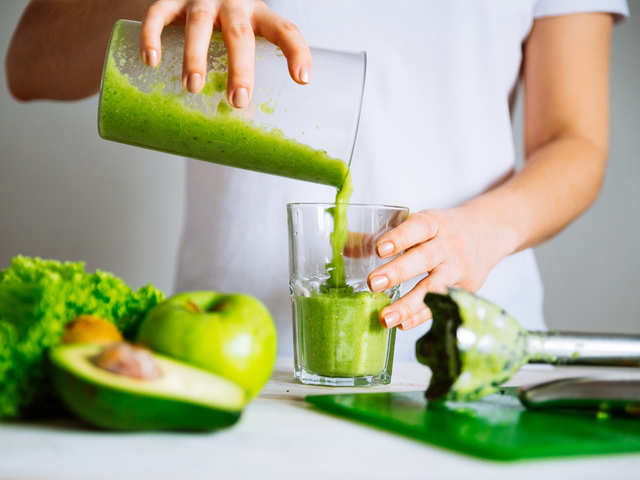
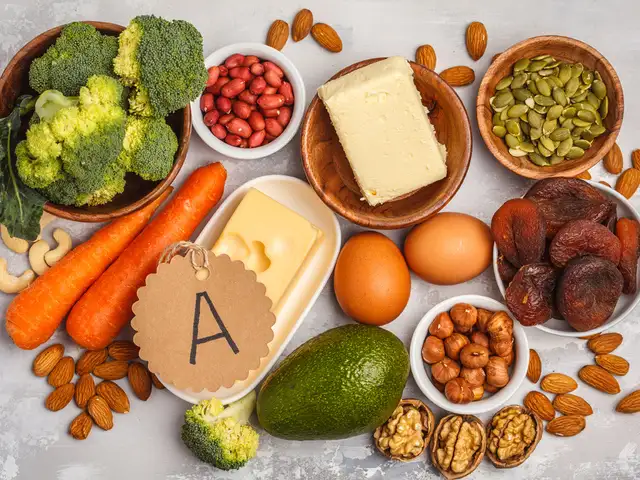
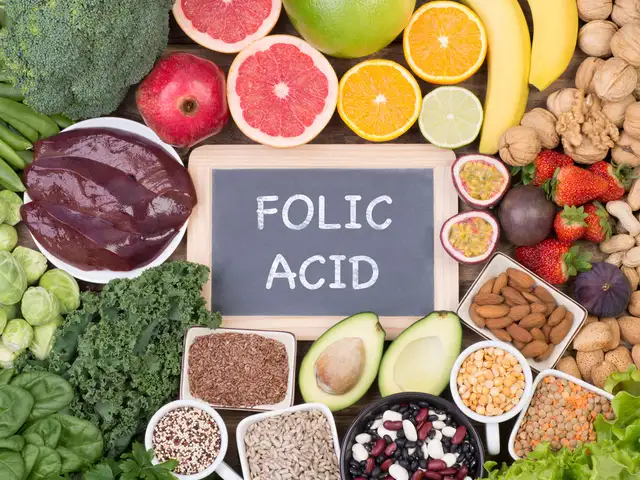
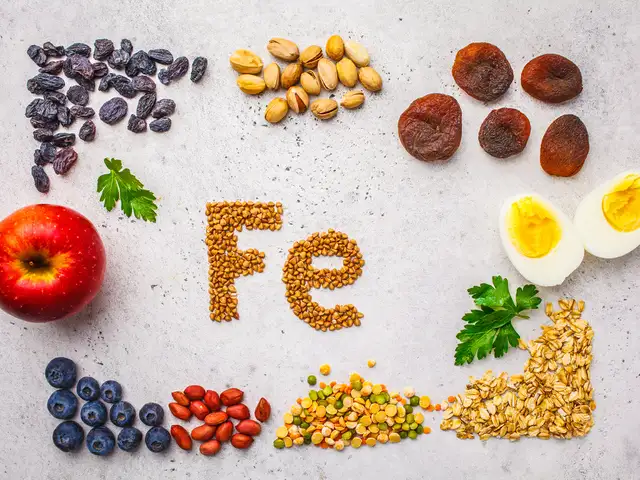
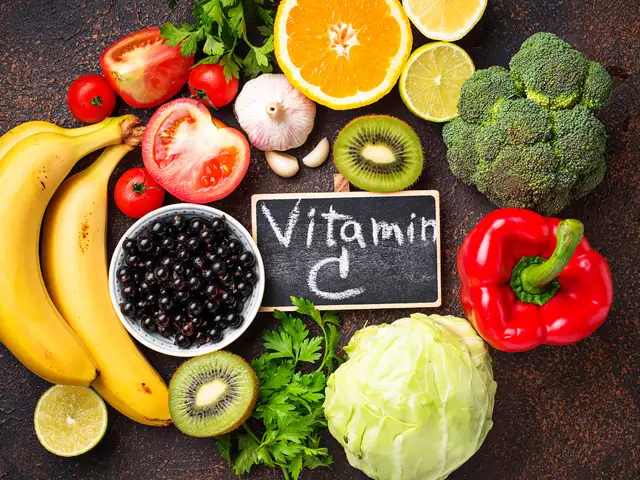
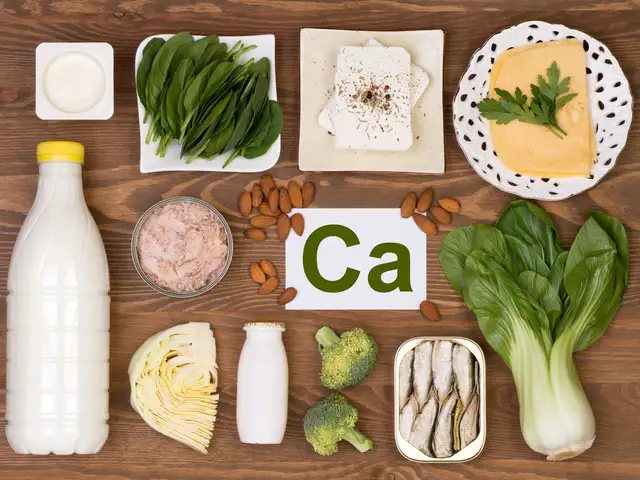
Too busy to prioritise what you eat? It just needs a conscious thought before eating any meal and basic understanding of different kinds of food and nutrients like Vitamin C, Vitamin A, iron, calcium, protein, energy and folic acid.
It is important to consume food that can provide good nutrition for a healthy lifestyle.
The Indian dietary guidelines recommend that a balanced diet should provide around 50-60% of total calories from carbohydrates, preferably complex carbohydrates, about 10-15% from proteins, and 20-30% from both visible and invisible fats. A balance diet should also provide vitamins and minerals along with dietary fibres and antioxidants.
Dr Rajan Sankar, Senior Advisor - Nutrition at Tata Trusts, shares what one needs to eat to get started.
Dried moringa seeds are extolled on wellness sites for their purifying capacity. They have a truly strange taste: An intense burst of bitterness followed by a curiously lingering sweetness. It is hard to figure out if one likes it or finds it repulsive. The seeds are pressed to give a high-quality oil, which (happily) has a more neutral taste. The purifying power of the seeds is apparently so strong that the residue from pressing oil is used to purify water.
And then there is the moringa use we are most familiar with — the young pods which are usually boiled with dals, like sambhar. The pods aren’t edible, only the pulp inside, which disconcerts foreigners encountering them for the first time. People are used to finding inedible parts in fish and meat dishes, but not vegetable ones.
We are so used to moringa pods being cooked with other ingredients that we overlook how good they can be themselves. Colonel Kenney-Herbert’s Culinary Jottings for Madras (1878) has a recipe which boils the pods (the water makes a good stock for soups) and then scrapes out the pulp, which is then mixed with butter, egg yolk and cheese, and grilled on a toast.
This is surprisingly delicious and I was happy to note that the new 'Down To Earth' cookbook has a recipe for this. Perhaps it’s time for us to rediscover the pungent power of moringa roots as well.
In 1929, The Times of India published a story about an Englishman in India who pined for horseradish, the eyewateringly pungent condiment the British eat with beef. Most British in India complained about the quality of beef here, but this man was fine with it. What he missed was horseradish to eat with it.
Horseradish tastes — or burns — like fresh mustard mixed with Japanese wasabi. It is worth having, but isn’t grown in India, probably because we have other hot spices. So, the Englishman had stopped hoping for horseradish, when one day a friend’s Goan cook served what tasted exactly like it.
The cook had dug up roots from some young moringa, or drumstick, trees, scraped and made them into a sauce that tasted like horseradish. I don’t know why this was such a surprise for the Englishman because this use of moringa was well-known.
Hobson-Jobson (1886), the dictionary of Raj terms, has an entry for horseradish tree. But perhaps I shouldn’t be surprised because this use of moringa now seems forgotten again, even as it is being extolled for almost every other part. It is promoted by NGOs involved in agricultural development since it grows fast in fairly poor soils, and requires little water. Its leaves can be cooked like spinach and have high protein. They are being dried and powdered and used as a nutritional supplement as well.
It is important to consume food that can provide good nutrition for a healthy lifestyle.
The Indian dietary guidelines recommend that a balanced diet should provide around 50-60% of total calories from carbohydrates, preferably complex carbohydrates, about 10-15% from proteins, and 20-30% from both visible and invisible fats. A balance diet should also provide vitamins and minerals along with dietary fibres and antioxidants.
Dr Rajan Sankar, Senior Advisor - Nutrition at Tata Trusts, shares what one needs to eat to get started.

ADVERTISEMENT
Dried moringa seeds are extolled on wellness sites for their purifying capacity. They have a truly strange taste: An intense burst of bitterness followed by a curiously lingering sweetness. It is hard to figure out if one likes it or finds it repulsive. The seeds are pressed to give a high-quality oil, which (happily) has a more neutral taste. The purifying power of the seeds is apparently so strong that the residue from pressing oil is used to purify water.
And then there is the moringa use we are most familiar with — the young pods which are usually boiled with dals, like sambhar. The pods aren’t edible, only the pulp inside, which disconcerts foreigners encountering them for the first time. People are used to finding inedible parts in fish and meat dishes, but not vegetable ones.
We are so used to moringa pods being cooked with other ingredients that we overlook how good they can be themselves. Colonel Kenney-Herbert’s Culinary Jottings for Madras (1878) has a recipe which boils the pods (the water makes a good stock for soups) and then scrapes out the pulp, which is then mixed with butter, egg yolk and cheese, and grilled on a toast.
This is surprisingly delicious and I was happy to note that the new 'Down To Earth' cookbook has a recipe for this. Perhaps it’s time for us to rediscover the pungent power of moringa roots as well.
ADVERTISEMENT
Download
The Economic Times Business News App for the Latest News in Business, Sensex, Stock Market Updates & More.
The Economic Times Business News App for the Latest News in Business, Sensex, Stock Market Updates & More.
ADVERTISEMENT


