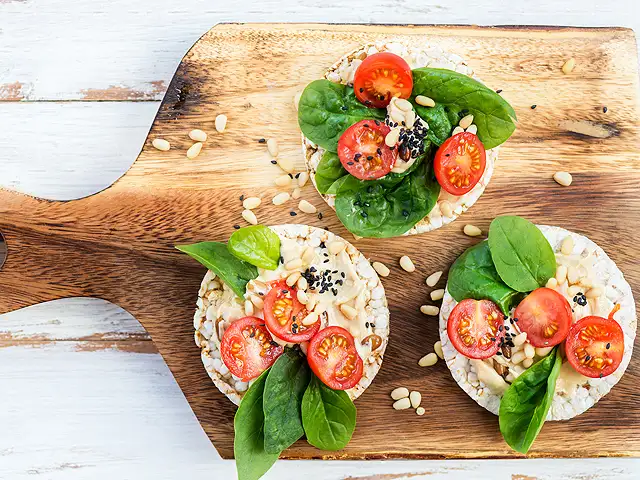
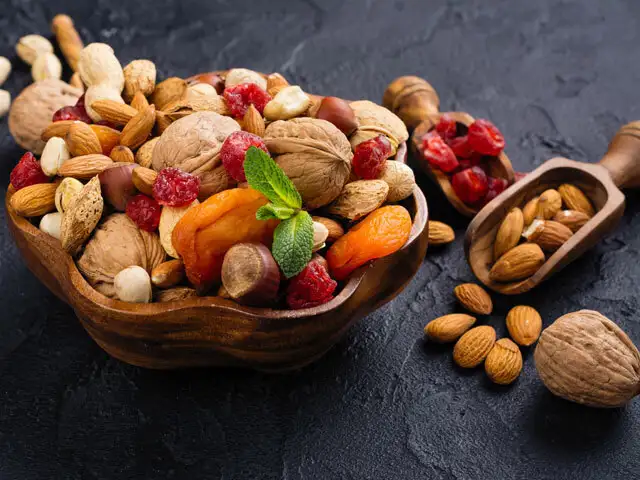
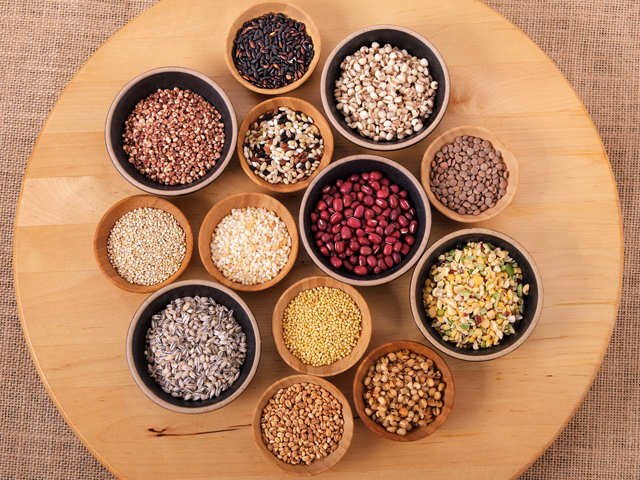
Dals, pulses, soyabean, tofu, nuts and oilseeds are good vegetarian sources of protein.
Adding proteins to your diet in the right quantity can have multiple health benefits including weight loss. But make sure you stay in the right range of the spectrum so that you don’t bring yourself any harm.
Anyone on a weight-loss mission will be looking for ways to cut down on food consumption, which means not feeling hungry too soon and also eating less. In other words, feeling satiated early enough while eating.
A good way to do this is to add protein to every meal. “High protein intake has a high satiety value,” said Dr Alan Almeida, consultant-nephrology, Hinduja Hospital, Mumbai.
Lowering the carbohydrate intake with this effort has added advantage. “High-protein, low-carbohydrate diet has its own benefits. It reduces the appetite as it helps reduce the levels of ghrelin (the hunger hormone). It increases the metabolism. So, protein’s ability to suppress appetite, promote fullness and increase metabolism results in weight loss,” said Deepti Tiwari, clinical nutritionist at CK Birla Hospital for Women, Gurugram.
Proteins must provide about 30-35% of calorie needs, 10-15% should come from fats of all three types (saturated, monounsaturated and polyunsaturated). BUILDING BLOCKS Protein is essential for building, maintaining and repairing the tissues in our body. It is essential for the absorption of iron and calcium. Also, “proteins promote healthy metabolism. Eating plenty of protein-rich foods helps keep the metabolism running,” Tiwari said. So, it is important to get this nutrient in the right amount day after day.
ADVERTISEMENT
Dals, pulses, soyabean, tofu, nuts and oilseeds are good vegetarian sources of protein. Non-vegetarian sources are milk and milk products, egg whites, lean meat (fish, chicken, etc.), said Almeida.
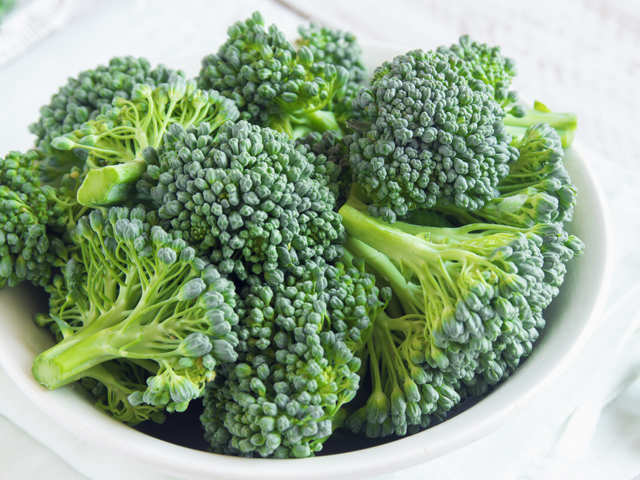
“Add nuts and seeds in your diet on a daily basis. Have beans, broccoli and eggs. Peanut butter is also a wonderful source of protein. There should always be a combination of plant and animal protein in the diet. Animal protein can come from fish, skinless poultry, lean beef and pork,” Tiwari said. It is good to opt for low-fat dairy products and avoid processed meat.
Dr Sunil Prakash, director, nephrology and renal transplant services, BLK Super Speciality Hospital, New Delhi, said: “Apart from pulses (dal, rajma, chana), legumes and lentils, cereals like rice, wheat, bajra, millets and ragi, especially combination sattu, are examples of protein-rich food.”
ADVERTISEMENT
KNOW THE SAFE LIMIT “On a daily basis, a normal person can have protein in the range of 1.5-2 gm per kg of body weight without any harm. It can be increased depending upon his/her physical activity,” Tiwari said.
Overdoing it, however, can put you in trouble. Prakash said: “In the protein-rich diet, kidneys need to work continuously in hyperfiltration mode due to excess intake. This causes increased renal hypertension, nephromegaly and subsequently sclerosis/damage of kidneys in the long term. As kidneys start getting damaged/scarred, over time it causes high BP, which leads to end-organ damage of the heart, eyes, brain, etc.”
ADVERTISEMENT
People with very high protein intake excrete calcium in their urine. This can lead to weak bones in the long term.
“Some high-protein diets restrict carbohydrate intake so much that they can result in nutritional deficiencies or insufficient fibre, which can cause problems such as bad breath, headache and constipation. Some high-protein diets include foods such as red meat and full-fat dairy products, which may increase your risk of heart disease,” Tiwari said.
Fish, Nuts, Fennel: Foods That Act As Natural Skin Cleansers And Keep Acne Away
1/11
Have acne trouble? A balanced diet along with a healthy lifestyle can help you curb it, say experts.
Preeti Seth, Cosmetologist, Pachouli Wellness Clinic, Delhi, and Prabhu Mishra, Senior Cosmetologist, SCI International Hospital (Delhi), tell what all one should eat to keep acne at bay.
Have acne trouble? A balanced diet along with a healthy lifestyle can help you curb it, say experts.
Preeti Seth, Cosmetologist, Pachouli Wellness Clinic, Delhi, and Prabhu Mishra, Senior Cosmetolog..
Read More
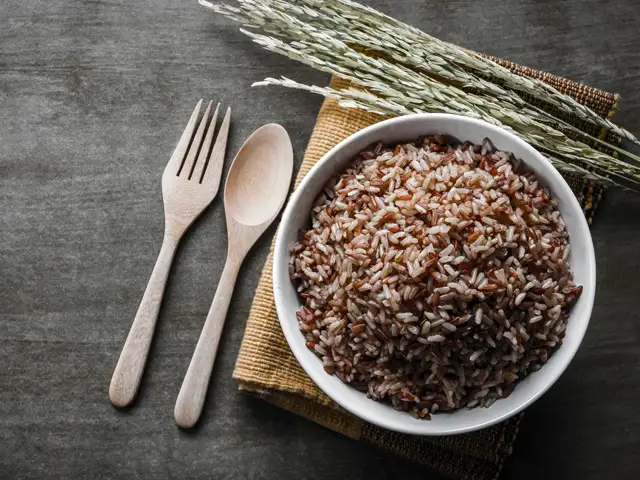
Brown rice is a rich source of vitamin B, protein, magnesium, and several antioxidants. For acne, vitamin B acts as our skin's stress fighter, which will help regulate hormones levels and prevent the likelihood of breakouts.
Brown rice is a rich source of vitamin B, protein, magnesium, and several antioxidants. For acne, vitamin B acts as our skin's stress fighter, which will help regulate hormones levels and prevent th..
Read More
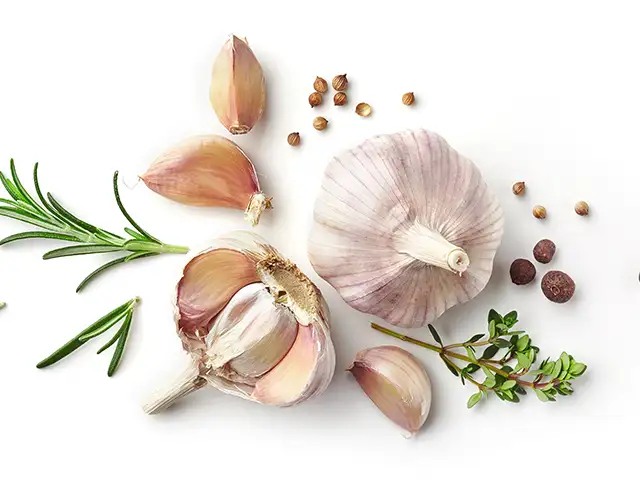
Garlic is another super food that helps fight inflammation. Garlic is full of a naturally occurring chemical called allicin, which kills off many harmful bacteria and viruses your body might be fighting, so its proven to be good for reducing inflammation in acnes.
Garlic is another super food that helps fight inflammation. Garlic is full of a naturally occurring chemical called allicin, which kills off many harmful bacteria and viruses your body might be figh..
Read More
It is the perfect skin clearing food. It contains health building properties like vitamins A, B complex, C, E, and K. These antioxidants fight radical damage which will assist with the luminosity of your skin.
It is the perfect skin clearing food. It contains health building properties like vitamins A, B complex, C, E, and K. These antioxidants fight radical damage which will assist with the luminosity of..
Read More
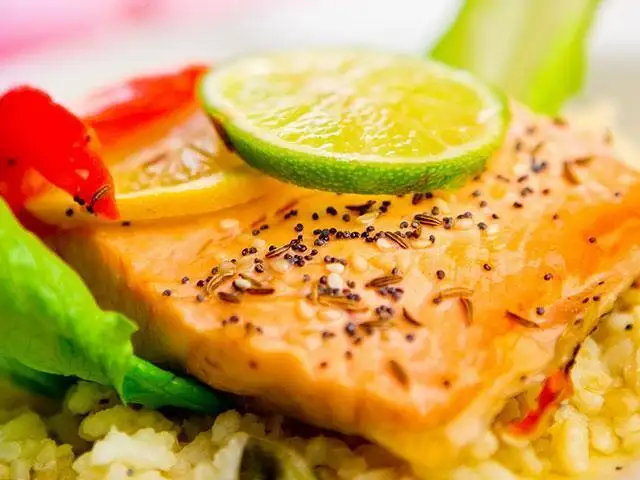
Known to be a very good source of omega-3 and 6-fatty acids, fish is excellent for an acne prone skin. These acids reduce inflammation in the skin. Sardine and salmon are very good for skin.
Known to be a very good source of omega-3 and 6-fatty acids, fish is excellent for an acne prone skin. These acids reduce inflammation in the skin. Sardine and salmon are very good for skin.
Deficiencies in minerals such as zinc and selenium have been linked to acne. Most nuts contain selenium, vitamin E, copper, magnesium, manganese, potassium, calcium and iron, which are all essential for healthy skin.
Deficiencies in minerals such as zinc and selenium have been linked to acne. Most nuts contain selenium, vitamin E, copper, magnesium, manganese, potassium, calcium and iron, which are all essential..
Read More
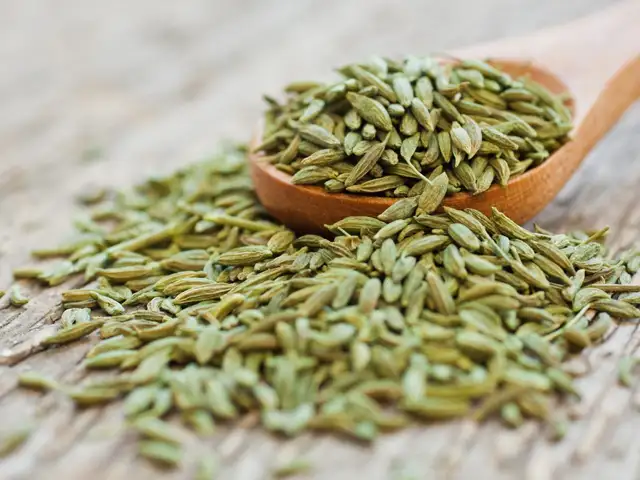
If you are looking for the perfect natural skin cleanser, eat fennel. This licorice-tasting root vegetable can improve digestion, reduce swelling and help to flush out excess fluids and toxins in your skin.
If you are looking for the perfect natural skin cleanser, eat fennel. This licorice-tasting root vegetable can improve digestion, reduce swelling and help to flush out excess fluids and toxins in yo..
Read More
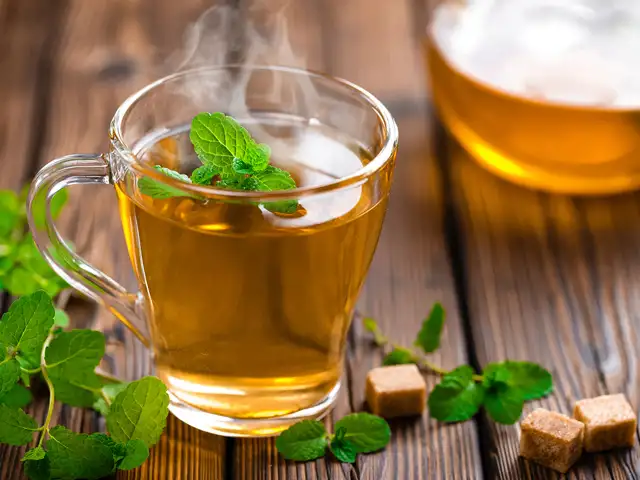
Many studies show that green tea helps fight acne. Drink more green tea throughout the day, and try applying cooled tea bags or a cloth dipped in cooled green tea to acne-prone areas of your face for 10-15 minutes.
Many studies show that green tea helps fight acne. Drink more green tea throughout the day, and try applying cooled tea bags or a cloth dipped in cooled green tea to acne-prone areas of your face fo..
Read More
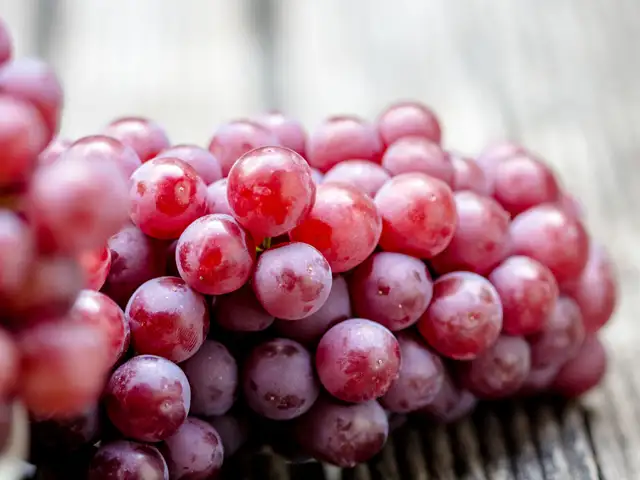
The fruit and seed contain powerful natural chemicals and antioxidants that have been shown to treat inflammatory skin conditions such as psoriasis and eczema. On top of this, grapes can also help to control the side effects of allergic reactions on skin.
The fruit and seed contain powerful natural chemicals and antioxidants that have been shown to treat inflammatory skin conditions such as psoriasis and eczema. On top of this, grapes can also help t..
Read More
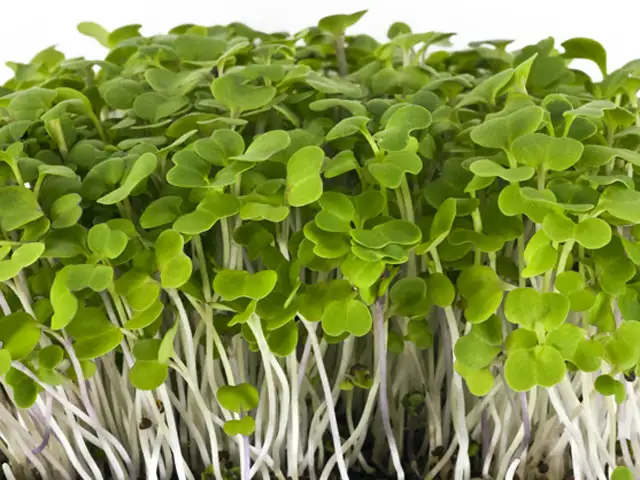
It looks like grass, but these sprouts are packed with valuable, skin-clearing nutrients. Alfalfa sprouts contain live enzymes which help fight inflammation. (Image: Pinterest)
It looks like grass, but these sprouts are packed with valuable, skin-clearing nutrients. Alfalfa sprouts contain live enzymes which help fight inflammation. (Image: Pinterest)
BALANCED DIET IS BEST Almeida advised a balanced meal pattern. He said: “An individual should have a diet with low fat, moderate protein, low-to-moderate carbohydrate and lot of fibre. It is not advisable for anyone to have a high-protein diet (more than his nutritional need).”
“Proteins must provide about 30-35% of calorie needs, 10-15% should come from fats of all three types (saturated, monounsaturated and polyunsaturated),” Prakash explained, recommending that we “consume complex carbs like cereals and more roughage as they slow glucose re-
DEALING WITH WEIGHT Don’t obsess with proteins if you want to lose weight. You must attain your goal through a combination of eating sensibly and getting the required amount of exercise regularly.
Prakash said, “Total calorie intake should be 300 calories less than the estimated requirement per day. For example, if someone needs 1,500 then he/she should take 1,200 calories. Only gradual and consistent weight loss will stay.” If you bank on fad diets to lose weight quickly, it inevitably comes back. You lose muscle and get fat in return. “Regular physical exercise is a must for all, especially middle-aged people. Around 30-40 minutes of daily brisk walk can be a good start. Increase it gradually and remain regular. Avoid unhealthy snacks, even tit bits of biscuits, chips, wafers, etc.,” Prakash advised.
Tiwari said, “There are many things we can do for a healthy life — maintaining the ideal body mass index, getting proper sleep and physical activity, controlling stress levels and a proper diet. I suggest switching to the diet of your grandparents. Start cooking your own food as it will be more nutritious than the ones ordered from outside. Stop eating late at night and packaged, ready-to-eat foods. Don’t skip meals.”
If the evening snack is a must for you, think hummus with salads, cutlets made of kala chana, paneer or soya, she added.
The Ultimate Health Guide: 6 Food Items To Keep Cholesterol In Control
1/7
By Ayush Rekha
The first step in having healthy cholesterol levels is examining your diet.
Here are some foods that can help keep your lipid profile in the desired range.
By Ayush Rekha
The first step in having healthy cholesterol levels is examining your diet.
Here are some foods that can help keep your lipid profile in the desired range.
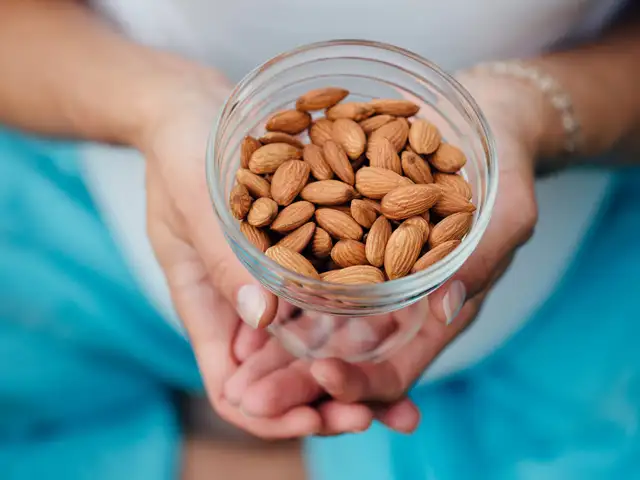
Rich in unsaturated fats, almonds help raise healthy (HDL) cholesterol and lower the unhealthy (LDL) one.
Rich in unsaturated fats, almonds help raise healthy (HDL) cholesterol and lower the unhealthy (LDL) one.
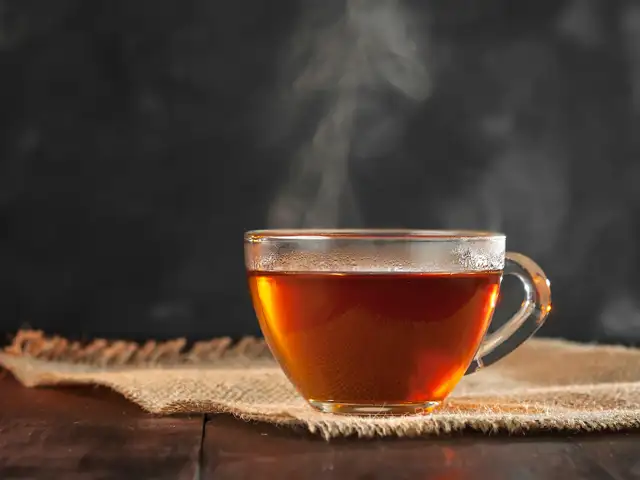
Both green and black tea can help lower cholesterol levels. Catechins in tea are responsible for this.
Both green and black tea can help lower cholesterol levels. Catechins in tea are responsible for this.
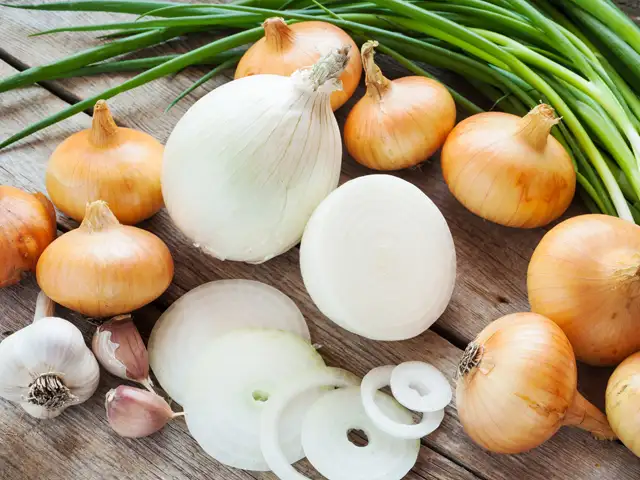
Garlic, spring onions and other onions can be used to lower cholesterol and protect the heart.
Garlic, spring onions and other onions can be used to lower cholesterol and protect the heart.
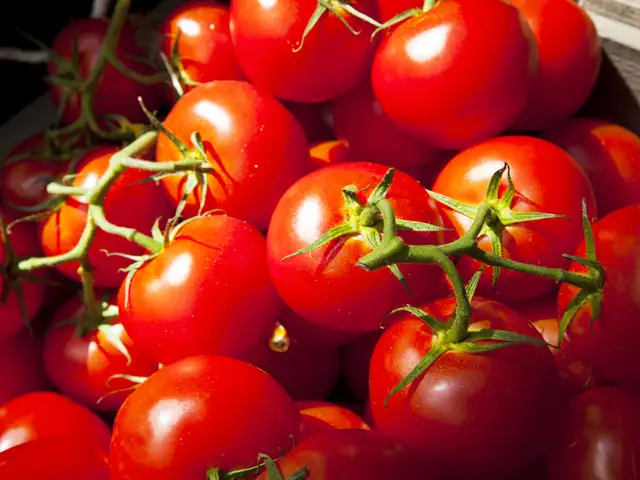
A significant source of lycopene, tomatoes are known to reduce LDL cholesterol levels.
A significant source of lycopene, tomatoes are known to reduce LDL cholesterol levels.
Soluble fibre in barley helps keep cholesterol levels in check without affecting HDL.
Soluble fibre in barley helps keep cholesterol levels in check without affecting HDL.
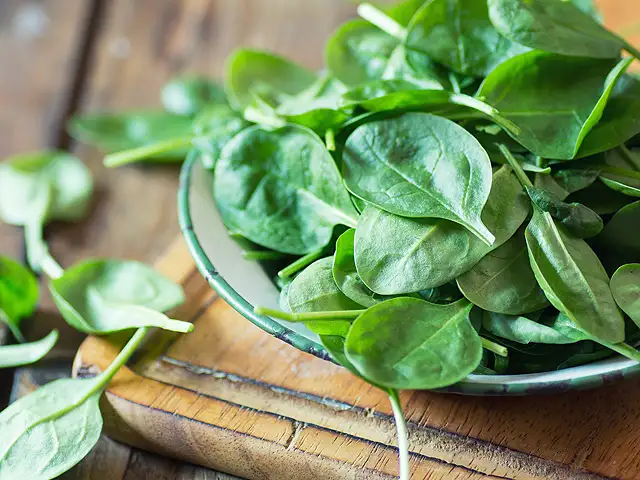
Spinach contains lutein, a carotenoid antioxidant that can lower levels of bad cholesterol.
Spinach contains lutein, a carotenoid antioxidant that can lower levels of bad cholesterol.