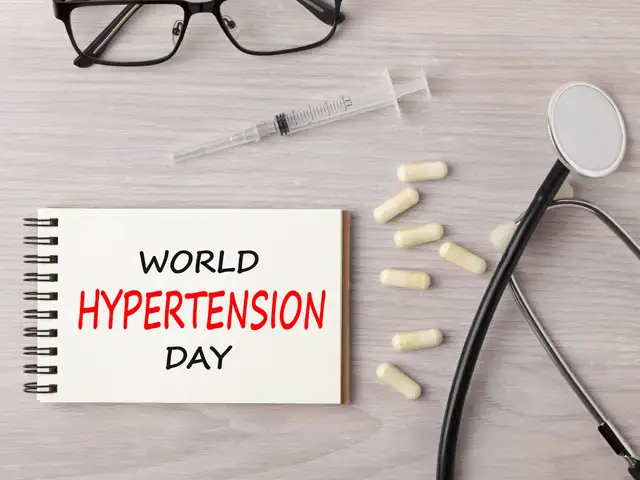
Check your sodium intake, excessive consumption may lead to hypertension, renal failure
Studies show that there has been a surge in the number of patients as young as 25-30 years seeking dialysis.
By ET CONTRIBUTORS | Updated:
Getty Images
Dr Kamlesh Parikh
Studies show that there has been a surge in the number of patients as young as 25-30 years seeking dialysis. Therefore, it is essential to follow an optimal diet.
High-salt diets generally tend to alter the sodium balance in the body, causing the kidneys to malfunction and retain excess water. This process puts strain on the kidneys and may even lead to renal failure.
The kidneys, through a process of osmosis, draw excess water out of the blood, which is why it is essential to maintain a proper balance of electrolytes such as sodium and potassium in the body.
Hypertension is another key driving factor for renal failure. There is a definite correlation between salt consumption and hypertension. Excess salt consumption may lead to hypertension, which in turn can cause kidney failure. Hypertension is the second leading cause of kidney failure in India. A diet that contains more than the recommended daily quantity of sodium increases blood pressure levels.
High blood pressure gradually damages the kidneys, causing kidney failure in the long run. On the other hand, if one controls his/her level of blood pressure by regulating salt intake, the chances of developing kidney disease are minimised. So, it is imperative to regulate the sodium intake in our diet to ensure good health of the kidneys.
ADVERTISEMENT
Eating junk food and too many cheesy, oily foods is resulting in widespread obesity and diabetes among millennials and young adults. Recent studies show that there has been a surge in the number of patients in the age group of 25-30 seeking dialysis. There-fore, it is essential to follow a diet that is optimal, flavourful and beneficial to the body. Here are a few tips to do this:
SAY ‘NO’ TO BINGE-EATING OF JUNK FOODS Eating oily foods and food items containing high amounts of cheese, butter, sugar and salt pose a serious threat to the kidneys. The first step to revamping the diet chart is to moderate the consumption of these food items.
REGULATE DIETARY SODIUM The advisable sodium intake is 5-6 grams per day, which is around a teaspoon of salt.
Those under dialysis or who have a history of chronic kidney disease (CKD) are strongly advised to avoid any food that contains over 250 mg of salt.
ADVERTISEMENT
Reduce your salt in food gradually. It is easier to cut your total salt consumption little by little rather than at once.
ADVERTISEMENT
REPLACE COLD CUTS WITH FRESH ONES Instead of purchasing packaged or processed meats, purchase fresh cuts of chicken, pork and beef. Processed or frozen meats, such as bacon or ham, contain higher quantities of sodium, whereas fresh meat contains natural sodium, which is much less. Any food item that stays fresh for a longer period of time in the fridge is believed to have high sodium content, which is used as a preservative, and thus must be avoided.
INCLUDE FRESH FRUITS & VEGGIES Add an array of freshly picked fruits and vegetables to your diet. They contain very little sodium and enrich overall physical well-being. While purchasing canned and frozen vegetables or fruits, ensure the label says 'fresh frozen' and does not contain any added seasoning or sauce.
READ LABELS RELIGIOUSLY
Globally, before purchasing food items, it is a thumb rule to read labels religiously. It is always safe to take a quick look at the ingredients before purchasing any food item. A few products contain high sugar content, which overshadows the salt proportion. Analyse several products to determine which one has the lowest sodium content. Also, while purchasing seasonings, select the ones that do not have sodium on their labels; for instance, garlic powder instead of garlic salt would be a safer choice.
When it comes to salt intake, less is certainly beneficial. Salt is an acquired taste and can be corrected. Refurbish your diet chart and align your taste buds to consume less quantities of sodium to ensure good health and a longer life.
—The writer is Consultant Nephrologist, Shreenath Clinic & NephroPlus Dialysis Center, Vadodara.
World Hypertension Day: How The Condition Affects You And Tips To Deal With It
1/7
Hypertension is an increasingly important medical and public health issue. As one ages, hypertension becomes almost inevitable. Its prevalence increases with advancing age to the point of being 50 per cent in people 60–69 years of age and approximately 75 percent in those 70 years of age and older. In fact the lifetime risk of developing hypertension is approximately 90 per cent for men and women who were non-hypertensive at 55 or 65 years, respectively.
Here are expert tips from Dr Santosh Kumar Dora, Senior Cardiologist, Asian Heart Institutes to deal with hypertension effectively:
Hypertension is an increasingly important medical and public health issue. As one ages, hypertension becomes almost inevitable. Its prevalence increases with advancing age to the point of being 50 pe..
Read More
- It can result in hardening and thickening of the heart arteries, leading to their narrowing and causing the heart to receive less blood supply.
- It can also cause heart attack. In fact persons who present with an acute heart attack often have pre-existing hypertension that evaded detection and treatment.
- It can cause abnormal thickening of heart muscle, the presence of which is a strong predictor of future cardiovascular death.
- High blood pressure puts more load on the heart and increases the amount of work that the heart has to do.
- It can result in hardening and thickening of the heart arteries, leading to their narrowing and causing the heart to receive less blood supply.
- It can also cause heart attack. In fact persons wh..
Read More
Eating a heart-healthy diet is important for managing your blood pressure and reducing your risk of heart attack, heart disease, stroke and other diseases. Aim to eat a diet that's rich in fruits, vegetables, whole grain and high fiber foods, fat free and low fat or 1 % dairy products etc. Avoid saturated and trans fats, excess salt and added sugar in your diet. DASH (Dietary approach to stop hypertension) diet pattern which contains low sodium, high potassium and rich in fruits and vegetables reduces by an average of 5.5 mm Hg for systolic and 3 mm Hg for diastolic blood pressure. For hypertensive patients, the reduction is 11.4 mm Hg for systolic and 5.5 for diastolic blood pressure. Low salt (< 1500 mg/day) further potentiates the reduction of blood pressure.
Eating a heart-healthy diet is important for managing your blood pressure and reducing your risk of heart attack, heart disease, stroke and other diseases. Aim to eat a diet that's rich in fruits, ve..
Read More
As your body weight increases, your blood pressure can rise. In fact, being overweight can make you more likely to develop high blood pressure than if you are at your desirable weight. You can reduce your risk of high blood pressure by losing weight. Even small amounts of weight loss can make a big difference in helping to prevent and treat high blood pressure. Studies conducted in obese hypertensive patients show a decrease in body weight by 1 kg resulted in a reduction of systolic and diastolic pressure by 1.2 and 1.0 mmHg, respectively.
As your body weight increases, your blood pressure can rise. In fact, being overweight can make you more likely to develop high blood pressure than if you are at your desirable weight. You can reduce..
Read More
Physical activity not only helps control your blood pressure, it also helps you manage your weight, strengthen your heart and manage your stress level.
Even moderately intense physical activity, such as brisk walking, is beneficial when done regularly for a total of 30 minutes or longer at least 5 days a week. Hiking or stair-climbing, jogging, running, bicycling, swimming, fitness classes, team sports, dance classes are some of the activities which can help you stay fit. Studies say that regular dynamic physical exercise for at least 30 minutes daily for most days of a week leads to 5 to 9 mm Hg reduction of systolic blood pressure.
Physical activity not only helps control your blood pressure, it also helps you manage your weight, strengthen your heart and manage your stress level.
Even moderately intense physical activity, suc..
Read More
Drinking too much alcohol can raise blood pressure to unhealthy levels. Having more than three drinks in one sitting temporarily increases your blood pressure, but repeated binge drinking can lead to long-term increases. If you have high blood pressure, avoid alcohol or drink alcohol only in moderation.
Drinking too much alcohol can raise blood pressure to unhealthy levels. Having more than three drinks in one sitting temporarily increases your blood pressure, but repeated binge drinking can lead to..
Read More
While smoking has not been conclusively proven to cause high blood pressure, each cigarette you smoke temporarily increases your blood pressure for many minutes after you finish. For your overall health and to reduce your risk for heart attack and stroke, avoid all forms of tobacco as well as secondhand smoke. Study has showed that smoking cessation leads to reduction of syslic blood pressure by 3.5 mm Hg and diastolic blood pressure by 1.9 mm Hg.
While smoking has not been conclusively proven to cause high blood pressure, each cigarette you smoke temporarily increases your blood pressure for many minutes after you finish. For your overall hea..
(Disclaimer: The opinions expressed in this column are that of the writer. The facts and opinions expressed here do not reflect the views of www.economictimes.com.)