Too much salt can kill you, literally!
Consuming a diet high in sodium may lead to heart diseases, and increase the risk of early death.
By PTI | Updated:

ThinkStock Photos
BOSTON: Consuming a diet high in sodium may lead to heart diseases, and increase the risk of early death, a study warns.
The research, published in the International Journal of Epidemiology, was carried on nearly 3,000 individuals with pre-hypertension or high blood pressure.
It confirms a linear relationship between eating food high in salt and mortality risk.
"Sodium is notoriously hard to measure. Sodium is hidden - you often don't know how much of it you are eating, which makes it hard to estimate how much a person has consumed from a dietary questionnaire," said Nancy Cook from Brigham and Women's hospital in the US.
"Sodium excretions are the best measure, but there are many ways of collecting those. In our work, we used multiple measures to get a more accurate picture," said Cook.
Sodium levels in urine can fluctuate throughout the day so an accurate measure of a person's sodium intake on a given day requires a full 24-hour sample, researchers said.
In addition, sodium consumption may change from day to day, meaning that the best way to get a full picture of sodium intake is to take samples on multiple days, they said.
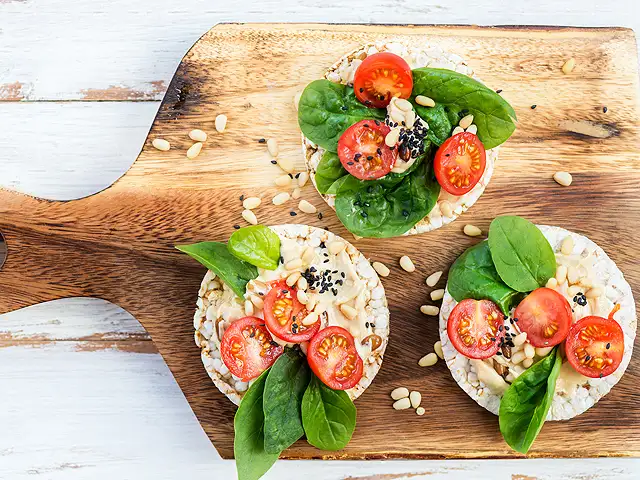
By Ayush Rekha
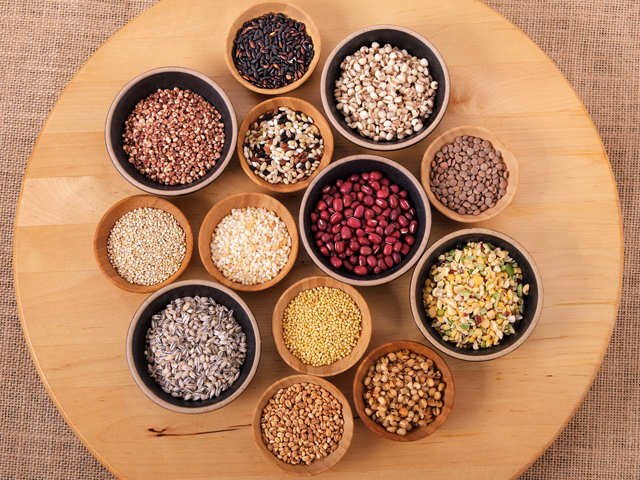
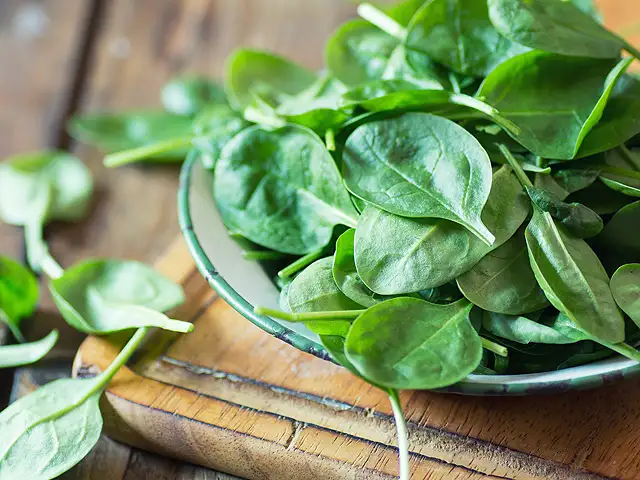
The first step in having healthy cholesterol levels is examining your diet.
Here are some foods that can help keep your lipid profile in the desired range.
Differing in their approach from other scientists, the team assessed sodium intake in multiple ways.
The methods included estimates based on the formulae including the Kawasaki formula, used in previous studies, as well as ones based on the gold-standard method, which uses the average of multiple, non-consecutive urine samples.
"Our findings indicate that inaccurate measurement of sodium intake could be an important contributor to the paradoxical J-shaped findings reported in some cohort studies," the researchers said.

If you have already been diagnosed with diabetes, here are 10 things to keep in mind when you travel by air.
The research, published in the International Journal of Epidemiology, was carried on nearly 3,000 individuals with pre-hypertension or high blood pressure.
It confirms a linear relationship between eating food high in salt and mortality risk.
"Sodium is notoriously hard to measure. Sodium is hidden - you often don't know how much of it you are eating, which makes it hard to estimate how much a person has consumed from a dietary questionnaire," said Nancy Cook from Brigham and Women's hospital in the US.
"Sodium excretions are the best measure, but there are many ways of collecting those. In our work, we used multiple measures to get a more accurate picture," said Cook.
Sodium levels in urine can fluctuate throughout the day so an accurate measure of a person's sodium intake on a given day requires a full 24-hour sample, researchers said.
ADVERTISEMENT
In addition, sodium consumption may change from day to day, meaning that the best way to get a full picture of sodium intake is to take samples on multiple days, they said.
The first step in having healthy cholesterol levels is examining your diet.
Here are some foods that can help keep your lipid profile in the desired range.
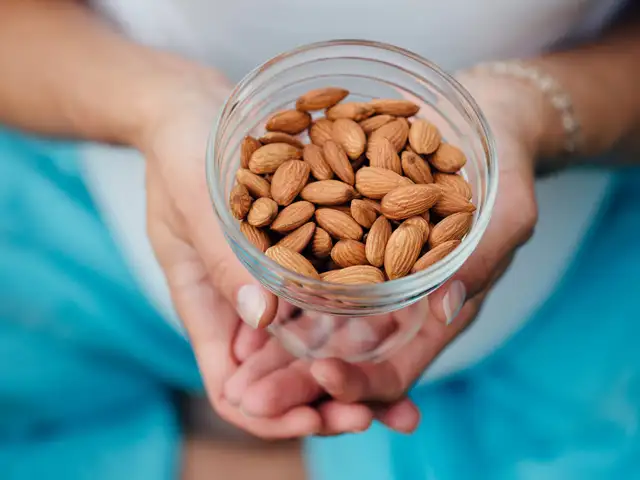

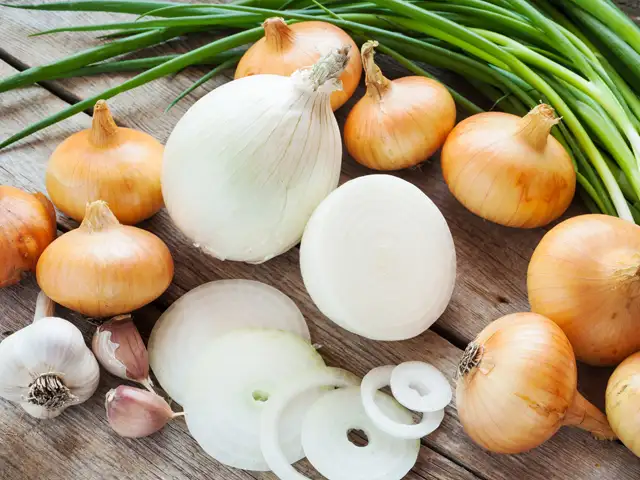
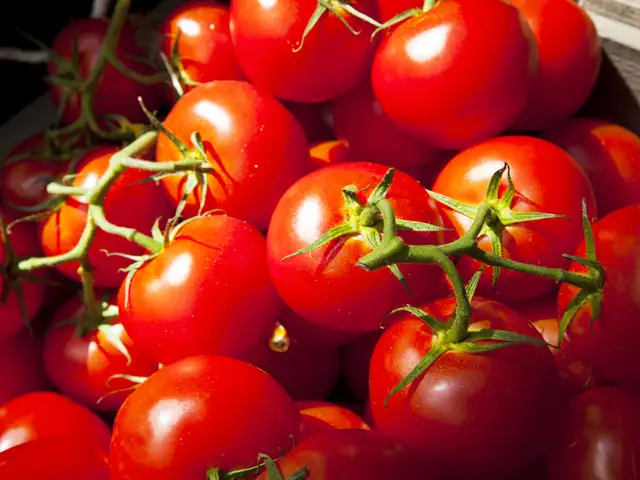

Differing in their approach from other scientists, the team assessed sodium intake in multiple ways.
The methods included estimates based on the formulae including the Kawasaki formula, used in previous studies, as well as ones based on the gold-standard method, which uses the average of multiple, non-consecutive urine samples.
ADVERTISEMENT
The researchers concluded that the gold-standard method showed a direct linear relationship between increased sodium intake and increased risk of death."Our findings indicate that inaccurate measurement of sodium intake could be an important contributor to the paradoxical J-shaped findings reported in some cohort studies," the researchers said.
ADVERTISEMENT
"Epidemiological studies should not associate health outcomes with unreliable estimates of sodium intake," they said.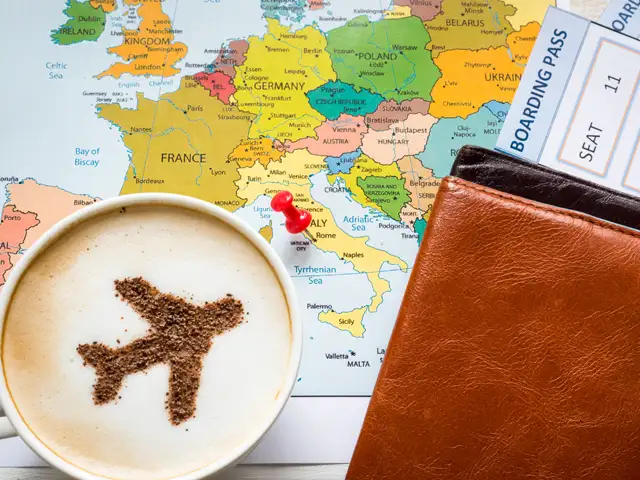





Download
The Economic Times Business News App for the Latest News in Business, Sensex, Stock Market Updates & More.
The Economic Times Business News App for the Latest News in Business, Sensex, Stock Market Updates & More.
ADVERTISEMENT


