Cap your daily salt intake at 2.5 teaspoons to keep heart safe
Any health risk of sodium is eliminated by adding fruits, vegetables, dairy foods, and other potassium-rich foods to your diet.
By PTI | Updated:

Getty Images
TORONTO: Consuming up to five grammes of salt a day, the equivalent of 2.5 teaspoons, may not increase the risk of heart attack and stroke, according to a study conducted in 18 countries, including India.
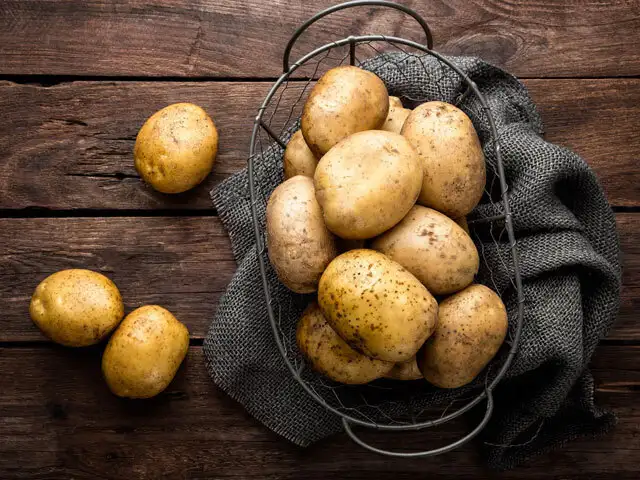
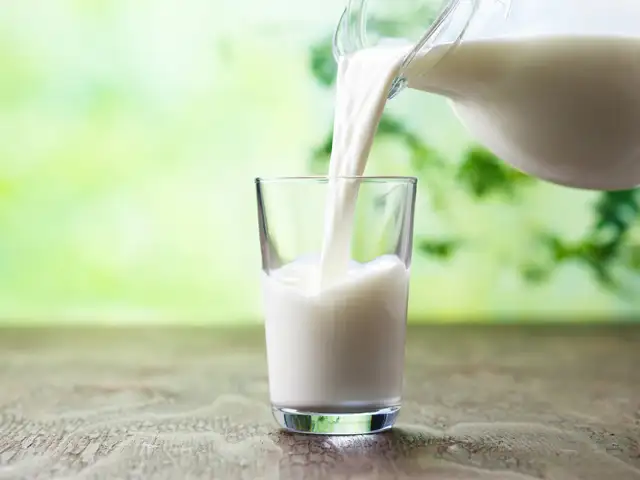
Any health risk of sodium intake is virtually eliminated if people improve their diet quality by adding fruits, vegetables, dairy foods, potatoes, and other potassium rich foods, according to the researchers from McMaster University in Canada.
The study, published in The Lancet journal, followed 94,000 people, aged 35 to 70, for an average of eight years in communities from 18 countries around the world.
It found that there is an associated risk of cardiovascular disease and strokes only where the average intake is greater than five grammes of sodium a day.
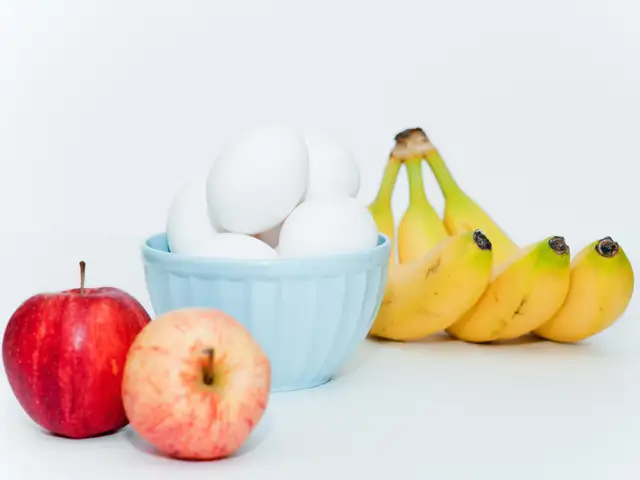
Heartburn can strike anyone, but it usually happens to those who are obese and eat big and untimely meals.
From coffee to chocolate, everything you eat may make heartburn worse. But there are also foods that can ease your heartburn.
Here are some of them for you by Ayush Rekha:
China was the only country in the study where 80 per cent of communities have a sodium intake of more than five grammes a day.
"The WHO recommends consumption of less than two grammes of sodium - that is one teaspoon of salt - a day as a preventative measure against cardiovascular disease," said Andrew Mente from McMaster University.
"But there is little evidence in terms of improved health outcomes that individuals ever achieve at such a low level," said Mente.
He added that the American Heart Association recommends even less - 1.5 grammes of sodium a day for individuals at risk of heart disease.
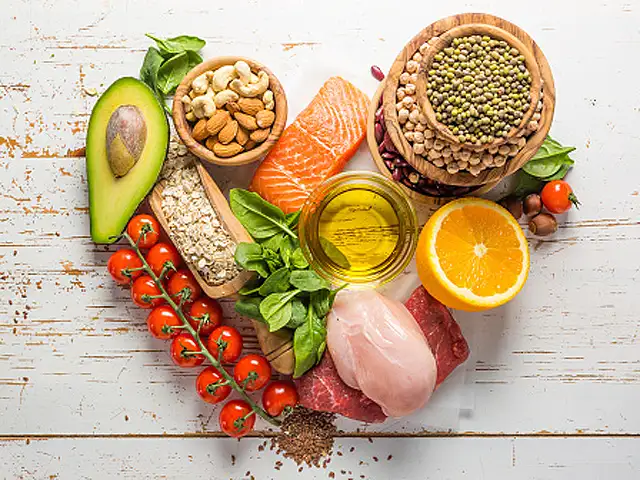
In times when lifestyle induced diseases are on the rise, it becomes important to understand the risk factors and work in the direction to eradicate them especially, if one has a family history of heart diseases.
Here are five smart ways listed by Anjali Malhotra, Chief Customer Marketing and Digital Officer Aviva Life insurance to prevent heart problems in today's busy life.
"Only in the communities with the most sodium intake - those over five grammes a day of sodium - which is mainly in China, did we find a direct link between sodium intake and major cardiovascular events like heart attack and stroke," Mente said.
"In communities that consumed less than five grammes of sodium a day, the opposite was the case. Sodium consumption was inversely associated with myocardial infarction or heart attacks and total mortality, and no increase in stroke," he said.
Most previous studies relating sodium intake to heart disease and stroke were based on individual-level information, said Martin O'Donnell, an associate clinical professor at McMaster.
"We found all major cardiovascular problems, including death, decreased in communities and countries where there is an increased consumption of potassium which is found in foods such as fruits, vegetables, dairy foods, potatoes and nuts and beans," Mente added.
Any health risk of sodium intake is virtually eliminated if people improve their diet quality by adding fruits, vegetables, dairy foods, potatoes, and other potassium rich foods, according to the researchers from McMaster University in Canada.
The study, published in The Lancet journal, followed 94,000 people, aged 35 to 70, for an average of eight years in communities from 18 countries around the world.
It found that there is an associated risk of cardiovascular disease and strokes only where the average intake is greater than five grammes of sodium a day.
From coffee to chocolate, everything you eat may make heartburn worse. But there are also foods that can ease your heartburn.
Here are some of them for you by Ayush Rekha:
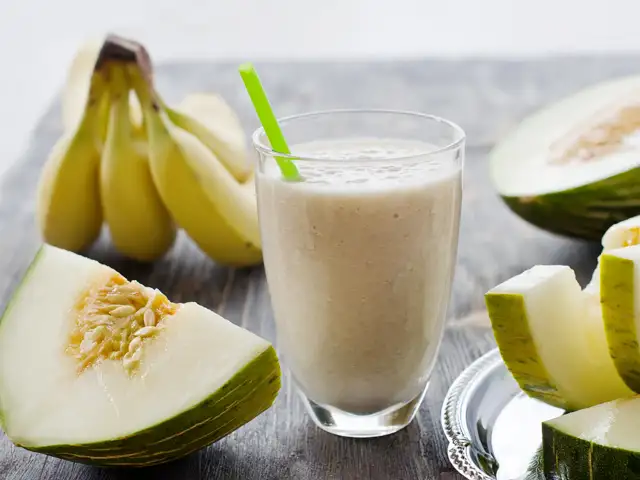
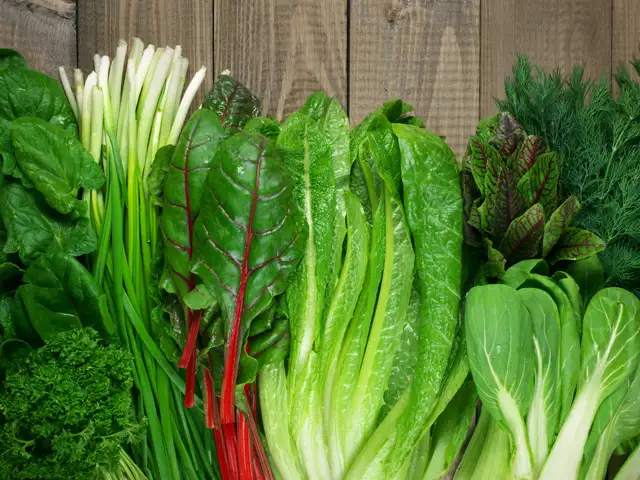
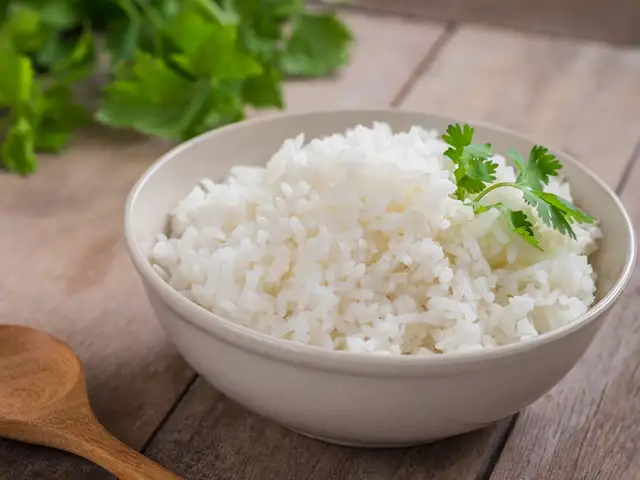

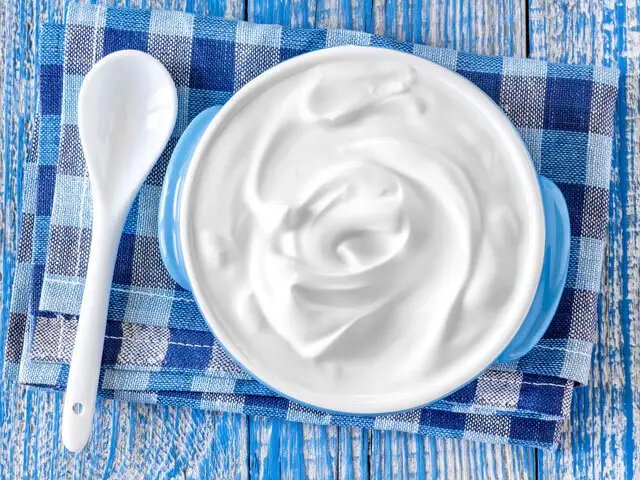


China was the only country in the study where 80 per cent of communities have a sodium intake of more than five grammes a day.
ADVERTISEMENT
In the other countries, the majority of the communities had an average sodium consumption of three to five grammes a day (equivalent to 1.5 to 2.5 teaspoons of salt)."The WHO recommends consumption of less than two grammes of sodium - that is one teaspoon of salt - a day as a preventative measure against cardiovascular disease," said Andrew Mente from McMaster University.
"But there is little evidence in terms of improved health outcomes that individuals ever achieve at such a low level," said Mente.
He added that the American Heart Association recommends even less - 1.5 grammes of sodium a day for individuals at risk of heart disease.
ADVERTISEMENT
Here are five smart ways listed by Anjali Malhotra, Chief Customer Marketing and Digital Officer Aviva Life insurance to prevent heart problems in today's busy life.





"Only in the communities with the most sodium intake - those over five grammes a day of sodium - which is mainly in China, did we find a direct link between sodium intake and major cardiovascular events like heart attack and stroke," Mente said.
"In communities that consumed less than five grammes of sodium a day, the opposite was the case. Sodium consumption was inversely associated with myocardial infarction or heart attacks and total mortality, and no increase in stroke," he said.
ADVERTISEMENT
Most previous studies relating sodium intake to heart disease and stroke were based on individual-level information, said Martin O'Donnell, an associate clinical professor at McMaster.
"We found all major cardiovascular problems, including death, decreased in communities and countries where there is an increased consumption of potassium which is found in foods such as fruits, vegetables, dairy foods, potatoes and nuts and beans," Mente added.
Download
The Economic Times Business News App for the Latest News in Business, Sensex, Stock Market Updates & More.
The Economic Times Business News App for the Latest News in Business, Sensex, Stock Market Updates & More.
ADVERTISEMENT


