Using Buy Now, Pay Later scheme for your purchase? This is what will happen if you default on payment
Most of these borrowers are either young consumers or people who do not have any formal credit line like credit cards or EMI cards for making payments. They are the most vulnerable to adverse impact of default on any new credit because of being un...
By Naveen Kumar, ET Online | Updated:

Getty Images
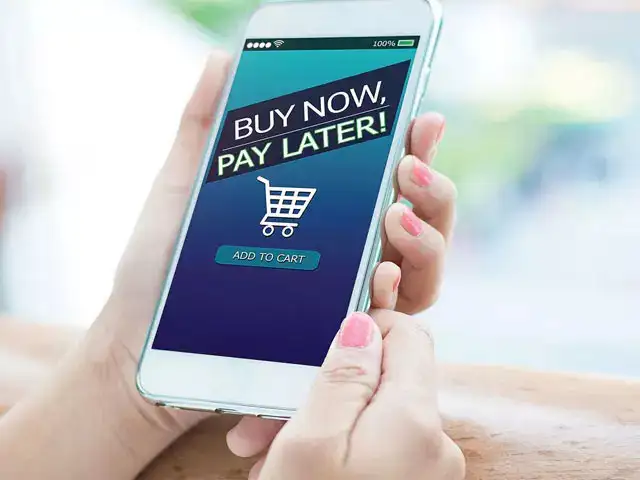
Buy Now, Pay Later (BNPL) schemes have gained currency among online shoppers, especially among young consumers during the pandemic. To cater to this rising demand many banks, ecommerce platforms and other lender have launched BNPL offers for the upcoming festive season. A large number of borrowers can now enjoy the short-term credit offered through BNPL even without a credit history.
Before opting for such a scheme, do keep in mind that you need to able to make the repayments of the BNPL offer on time. Or else, like any other loan default, it can have negative consequences, i.e., a default can impact your credit score.
Why it matters more to young and new borrowers
Credit score gives an indication of how disciplined a borrower has been in repaying his/her loans. Most traditional lenders like banks and non-banking finance companies (NBFCs) rely on credit score data before approving a conventional loan or credit line to a borrower. However, New-To-Credit (NTC) are those prospective borrowers who have never taken a loan, or any other credit line, hence, do not have any credit history that a lender can assess. So, for such borrowers the propensity to avail a credit option like BNPL remains higher and this is the reason they are the focus segment of BNPL lenders.
Most of these are either young consumers or people who do not have any formal credit line like credit cards or EMI cards for making payments. This is the reason why this group is most vulnerable to adverse impact of default on any new credit because of being unfamiliar with credit and the consequences of default. So, if you belong to this group you need to make sure you do not default on the payments if you opt for a BNPL scheme to make a purchase.
Repayment of BNPL is tracked and reported to the credit bureau
BNPL offers short term credit through credit free period ranging from 15 days to 45 days after which the borrowers are required to pay the entire due amount. If you think that it's a small credit and hence any default will not have any consequences, then you are wrong.
Also Read: Watch out for these costs in Buy Now, Pay Later schemes
For instance, according to the terms and conditions of ICICI Bank's Pay Later, "In the event the Total Amount Due is not paid within the Payment Due Date, it shall be construed as a default by the PayLater Customer and he/she shall become liable to pay the amount together with default interest and late payment charges as specified in the next month's account statement."
Similar to any formal credit like a loan or credit card, the repayment track record of all borrowers using BNPL is reported to the credit bureaus. "BNPL which are offered in partnership with Banks and NBFCs. are reported to credit bureaus and repayment behaviour of the same impacts bureau score," says Anurag Sinha, Cofounder & CEO, OneScore, a credit score management platform. So, any complacency in terms of default may stick to your credit history which would not only bring down your credit score but could raise the cost of future credit steeply and in worst case it may also prevent you from accessing credit in the future.
Factors that may prevent you from accessing BNPL facility
"BNPL players are partnering with large ecommerce players in order to access some basic yet key information about the customer like their purchase history, payment behaviour etc.," says Vishal Maru, Senior Vice President- Merchant Payment Services, Loyalty and Digital Payments, Worldline India
It can also include your income profile and payment behavior. "Some of the most widely used approaches are income-based assessment, bank statement-based assessment. There are lenders who also use alternate data such as telecom, vehicle ownership etc. to assess NTC customers," says Sinha.
Take your digital and social media footprints seriously
In the age of smartphones and low internet cost the use of online social media and other digital platforms has been continuously rising. This increases the digital footprints which can be traced by the others. Many lenders have developed tools to analyse these digital footprints and predict the creditworthiness of the user.
"CASHe's proprietary credit evaluation framework, the Social Loan Quotient (SLQ), uses a combination of Big Data Analytics and proprietary AI based algorithms to evaluate traditional inputs and the user's digital footprint to measure their credit worthiness. SLQ is both dynamic and forward looking by design as it measures a borrower's propensity to default based on their current behavioural information," says Yogi Sadana, CEO, CASHe, an instant lending fintech player.
So, what kind of digital data do these lenders look at while evaluating the creditworthiness of the borrowers? "These include the digital footprint of the customer, identity triangulation through multiple sources (Aadhaar, NSDL, bureau, banking profile etc), looking at banking debits and credits, prior purchase history and other data points such as utility bill payments etc to understand both credit worthiness of the customer as well as having a robust fraud-prevention engine in the background," Krishnan Vishwanathan, CEO & Founder, Kissht, an instant lending fintech player.
Beside many other factors, your social media activity is also taken into consideration while assessing your creditworthiness. "It is linked to a number of data points that include borrowers online and offline data like his mobile and social media footprint, education, remuneration, career and also financial history. The scores are generated in real-time which enables the customer to know, within a few seconds, if he qualifies for a loan with CASHe or not," says Sadana.
Smaller credit limit to NTC borrowers: Though a BNPL lender is liberal in giving credit to new borrowers, however, the credit amount remains lower in the beginning. "Based on these basic background checks, customers are offered line of credit option for a small ticket size to begin with, further eligibility increases with time," says Maru.
Borrowers with low credit scores get BNPL access but at higher cost
While many traditional lenders may reject the borrowers who have low credit score, the chances of such borrowers getting credit through BNPL is higher because BNPL players depend on their internal assessment besides the credit score.
"Given the segment we target (lower income and self-employed), these households are often susceptible to disruptions in income that results in poor credit profile. These borrowers are not inherently risky and a lender needs to offer a product that is flexible from a repayment standpoint to ensure it is of maximum relevance. If the product is constructed the right way - these customers find it easy to manage their repayments," says Vishwanathan.
However, the rate of interest which is charged to these borrowers is on the higher side. "Risk is inherent in the business, and we understand credit losses will happen. The pricing ensures that such risks are baked in to ensure the company can still generate profits," says Vishwanathan.
Before opting for such a scheme, do keep in mind that you need to able to make the repayments of the BNPL offer on time. Or else, like any other loan default, it can have negative consequences, i.e., a default can impact your credit score.
Why it matters more to young and new borrowers
Credit score gives an indication of how disciplined a borrower has been in repaying his/her loans. Most traditional lenders like banks and non-banking finance companies (NBFCs) rely on credit score data before approving a conventional loan or credit line to a borrower. However, New-To-Credit (NTC) are those prospective borrowers who have never taken a loan, or any other credit line, hence, do not have any credit history that a lender can assess. So, for such borrowers the propensity to avail a credit option like BNPL remains higher and this is the reason they are the focus segment of BNPL lenders.
Most of these are either young consumers or people who do not have any formal credit line like credit cards or EMI cards for making payments. This is the reason why this group is most vulnerable to adverse impact of default on any new credit because of being unfamiliar with credit and the consequences of default. So, if you belong to this group you need to make sure you do not default on the payments if you opt for a BNPL scheme to make a purchase.
Repayment of BNPL is tracked and reported to the credit bureau
BNPL offers short term credit through credit free period ranging from 15 days to 45 days after which the borrowers are required to pay the entire due amount. If you think that it's a small credit and hence any default will not have any consequences, then you are wrong.
Also Read: Watch out for these costs in Buy Now, Pay Later schemes
For instance, according to the terms and conditions of ICICI Bank's Pay Later, "In the event the Total Amount Due is not paid within the Payment Due Date, it shall be construed as a default by the PayLater Customer and he/she shall become liable to pay the amount together with default interest and late payment charges as specified in the next month's account statement."
Similar to any formal credit like a loan or credit card, the repayment track record of all borrowers using BNPL is reported to the credit bureaus. "BNPL which are offered in partnership with Banks and NBFCs. are reported to credit bureaus and repayment behaviour of the same impacts bureau score," says Anurag Sinha, Cofounder & CEO, OneScore, a credit score management platform. So, any complacency in terms of default may stick to your credit history which would not only bring down your credit score but could raise the cost of future credit steeply and in worst case it may also prevent you from accessing credit in the future.
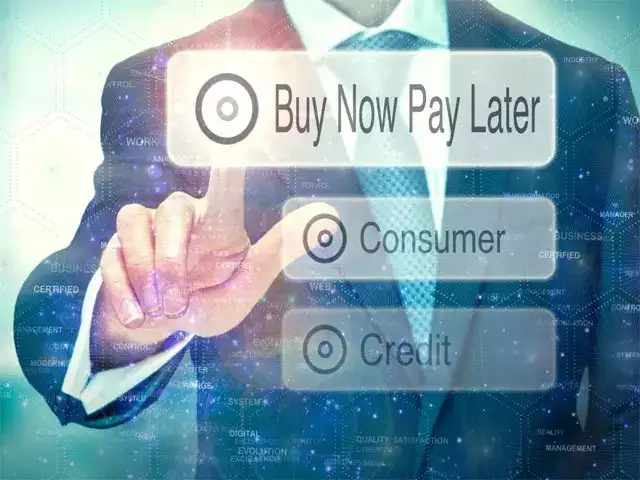
Buy Now, Pay Later (BNPL) payment schemes have gained favour among online shoppers, especially among the younger ones amid the pandemic. To cater to this booming demand, many banks, ecommerce platforms and other lenders have launched BNPL offers. A large number of borrowers can now enjoy the short-term credit offered through BNPL even without a credit history.
Before opting for such a scheme, keep in mind these 5 pointers about the buzzing money trend.


Factors that may prevent you from accessing BNPL facility
ADVERTISEMENT
BNPL players who are lending to NTC borrowers do not depend much upon credit score, as lenders do the credit assessment through alternative tools. The most basic information that a BNPL lender relies on is the past purchase behavior of the customer with the merchant, if any."BNPL players are partnering with large ecommerce players in order to access some basic yet key information about the customer like their purchase history, payment behaviour etc.," says Vishal Maru, Senior Vice President- Merchant Payment Services, Loyalty and Digital Payments, Worldline India
ADVERTISEMENT
This data is not only used to approve credit but also to decide the amount of credit given to the borrower. "LazyPay uses analytics to understand a consumer's background and get insights on their purchase behaviour to determine their spending limit. This process is independent of a person's credit score and hence is more inclusive for new-to-credit consumers," says Anup Agrawal, Business Head, LazyPay, a BNPL lender.It can also include your income profile and payment behavior. "Some of the most widely used approaches are income-based assessment, bank statement-based assessment. There are lenders who also use alternate data such as telecom, vehicle ownership etc. to assess NTC customers," says Sinha.
Take your digital and social media footprints seriously
In the age of smartphones and low internet cost the use of online social media and other digital platforms has been continuously rising. This increases the digital footprints which can be traced by the others. Many lenders have developed tools to analyse these digital footprints and predict the creditworthiness of the user.
"CASHe's proprietary credit evaluation framework, the Social Loan Quotient (SLQ), uses a combination of Big Data Analytics and proprietary AI based algorithms to evaluate traditional inputs and the user's digital footprint to measure their credit worthiness. SLQ is both dynamic and forward looking by design as it measures a borrower's propensity to default based on their current behavioural information," says Yogi Sadana, CEO, CASHe, an instant lending fintech player.
So, what kind of digital data do these lenders look at while evaluating the creditworthiness of the borrowers? "These include the digital footprint of the customer, identity triangulation through multiple sources (Aadhaar, NSDL, bureau, banking profile etc), looking at banking debits and credits, prior purchase history and other data points such as utility bill payments etc to understand both credit worthiness of the customer as well as having a robust fraud-prevention engine in the background," Krishnan Vishwanathan, CEO & Founder, Kissht, an instant lending fintech player.
Beside many other factors, your social media activity is also taken into consideration while assessing your creditworthiness. "It is linked to a number of data points that include borrowers online and offline data like his mobile and social media footprint, education, remuneration, career and also financial history. The scores are generated in real-time which enables the customer to know, within a few seconds, if he qualifies for a loan with CASHe or not," says Sadana.
Smaller credit limit to NTC borrowers: Though a BNPL lender is liberal in giving credit to new borrowers, however, the credit amount remains lower in the beginning. "Based on these basic background checks, customers are offered line of credit option for a small ticket size to begin with, further eligibility increases with time," says Maru.
Borrowers with low credit scores get BNPL access but at higher cost
While many traditional lenders may reject the borrowers who have low credit score, the chances of such borrowers getting credit through BNPL is higher because BNPL players depend on their internal assessment besides the credit score.
"Given the segment we target (lower income and self-employed), these households are often susceptible to disruptions in income that results in poor credit profile. These borrowers are not inherently risky and a lender needs to offer a product that is flexible from a repayment standpoint to ensure it is of maximum relevance. If the product is constructed the right way - these customers find it easy to manage their repayments," says Vishwanathan.
However, the rate of interest which is charged to these borrowers is on the higher side. "Risk is inherent in the business, and we understand credit losses will happen. The pricing ensures that such risks are baked in to ensure the company can still generate profits," says Vishwanathan.
Download
The Economic Times Business News App for the Latest News in Business, Sensex, Stock Market Updates & More.
The Economic Times Business News App for the Latest News in Business, Sensex, Stock Market Updates & More.
Related Articles
 5 things to know about buy now, pay later schemes
ADVERTISEMENT




