How Indian startups motivating its employees to start their own ventures
At least 200 new ventures have been founded by employees of Indian startups as of this month, estimates research firm Tracxn!.

Indian startups are emerging as the most productive incubators for entrepreneurs. The intense experience at these firms is giving their employees the confidence and motivation to start ventures of their own. The top startups have collectively spawned at least 200 new ventures.
As head of international operations for Zomato, it was an in tense experience for Albinder Dhindsa. In two years, the restaurant discovery platform had expanded from India into Dubai, and then quickly across a range of countries, from New Zealand to the United Kingdom.
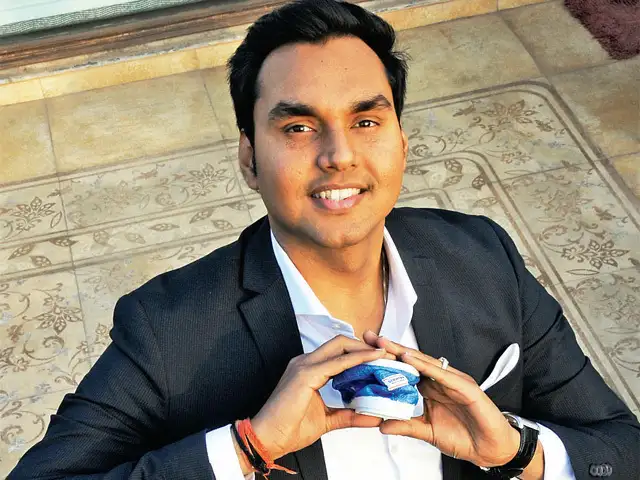
Dhindsa had joined Zomato in December 2011, when it was still in its infancy. He had seen the good phases and the bad. And all of those learnings gave him the confidence to want to step out and do something on his own. So, in late 2013, with friend Saurabh Kumar, the 32-year-old started a hyperlocal delivery app called Grofers. It helped that Zomato co-founder Deepinder Goyal, a batchmate of Dhindsa's from IIT-Delhi, supported his move from the beginning and even financially backed him.
“Goyal's endorsement made a world of difference. And because of my experience in Zomato, I tend to make fewer mistakes now with my own business,“ says Dhindsa.
The phenomenal learning that a fastgrowing startup provides is encouraging many young Indians to break away from the ventures they are working for to spawn a new generation of companies, a trend that is significantly boosting the entrepreneurial ecosystem. These transitions are aided by the greater amount of capital now available, and sometimes by the fact that startup bosses encourage such moves, having themselves taken such bold steps in the past.
At least 200 new ventures have been founded by employees of Indian startups as of this month, estimates research firm Tracxn!. That study finds that mobile ad network InMobi has spawned the largest number of startups (27), followed by ecommerce leader Flipkart (24), fashion etailer Myntra (17), internet domain name registrar Directi (15), and real estate portal Housing.com (14).
The phenomenon is similar to that in Silicon Valley, where the term PayPal Mafia was coined to describe the large group of PayPal employees who went on to found other ventures.
INTENSE LEARNING
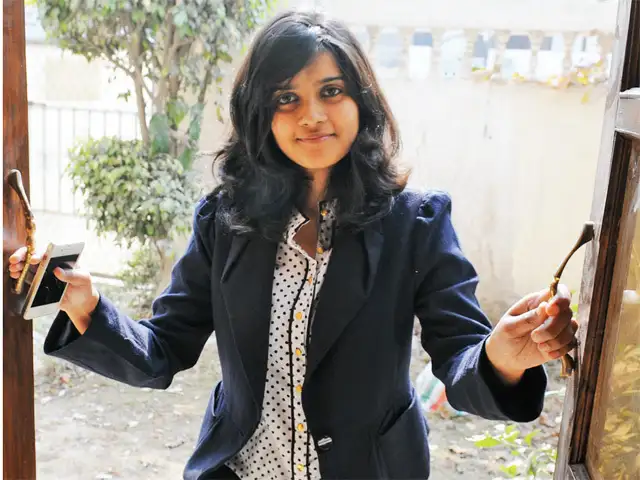
Employees at startups often get so much responsibility that they quickly gain experience in running large operations. Harmin Shah, who worked at Housing.com before starting Handyhome.in, an app that offers repair services for electronics, says the work culture at a startup is very dynamic and improves one's productivity substantially. “At Housing, from a very early stage I was taught many things, including how to prepare a business model and how to present a product,“ says the 23-year-old IITBombay graduate.
Rajeev Goel, co-founder & CEO at Pubmatic, an 8-year-old advertising tech firm that has produced a dozen startups, says India for long had strong technical talent, but lacked managerial and entrepreneurial expertise. That has changed with the rapid growth of startups. “We value creativity and innovation and encourage our employees to pursue projects that are consistent with these values,“ says Goel.
Mumbai-based Housing.com is barely three years old, but has already spawned some 14 new ventures. “We always encour age people who want to solve a problem through their ideas. A stint at startups gives you a closer look at what entrepreneurial DNA is all about, how entrepreneurs think and work. And once someone gets first-hand experience of this, it acts like a motivation for them to build their own ventures,“ says Advitiya Sharma, cofounder at Housing.
Mukesh Bansal, co-founder of Myntra, says when he initially hired people for Myntra they all had the mindset of an entrepreneur because an early-stage company required them to take risks. As the company grew, many got energized by its success to do their own ventures. “We are extremely welcoming of this. All I tell those people is that they should have conviction in their idea and be mentally prepared to start on their own,“ he says.
LARGE FUNDS
The larger amount of funds now available for startups is also helping. Dev Khare, MD at Lightspeed Venture Partners, says it's much easier today to start and scale, thanks to an abundance of early-stage funding that is available at least in consumer internet businesses.
Khare calls this the second generation of Indian startup mafias; those like MakeMyTrip and Naukri constitute the first.The numbers spawned by the first gen weren't so many though. Sachin Bhatia, co-founder at MakeMyTrip, says in his 10 years at the travel site, not many employees started out on their own as there weren't many opportunities then. “Also, Indian founders stick around for much longer, unlike in the Valley where they exit in 2-4 years and do multiple ventures subsequently,“ says Bhatia, who recently launched dating app Truly Madly along with Hitesh Dhingra, co-founder of Lets Buy , which was bought by Flipkart.
Today's youngsters are seen to work at startups with a plan to move out and do their own venture. “They come in, ask for challenging roles, work at breakneck speed and quit in a year or two. The stints are therefore getting shorter,“ says Anand Lunia, founder & partner at seed-stage fund India Quotient.
Xitij Kothi, 26, an IIT-Bombay alumnus who left Flipkart where he was managing multiple categories to launch Parcelled, an online courier booking service, says the learning curve was very steep at Flipkart. “People put a lot of trust in you so you are pushed to manage various aspects of business early on,“ he says. This generates extraordinary confidence in a very short time.
As head of international operations for Zomato, it was an in tense experience for Albinder Dhindsa. In two years, the restaurant discovery platform had expanded from India into Dubai, and then quickly across a range of countries, from New Zealand to the United Kingdom.
Dhindsa had joined Zomato in December 2011, when it was still in its infancy. He had seen the good phases and the bad. And all of those learnings gave him the confidence to want to step out and do something on his own. So, in late 2013, with friend Saurabh Kumar, the 32-year-old started a hyperlocal delivery app called Grofers. It helped that Zomato co-founder Deepinder Goyal, a batchmate of Dhindsa's from IIT-Delhi, supported his move from the beginning and even financially backed him.
“Goyal's endorsement made a world of difference. And because of my experience in Zomato, I tend to make fewer mistakes now with my own business,“ says Dhindsa.
The phenomenal learning that a fastgrowing startup provides is encouraging many young Indians to break away from the ventures they are working for to spawn a new generation of companies, a trend that is significantly boosting the entrepreneurial ecosystem. These transitions are aided by the greater amount of capital now available, and sometimes by the fact that startup bosses encourage such moves, having themselves taken such bold steps in the past.
At least 200 new ventures have been founded by employees of Indian startups as of this month, estimates research firm Tracxn!. That study finds that mobile ad network InMobi has spawned the largest number of startups (27), followed by ecommerce leader Flipkart (24), fashion etailer Myntra (17), internet domain name registrar Directi (15), and real estate portal Housing.com (14).
ADVERTISEMENT
The phenomenon is similar to that in Silicon Valley, where the term PayPal Mafia was coined to describe the large group of PayPal employees who went on to found other ventures.
INTENSE LEARNING
Employees at startups often get so much responsibility that they quickly gain experience in running large operations. Harmin Shah, who worked at Housing.com before starting Handyhome.in, an app that offers repair services for electronics, says the work culture at a startup is very dynamic and improves one's productivity substantially. “At Housing, from a very early stage I was taught many things, including how to prepare a business model and how to present a product,“ says the 23-year-old IITBombay graduate.
Rajeev Goel, co-founder & CEO at Pubmatic, an 8-year-old advertising tech firm that has produced a dozen startups, says India for long had strong technical talent, but lacked managerial and entrepreneurial expertise. That has changed with the rapid growth of startups. “We value creativity and innovation and encourage our employees to pursue projects that are consistent with these values,“ says Goel.
ADVERTISEMENT
Mumbai-based Housing.com is barely three years old, but has already spawned some 14 new ventures. “We always encour age people who want to solve a problem through their ideas. A stint at startups gives you a closer look at what entrepreneurial DNA is all about, how entrepreneurs think and work. And once someone gets first-hand experience of this, it acts like a motivation for them to build their own ventures,“ says Advitiya Sharma, cofounder at Housing.
Mukesh Bansal, co-founder of Myntra, says when he initially hired people for Myntra they all had the mindset of an entrepreneur because an early-stage company required them to take risks. As the company grew, many got energized by its success to do their own ventures. “We are extremely welcoming of this. All I tell those people is that they should have conviction in their idea and be mentally prepared to start on their own,“ he says.
ADVERTISEMENT
LARGE FUNDS
The larger amount of funds now available for startups is also helping. Dev Khare, MD at Lightspeed Venture Partners, says it's much easier today to start and scale, thanks to an abundance of early-stage funding that is available at least in consumer internet businesses.
Khare calls this the second generation of Indian startup mafias; those like MakeMyTrip and Naukri constitute the first.The numbers spawned by the first gen weren't so many though. Sachin Bhatia, co-founder at MakeMyTrip, says in his 10 years at the travel site, not many employees started out on their own as there weren't many opportunities then. “Also, Indian founders stick around for much longer, unlike in the Valley where they exit in 2-4 years and do multiple ventures subsequently,“ says Bhatia, who recently launched dating app Truly Madly along with Hitesh Dhingra, co-founder of Lets Buy , which was bought by Flipkart.
Today's youngsters are seen to work at startups with a plan to move out and do their own venture. “They come in, ask for challenging roles, work at breakneck speed and quit in a year or two. The stints are therefore getting shorter,“ says Anand Lunia, founder & partner at seed-stage fund India Quotient.
Xitij Kothi, 26, an IIT-Bombay alumnus who left Flipkart where he was managing multiple categories to launch Parcelled, an online courier booking service, says the learning curve was very steep at Flipkart. “People put a lot of trust in you so you are pushed to manage various aspects of business early on,“ he says. This generates extraordinary confidence in a very short time.
Download
The Economic Times Business News App for the Latest News in Business, Sensex, Stock Market Updates & More.
The Economic Times Business News App for the Latest News in Business, Sensex, Stock Market Updates & More.

Text: Rajiv Singh, ET Bureau
These are just three of the 10 offbeat startups we’ve deep-dived into; just three of the 800-odd startups added every year; and just three of the over 3,000 startups that are trying to make it big in India.
The 10 that we’ve picked are novel, but being different or a first mover is no guarantee of being the best mover — or moving at all a few years later.
These are just three of the 10 offbeat startups we’ve deep-dived into; just three of the 800-odd startups added every year; and just three of the over 3,000 startups that are trying to make it big in India.
The 10 that we’ve picked are novel, but being different or a first mover is no guarantee of being the best mover — or moving at all a few years later.






ADVERTISEMENT


