ISRO's next Moon mission in collaboration with Japanese space agency gathers steam
ISRO and Japan's JAXA are partnering for the Lunar Polar Exploration Mission (LUPEX), which aims to explore the lunar polar region for potential sustainable activities and water-ice resources. The mission will involve a rover developed by JAXA and...
By PTI | Updated:

PTI
BENGALURU: ISRO's next likely Moon mission is in partnership with its Japanese counterpart, a venture that's gathering steam. Lunar Polar Exploration Mission (LUPEX) is a collaborative venture between Japan Aerospace Exploration Agency (JAXA) and the Bengaluru-headquartered Indian space agency. JAXA and ISRO are developing the rover and lander, respectively.
The rover will carry not only the instruments of ISRO and JAXA but also those of US space agency NASA and European Space Agency (ESA). Vice-Chair of Japan's Cabinet Committee on National Space Policy and Director General, National Astronomical Observatory of Japan, Saku Tsuneta, visited ISRO headquarters here earlier this month and had a meeting with the space agency's Chairman Somanath S. They discussed the progress of the LUPEX mission. "Development of a smaller lander for the LUPEX mission was discussed, among other things," an ISRO official said.
According to JAXA, the LUPEX mission is aimed at exploring lunar polar region suitability for establishing a base on the Moon for sustainable activities; obtaining knowledge regarding the availability of lunar water-ice resources, and demonstrating lunar and planetary surface exploration technologies such as vehicular transport and overnight survival.
Ahmedabad-based Physical Research Laboratory (PRL), an autonomous unit of the Department of Space, has proposed multiple instruments in the LUPEX mission mainly to carry out measurements on the surface and subsurface near the permanently shadowed polar region of the Moon.
The objective of one of the proposed instruments -- Permittivity and Thermo-physical investigation for Moon's Aquatic Scout (PRATHIMA) -- is in-situ detection and quantification of water-ice mixed with lunar surface and sub-surface soil using a rover/lander platform.
The aim of another proposed instrument -- Lunar Electrostatic Dust EXperiment (LEDEX) -- is to detect the presence of charged dust particles and to confirm the dust levitation process in the volatile-rich polar region, and to estimate approximate dust size and flux of charged, levitated dust particles. According to an ISRO official, the LUPEX mission is slated to be launched in the year 2025.
The rover will carry not only the instruments of ISRO and JAXA but also those of US space agency NASA and European Space Agency (ESA). Vice-Chair of Japan's Cabinet Committee on National Space Policy and Director General, National Astronomical Observatory of Japan, Saku Tsuneta, visited ISRO headquarters here earlier this month and had a meeting with the space agency's Chairman Somanath S. They discussed the progress of the LUPEX mission. "Development of a smaller lander for the LUPEX mission was discussed, among other things," an ISRO official said.
According to JAXA, the LUPEX mission is aimed at exploring lunar polar region suitability for establishing a base on the Moon for sustainable activities; obtaining knowledge regarding the availability of lunar water-ice resources, and demonstrating lunar and planetary surface exploration technologies such as vehicular transport and overnight survival.
Ahmedabad-based Physical Research Laboratory (PRL), an autonomous unit of the Department of Space, has proposed multiple instruments in the LUPEX mission mainly to carry out measurements on the surface and subsurface near the permanently shadowed polar region of the Moon.
The objective of one of the proposed instruments -- Permittivity and Thermo-physical investigation for Moon's Aquatic Scout (PRATHIMA) -- is in-situ detection and quantification of water-ice mixed with lunar surface and sub-surface soil using a rover/lander platform.
The aim of another proposed instrument -- Lunar Electrostatic Dust EXperiment (LEDEX) -- is to detect the presence of charged dust particles and to confirm the dust levitation process in the volatile-rich polar region, and to estimate approximate dust size and flux of charged, levitated dust particles. According to an ISRO official, the LUPEX mission is slated to be launched in the year 2025.
ADVERTISEMENT
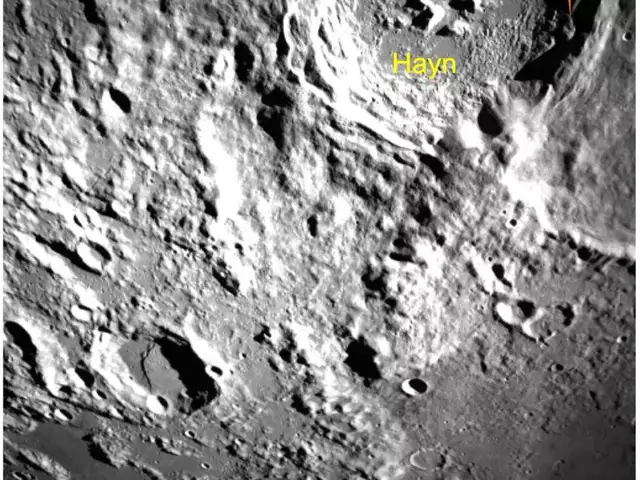
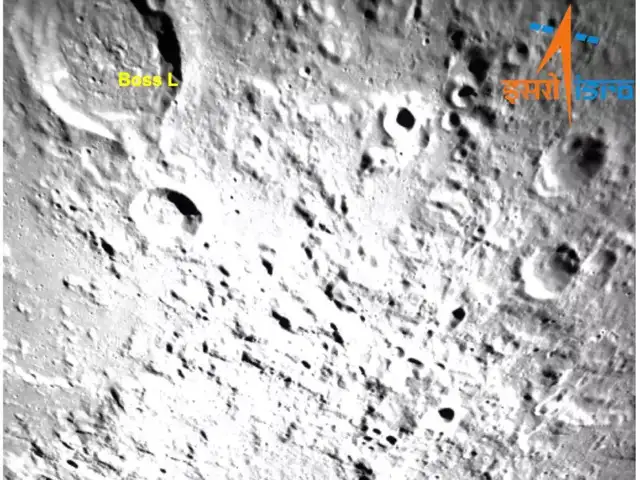
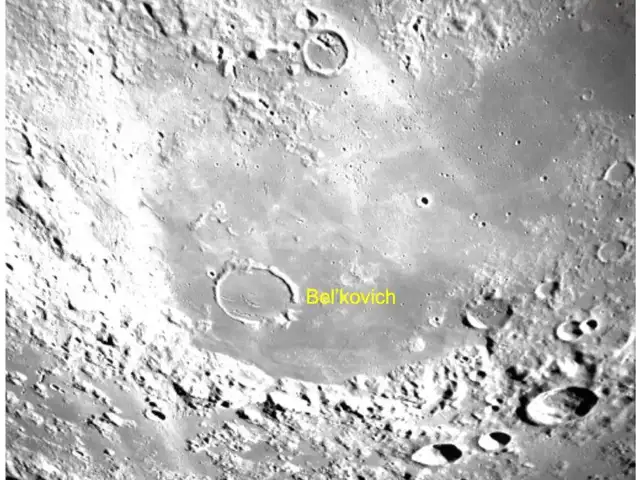
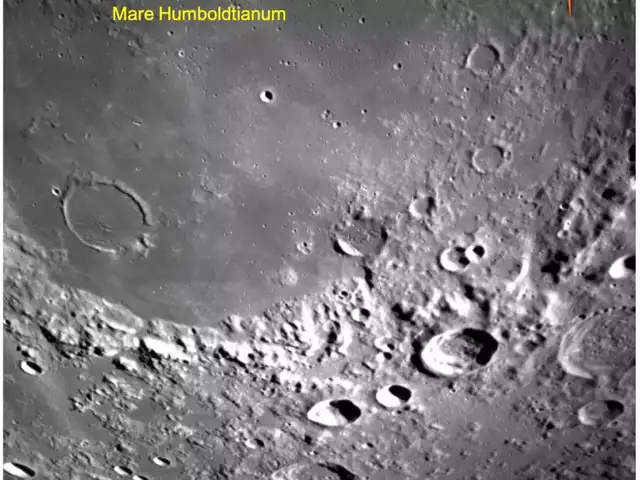
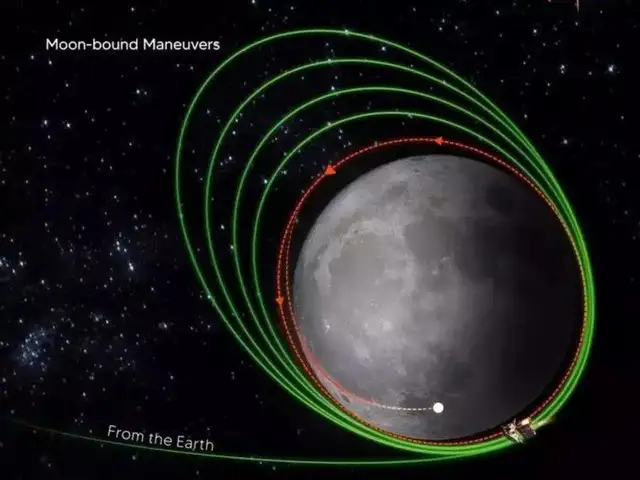
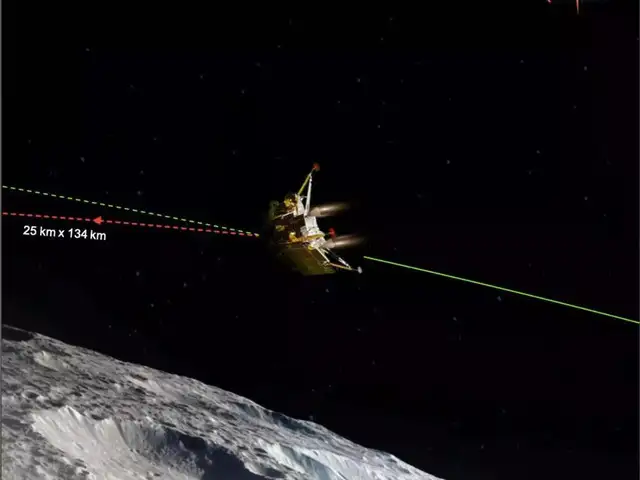
The Indian Space Research Organization (ISRO) on Monday released fresh pictures of the Vikram lander of the Chandrayaan 3 mission, determining the landing site on the moon. In a post shared on microblogging site X, two days before the landing, the ISRO shared images of the moon's far side area captured by the Lander Hazard Detection and Avoidance Camera (LHDAC). (Image: ISRO)

Download
The Economic Times Business News App for the Latest News in Business, Sensex, Stock Market Updates & More.
The Economic Times Business News App for the Latest News in Business, Sensex, Stock Market Updates & More.
Download
The Economic Times News App for Quarterly Results, Latest News in ITR, Business, Share Market, Live Sensex News & More.
The Economic Times News App for Quarterly Results, Latest News in ITR, Business, Share Market, Live Sensex News & More.
ADVERTISEMENT


