Chandrayaan-3's mission to lunar south pole: Expert explains Moon's many mysteries
As India prepares for its Chandrayaan-3 lunar landing, an expert discusses the Moon's geological history, the significance of its south pole, and the presence of water and ice. The Moon is estimated to be about 4.5 billion years old, formed from a...
By PTI | Updated:

AP
As anticipation grows for India's planned Chandrayaan-3 lunar landing on Wednesday, an expert delves into the fascinating world of Moon exploration. The Moon has captivated human curiosity for centuries, and with each new mission, we uncover more about its geological history, composition and potential for scientific discovery.
Dr. TV Venkateswaran, a scientist at Vigyan Prasar, an autonomous organisation under the Department of Science and Technology (DST), and member of the public outreach committee of the Astronomical Society of India, answers key questions about the Moon's geological evolution, the significance of its south pole, the presence of water and ice, and India's ambitious plans for lunar exploration.
The Moon is estimated to be about 4.5 billion years old, roughly the same age as the Earth. The leading theory about the Moon's formation suggests that a Mars-sized celestial body collided with the young Earth, and the debris from this collision eventually coalesced to form the lunar body. However, current geological evidence from Moon suggests that it may be younger by just 60 million years compared to Earth.
The Moon's gravitational pull is much weaker than Earth's, approximately one-sixth of Earth's gravity. As a result, objects on the Moon weigh significantly less than they do on Earth. This is due to the Moon's smaller size and mass. For example, a person weighing 68 kilograms on the Earth would weigh only over 11 kg on the Moon.
The terrain and geology at the Moon's south pole are distinct from other regions. Permanently shadowed craters provide extremely cold conditions that allow water ice to accumulate and persist. The unique geography of the south pole also creates regions of perpetual sunlight, which can be harnessed for solar power. The terrain varies from rugged landscapes to relatively flat plains, offering a diverse range of scientific opportunities.
This depends on the Moon's geology. The Moon's axis is only slightly tilted relative to its orbit around the Earth. This results in certain areas near the poles being in permanent shadow. These shadows create extremely cold environments where temperatures can plummet to very low levels. These frigid conditions are conducive to preserving water ice for billions of years.
Yes, water ice has been confirmed to exist in the Moon's south pole region. Data from various lunar missions, including India's Chandrayaan 1, launched in 2008, have indicated the presence of water molecules in these permanently shadowed regions. This discovery has opened up exciting possibilities for sustained lunar exploration.
While ISRO has expressed its intention to send astronauts to space as part of its Gaganyaan mission, there are no plans yet to send human missions to the Moon in the near future.
Dr. TV Venkateswaran, a scientist at Vigyan Prasar, an autonomous organisation under the Department of Science and Technology (DST), and member of the public outreach committee of the Astronomical Society of India, answers key questions about the Moon's geological evolution, the significance of its south pole, the presence of water and ice, and India's ambitious plans for lunar exploration.
1. What is Moon's geological history and evolution? In other words, how old it is, and when/how did it form?
The Moon is estimated to be about 4.5 billion years old, roughly the same age as the Earth. The leading theory about the Moon's formation suggests that a Mars-sized celestial body collided with the young Earth, and the debris from this collision eventually coalesced to form the lunar body. However, current geological evidence from Moon suggests that it may be younger by just 60 million years compared to Earth.
2. How much do things weigh on the Moon, relative to Earth, and why?
The Moon's gravitational pull is much weaker than Earth's, approximately one-sixth of Earth's gravity. As a result, objects on the Moon weigh significantly less than they do on Earth. This is due to the Moon's smaller size and mass. For example, a person weighing 68 kilograms on the Earth would weigh only over 11 kg on the Moon.
3. Why do Indian scientists want to land on Moon's south pole?
ADVERTISEMENT
The lunar south pole has become a focal point for exploration due to its unique features and potential scientific value. It is believed to host a vast reservoir of water ice in permanently shadowed regions. The presence of water is of immense significance for future space exploration, as it can be converted into resources such as drinking water, oxygen and and hydrogen for rocket fuel. Also, the permanently sunlit area in the region has a temperature of around minus 50 to 10 degrees Celsius, which provide better chemical condition for the electronics onboard the rover and lander to work properly. 4. What is in the lunar south pole? Is the terrain and geology there the same as elsewhere on the Moon or do we have no idea?
The terrain and geology at the Moon's south pole are distinct from other regions. Permanently shadowed craters provide extremely cold conditions that allow water ice to accumulate and persist. The unique geography of the south pole also creates regions of perpetual sunlight, which can be harnessed for solar power. The terrain varies from rugged landscapes to relatively flat plains, offering a diverse range of scientific opportunities.
5. Why is a region of the lunar south pole permanently shadowed?
This depends on the Moon's geology. The Moon's axis is only slightly tilted relative to its orbit around the Earth. This results in certain areas near the poles being in permanent shadow. These shadows create extremely cold environments where temperatures can plummet to very low levels. These frigid conditions are conducive to preserving water ice for billions of years.
ADVERTISEMENT
6. Does water/ice exist on the lunar south pole? Chandrayaan-1 seemed to have suggested it.
Yes, water ice has been confirmed to exist in the Moon's south pole region. Data from various lunar missions, including India's Chandrayaan 1, launched in 2008, have indicated the presence of water molecules in these permanently shadowed regions. This discovery has opened up exciting possibilities for sustained lunar exploration.
7. Is water/ice critical for future lunar exploration?
ADVERTISEMENT
Water ice is a critical resource for future lunar exploration and even beyond. It can be converted into breathable air, drinking water, and most importantly, hydrogen and oxygen for rocket fuel. This could revolutionise space travel by reducing the need to transport these resources from Earth, making long-duration missions more feasible. 8. Does India plan to send a manned mission to the Moon in the future?
While ISRO has expressed its intention to send astronauts to space as part of its Gaganyaan mission, there are no plans yet to send human missions to the Moon in the near future.
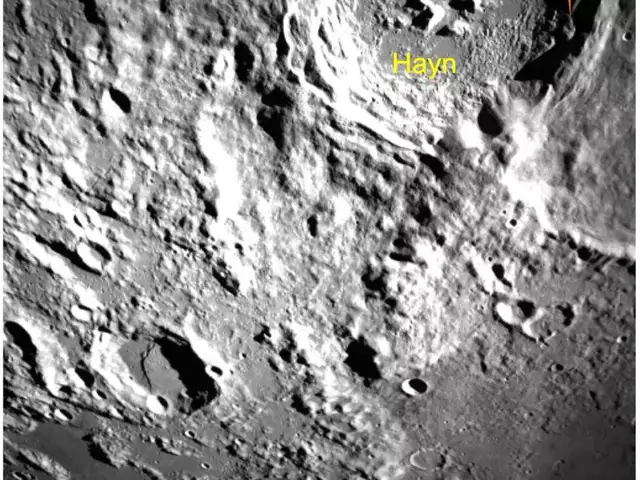
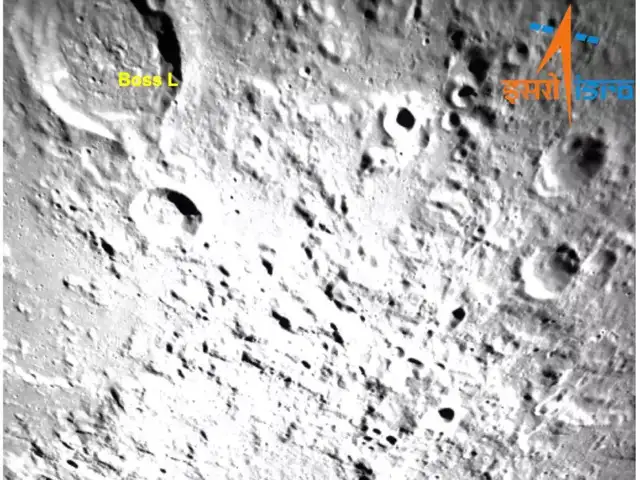
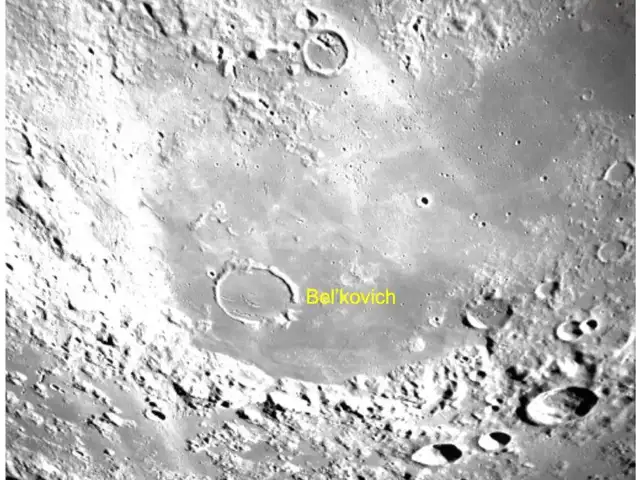
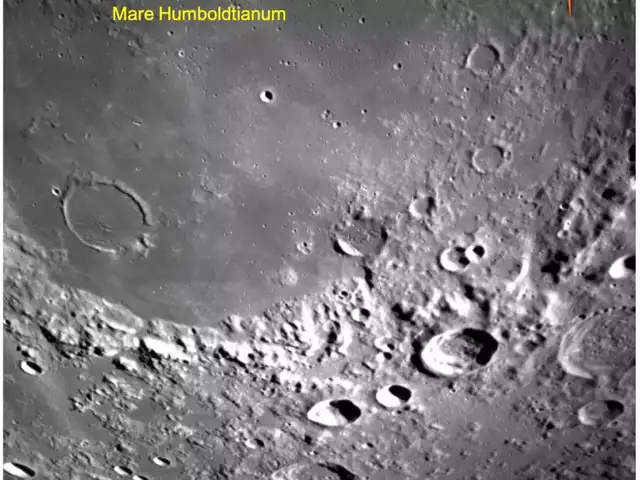
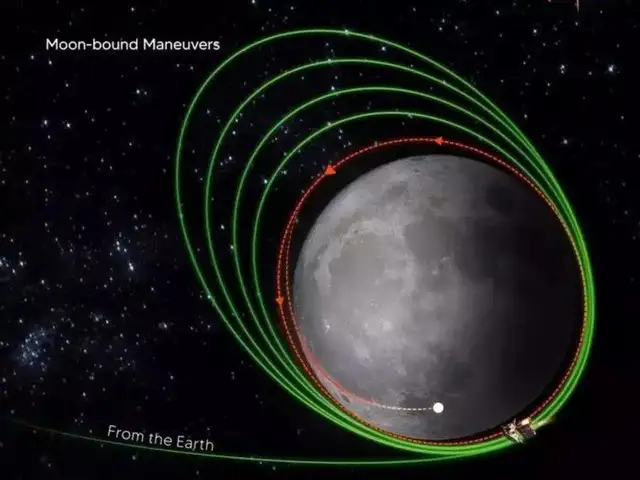
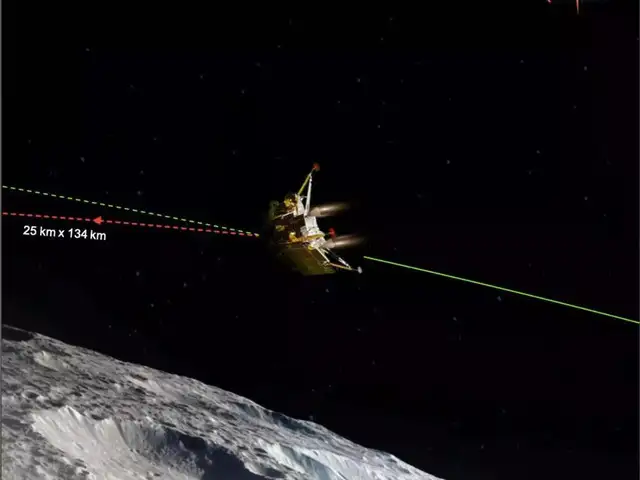
The Indian Space Research Organization (ISRO) on Monday released fresh pictures of the Vikram lander of the Chandrayaan 3 mission, determining the landing site on the moon. In a post shared on microblogging site X, two days before the landing, the ISRO shared images of the moon's far side area captured by the Lander Hazard Detection and Avoidance Camera (LHDAC). (Image: ISRO)

Download
The Economic Times Business News App for the Latest News in Business, Sensex, Stock Market Updates & More.
The Economic Times Business News App for the Latest News in Business, Sensex, Stock Market Updates & More.
Download
The Economic Times News App for Quarterly Results, Latest News in ITR, Business, Share Market, Live Sensex News & More.
The Economic Times News App for Quarterly Results, Latest News in ITR, Business, Share Market, Live Sensex News & More.
ADVERTISEMENT


