PVR made a customer sit through 17 mins of extra advertisements before his movie began, ordered to pay Rs 75,000
A Hyderabad advocate who booked a late night movie ticket ended up filing a consumer case after PVR Cinemas ran advertisements well past the scheduled start time, delaying the film and pushing his return home by nearly an hour. The Hyderabad Distr...
By ET Online |

PVR made a customer sit through 17 mins of extra advertisements before his movie began, ordered to pay Rs 75,000
A night out at the movies turned into a legal fight for a Hyderabad advocate, and he has come out of it with a Rs 75,000 order against PVR Cinemas. The advocate had booked two tickets for a late show, set to begin at 10:35 PM. He walked in and took his seat well before that, expecting the film to start on time. Instead, the screen kept running advertisements and trailers, and the movie only began 17 minutes after its scheduled time. That gap ended up costing him nearly an hour at the other end of the night, since he reached home around 3 AM instead of the 2 AM he had planned for.
He took the matter to the Hyderabad District Consumer Disputes Redressal Commission, asking for compensation for the harassment and inconvenience caused, along with his legal costs.
PVR said the content shown before the film served exactly that public interest, since it touched on subjects like literacy, agriculture, women's welfare and cleanliness drives. It argued that none of this amounted to a deficiency in service, and asked the commission to dismiss the complaint.
The commission also noted that PVR had not seriously disputed the facts of the delay in its written response, and had not placed strong evidence on record to counter the advocate's version. It held that running advertisements far past this limit was not a small business choice, but an unfair trade practice meant to squeeze extra commercial value out of a captive audience.
On this basis, the commission ordered PVR to pay Rs 20,000 as compensation for the inconvenience, Rs 5,000 towards litigation costs, and a further Rs 50,000 as punitive damages, to be deposited with the district consumer welfare fund rather than paid to the complainant directly. It also directed PVR to stop this practice going forward.
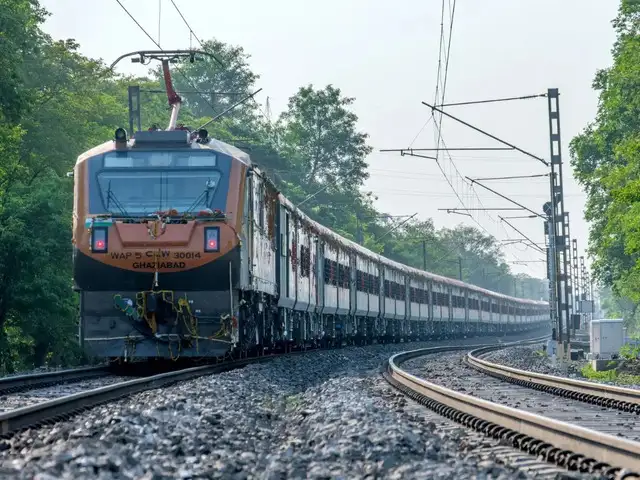
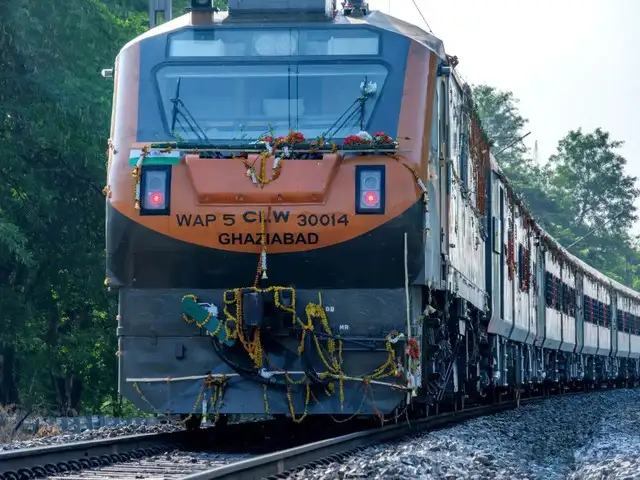
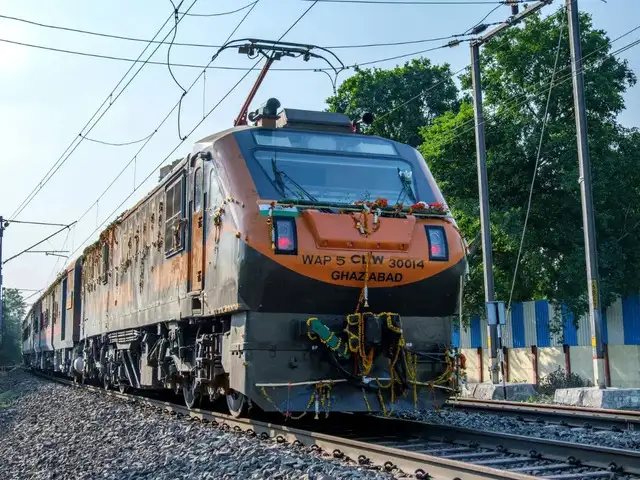
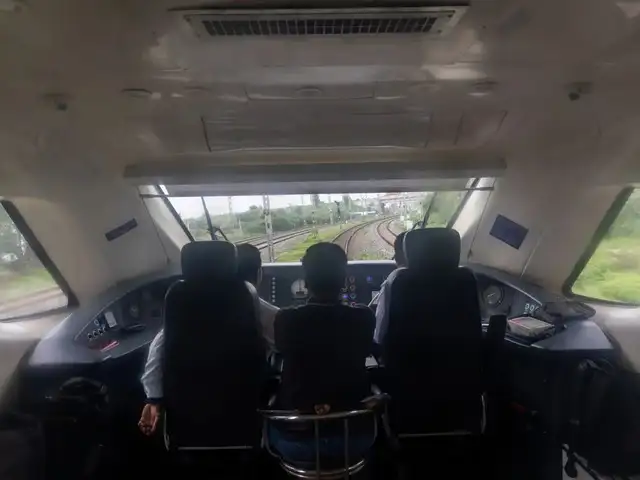
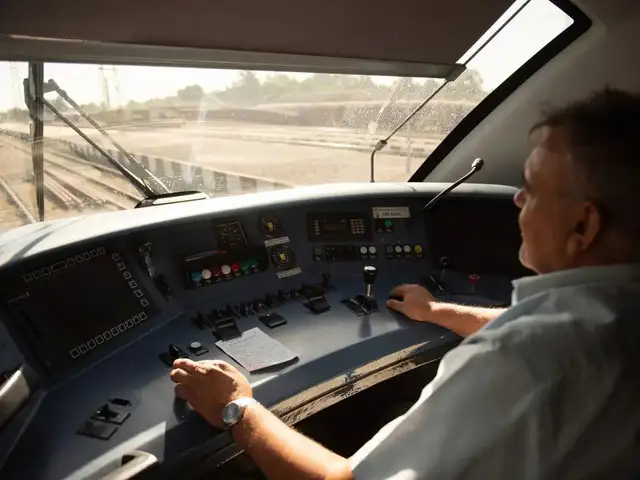
On January 19, a WAP-5 locomotive fitted with Kavach was run at 160 kmph on the Palwal-Mathura section. The driver was told not to apply brakes after spotting a red signal ahead. Kavach activated on its own and stopped the train 30 metres before the signal. All other safety parameters were also met.



Why the customer sued PVR
He said the delay was not a small inconvenience. Reaching home an hour later than expected disrupted his plans for the rest of the night and left him travelling at a later, less safe hour. He argued that PVR was using the extra minutes to run commercial advertisements rather than genuine public service content, and that this broke a Ministry of Information and Broadcasting rule which limits such screenings to a couple of minutes before a film starts.He took the matter to the Hyderabad District Consumer Disputes Redressal Commission, asking for compensation for the harassment and inconvenience caused, along with his legal costs.
What PVR argued in its defence
PVR did not deny that the film started late. Its defence was built around its right to run its own business. The cinema chain told the commission that screening advertisements, trailers and public service films is part of its right to trade, protected under Article 19(1)(g) of the Constitution. It also leaned on an earlier Supreme Court ruling which had said a cinema hall is private property, and its owner can set the terms of how it is run, as long as those terms do not go against public interest, safety or welfare.PVR said the content shown before the film served exactly that public interest, since it touched on subjects like literacy, agriculture, women's welfare and cleanliness drives. It argued that none of this amounted to a deficiency in service, and asked the commission to dismiss the complaint.
What the commission ruled
The commission did not accept this defence. It pointed to a Ministry of Information and Broadcasting memorandum which spells out exactly how long such public service content can run. That memorandum says approved public service films have been cut down to a duration of up to two minutes, and are meant to be shown within ten minutes before a film begins or during the interval, not stretched out well beyond it.ADVERTISEMENT
The commission also noted that PVR had not seriously disputed the facts of the delay in its written response, and had not placed strong evidence on record to counter the advocate's version. It held that running advertisements far past this limit was not a small business choice, but an unfair trade practice meant to squeeze extra commercial value out of a captive audience.
On this basis, the commission ordered PVR to pay Rs 20,000 as compensation for the inconvenience, Rs 5,000 towards litigation costs, and a further Rs 50,000 as punitive damages, to be deposited with the district consumer welfare fund rather than paid to the complainant directly. It also directed PVR to stop this practice going forward.
Download
The Economic Times Business News App for the Latest News in Business, Sensex, Stock Market Updates & More.
The Economic Times Business News App for the Latest News in Business, Sensex, Stock Market Updates & More.
Download
The Economic Times News App for Quarterly Results, Latest News in ITR, Business, Share Market, Live Sensex News & More.
The Economic Times News App for Quarterly Results, Latest News in ITR, Business, Share Market, Live Sensex News & More.
ADVERTISEMENT


