World Thalassemia Day: Blood disorder cannot be cured, and other myths busted
People with thalassemia trait can have normal life expectancy.
By ET CONTRIBUTORS | Updated:

iStock
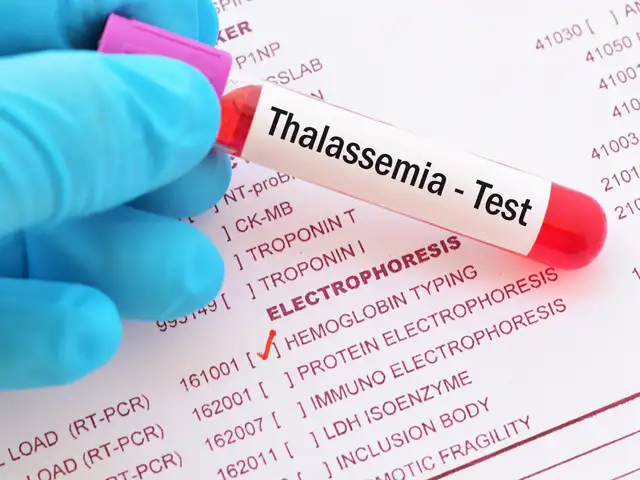
Thalassemia syndrome is an inherited blood disorder that causes the body to have less haemoglobin than normal. There are two types of thalassemia - Alpha and Beta - in which children inherited the condition from parents who carry the mutated thalassemia.
People with thalassemia trait have normal life expectancy. However, beta thalassemia major along with heart ailments can make the condition fatal before 30 years of age.
There are various myths which are important to be busted with the help of facts listed below.
Myth 1: Thalassemia isn't detectable
Fact: Young couples from the 'at risk' population (some communities have a higher prevalence of this gene) may also have a hypochromic microcytic anaemia (without iron deficiency) and the thalassemia trait (carrier) can be detected by haemoglobin electrophoresis (raised A2>3.5%) or by HPLC (HbA2 >4%). The exact beta gene mutation can be detected by DNA analysis. At the time of pregnancy, the DNA mutation analysis from the chorionic villus biopsy or amniotic fluid analysis can help check if the index fetus is thalassemia major. If so, we could offer medical termination of pregnancy (depend upon cultural and religious belief of the couple) to prevent birth of a thalassemia major child.
Myth 2: Thalassemia carriers should not get married to each other
Fact: People with thalassemia minor can get married to each other as long as they know of each other's thalassemia status. The couples should get their DNA testing done to see which mutation they have.
Fact: One can also go for the pre-implantation genetic testing to select the embryo (PGTM – pre-implantation embryonic genetic testing for monogenic disease) that does not have the thalassemia gene along with a check for aneuploidy. This could ensure a non-thalassemia major birth despite both being thalassemia carriers. The chorionic villus biopsy or amniotic fluid analysis will help determine if the foetus is a thalassemia major.
There is only a 25 per cent chance that the foetus could be thalassemia major, but a 50 per cent chance that it could be thalassemia minor like either of the parents. In the remaining 25 per cent chance, the child could be normal. Which means that 75 per cent of the time there is no fear of a thalassemia major birth. This sequence of 25, 50, 25 will occur as a chance in each pregnancy.
Myth 4: There is no treatment for thalassemia major
Fact: If a thalassemia child is transfused with a quality filtered blood regularly to reduce leucocytes, the process can help the patients to reach adulthood. Along the way, one must look at levels of ferritin for iron overload and oral iron chelation agent (medicines that remove excess iron from the blood though the urine). Checking for early organ damage by MRI of the heart, pancreas and liver should also be performed to get the best results for a proper growth. This process can still give good quality of life to thalassemia major patients. Bone marrow transplant and gene therapy are other options for treatment.
Myth 5.: Thalassemia cannot be cured.
Fact: Other than transfusion, allogeneic bone marrow transplantation (matched related or matched unrelated donor who is 10/10 HLA matched) can be a curative option for thalassemia major. It does come with several caveats including risks and costs, but these can be addressed appropriately by a transplant centre which has protocols in place.
A third option is a drug, Luspatercept, that can help improve the haemoglobin of thalassemia major. This can make them relatively transfusion independent, but is expensive, needs long term treatment. This currently isn't available in India, but can be imported at a cost, which is quite high.
People with thalassemia trait have normal life expectancy. However, beta thalassemia major along with heart ailments can make the condition fatal before 30 years of age.
There are various myths which are important to be busted with the help of facts listed below.
Myth 1: Thalassemia isn't detectable
Fact: Young couples from the 'at risk' population (some communities have a higher prevalence of this gene) may also have a hypochromic microcytic anaemia (without iron deficiency) and the thalassemia trait (carrier) can be detected by haemoglobin electrophoresis (raised A2>3.5%) or by HPLC (HbA2 >4%). The exact beta gene mutation can be detected by DNA analysis. At the time of pregnancy, the DNA mutation analysis from the chorionic villus biopsy or amniotic fluid analysis can help check if the index fetus is thalassemia major. If so, we could offer medical termination of pregnancy (depend upon cultural and religious belief of the couple) to prevent birth of a thalassemia major child.
Myth 2: Thalassemia carriers should not get married to each other
Fact: People with thalassemia minor can get married to each other as long as they know of each other's thalassemia status. The couples should get their DNA testing done to see which mutation they have.
ADVERTISEMENT
Myth 3: If two thalassemia carriers marry each other, they will always have a thalassemia major childFact: One can also go for the pre-implantation genetic testing to select the embryo (PGTM – pre-implantation embryonic genetic testing for monogenic disease) that does not have the thalassemia gene along with a check for aneuploidy. This could ensure a non-thalassemia major birth despite both being thalassemia carriers. The chorionic villus biopsy or amniotic fluid analysis will help determine if the foetus is a thalassemia major.
There is only a 25 per cent chance that the foetus could be thalassemia major, but a 50 per cent chance that it could be thalassemia minor like either of the parents. In the remaining 25 per cent chance, the child could be normal. Which means that 75 per cent of the time there is no fear of a thalassemia major birth. This sequence of 25, 50, 25 will occur as a chance in each pregnancy.
Myth 4: There is no treatment for thalassemia major
Fact: If a thalassemia child is transfused with a quality filtered blood regularly to reduce leucocytes, the process can help the patients to reach adulthood. Along the way, one must look at levels of ferritin for iron overload and oral iron chelation agent (medicines that remove excess iron from the blood though the urine). Checking for early organ damage by MRI of the heart, pancreas and liver should also be performed to get the best results for a proper growth. This process can still give good quality of life to thalassemia major patients. Bone marrow transplant and gene therapy are other options for treatment.
Myth 5.: Thalassemia cannot be cured.
Fact: Other than transfusion, allogeneic bone marrow transplantation (matched related or matched unrelated donor who is 10/10 HLA matched) can be a curative option for thalassemia major. It does come with several caveats including risks and costs, but these can be addressed appropriately by a transplant centre which has protocols in place.
ADVERTISEMENT
Recently, the western countries have come up with beta thalassemia gene therapy for patients who do not have an HLA matched donor. It is still early to assess long-term benefit or side effects of this therapy. A third option is a drug, Luspatercept, that can help improve the haemoglobin of thalassemia major. This can make them relatively transfusion independent, but is expensive, needs long term treatment. This currently isn't available in India, but can be imported at a cost, which is quite high.
ADVERTISEMENT
(The author is Senior Consultant Hematology, Global Hospital Mumbai)Nutritional deficiencies are common in thalassemia.
It is recommended that patients going through blood transfusion should opt for a low iron diet. Avoiding iron-fortified foods like cereal, red meat, green leafy vegetables & Vitamin C-rich foods is the best option for thalassemic patients.
On World Thalassemia Day, Dr Sunil Gupta, Senior Consultant (Paediatrics) at Saroj Super-Speciality Hospital, Dr Ian Pinto, Consultant Blood & Cancer Specialist, Jaslok Hospital & Research Center and dietician Jasleen Kaur share a list of food items that blood transfusion patients should avoid.







(Disclaimer: The opinions expressed in this column are that of the writer. The facts and opinions expressed here do not reflect the views of www.economictimes.com.)
Download
The Economic Times Business News App for the Latest News in Business, Sensex, Stock Market Updates & More.
The Economic Times Business News App for the Latest News in Business, Sensex, Stock Market Updates & More.
ADVERTISEMENT


