Scared of needles? New smartphone app can detect anaemia
The app uses photos of a person's fingernails to accurately measure haemoglobin in their blood.
By PTI | Updated:
Getty Images
NEW YORK: Biomedical engineers have developed a novel smartphone application that could non-invasively detect anaemia without the need for a blood test.
The app uses photos of a person's fingernails taken on a smartphone to accurately measure how much haemoglobin is in their blood.
Fingernail beds are ideal for detection of anaemia because they do not contain melanin - pigment that gives human skin, hair, and eyes their colour - indicating that the test can be valid for people with a variety of skin tones.
"All other 'point-of-care' anaemia detection tools require external equipment, and represent trade-offs between invasiveness, cost, and accuracy," said principal investigator Wilbur Lam, Associate Professor from Emory University in the US.
"This is a standalone app whose accuracy is on par with currently available point-of-care tests without the need to draw blood," said Lam.
ADVERTISEMENT
The app is particularly helpful for pregnant women, women with abnormal menstrual bleeding, runners/athletes, and patients with chronic anaemia as they can monitor their disease and identify the times when they need to adjust their therapies or receive transfusions, the researchers said.
World Blood Donor Day: Nuts, Dairy And Other Iron-Rich Foods For Good Blood Count
1/7
Unexplained fatigue, weakness, headaches, breathlessness, racing heart, dizziness and poor appetite could be signs of low haemoglobin.
Haemoglobin is an iron-rich protein present in red blood cells which determines the blood count and oxygen level in the body.
Mostly menstruating or pregnant women, growing children, and patients recovering from illnesses are susceptible to haemoglobin deficiency. A well-balanced diet with iron-rich food items can work wonders to increase the quality of blood.
Dr Kajal Yeptho Pandya, head of Department of Dietetics at Medanta - The Medicity explains how each meal with a variety of foods and portion sizes can up the haemoglobin level and moderate calorie intake.
Unexplained fatigue, weakness, headaches, breathlessness, racing heart, dizziness and poor appetite could be signs of low haemoglobin.
Haemoglobin is an iron-rich protein present in red blood cells ..
Read More
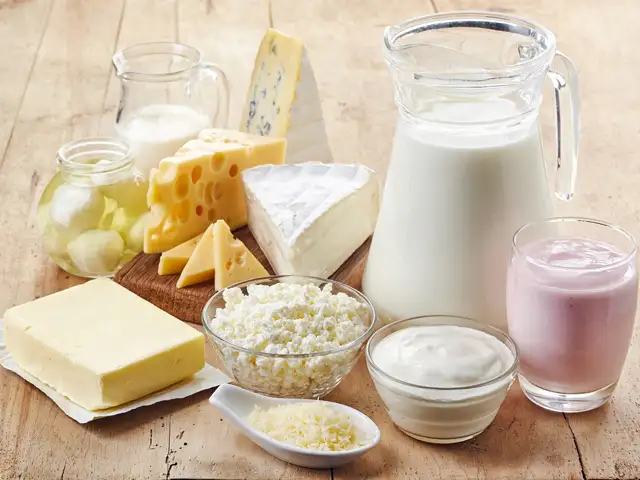
Dairy products provides proteins, vitamin D, and calcium for strong bones. Food items such as cheese, milk and yogurt are high in saturated fats. In order to moderate fat and calorie intake, it is best to choose low-fat or fat-free varieties of dairy foods.
Dairy products provides proteins, vitamin D, and calcium for strong bones. Food items such as cheese, milk and yogurt are high in saturated fats. In order to moderate fat and calorie intake, it is be..
Read More
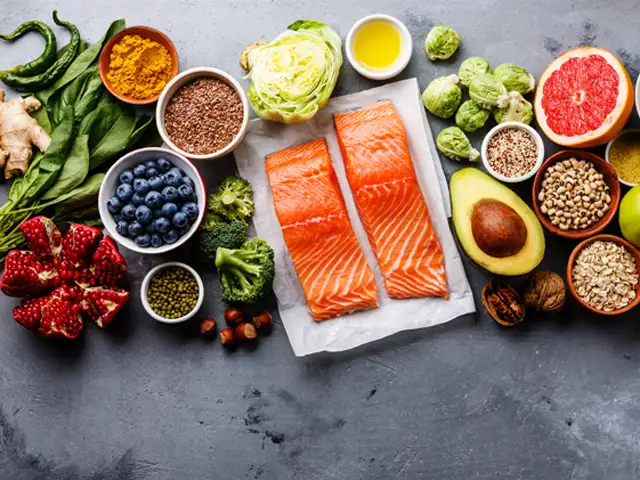
Protein-rich foods include beans, lentils, peas, eggs, nuts, seeds, soy proteins like tofu, skin-removed fish, and lean meat & poultry with visible fat. Eggs provide multiple vitamins and minerals, and meat & poultry are high in iron. Fish should be consumed regularly, particularly fish high in omega-3 fatty acids like salmon and sardines. Legumes are a rich source of fibres. Prefer grilling, poaching, dry frying or steaming over deep frying to minimise addition of fat content.
Protein-rich foods include beans, lentils, peas, eggs, nuts, seeds, soy proteins like tofu, skin-removed fish, and lean meat & poultry with visible fat. Eggs provide multiple vitamins and minerals, a..
Read More
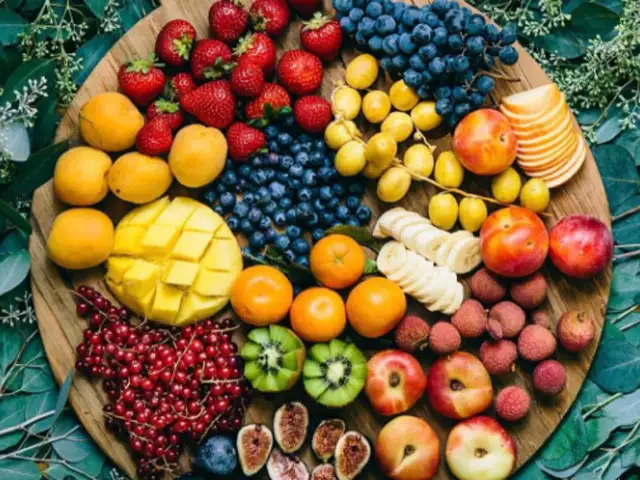
Fruits are fat-free, nutritious, low in calories and high in fibre. One must include 3-4 varieties of fruits such as beetroot, pomegranate, watermelon, apple, apricot, oranges, strawberries, papaya, grape fruit, banana, peach, mulberries, guava, litchis and kiwi to get a wide range of vitamins and minerals.
Fruits are fat-free, nutritious, low in calories and high in fibre. One must include 3-4 varieties of fruits such as beetroot, pomegranate, watermelon, apple, apricot, oranges, strawberries, papaya, ..
Read More
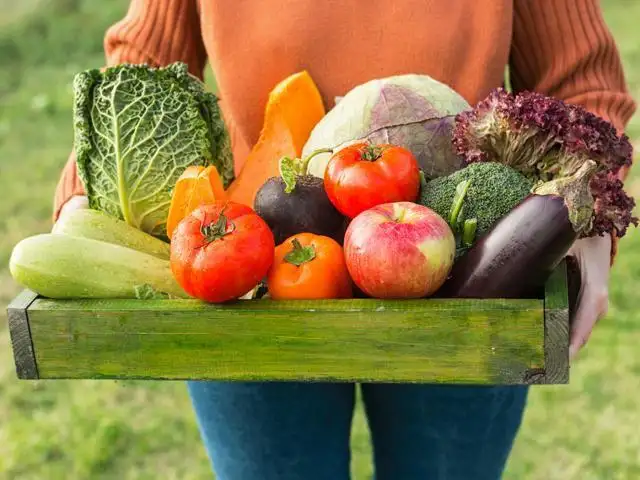
Veggies are low in calories, and high on vitamins and minerals. A wide variety of vegetables should be included in your meals (cooked or raw). Spinach, asparagus, broccoli, green peas, tomatoes, bell peppers, cauliflower, potatoes, fenugreek leaves and beans should be included in the diet daily.
Veggies are low in calories, and high on vitamins and minerals. A wide variety of vegetables should be included in your meals (cooked or raw). Spinach, asparagus, broccoli, green peas, tomatoes, bell..
Read More
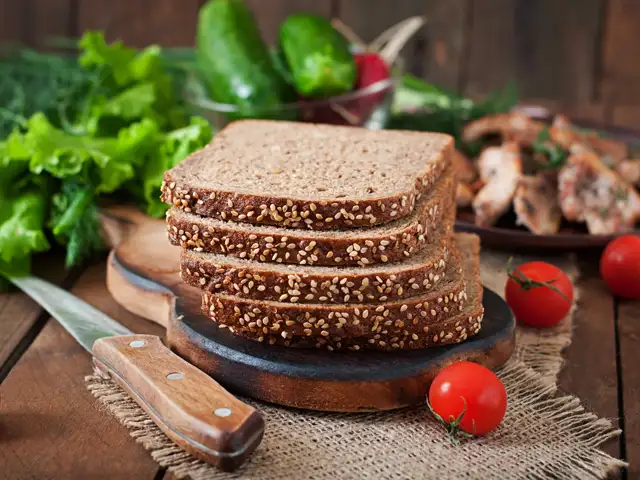
Opt for carbohydrate-rich foods like breads, cereals, pasta and rice. One should choose whole-grain varieties as those are high in fibre, and contain more vitamins than the refined-versions. Cereals and breads enriched with iron, calcium or omega-3 are recommended to make the diet more nutritious.
Opt for carbohydrate-rich foods like breads, cereals, pasta and rice. One should choose whole-grain varieties as those are high in fibre, and contain more vitamins than the refined-versions. Cereals ..
Read More
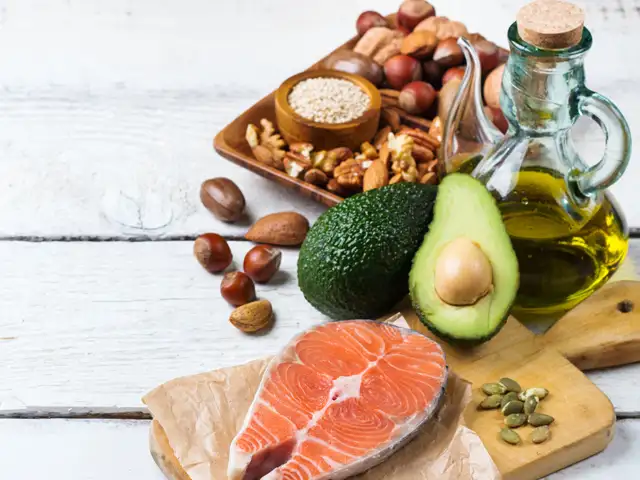
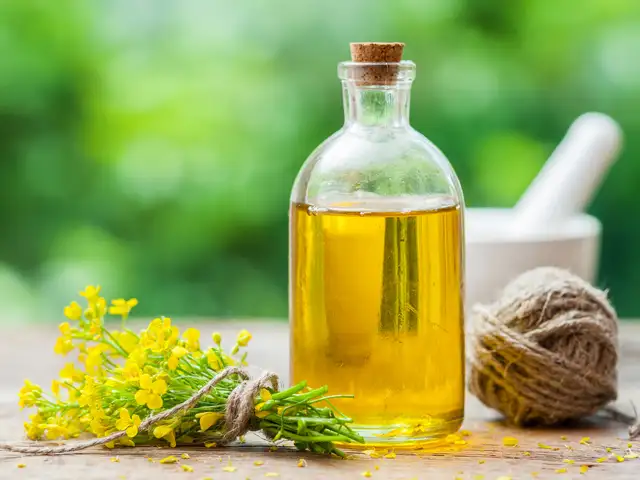
While some amount of fat is necessary in our diet, it is important to get the right kind of fats. Nuts, seeds, avocados, and oil from canola, olive, peanut contain healthy fats and oils. Saturated and trans fats, found in meat, chicken, fatty beef, lamb, pork, poultry with skin, cream, butter, cheese, etc, should be minimised as they can put your heart at risk.
While some amount of fat is necessary in our diet, it is important to get the right kind of fats. Nuts, seeds, avocados, and oil from canola, olive, peanut contain healthy fats and oils. Saturated an..
The app, detailed in the journal Nature Communications, is part of the doctoral work of former biomedical engineering graduate student Rob Mannino, who was motivated to conduct the research by his own experience living with beta-thalassemia -- an inherited blood disorder that reduces the production of haemoglobin.
Maninno first took pictures of himself before and after transfusions as his haemoglobin levels were changing.
Later, the researchers studied fingernail photos and correlated the colour of the fingernail beds with haemoglobin levels measured by complete blood count (CBC) in 337 people.
ADVERTISEMENT
The results showed some healthy and others with a variety of anaemia diagnoses.
However, additional research is needed to eventually achieve the accuracy to replace blood-based anaemia testing for clinical diagnosis, according to the team.
ADVERTISEMENT
The smartphone anaemia app is projected to be commercially available for public download in 2019.
Food Items You Should Eat And Avoid, According To Your Blood Type
1/5
Consuming food based on your 'Blood Type' helps in better digestion, increases the energy levels, and prevents diseases and illnesses. Moreover, it also helps you lose weight.
Deepika Dua Arora, Dietitian Mutation Diet Clinic talks about the relationship between the blood group and nutritional aspect of food consumed.
Here are the food items you should consume and avoid, according to your blood group - A, B, O and AB.
(Image: ThinkStock)
Consuming food based on your 'Blood Type' helps in better digestion, increases the energy levels, and prevents diseases and illnesses. Moreover, it also helps you lose weight.
Deepika Dua Arora, Die..





 Millions don’t know they’re at risk of diabetes, anaemia, and respiratory illnesses, but the one step that could lower disease prevalence2025-10-01T07:13:49Z

