Excessive exposure to the gadget screen for extended periods can have a physical and physiological impact on the health and well-being of employees.
BENGALURU: Office employees spend at least six hours per day looking at a computer screen, and 65% report eye-strain and vision problems, while 47% suffer from headaches and fatigue, according to a new survey by furniture solutions brand Godrej Interio.
The study titled ‘‘Visual Ergonomics” details the ergonomic risk factors at workplaces to prevent computer vision syndrome. The data was gathered while doing the assessments of more than 500 individuals, and the analysis includes work profiles, gadget usage trends, and the postures.
Vision problems have increased in recent years, owing to excessive use of digital screens at work and home, be it the computer or mobile phones. The increased duration of computer and mobile-viewing experience has led to the development of several eye issues, ranging from visual fatigue and headaches to more complicated problems like dry eyes, blurred vision, double vision, irritation, watering, and so on.
The study digs deeper into the scientific causes of most vision problems and provides explanations for each to help office goers understand how to take good care of their eyes and maintain proper eye hygiene.
Around 47% of Indian working professionals have been suffering from headaches and fatigue. “Digitisation is at its fastest pace in today’s scenario and the use of laptops/computers as a primary tool at workplaces, academic institutions and homes has become the need of the hour. The use of these gadgets has made our lives simpler and efficient with easy access to information and communication with others. However, prolonged use of these gadgets comes with its own set of disadvantages,” Sameer Joshi, associate vice-president of marketing (B2B), Godrej Interio, told ET.
ADVERTISEMENT
The study also reveals that there is an excessive screen exposure among Indians, with 70% of employees spending 6-9 hours every day in front of their gadget screens. Another reason for CVS (computer vision syndrome) is monitor placement – a monitor placed in the wrong position can affect neck posture and can cause extra ocular pain symptoms like the neck, upper back, and shoulder pain. Excessive exposure to the gadget screen for extended periods can have a physical and physiological impact on the health and well-being of employees.
It is important to formulate comprehensive employee well-being guidelines to address visual health challenges among computer users at an organisational level, Joshi added.
The Workspace & Ergonomics Research Cell of Godrej Interio suggests a proactive approach of assessment, correction and prevention to address visual ergonomics at workplaces. These range from simple eye exercises and altering illumination levels in the workspace to regular and proper assessment and evaluation of employees’ visual status.
A regular CVS check is also recommended for employees. Often this can be covered within the regular health check procedures of organisations if they include an active eye healthcare element.
ADVERTISEMENT
Tired Of Never-Ending Working From Home Shift? 4 Tips To Maintain A Work-Life Balance
1/6
Working from home has become the new normal as companies try to minimise disruptions and keep operations running as close to normal as possible. But with most of us working from home, the lines between "work" and "home" could become quickly blurred.
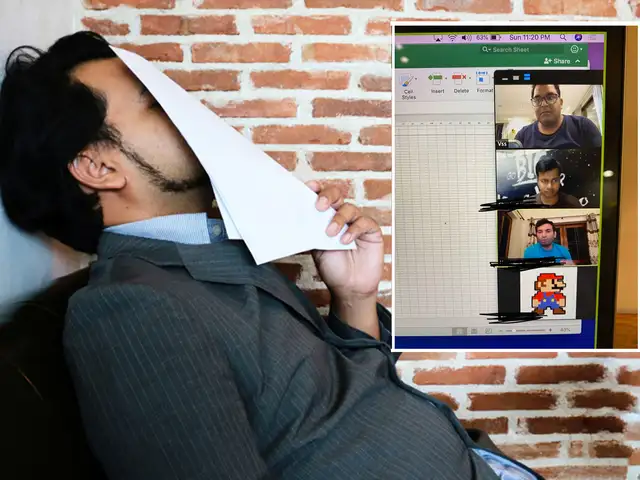
A few weeks ago, Paytm founder Vijay Shekhar Sharma took to Twitter to announce that he had been so wrapped up in Zoom meetings (inset from Sharma's Twitter account) that he forgot it was Sunday. And that seems to be the case with most entrepreneurs who are dealing with investor pressure and the stress of a looming economic slowdown.
Working from home has become the new normal as companies try to minimise disruptions and keep operations running as close to normal as possible. But with most of us working from home, the lines betwe..
Read More
In a recent media interview, Zerodha CEO Nithin Kamath (L) confessed, “I start work around 8.30 am and work till I sleep. I am definitely overworking, so are a few of my colleagues.”
“I had assumed that there would be more family time than before (but) the opposite has happened. Maybe I am spending lesser time than before because the boundary between work and personal time has disappeared. That said, daily I work out with my wife and play music with my son, and enjoy a drink with my brother and father once in a few days.”
If you find yourself in a similar situation as Kamath or Paytm's Vijay Shekhar Sharma (R), here are a few practical ways you can quickly establish boundaries.
In a recent media interview, Zerodha CEO Nithin Kamath (L) confessed, “I start work around 8.30 am and work till I sleep. I am definitely overworking, so are a few of my colleagues.”“I had assumed t..
Read More
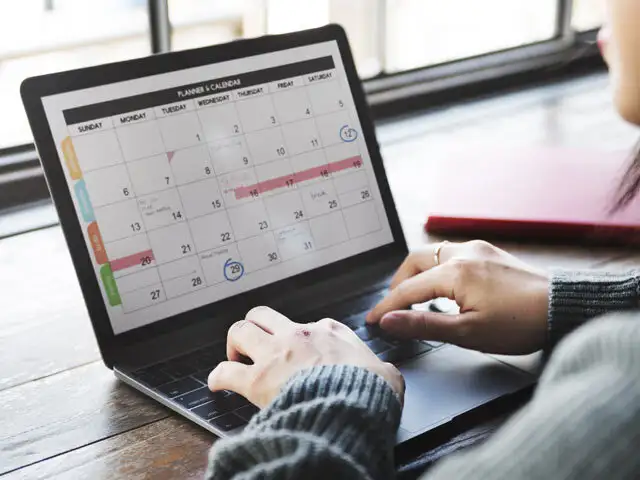
Working from home can be invasive to your personal life. Without scheduled work hours, work can creep into your home life and just as personal errands can creep into work hours. To avoid this, start and end your workday at the same time every day. Don’t mix household chores into work hours and vice-versa.
Working from home can be invasive to your personal life. Without scheduled work hours, work can creep into your home life and just as personal errands can creep into work hours. To avoid this, start ..
Read More
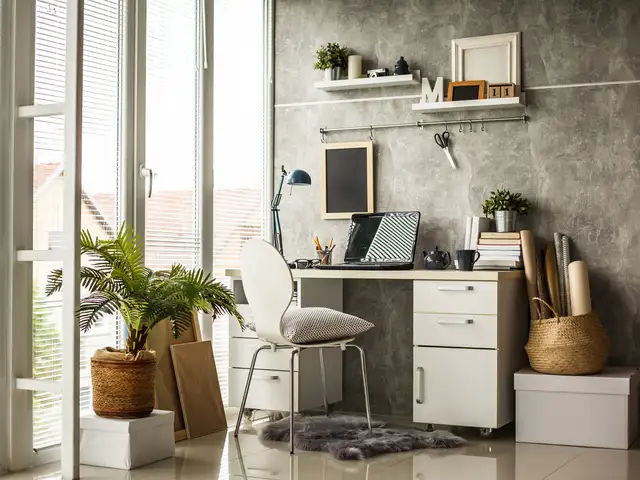
Studies have shown that having a designated workspace helps put your brain into work mode and enhances productivity. If you can’t set aside a designated workspace (due to a space crunch), try to create barriers in other ways. For example, use your laptop for work calls/meetings and use your phone to check social media or chat with friends. Having different devices for different purposes will help your brain switch from work to play mode.
Studies have shown that having a designated workspace helps put your brain into work mode and enhances productivity. If you can’t set aside a designated workspace (due to a space crunch), try to crea..
Read More
A shutdown ritual is a set routine of actions that you perform at the end of each workday to finalize your day and signify that your workday is done. Cal Newport, the author of Deep Work, initiated it as a New Years’ resolution to get the most of his relaxation time.
“It has worked better than I imagined. I’ve basically eliminated stressful work-related thoughts from my evenings and weekends. This has really improved my ability to relax and focus on other things,” he wrote on his website.
Some activities you can include in your shutdown ritual are preparing a to-do list for the next day, going for a walk, signing up for an evening fitness class among others. The goal isn’t what you do but that you do something to replace and simulate your commute, which is a built-in shutdown ritual.
A shutdown ritual is a set routine of actions that you perform at the end of each workday to finalize your day and signify that your workday is done. Cal Newport, the author of Deep Work, initiated i..
Read More
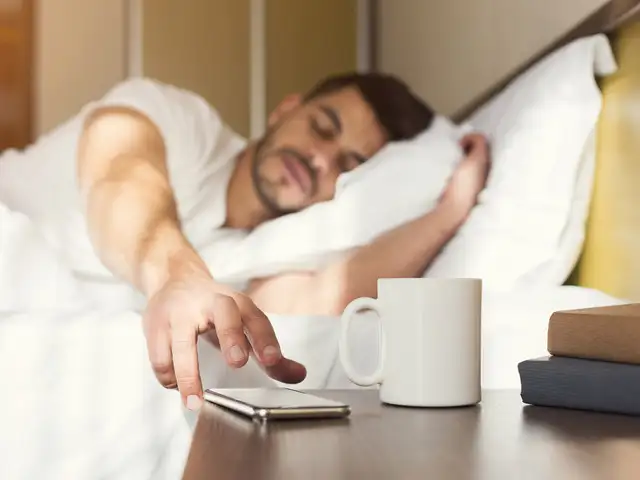
One way to ensure that you’re not blurring the lines between work and home is to create a no-work zone for at least an hour before you go to bed and after you wake up. This will keep your mind ample time to properly recharge.
Research shows that what you do before you go to sleep has an impact on the quality of sleep, and your engagement, your ability to focus, the next day. Passive leisure activities, like watching TV or reading a book, were associated with better sleep than doing something like answering work emails.
One way to ensure that you’re not blurring the lines between work and home is to create a no-work zone for at least an hour before you go to bed and after you wake up. This will keep your mind ample ..