VM Ghatage: Indian aircraft industry’s 'Bhishma Pitamaha' was an avid painter, golfer
Ghatage received a Padma Shri in 1965 for his contribution to production engineering.
By Divya Shekhar, ET Bureau |

Agencies
VM Ghatage
December 1942. World War II was at its peak and India faced a bleak political situation. A young student, TN Krishnaswamy, confused about his career prospects, joined the Department of Aeronautical Engineering at the Indian Institute of Science (IISc). On his first day, he entered the cabin of his professor, aerospace engineer Dr Vishnu Madhav Ghatage, also the founder of the department.
During that brief exchange, Krishnaswamy noted that Ghatage was an eloquent speaker and had clear-cut ideas regarding the future of aeronautical activities to be pursued and how he proposed to go about them. With Ghatage being his mentor, he would go on to become a professor at his alma mater.
This anecdote is part of a tribute written by Prof TN Krishnaswamy when Ghatage passed away in December 1991 after suffering from cancer.
VM Ghatage, often referred to as “Bhishma Pitamaha” of the Indian aircraft industry, was a plane-maker. He led the team that designed the Hindustan Trainer No 2 (HT-2), the first aircraft designed, developed and manufactured in India. Born in Kolhapur, Maharashtra, in October 1908 — this year marks his 110th birth anniversary — he was one of the two Indians to be trained by Professor Prandtl (whose work laid the foundation of modern aerodynamics) at the Kaiser Wilhelm Institute in Germany in 1933.
“He researched and wrote about fluid mechanics under different thermal conditions after which he returned to India in 1940 and joined the Hindustan Aeronautics Limited (HAL),” said Rajani Ghatage, his daughter, who works in the hospitality industry. “After two years, he moved to the IISc because he did not want to work for the British. He remained there till 1948.”
In 1948, Ghatage became chief designer at HAL and designed the HT-2, which found service in the Indian Air Force (IAF). “He then designed light aircraft Pushpak, which was used by flying clubs, agriculture aircraft Krishak and jettrainer Kiran,” said Rajani. All these aircraft would go on to be star attractions at IAF shows. He rose to the post of general manager and managing director of HAL and retired in 1971.
Ghatage, who received a Padma Shri in 1965 and the Sir Walter Puckey Indian Prize for his contribution to production engineering, was also an avid golfer and painter. According to Rajani, he was instrumental in forming the Karnataka Golf Association in the 1970s. He specialised in portrait paintings in water colour and had a good eye for colour schemes. HAL has named one of its convention centres after him.
Some etiquette while meeting world leaders can be quite strict, specific and even strange.
A guide to help you out...
His nephew Ajay Ghatage said that the aerospace engineer often discussed language with his father (a Sanskrit scholar). “As far as his own family was concerned, he expected them to make a name for themselves without any recommendations,” he said.
December 1942. World War II was at its peak and India faced a bleak political situation. A young student, TN Krishnaswamy, confused about his career prospects, joined the Department of Aeronautical Engineering at the Indian Institute of Science (IISc). On his first day, he entered the cabin of his professor, aerospace engineer Dr Vishnu Madhav Ghatage, also the founder of the department.
During that brief exchange, Krishnaswamy noted that Ghatage was an eloquent speaker and had clear-cut ideas regarding the future of aeronautical activities to be pursued and how he proposed to go about them. With Ghatage being his mentor, he would go on to become a professor at his alma mater.
This anecdote is part of a tribute written by Prof TN Krishnaswamy when Ghatage passed away in December 1991 after suffering from cancer.
VM Ghatage, often referred to as “Bhishma Pitamaha” of the Indian aircraft industry, was a plane-maker. He led the team that designed the Hindustan Trainer No 2 (HT-2), the first aircraft designed, developed and manufactured in India. Born in Kolhapur, Maharashtra, in October 1908 — this year marks his 110th birth anniversary — he was one of the two Indians to be trained by Professor Prandtl (whose work laid the foundation of modern aerodynamics) at the Kaiser Wilhelm Institute in Germany in 1933.
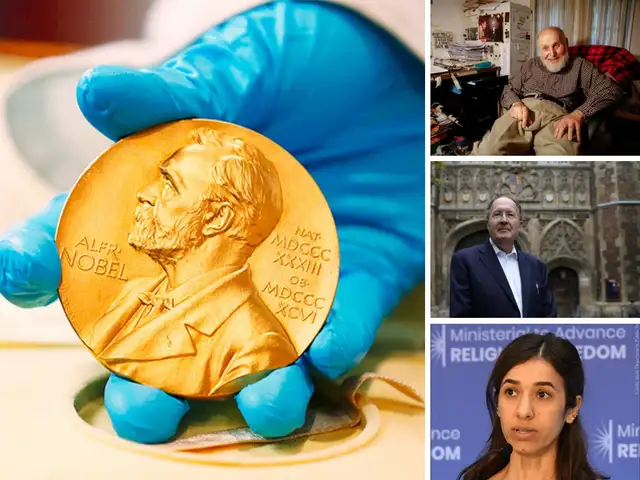
Swedish chemist, engineer and philanthropist Alfred Bernhard Nobel believed people can improve the society with knowledge, science and humanism.
Nobel Prize, part of the scientist's will, has been in existence since 1895. The award is presented for exceptional work in the fields of physics, chemistry, physiology/medicine, literature, peace and economic sciences.
After a #MeToo scandal, this year's Literature Prize was scrapped for the first time in 70 years.
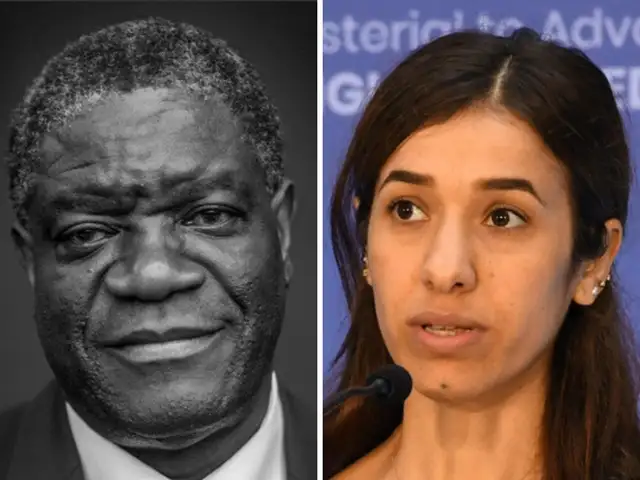
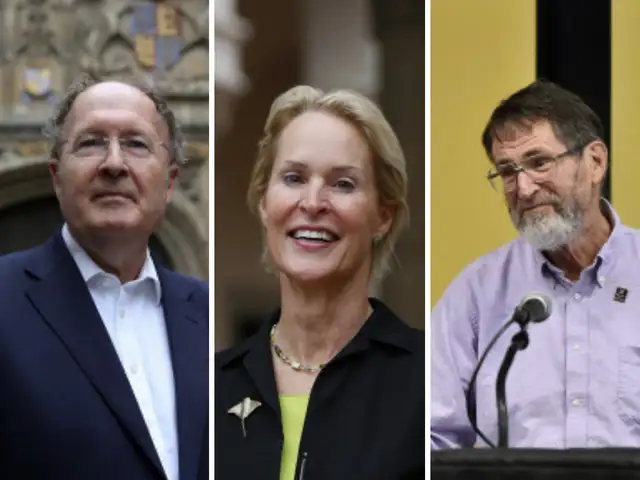
Here's a look at the Nobel laureates of 2018.

“He researched and wrote about fluid mechanics under different thermal conditions after which he returned to India in 1940 and joined the Hindustan Aeronautics Limited (HAL),” said Rajani Ghatage, his daughter, who works in the hospitality industry. “After two years, he moved to the IISc because he did not want to work for the British. He remained there till 1948.”
ADVERTISEMENT
In 1948, Ghatage became chief designer at HAL and designed the HT-2, which found service in the Indian Air Force (IAF). “He then designed light aircraft Pushpak, which was used by flying clubs, agriculture aircraft Krishak and jettrainer Kiran,” said Rajani. All these aircraft would go on to be star attractions at IAF shows. He rose to the post of general manager and managing director of HAL and retired in 1971.
Ghatage, who received a Padma Shri in 1965 and the Sir Walter Puckey Indian Prize for his contribution to production engineering, was also an avid golfer and painter. According to Rajani, he was instrumental in forming the Karnataka Golf Association in the 1970s. He specialised in portrait paintings in water colour and had a good eye for colour schemes. HAL has named one of its convention centres after him.
A guide to help you out...

His nephew Ajay Ghatage said that the aerospace engineer often discussed language with his father (a Sanskrit scholar). “As far as his own family was concerned, he expected them to make a name for themselves without any recommendations,” he said.
Download
The Economic Times Business News App for the Latest News in Business, Sensex, Stock Market Updates & More.
The Economic Times Business News App for the Latest News in Business, Sensex, Stock Market Updates & More.
ADVERTISEMENT


