How Millers tank breach helps us understand recent flooding in Bengaluru
For decades, old lake beds have become prime real estate.
By Divya Shekhar, ET Bureau |

Agencies
Millers Tank
Millers tank was made functional in the early 1870s to fulfil the water needs of the British civil and military station. According to the Gazetteer of Mysore by BL Rice, the cantonment earlier obtained good water from neighbouring wells but several quarters, including the Cavalry barracks, continued to face water shortage.
According to Harini Nagendra, professor of sustainability, Azim Premji University, the Millers tank was in fact a chain of reservoirs. “Together, they were called the Millers Tank Series. Our ongoing research indicates that in the 19th century, there were at least three smaller tanks around Millers tank.”
Researchers surmise that the Millers tank was named after General Sir John Miller Adye, who was appointed the commander of the artillery in the Madras presidency in 1859. In March 1863, he became the deputy adjutant-general of artillery in India, which meant that he was responsible for fusing three Indian artillery regiments with the British royal artillery.
Nagendra said that though the Millers tank, along with Ulsoor and Shoolay, was crucial for Bengaluru, archival documents suggest that there were many discussions around hygiene levels of the water body. In some cases, tanneries were situated too close to the tank, while in others, it was polluted by excreta flowing from nearby settlements. Due to threat of epidemics like plague and cholera and to safeguard drinking water, manure carts were not permitted to travel from the old city to the civil and military station.

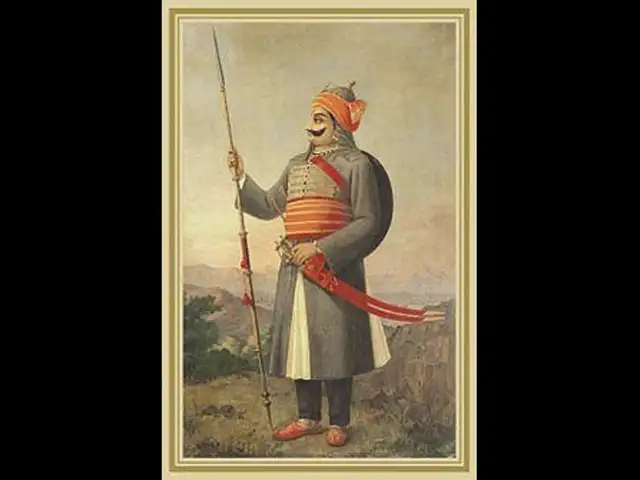
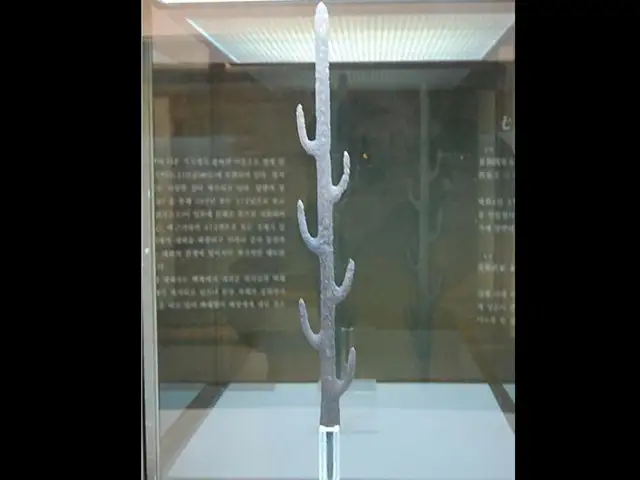
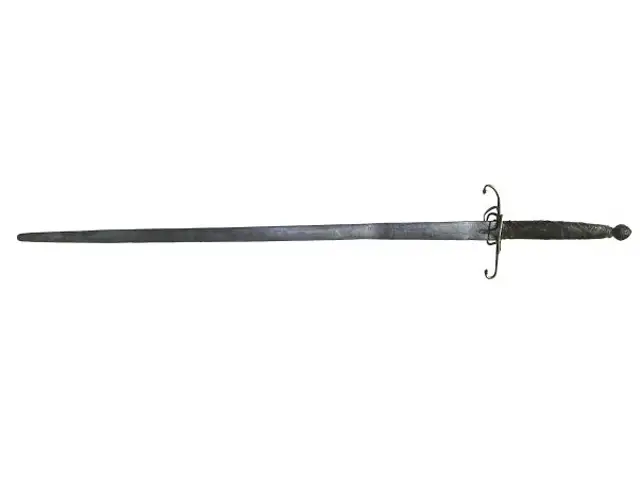
The famous sword of Tipu Sultan made news recently when Vijay Mallya, its most recent owner, gave it away as it had brought him ”bad luck”. Let’s take a look at other legendary swords and the kings who brandished them.
(Image: www.nationalmuseumindia.gov.in & Tex: Viandra Dsouza)
When the Millers tank was insufficient to meet growing water requirements of the cantonment, the Sankey tank was built nearby in 1882. Eventually, officials went out of the city in search of water and the Hesarghatta scheme was launched around 1892.
Over the years, experts have argued that reconnecting storm water drains to existing tank beds will replenish water in the latter. Even if pollutants enter, biotic treatment systems within tank beds can cleanse them.
Breaching the tank freed up real estate in the heart of the Cantonment. Still referred to as the Miller’s Tank Bed Area, it houses sporting clubs, cultural centres and institutes. It is also a grim reminder that flooding of homes, roads and entire localities in the city during the past two days is a result of encroachment of spaces like these.
Millers tank was made functional in the early 1870s to fulfil the water needs of the British civil and military station. According to the Gazetteer of Mysore by BL Rice, the cantonment earlier obtained good water from neighbouring wells but several quarters, including the Cavalry barracks, continued to face water shortage.
According to Harini Nagendra, professor of sustainability, Azim Premji University, the Millers tank was in fact a chain of reservoirs. “Together, they were called the Millers Tank Series. Our ongoing research indicates that in the 19th century, there were at least three smaller tanks around Millers tank.”
Researchers surmise that the Millers tank was named after General Sir John Miller Adye, who was appointed the commander of the artillery in the Madras presidency in 1859. In March 1863, he became the deputy adjutant-general of artillery in India, which meant that he was responsible for fusing three Indian artillery regiments with the British royal artillery.
Nagendra said that though the Millers tank, along with Ulsoor and Shoolay, was crucial for Bengaluru, archival documents suggest that there were many discussions around hygiene levels of the water body. In some cases, tanneries were situated too close to the tank, while in others, it was polluted by excreta flowing from nearby settlements. Due to threat of epidemics like plague and cholera and to safeguard drinking water, manure carts were not permitted to travel from the old city to the civil and military station.
(Image: www.nationalmuseumindia.gov.in & Tex: Viandra Dsouza)



When the Millers tank was insufficient to meet growing water requirements of the cantonment, the Sankey tank was built nearby in 1882. Eventually, officials went out of the city in search of water and the Hesarghatta scheme was launched around 1892.
ADVERTISEMENT
“By the 1960s and 70s, the Millers tank was intentionally breached and built upon because it was considered malarial and swampy. Officials did not realise that the problem was not with the tank itself but with the drainage system,” said Nagendra.Over the years, experts have argued that reconnecting storm water drains to existing tank beds will replenish water in the latter. Even if pollutants enter, biotic treatment systems within tank beds can cleanse them.
Breaching the tank freed up real estate in the heart of the Cantonment. Still referred to as the Miller’s Tank Bed Area, it houses sporting clubs, cultural centres and institutes. It is also a grim reminder that flooding of homes, roads and entire localities in the city during the past two days is a result of encroachment of spaces like these.
Download
The Economic Times Business News App for the Latest News in Business, Sensex, Stock Market Updates & More.
The Economic Times Business News App for the Latest News in Business, Sensex, Stock Market Updates & More.
ADVERTISEMENT


