Cunningham Road: This Bengaluru street named after Scottish writer is home to premium realty
The writer Francis Cunningham served as a secretary in the civil commission of Mysore under Sir Mark Cubbon.
By Divya Shekhar, ET Bureau | Updated:

Agencies
Cunningham Road
The Department of Stamps and Registration (DSR) recently proposed guidance value for properties on Cunningham Road — from Sankey to Chandrika Hotel — at Rs 2,29,100 per sqm, as against Rs 1,99,200 per sqm last year. The area around Cunningham Road up to Balekundri Circle is pegged at Rs 2,78,600 per sqm, up from Rs 2,42,200 per sq mt in 2017. This makes Cunningham Road the costliest real estate locality Bengaluru. Once known for its quiet bungalows, the locality is now a bustling mix of residences and commercial spaces, with just a handful of heritage properties remaining.
Cunningham Road is named after a soldier of the Madras Army, who, by virtue of being born into a Scottish family of literary intellectuals, pursued writing himself. Francis Cunningham was the third of four children born to Allan Cunningham (a popular poet) and Jean Walker, said Mansoor Ali, founder, Bengaluru By Foot.
“In Bengaluru, he served as a secretary in the civil commission of Mysore under Sir Mark Cubbon and built the Cubbon Lodge at Nandi Hills,” Ali explained. Cunningham also resided in the Balabrooie guest house on Palace Road, which was built by Mark Cubbon in the 1850s.
Francis’ eldest brother, Joseph Davy Cunningham, followed in their father’s footsteps to become a writer. Considered an expert on Punjab historiography, he authored ‘A History of the Sikhs: From the Origin of the Nation to the Battles of the Sutlej’. Francis’ second brother Alexander was an archeologist who established what has come to be the Archaeological Survey of India (ASI). His younger brother Peter, was a writer and literary editor.

Essentially the Oscars for sites that are naturally beautiful or culturally significant, the UNESCO World Heritage List is revaluated every year.
This week, the World Heritage Committee made 21 new choices during a meeting in Krakow, Poland.
The World Heritage Committee decided which of 33 nominated sites were worthy of being named the World Heritage Sites.
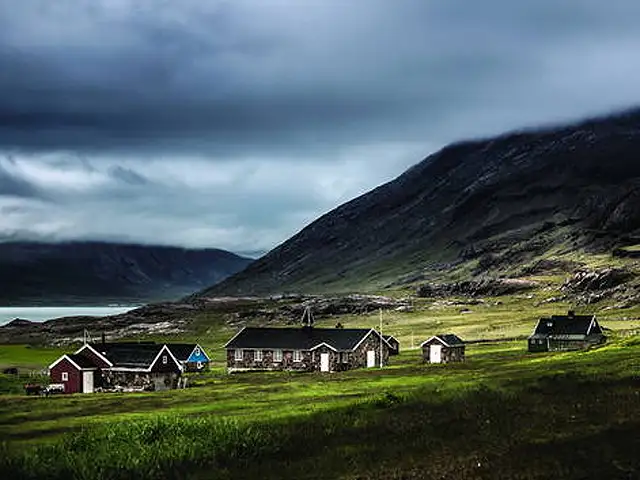
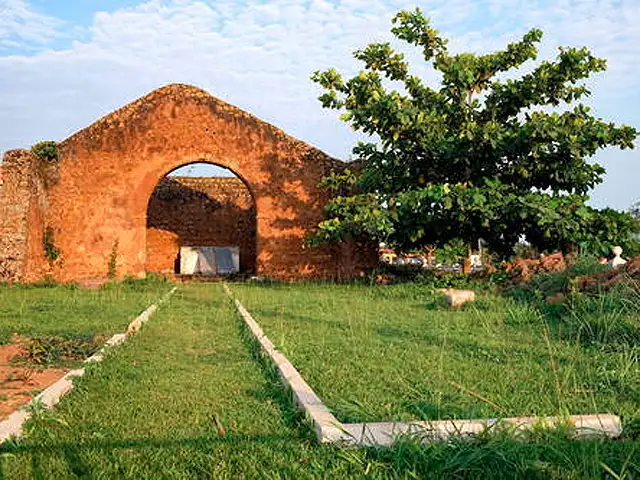
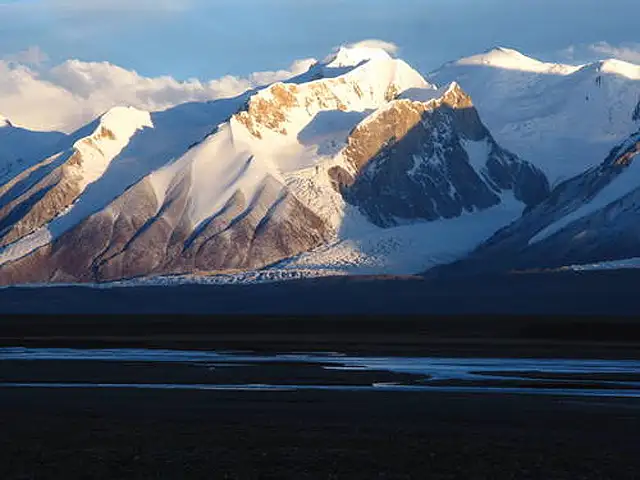
Eventually, 20 new places were added to the list, including the City of Yazd in Iran and Lake District in the UK.
According to the Dictionary of Indian Biography by Charles Edward Buckland, Francis Cunningham’s credentials matched that of his family’s. After completing training at the Military Seminary of the East India Company at Addiscombe, his first posting was with the 23rd Madras Native Infantry in 1838. “(He) was distinguished as a field engineer in the defence of Jalalabad (First Afghan War) in 1842,” the Dictionary states. Cunningham also pursued a literary career simultaneously. “He edited (works of playwrights) Marlow, Massinger and Ben Jonson, by which he is best known.”
Cunningham was posted in Bengaluru in 1850. “Cunningham Road was named after him in the 1880s. There is a map dating back to the time with the name on it,” said Ali. “Earlier, the road was dotted with palatial bungalows for the British elite. Today, it is more commercial in nature. Also, Cunningham Road has been officially re-named as Sampige Ramaswamy Temple Road, after the old temple opposite Hotel Chandrika.”
Francis Cunningham retired in 1861, after which he left Bengaluru. He died on December 3, 1875.
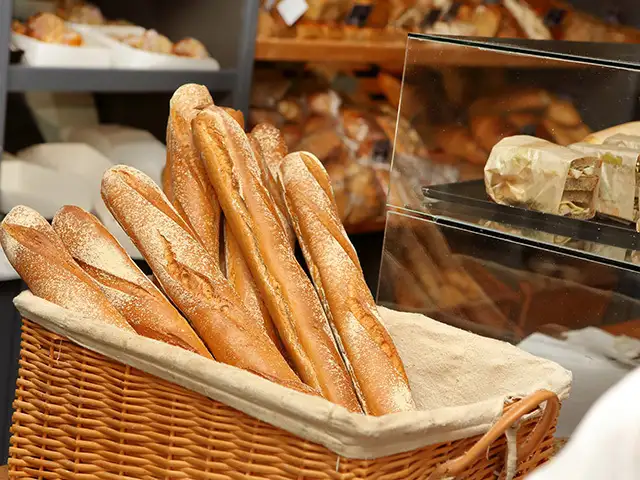
French President Emmanuel Macron wants the UNESCO to give baguettes a heritage tag.
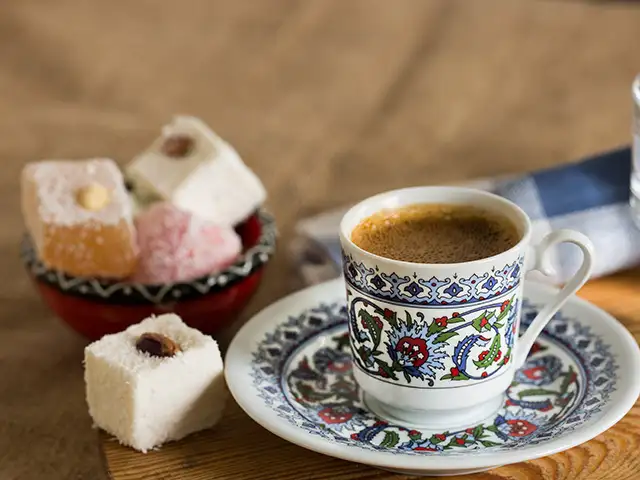
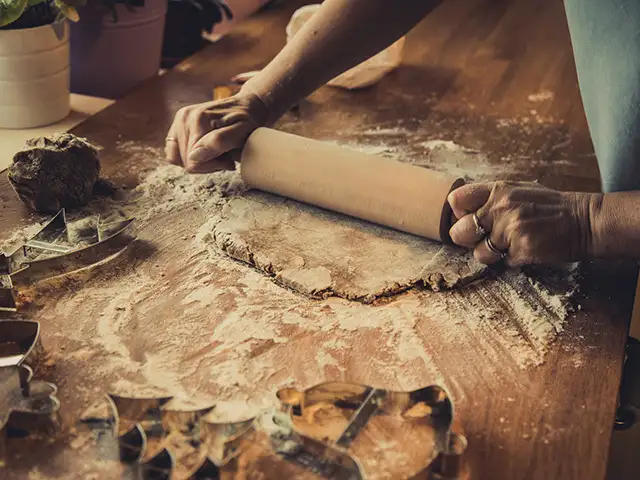
A look at dishes on the list:
The Department of Stamps and Registration (DSR) recently proposed guidance value for properties on Cunningham Road — from Sankey to Chandrika Hotel — at Rs 2,29,100 per sqm, as against Rs 1,99,200 per sqm last year. The area around Cunningham Road up to Balekundri Circle is pegged at Rs 2,78,600 per sqm, up from Rs 2,42,200 per sq mt in 2017. This makes Cunningham Road the costliest real estate locality Bengaluru. Once known for its quiet bungalows, the locality is now a bustling mix of residences and commercial spaces, with just a handful of heritage properties remaining.
Cunningham Road is named after a soldier of the Madras Army, who, by virtue of being born into a Scottish family of literary intellectuals, pursued writing himself. Francis Cunningham was the third of four children born to Allan Cunningham (a popular poet) and Jean Walker, said Mansoor Ali, founder, Bengaluru By Foot.
“In Bengaluru, he served as a secretary in the civil commission of Mysore under Sir Mark Cubbon and built the Cubbon Lodge at Nandi Hills,” Ali explained. Cunningham also resided in the Balabrooie guest house on Palace Road, which was built by Mark Cubbon in the 1850s.
Francis’ eldest brother, Joseph Davy Cunningham, followed in their father’s footsteps to become a writer. Considered an expert on Punjab historiography, he authored ‘A History of the Sikhs: From the Origin of the Nation to the Battles of the Sutlej’. Francis’ second brother Alexander was an archeologist who established what has come to be the Archaeological Survey of India (ASI). His younger brother Peter, was a writer and literary editor.
This week, the World Heritage Committee made 21 new choices during a meeting in Krakow, Poland.
The World Heritage Committee decided which of 33 nominated sites were worthy of being named the World Heritage Sites.
Eventually, 20 new places were added to the list, including the City of Yazd in Iran and Lake District in the UK.




According to the Dictionary of Indian Biography by Charles Edward Buckland, Francis Cunningham’s credentials matched that of his family’s. After completing training at the Military Seminary of the East India Company at Addiscombe, his first posting was with the 23rd Madras Native Infantry in 1838. “(He) was distinguished as a field engineer in the defence of Jalalabad (First Afghan War) in 1842,” the Dictionary states. Cunningham also pursued a literary career simultaneously. “He edited (works of playwrights) Marlow, Massinger and Ben Jonson, by which he is best known.”
ADVERTISEMENT
Cunningham was posted in Bengaluru in 1850. “Cunningham Road was named after him in the 1880s. There is a map dating back to the time with the name on it,” said Ali. “Earlier, the road was dotted with palatial bungalows for the British elite. Today, it is more commercial in nature. Also, Cunningham Road has been officially re-named as Sampige Ramaswamy Temple Road, after the old temple opposite Hotel Chandrika.”
Francis Cunningham retired in 1861, after which he left Bengaluru. He died on December 3, 1875.
A look at dishes on the list:


Download
The Economic Times Business News App for the Latest News in Business, Sensex, Stock Market Updates & More.
The Economic Times Business News App for the Latest News in Business, Sensex, Stock Market Updates & More.
ADVERTISEMENT


