HUL boss Sanjiv Mehta bats for apprenticeship, says Indian education system must inculcate training in curriculum
Academia and business need to co-create a curriculum that will address present-day skill needs, he said.
By Shannon Tellis, ET Bureau | Updated:

BCCL
Academia and business need to co-create a curriculum that will address present-day skill needs.
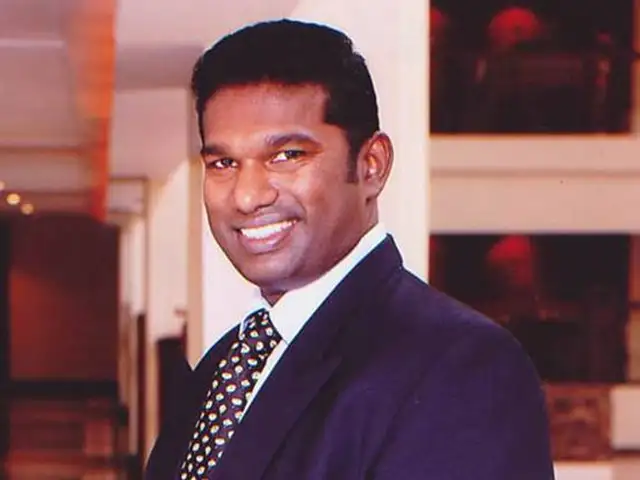
Technological advancements over the years have forced organisations to rethink the integration of man and machine. Organisations are spending a lot of money retraining and re-skilling their employees for the Industrial Revolution 4.0. But most of this training to address the present-day skill needs happens once employees have already joined the company not while they’re still studying.
Is there an easier way to build the right skillsets? Sanjiv Mehta, Chairman & Managing Director, Hindustan Unilever Limited seems to think so.
While delivering a keynote address at the CII 9th HR National Conclave recently, Mehta spoke of how forging partnerships between academia and business could help develop and sustain high skill levels.
The education system needs to address present-day skills needs and businesses can help by co-creating the curriculum, said Mehta.
“I think the interface between academia and business has to go up several notches,” he said. “Business has a role to play in helping co-create the curriculum. Otherwise, we’re working in silos where the academicians create a curriculum that might be irrelevant for the industry.”
Start them young
Another way of bridging the gap between academia and business is building a culture of apprenticeship. “In India, apprenticeship hasn’t taken off at all. This is something we need to do at a far bigger scale,” said Mehta. “If you look at Germany of Japan, one of the biggest things they’ve done is (introduce) the culture of apprenticeship.”
“(In an apprenticeship system) Young people begin working in an industry at a very young age, not just to earn pocket money but to understand what they need to learn (in order) to create a career for themselves.”
Re-Inventing the Game
“My personal belief is that the best of Europe is behind them but the U.S. keeps reinventing itself. And one of the reasons why the U.S. keeps reinventing itself is because of its innovation ecosystem. In their innovation ecosystem, the corporation the academic institutions and the research institutions all come together. That’s how the best of innovation and the best of talent still works in the U.S.”
Technological advancements over the years have forced organisations to rethink the integration of man and machine. Organisations are spending a lot of money retraining and re-skilling their employees for the Industrial Revolution 4.0. But most of this training to address the present-day skill needs happens once employees have already joined the company not while they’re still studying.
Is there an easier way to build the right skillsets? Sanjiv Mehta, Chairman & Managing Director, Hindustan Unilever Limited seems to think so.
While delivering a keynote address at the CII 9th HR National Conclave recently, Mehta spoke of how forging partnerships between academia and business could help develop and sustain high skill levels.
The education system needs to address present-day skills needs and businesses can help by co-creating the curriculum, said Mehta.
“I think the interface between academia and business has to go up several notches,” he said. “Business has a role to play in helping co-create the curriculum. Otherwise, we’re working in silos where the academicians create a curriculum that might be irrelevant for the industry.”
ADVERTISEMENT
Start them young
Another way of bridging the gap between academia and business is building a culture of apprenticeship. “In India, apprenticeship hasn’t taken off at all. This is something we need to do at a far bigger scale,” said Mehta. “If you look at Germany of Japan, one of the biggest things they’ve done is (introduce) the culture of apprenticeship.”
“(In an apprenticeship system) Young people begin working in an industry at a very young age, not just to earn pocket money but to understand what they need to learn (in order) to create a career for themselves.”
Re-Inventing the Game
“My personal belief is that the best of Europe is behind them but the U.S. keeps reinventing itself. And one of the reasons why the U.S. keeps reinventing itself is because of its innovation ecosystem. In their innovation ecosystem, the corporation the academic institutions and the research institutions all come together. That’s how the best of innovation and the best of talent still works in the U.S.”
ADVERTISEMENT
Incarceration can have unintended consequences. From Jeffrey Epstein (L) to Harshad Mehta (R), some big names have died behind bars.



Download
The Economic Times Business News App for the Latest News in Business, Sensex, Stock Market Updates & More.
The Economic Times Business News App for the Latest News in Business, Sensex, Stock Market Updates & More.
ADVERTISEMENT


