Samsung J4++ - 2GB RAM, 32GB storage, 13MP rear camera, 5MP front camera Price: Rs 10,990 Rating: **1/2
Samsung J6++ - 4GB RAM, 64GB storage, 13MP + 5MP dual rear camera, 8MP front camera, side mounted fingerprint scanner
Price: Rs 15,990 Rating: **1/2
Common specifications: Quad core Snapdragon 425 processor, 6-inch 18:9 IPS display (1480 x 720 pixels), dual SIM slots, dedicated microSD slot, 4G with VoLTE, WiFi n, Bluetooth 4.2, Android 8.1 with face unlock, 3,300mAh battery, 178 grams
Pros: Stylish design, large screens, loud speaker volume, fantastic battery life, good rear camera performance in daylight, Widevine L1 support, minimal preloaded bloatware
ADVERTISEMENT
Cons: Snapdragon 425 is a major bottleneck in performance, priced high compared to competition, slow face unlock, side fingerprint scanner on J6+ is slow and impractical for left hand users, glass back picks up smudges quickly, weak low light camera performance
The J range of devices from Samsung covers the entry to the mid-range segment. At the time of writing, Samsung has more than 20 options available in the J series, ranging in price from Rs 5,000 to Rs 20,000. The J4+ and J6+ are the latest additions and are aimed at users who want big screens with good battery life.
One of the reasons for the combined review of the two phones is that the devices are very similar. Both have a similar design and features and also share the same processor (a Qualcomm Snapdragon 425). The J4+ has 2GB RAM and 32GB storage while J6+ has 4GB RAM and 64GB storage. Both are powered by a 3,300mAh battery and have a dedicated microSD slot for storage expansion.
Samsung J6+
ADVERTISEMENT
Both the J4+ and J6+ a 6-inch, 18:9 displays with an IPS panel and a resolution of 1480 x 720 pixels. We found the screens to be bright and with wide viewing angles. However, the side bezels are thicker compared to the competition. While the HD resolution on J4+ could be counted as acceptable for the asking price, the same on a Rs 16k phone for the J6+ seems like a joke. Most devices above 10k now come with full HD display be it 18:9 screen or a notch style display.
Design is an area where the phones score better. Both are available in multiple colours and feature a glass-like glossy finish on the back panel. This gives them both a premium look and feel which a lot of consumers would like. They’re also comfortable to hold thanks to the curved edges and have a sturdy feel. Keep in mind that since it’s a glossy finish, it attracts a lot of smudges and fingerprints.
ADVERTISEMENT
On the left side you have the SIM slots, microSD slot and volume button on both the devices. Right side has a power button but in the case of the Samsung J6+, the power button also integrates a fingerprint scanner. We have previously seen this type of side scanner on Sony phones and always found it impractical especially for left handed users. To top it all, the scanner is not very fast – it sometimes takes up to two seconds to recognize, unlock and wake the display. Both devices also come with face unlock feature and this is not very fast either. It takes between 1-2 seconds to recognize a face and unlock the phone. It won’t work if the ambient light drops. We ended up using the on-screen pattern about half of the time.
Things get worse in the performance department. If having an older entry level processor at Rs 11k and Rs 16k smartphone respectively was not bad enough, both the phones have choppy animations and feel sluggish. The J4+ has 2GB RAM and 32GB storage and straight out of the box (without installing any thirdparty app), the phone uses up 1.2GB memory. You are left with 834MB free RAM which gets consumed up quickly as you install basic social media and multimedia apps.
Apps take time to launch as well as load and the device takes time to load photos from the gallery, switch between multiple browser tabs and even exit running apps. Much to our surprise, the Samsung J6+ with 4GB RAM and 64GB storage also suffered from similar issues. It was slightly better in performance thanks to double the RAM but the entry level processor is a big bottleneck. If there were more than 7-8 apps running in the background, it fared the same as the J4+.
Samsung J4+ The silver lining here is the battery life – both phones have a 3,300mAh battery. With normal use, we were able to get a full day of battery life (8am to 10pm) with around 20% battery life to spare. However, Samsung has cut corners with the chargers — you get a basic 5V 1A charger which takes between 3-4 hours to charge the phones.
Rear camera on both the devices are above average. While the J4+ has a single 13MP camera (f1.9), the J6+ has a dual camera (13MP + 5MP). Both the phones take images with good details and natural colours when there is adequate lighting. The J6+ comes with a dedicated Live Focus mode for a bokeh effect which works well but the edge detection is not always accurate. In low light, both phones suffer from visible noise and soft details – the photos are good enough to view on the phone’s screen only and that too without zooming in on them. J4+ has a 5MP front camera while the J6+ has an 8MP camera — both offer a selfie focus feature to add background blur. Image quality is also similar despite the difference in megapixels — photos taken in daylight capture good amount of details. Trouble is that indoors, you can see the details get soft and in low light, there is a lot of visible noise in the photos.
There are a few other good things on both the phones. They support Widevine L1 which means you can stream DRM content (from Netflix, Amazon Prime etc) in HD on the devices. The volume output from the earpiece speaker is loud and clear for voice calls. A new emotify feature is integrated to help you create emojis with an avatar that looks like you — this adds a fun touch to messaging.
If you are a Samsung loyalist, you might consider these two phones at their respective prices. Keep in mind that there are a number of better options available at these prices. Consider the Redmi 6 Pro or the Asus Zenfone Max Pro M1 for Rs 11k instead of the J4+, you’ll get a better processor, full HD displays, dual rear cameras and a bigger battery. In place of the Samsung J6+, you should look at the Realme 2 Pro, Honor 8X, Mi A2 or the Moto One Power — all of these are just unquestionably better.
Oppo Find X, Xiaomi Mi 8 & Other Upcoming Phones Worth Getting Excited About
1/6
July is turning out to be one of the most interesting months for smartphone launches. We’re going to see a lot of action across price segments says Karan Bajaj, as he does a round-up of the most interesting ones.
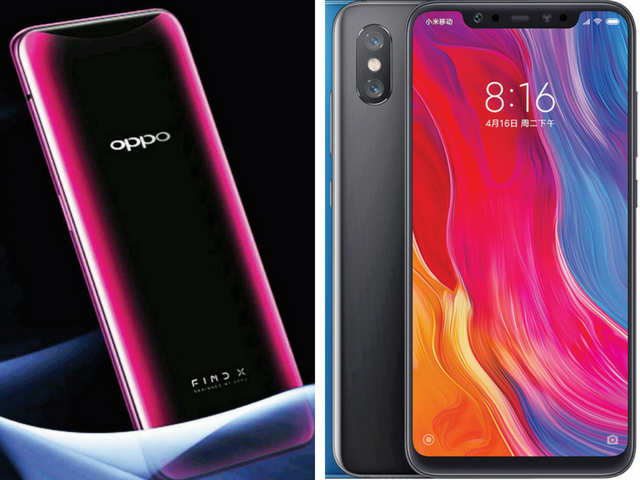
In Pic: Oppo Find X (L) and Xiaomi Mi 8 (R).
July is turning out to be one of the most interesting months for smartphone launches. We’re going to see a lot of action across price segments says Karan Bajaj, as he does a round-up of the most inte..
Read More
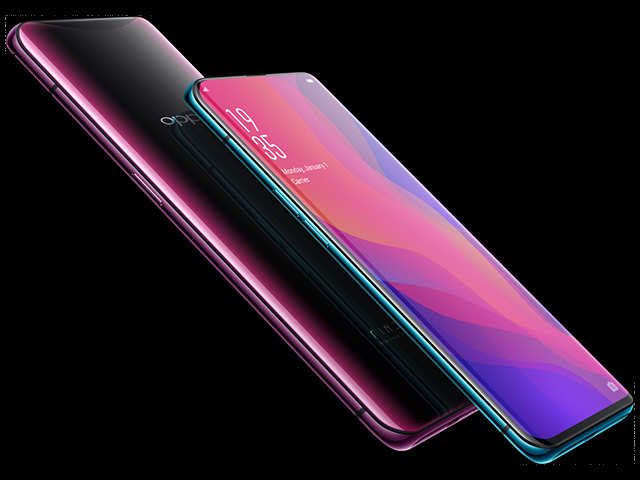
The Find X was launched just a few weeks ago and India is expected to be amongst the first lot of countries to get it. The Find X has a beautiful glass body with a motorized camera module. The front has a 6.4-inch curved Amoled display (without a notch) giving it a screento-body ratio of 93%. Inside is a Qualcomm Snapdragon 845 processor, 8GB RAM, 128/256GB storage and a 3,730mAh battery. The motorized camera module hides a 16MP + 20MP dual rear camera and a 25MP front camera. It also has a 3D face scanning face ID feature (with infrared emitters, similar to the iPhone X) and VOOC fast charge support. Other features include dual SIM slots, USB Type-C port and Android 8.1.
Expected Price: Rs 60,000 onwards(Image: oppo.com)
The Find X was launched just a few weeks ago and India is expected to be amongst the first lot of countries to get it. The Find X has a beautiful glass body with a motorized camera module. The front ..
Read More
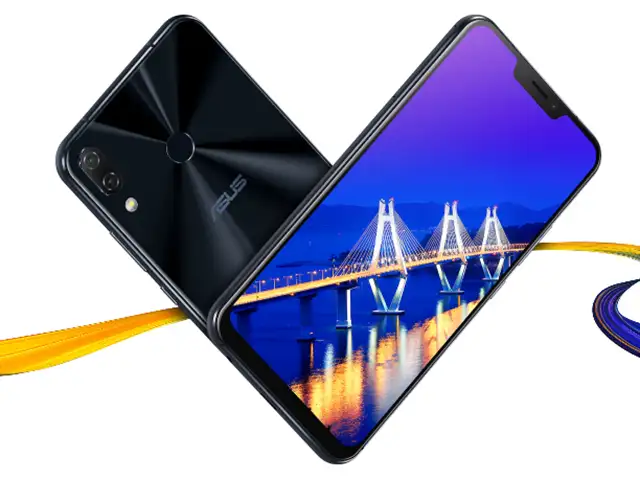
The Zenfone 5Z will be the second smartphone to be available in India with the Qualcomm Snapdragon 845 processor. It has a 6.2-inch IPS display in 19:9 aspect ratio with a resolution of 2246 x 1080 pixels. The phone is expected to be launched with 6/8GB RAM and 64/128/256GB storage options. In the camera department, it has a 12MP + 8MP dual camera setup with OIS on the rear and a 8MP front camera. Other features include 3,300mAh battery with fast charge support, Hybrid dual SIM slot, expandable storage, rear fingerprint scanner, USB Type-C port, and Android 8.0 with Face unlock. Asus seems poised to take on OnePlus and we therefore expect them to undercut OnePlus prices by a significant margin, making it one of the cheapest Snapdragon 845 phones around.
Price: Rs 29,999 onwards
(Image: asus.com)
The Zenfone 5Z will be the second smartphone to be available in India with the Qualcomm Snapdragon 845 processor. It has a 6.2-inch IPS display in 19:9 aspect ratio with a resolution of 2246 x 1080 p..
Read More
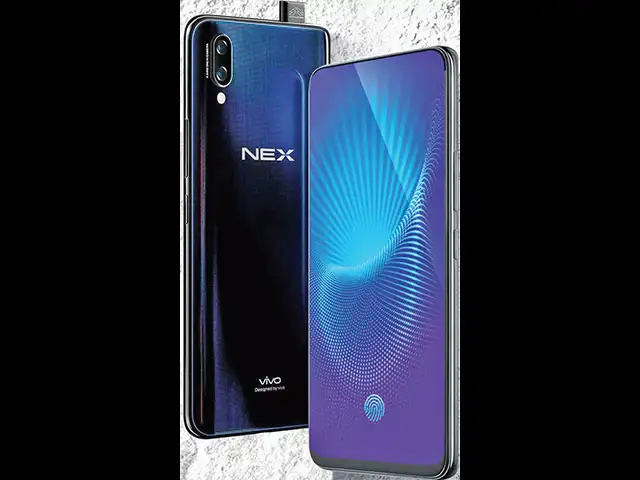
NEX is the other unique phone expected to arrive in India this month. Doing away with the screen notch, the phone has an 8MP selfie camera module that pops out on top. It has a 6.59-inch amoled display giving it a screen to body ratio of 91%. The phone comes in two variants: NEX A and NEX S — we expect Vivo to only launch the topend NEX S in India because they’re gunning for the premium market. The NEX S runs a Snapdragon 845 processor, 8GB RAM, 128/256GB storage and has a 4,000mAh battery with fast charge support. It also has a under screen fingerprint scanner, 12MP + 5MP dual rear camera with OIS, dual SIM slot, USB Type-C port and Android 8.1.
Expected Price: Rs 50,000 onwards
NEX is the other unique phone expected to arrive in India this month. Doing away with the screen notch, the phone has an 8MP selfie camera module that pops out on top. It has a 6.59-inch amoled displ..
Read More
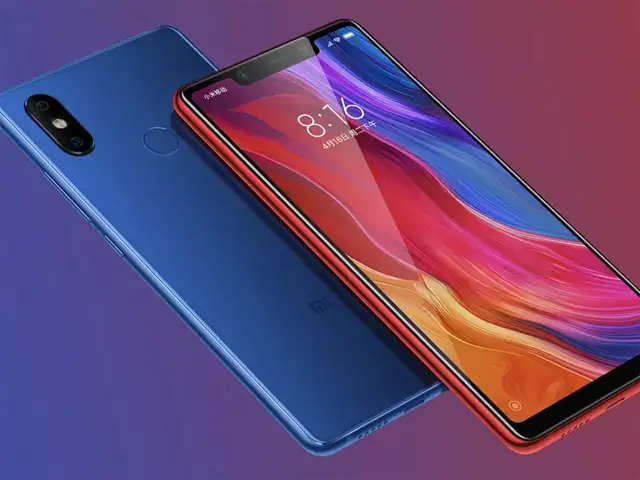
Xiaomi’s previous premium device in India was the Mi Mix 2, launched last year. The company has announced the Mi 8 in China as their new flagship and it is expected that the phone will launch in India this month. The Mi 8 features a notched 6.2-inch amoled display in 19:9 aspect ratio and a 7000 series aluminium frame. It comes with an 3D Face unlock similar to the iPhone X (with infrared), rear fingerprint scanner, dual SIM support and runs the latest MiUI 10 based on Android 8.1. Hardware includes a Qualcomm Snapdragon 845 processor, 6GB RAM, 64/128//256GB storage and a 3,400mAh battery with Quick Charge 4.0 support. It has a 12MP + 12MP dual camera setup with OIS and dual pixel phase detection autofocus on the rear while the front has a 20MP selfie shooter. The Mi 8 is also the first phone in the world with dual-band GPS (purported improved accuracy of 3 to 5 times).
Expected Price: Rs 35,000 onwards
Xiaomi’s previous premium device in India was the Mi Mix 2, launched last year. The company has announced the Mi 8 in China as their new flagship and it is expected that the phone will launch in Indi..
Read More
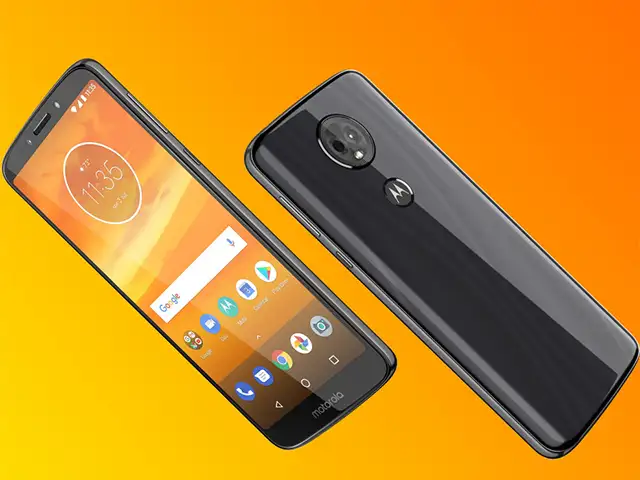
Motorola’s E range of smartphones have always focussed on the budget conscious buyers. The upcoming smartphone in the range, Moto E5 Plus, features a 6-inch 18:9 aspect display with a resolution of 1440 x 720 pixels and weight of 197 grams. The primary reason for the 197 gram heft is probably the massive 5,000mAh battery. Other specifications include a Snapdragon 425 processor, 2/3GB RAM and 16/32GB storage. Motorola has also paid extra attention to the camera on the E5 Plus — it has a 12MP rear camera with f2.0 aperture, phase detection and laser autofocus. On the front, it has a 5MP camera with LED flash. Other features include fast charge support, dual SIM slots, expandable storage, rear fingerprint scanner and Android 8.0.
Expected price: Rs 9,000 onwards
Motorola’s E range of smartphones have always focussed on the budget conscious buyers. The upcoming smartphone in the range, Moto E5 Plus, features a 6-inch 18:9 aspect display with a resolution of 1..