Running a start-up is a marathon, not sprint: Rishi Khiani, serial entrepreneur
Rishi Khiani's start-up, Scootsy, was acquired by food ordering and delivery platform Swiggy.
By Glynda Alves, ET Bureau |

Agencies
Rishi Khiani , co-founder of on-demand delivery platform Scootsy, considers himself a lucky man. For starters, he doesn’t get hangovers. “My team and I celebrated the deal (Swiggy acquiring Scootsy) at a bar. The entire team bought me drinks. By 12.30 am, everyone went home, and I continued celebrating,” Khiani says, with a laugh. The company that he started in 2015 was acquired a few months ago by food ordering and delivery platform Swiggy in an all-cash acquisition deal reportedly valued at about Rs 50 crore. And while he did celebrate the deal, Khiani shares it was a bittersweet moment for him. “I don’t think most people build companies to flip them,” he says.
According to reports, the deal was owing to the cash burn involved in the food delivery segment, which rendered Scootsy helpless in its attempts to raise capital over the past year.
Moving on
Dressed in a crisp white shirt, sitting in his Lower Parel office, Khiani seems to have a lot on his plate. He may have sold his company but letting go is a different story. “This is the second company I have sold,” he says. So, does it get any easier to let go of the reins? “The first one is always harder because you built it from scratch. You wonder: Did I sell too early? Did I sell too late? You get attached to it. Sometimes, if there isn’t clarity about the future of the business or what’s going to happen to the people, the acquisition doesn’t work out.”
But with the sale of Scootsy, Khiani says the founders and the buyer had a similar vision. “The time was right for us. The sale was right. I see them taking Scootsy to a place we couldn’t have on our own.”

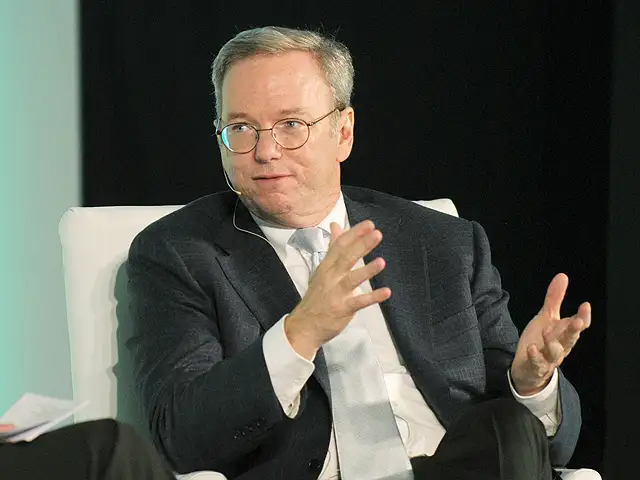
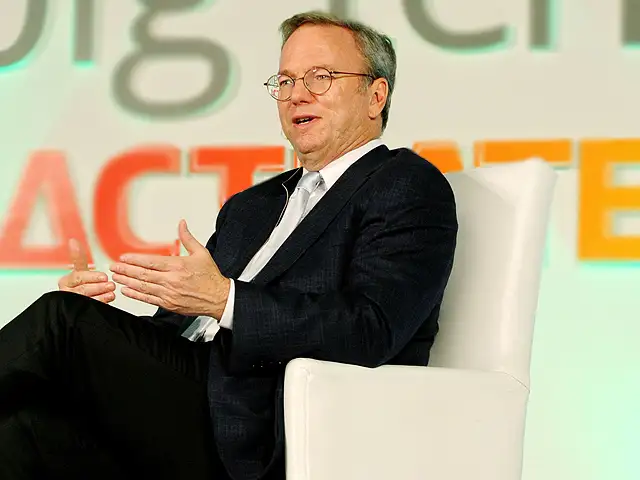
Google parent Alphabet Inc says Eric Schmidt is stepping down as executive chairman, though he isn't leaving the company completely. He will become a technical adviser and still sit on the board.
Here's a look at Schmidt's 17 years with Google and Alphabet.
Timing it
Khiani believes you know it’s time to let go when you’ve done all you can. “This is a cliché, but to run a company is a marathon; it is not a sprint. There are hurdles in every startup. There is this hump in the road that you must cross to take it to the next level. Some people have a lot of things that work for them and some don’t. If you have given it your all… and are able to strike a chord, then you should keep growing. But if you feel that you’ve reached the end of the road and there is an opportunity for you to cash out, find someone to take your company to the next level. Let it reach its full potential,” he says.
Khiani considers himself as someone built to grow a business and then at some point “cut the cord”.
Finding hope
There is, however, a sense of disappointment that lingers on. “We started from scratch and, of course, there was some disappointment that I couldn’t take it to its full potential,” says Khiani. “There was some inner turmoil, especially for the early founders and investors. We were looking for other avenues to raise capital. We reached a point where there were larger players ready to take the bet, but the turnaround time was too long. Swiggy was a meeting of minds. The decision-making process, from start to end, was about three months.”
And then there is always the proverbial silver lining. “This is the sixth or seventh startup I have been associated with, so while there is some disappointment, there is also hope. I cannot wait for my next challenge.”
Khiani says he wants to go mainstream since his previous venture catered to a niche audience. “I want to create an everyday app — one of top four apps you use daily apart from social media. I think there is still a lot of opportunity to disrupt the day-to-day things that you do through technology. But in a good way,” he says.
According to reports, the deal was owing to the cash burn involved in the food delivery segment, which rendered Scootsy helpless in its attempts to raise capital over the past year.
Moving on
Dressed in a crisp white shirt, sitting in his Lower Parel office, Khiani seems to have a lot on his plate. He may have sold his company but letting go is a different story. “This is the second company I have sold,” he says. So, does it get any easier to let go of the reins? “The first one is always harder because you built it from scratch. You wonder: Did I sell too early? Did I sell too late? You get attached to it. Sometimes, if there isn’t clarity about the future of the business or what’s going to happen to the people, the acquisition doesn’t work out.”
But with the sale of Scootsy, Khiani says the founders and the buyer had a similar vision. “The time was right for us. The sale was right. I see them taking Scootsy to a place we couldn’t have on our own.”
Here's a look at Schmidt's 17 years with Google and Alphabet.



Timing it
Khiani believes you know it’s time to let go when you’ve done all you can. “This is a cliché, but to run a company is a marathon; it is not a sprint. There are hurdles in every startup. There is this hump in the road that you must cross to take it to the next level. Some people have a lot of things that work for them and some don’t. If you have given it your all… and are able to strike a chord, then you should keep growing. But if you feel that you’ve reached the end of the road and there is an opportunity for you to cash out, find someone to take your company to the next level. Let it reach its full potential,” he says.
ADVERTISEMENT
Khiani considers himself as someone built to grow a business and then at some point “cut the cord”.
Finding hope
There is, however, a sense of disappointment that lingers on. “We started from scratch and, of course, there was some disappointment that I couldn’t take it to its full potential,” says Khiani. “There was some inner turmoil, especially for the early founders and investors. We were looking for other avenues to raise capital. We reached a point where there were larger players ready to take the bet, but the turnaround time was too long. Swiggy was a meeting of minds. The decision-making process, from start to end, was about three months.”
And then there is always the proverbial silver lining. “This is the sixth or seventh startup I have been associated with, so while there is some disappointment, there is also hope. I cannot wait for my next challenge.”
ADVERTISEMENT
The next stepKhiani says he wants to go mainstream since his previous venture catered to a niche audience. “I want to create an everyday app — one of top four apps you use daily apart from social media. I think there is still a lot of opportunity to disrupt the day-to-day things that you do through technology. But in a good way,” he says.
Download
The Economic Times Business News App for the Latest News in Business, Sensex, Stock Market Updates & More.
The Economic Times Business News App for the Latest News in Business, Sensex, Stock Market Updates & More.
ADVERTISEMENT


