India has been a fertile ground for sport leagues, but only a few have caught on. For sports like kabaddi and badminton, the institution of domestic leagues has been a shot in the arm for enhancing the popularity and quality of the sport in the country. However, other sports like hockey and volleyball have had mixed fortunes in creating an enduring product. Rugby administrators in the country are in a quandary whether to build on slow organic growth, as opposed to starting a league with a lot of marketing blitz.
“So far, everything you are seeing so far is slow, organic. You need a mix of both. To succeed internationally, you need more than just a ball to play with. You need to be able to get people to the game, the right coaching and more importantly, the right infrastructure in place to foster sustained growth. Rugby in India can only grow organically. Even if we were to get USD 20 million, we won’t be able to expand by a factor of 50 in a short time span,” said Mahesh Mathai, General Secretary, Rugby India.
However, he reckons that the game make become more popular in the short-term if a mass market sporting product were to be developed. “There might be more local support for rugby. Indian players will improve by rubbing shoulders with international peers. But we can only expand our base if there is organic growth. The best way to get a wider following is to make sure more kids play the sport. Exposure would be more if there’s a league,” he said.
While expanding the reach of domestic games has been a priority for the sport’s governing body, the lack of airtime on television channels has been a major setback, believes Nasser Hussain, General Manager, Rugby India. “It would definitely help to have a televised property – be it a league or coverage of the game we are already organising. It would help in creating awareness, understanding of the game, and in creating a fan base. All that will complement the organic growth that is going on,” he said.
Rugby India has benefited from support from corporates who are committed to the organic approach, which is slow, but leads to greater returns in the long term. The French bank Société Générale is one such sponsor that is invested to spreading the gospel of rugby in India. “They (Société Générale) have a very strong synergy with the values of the sport. They don’t tell us that in one year, we want to have our name out there – brand recall and things like that. We are looking at a five-year time frame to develop the sport so that it can be leveraged in the favour of all stakeholders,” Hussain said.
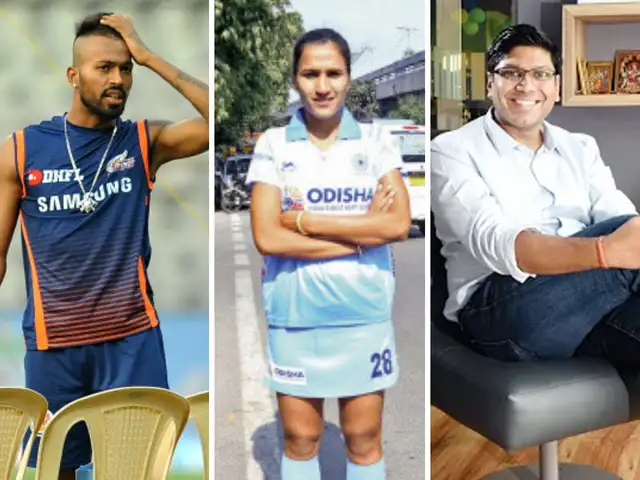
Hardik Pandya, Rani Rampal, Peyush Bansal: Sports And Business Leaders Reveal Their Tools Of Success
1/10
By ET Bureau
Come Dussehra, leading business and sports names reveal their tools of success and the instruments that play a role in their professional lives.
In pic: From left (Hardik Pandya, Rani Rampal, Peyush Bansal)
By ET BureauCome Dussehra, leading business and sports names reveal their tools of success and the instruments that play a role in their professional lives.In pic: From left (Hardik Pandya, Rani Ramp..
Read More
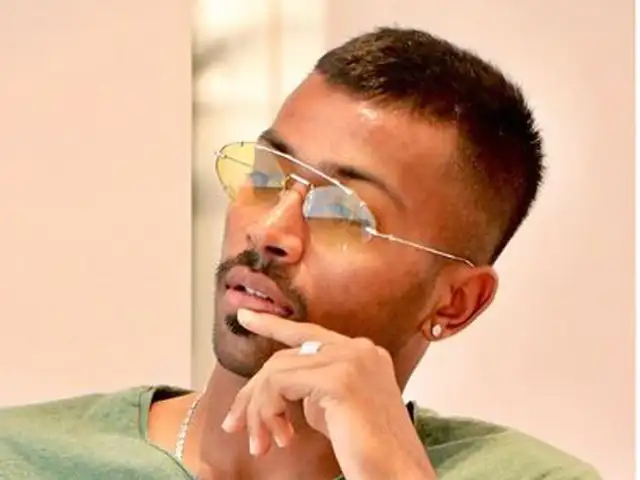
Indian cricketer “Since I am an all-rounder, for me, the bails would be something I would worship related to work. Cricket is everything for me. I can’t imagine life without it. When I bat or bowl, they [the bails] play a very important role.”
Image: Hardik Pandya/Instagram
Indian cricketer “Since I am an all-rounder, for me, the bails would be something I would worship related to work. Cricket is everything for me. I can’t imagine life without it. When I bat or bowl, t..
Read More
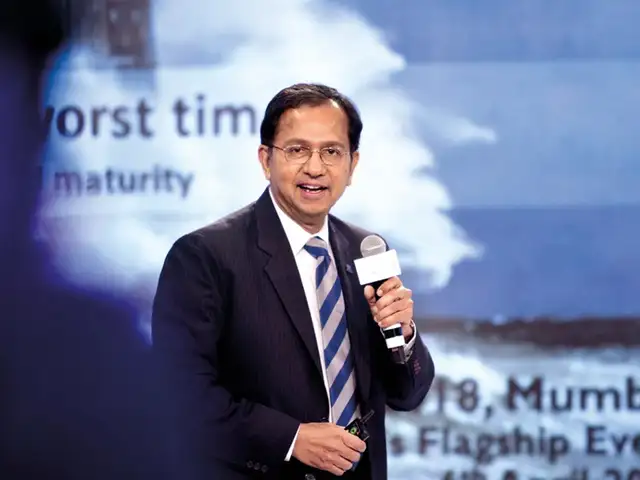
Suresh Narayanan, chairman, Nestlé India “I worship, trust and have witnessed the power of people. [During my career] I have tried to empower, enable and nurture my team to ensure that our relationships stay strong, durable, credible and sustainable. I have abiding faith in the strength and support of employees, partners, distributors, suuppliers and consumers. My life’s learning has been that if you take care of people, they take care of you.”
Suresh Narayanan, chairman, Nestlé India “I worship, trust and have witnessed the power of people. [During my career] I have tried to empower, enable and nurture my team to ensure that our relationsh..
Read More
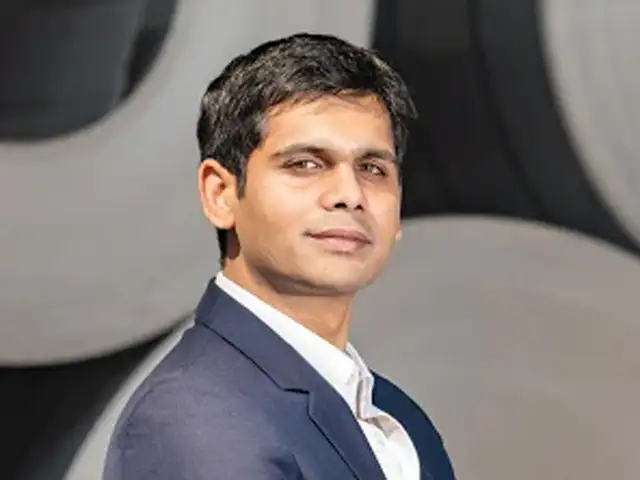
Abhyuday Jindal, MD, Jindal Stainless Ltd “If work is worship, worship is integrity. The integrity of intent and action. The integrity of human relationships, of al lowing them to change the world, starting with ourselves, for a better version. The integrity of practising what we preach. The integrity of courage, taking risks and owning the rewards and retributions that come with it.”
Abhyuday Jindal, MD, Jindal Stainless Ltd “If work is worship, worship is integrity. The integrity of intent and action. The integrity of human relationships, of al lowing them to change the world, s..
Read More
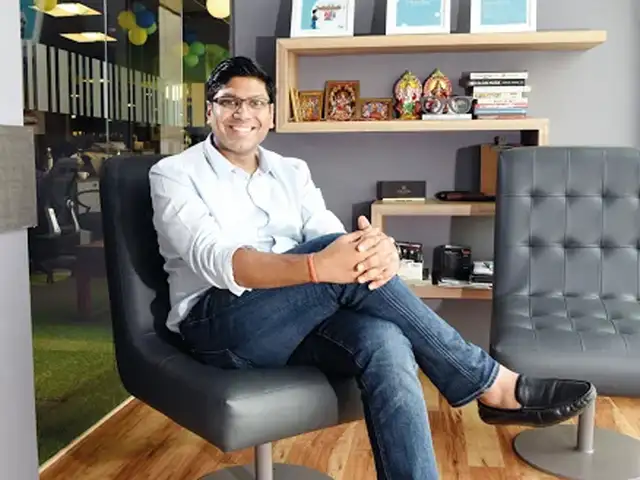
Peyush Bansal, founder, Lenskart.com “For me, an integral part of my work day is my hot cup of coffee. That is what keeps me going through the day. Moreover, some of the world’s most effective thoughts happen over morning coffee.”
Peyush Bansal, founder, Lenskart.com “For me, an integral part of my work day is my hot cup of coffee. That is what keeps me going through the day. Moreover, some of the world’s most effective though..
Read More
Nikhil Mohan, founder, Blackberrys Menswear says, “If work is worship, I would revere asking questions. The single-minded pursuit of why behind whys. Sooner or later, it provides an answer for all maladies.”
Nikhil Mohan, founder, Blackberrys Menswear says, “If work is worship, I would revere asking questions. The single-minded pursuit of why behind whys. Sooner or later, it provides an answer for all ma..
Read More
Satyen Momaya, CEO, Celio Future Fashion Pvt Ltd India says “An integral part of my office life would be focusing on building my health and well-being to be able to deal with daily work challenges and chase ambitious goals. Along with my daily prayer, I practice the technique for inner peace and well-being. Transcendental meditation acts like a turbo charger to the mind.”
Satyen Momaya, CEO, Celio Future Fashion Pvt Ltd India says “An integral part of my office life would be focusing on building my health and well-being to be able to deal with daily work challenges an..
Read More
Gunjan Soni, head, Jabong and CMO, Myntra, says “[When it comes to work] I can’t live without my iPhone-iWatch combo. It’s my lifeline to getting everything done. At home the virtual assistants are the new favourite — from weather forecast to favourite songs to switching of flights — dependence [on technology] is increasing to newer heights.”
Gunjan Soni, head, Jabong and CMO, Myntra, says “[When it comes to work] I can’t live without my iPhone-iWatch combo. It’s my lifeline to getting everything done. At home the virtual assistants are t..
Read More
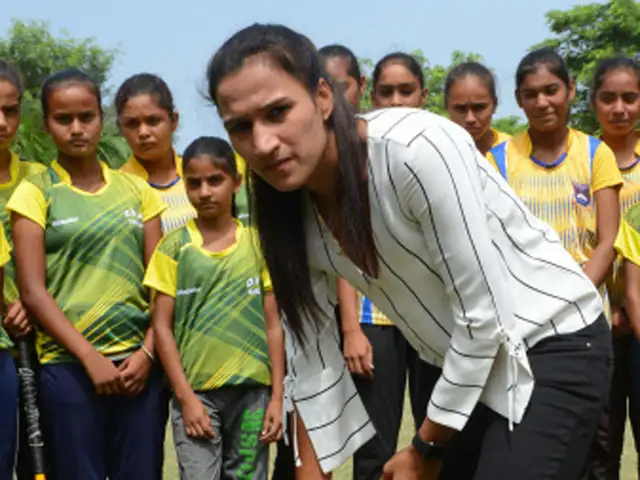
Rani Rampal, India hockey team captain, says “I play hockey and my hockey stick would be the thing related to work that I would worship. It is very integral to my game and I have lost count of the number of goals and winning passes it has helped me make during my career. I do have a number of hockey sticks and they all have had a role to play in my success over the years.”
Rani Rampal, India hockey team captain, says “I play hockey and my hockey stick would be the thing related to work that I would worship. It is very integral to my game and I have lost count of the nu..
Read More
Priyanka Gill, founder of POPxo, says “I may not have a worship ritual, but my iPhone is central to my work life. Since I am always on the go, I catch up on everything through my phone — be it emails, taking updates from my team, or little in-between-work breaks and scrolling through my Instagram feed. It makes my work day easier and it’s usually the first thing I check before and after bed.”
Priyanka Gill, founder of POPxo, says “I may not have a worship ritual, but my iPhone is central to my work life. Since I am always on the go, I catch up on everything through my phone — be it emails..
Mathai said that it is in the interests of the sport that its management is helmed by those passionate about the sport, and not solely by corporate entities that are disconnected from the spirit of the game. “If you have money, but don’t know anything about a sport, you will never be able to grow it. It cannot be a few executives coming and saying, “We have X amount of money which we can double by doing this and this”. The values of the game are what make it special,” he said.
This is in contradiction with sports like football, where a tug of war between has emerged between the privately-run Indian Super League (ISL) and the I-League, for the status of the top tier of Indian football. “The participation of former players in running Rugby India helps because we can pass on our learnings and ensure that the sport is managed the right way, in keeping with the spirit of rugby. From the management point of view, the good thing is that every decision is made in the interest of the sport, as opposed to being run by outsiders in which case, money would become a major consideration. We are looking at a league or probably a TV property. We have built a solid foundation. It is a catch-22 situation. We have to decide which way we want to take the game forward,” Hussain said.
But the lukewarm response to other sports which have a niche following has held back Rugby India from expediting their efforts at launching a commercial property. “Every time we set a time frame, we look at other leagues that have worked in India – which is one and a half. The others have not worked. That is important for people interested in owning teams. You realise that it is not an easy thing. It is very well to say that Kabaddi league is enjoying some success. If you throw around some money and make something happen very quickly without the right foundation, it might not work. And that is something we don’t want to do. We don’t want to start a league that breaks down in the second year,” said Mathai.
Moreover, cash burn involved implies that franchisees may take many years to break even, underlining the fact that investment must come from individuals or groups committed to the development of the sport. “A lot of people might initially put their hands up and say they want to own teams. These might include people who don’t know much about the sport. Eventually, they’ll understand that it is money going away from you and not in the reverse direction. And so cut their losses and get out. It is not that we don’t want to start a league. We want to do it, but with the right people involved,” Mathai added. For any niche league to succeed, you need the right people, with knowledge of the sport, and deep pockets.
ADVERTISEMENT
Viability studies are underway, and Hussain reckons that only if the project is sustainable for 3-5 years since its launch, will Rugby India decide to go ahead. He cites the example of hockey, and the Hockey India League (HIL), saying, “It was a good property but its future in uncertain. Is volleyball (Pro Volleyball League (PVL)) going to come back next year? We don’t know. For any niche league to succeed, you need the right people, with knowledge of the sport, and deep pockets. Until we don’t have that, or are not assured of it, we are not going to jump into a full-fledged league,” Hussain said.
“For example, look at futsal. It was more of entertainment, than actual sport,” quipped Mathai.
ADVERTISEMENT
The cold shoulder from the Sports Ministry has also hindered the spread of rugby to the Indian hinterland. For the past couple of years, Rugby India has received nominal funds to conduct senior, junior, and sub-junior tournaments. The allocated funds do not cover the cost of organising these events. “We don’t get any funding for the national team, and that is something we are in discussion with them for. We are in the ‘Other Sports’ category right now. We want to make it to the ‘Priority’ category. With getting the Olympic nod; it satisfied their internal criteria for disbursing funds. We are in conversation with them for Priority status, which in turn will release funds that can go directly into funding the national games,” said Mathai.
The sports code is being reviewed at the moment and Mathai reckons that rugby will find favour with the Ministry when they categorise sports based on their level of development. “We deserve to be in the High Priority list, with our recent results, which in fact, were down to our own efforts. It’s a chicken and egg scenario. We have managed to go ahead without support. But for a sustained medal push, you need support. Otherwise, you risk falling behind,” he said.
The lack of access to stadia has also been a major concern for the sport. “If we get access to state infrastructure, then we can progress rapidly. If you take out the 3-4 sports that actually get support, everybody else is in the same boat. In the new sports code, I hope we get what we are eligible for. We have never had a dedicated ground. That has been one of the biggest problems,” Hussain said.
Hima, Deepa, Arunima: India's Golden Sports Girls Who've Made Us Proud
1/9
Women in India have taken giant strides, breaking barriers and setting new benchmarks over the past few decades. From business to politics and technology, they have successfully shattered all stereotypes, and glass ceilings.
The sporting arena, too, has seen champions emerging from various corners of India. From fighting gender discrimination to financial restraints, these women have overcome physical and mental obstacles to build not just a name, but a legacy for themselves.
This women's day, we tip our hats to these unstoppable ladies who have become inspiration and icons.
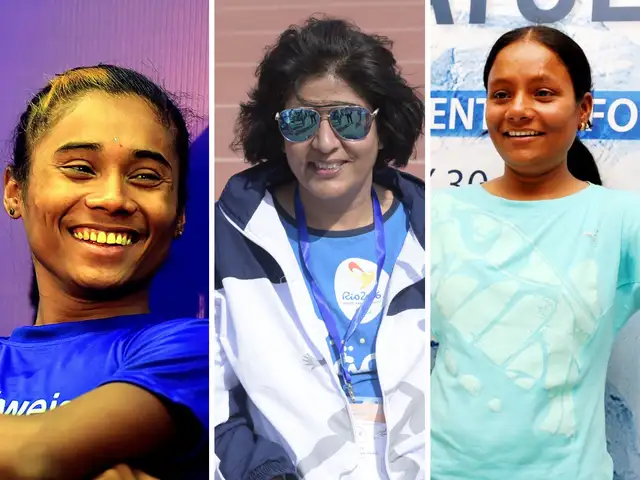
(In pic from left: Hima Das, Deepa Malik, Arunima Sinha)
Women in India have taken giant strides, breaking barriers and setting new benchmarks over the past few decades. From business to politics and technology, they have successfully shattered all stereot..
Read More
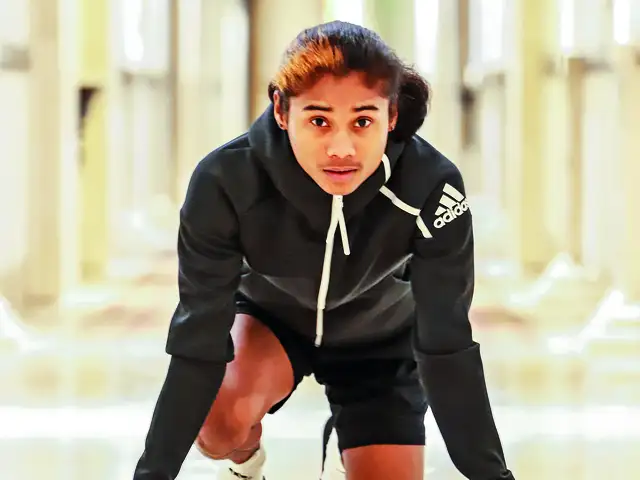
Sprinting from the rice fields of Assam to sports leagues like Asian Games, Hima Das has had a meteoric rise. The youngest of six siblings, she had wanted to pursue football at one point. However, thanks to one of her coaches, she was encouraged to join athletics.
The 19-year-old, who hails from a family of farmers, did not have access to a professional running track. Therefore, she practised on a muddy football field. Das, popularly known as 'Dhing Express', rose to fame after the 2018 Commonwealth Games in Australia where she put up a great show. Later, she bagged the gold medal in 400m relay event at Asian Games and brought home glory.
The small-town-girl proved that no barrier is strong enough to stop one if one's vision is clear.
Sprinting from the rice fields of Assam to sports leagues like Asian Games, Hima Das has had a meteoric rise. The youngest of six siblings, she had wanted to pursue football at one point. However, th..
Read More
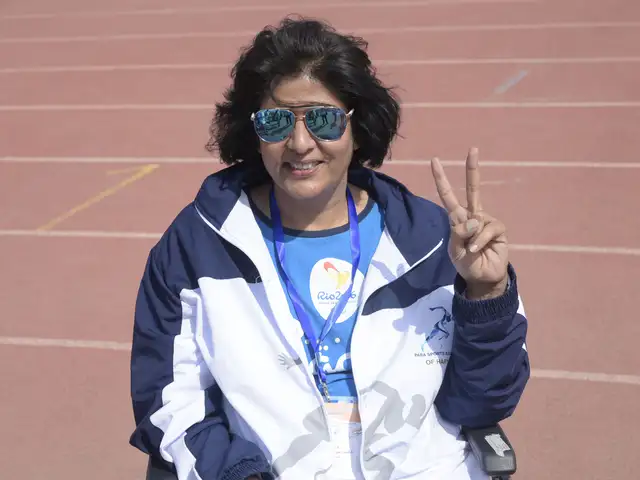
Raised and married in a family of Army officers, Deepa Malik was taught how to stay strong since childhood. The 48-year-old was diagnosed with a spinal tumour in 1999 and went through three surgeries after that. With 183 stitches in her shoulder blades for a period of 14 years, Malik was left paralysed from the waist down.
Paralysis, however, wasn't strong enough to stop her. She then decided to become a swimmer, athlete, biker and adventure junkie. In 2016, she was one of India's Paralympians at Rio Olympics in 2016.
Raised and married in a family of Army officers, Deepa Malik was taught how to stay strong since childhood. The 48-year-old was diagnosed with a spinal tumour in 1999 and went through three surgeries..
Read More
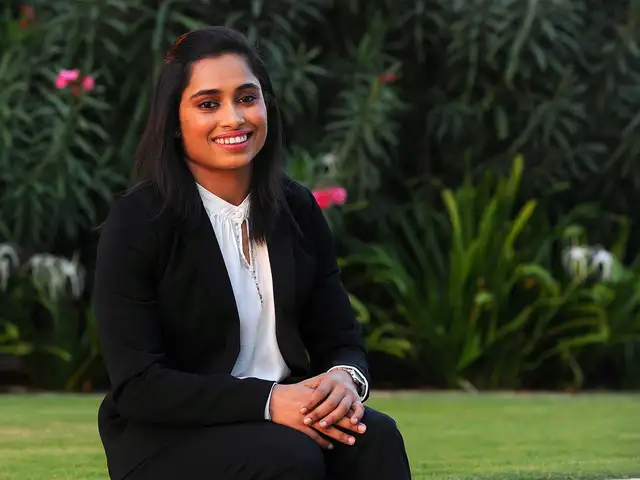
Not many in India were familiar with gymnastics until Dipa Karmakar put her best foot forward. Born with flat feet, she initially did not seem to have the physical signs of a good gymnast. But rigorous and regular training ensured that the 25-year-old was able to address it.
The girl, who rose to fame after qualifying for the Olympics, now has a tough routine. Eight hours of workout a day, a firm coach and determination to rise above all is how Karmakar became a leading gymnast of the this era.
Not many in India were familiar with gymnastics until Dipa Karmakar put her best foot forward. Born with flat feet, she initially did not seem to have the physical signs of a good gymnast. But rigoro..
Read More
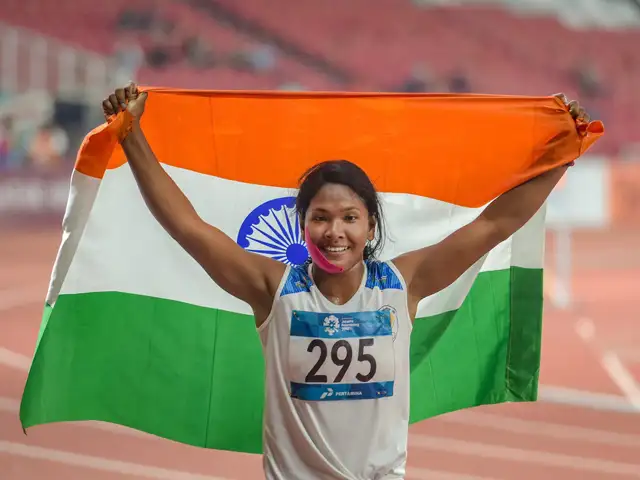
Lack of resources is one of the biggest reasons why some of the biggest talents remain unrecognised. However, some do not care for this restraint. Swapna Barman belonged to the latter group of people. Daughter of a van rickshaw puller, Barman was born with six toes in both feet.
Due to this, finding the perfect pair of shoes was a herculean task for her. The extra width caused pain when she wore shoes for too long. The 21-year-old heptathlete also suffered a serious gum infection the night before her final run at the 2018 Asian Games.
She put on a bandage of her face, pulled up her socks and put up a great show at the event. There's more, she even created history by becoming the first Indian woman to achieve the top podium finish in the event.
Lack of resources is one of the biggest reasons why some of the biggest talents remain unrecognised. However, some do not care for this restraint. Swapna Barman belonged to the latter group of people..
Read More
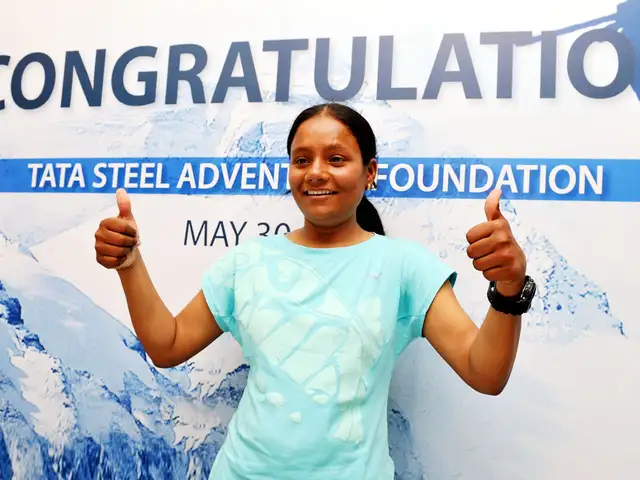
Fighting social and financial barriers is tough. For Arunima Sinha, who lost a limb in a train accident, it was even tougher. The Indian mountaineer, who went on to become the world's first woman amputee to climb the Mount Everest in 2013, was dealt a cruel blow. In 2011, when she refused to hand over her gold chain to thugs, the 30-year-old was thrown off a train and consequently lost her left leg. Facing discrimination due to the disability was not good enough to discourage her. Instead, it strengthened her vision of climbing the Mount Everest.
She firmly believes that it is through the biggest tragedies that the human spirit learns how to soar.
Fighting social and financial barriers is tough. For Arunima Sinha, who lost a limb in a train accident, it was even tougher. The Indian mountaineer, who went on to become the world's first woman amp..
Read More
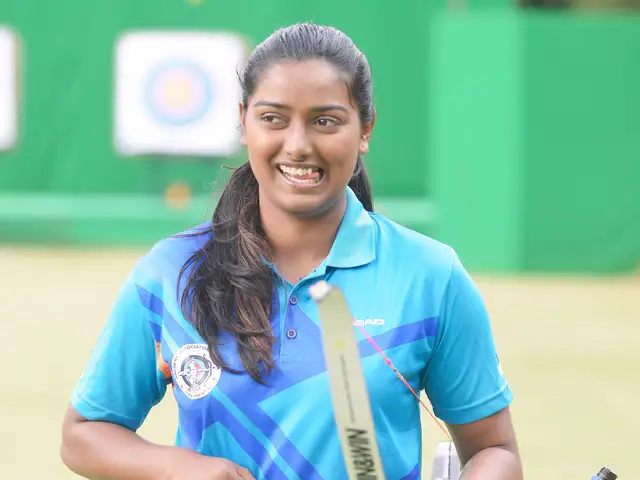
24-year-old Deepika Kumari had her own share of hardships trying to pursue a career in archery. The daughter of a rickshaw-puller and a nurse, Kumari does not believe in giving up and motivates others to do the same.
While her parents saw their daughter becoming a doctor someday, she had set her sights elsewhere. Starved of opportunity at first, she joined the Tata Archery Academy at the age of 11. After years of practice and determination, she rose to fame in 2009 when she became the second Indian archer to win the Cadet World Archery Championship title.
24-year-old Deepika Kumari had her own share of hardships trying to pursue a career in archery. The daughter of a rickshaw-puller and a nurse, Kumari does not believe in giving up and motivates other..
Read More
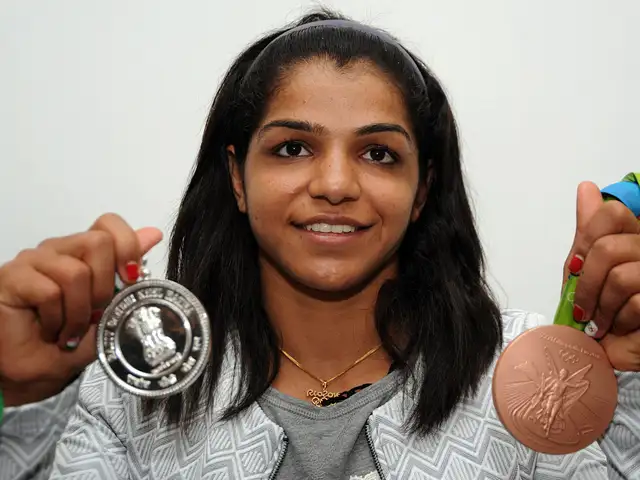
Haryana has given us the best of wrestling icons and Sakshi Malik is one of them. The 26-year-old, who grew up in Rohtak which has a skewed gender ratio, was not allowed to pursue wrestling at the beginning. However, Malik, determined to achieve her goal, stepped into an akhada and wrestled with the boys of her village.
Bagging India's first medal at the Rio Olympics 2016, Malik has since been bringing glory to the nation. She showed the world that women no longer stand behind men in the arena of wrestling.
Haryana has given us the best of wrestling icons and Sakshi Malik is one of them. The 26-year-old, who grew up in Rohtak which has a skewed gender ratio, was not allowed to pursue wrestling at the be..
Read More
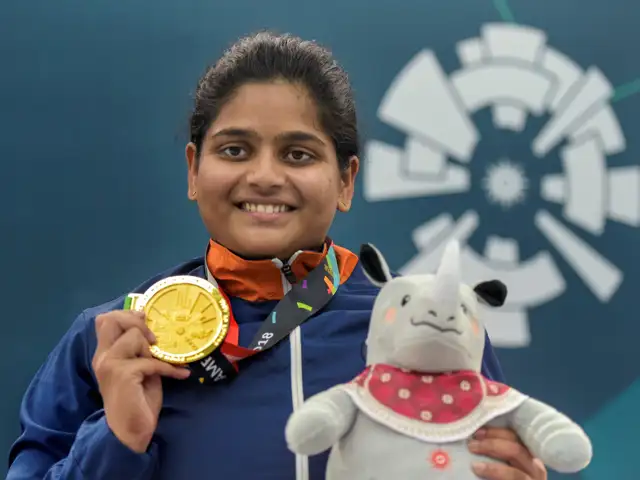
Winning has been her habit, even when she was injured. Shooter Rahi Sarnobat, born in Kolhapur, has been a part of the international scene since 2010. While everything seemed to be in her favour initially, an accident in 2013 became a serious hurdle on her way to success.
The 27-year-old tripped on an uneven road in Pune and landed on her right arm, injuring it severely. Consequently, she could not rotate her right arm properly. However, the pain just could not stop her from bringing home golds.
At the 2014 Commonwealth Games in Glasgow, Sarbobat bagged the gold medal. At the 2018 Asian Games, too, she created history by becoming the first Indian woman to win a gold in shooting.
Winning has been her habit, even when she was injured. Shooter Rahi Sarnobat, born in Kolhapur, has been a part of the international scene since 2010. While everything seemed to be in her favour init..