Pranayama: Use the power of your breath to stay healthy
Pranayama is ‘the science of breath’ or ‘techniques (ayam) of breath (pran)’.
By ET CONTRIBUTORS |
By Akshar Nath
Pranayama is ‘the science of breath’ or ‘techniques (ayam) of breath (pran)’. This Sanskrit word also has a broader meaning, that is, “expansion, manifestation of energy”. According to some eastern Indian writings, the universe comes from akasha (ether, space) through the energy of prana. Akasha is the infinite, raw material of the universe. Prana is the infinite, raw energy of the universe.
Even though prana is a term loosely used to cover all energies, ancient manuals of yoga speak of 10 pranas, five major and five minor ones.
The five major pranas are udana, prana, samana, apana and vyana. By controlling the prana, one can access and influence all the other pranas, which explains the universal usage of this word for representing all the pranas.
• Udana rules the upper part of the body from the larynx up, and governs use of special senses beyond the five senses
• Prana rules between the larynx and the heart, governing speech, breath and the respiratory system
ADVERTISEMENT
• Samana rules between the heart and the navel, governing all metabolic activity in the act of digestion
• Apana rules below the navel and governs the kidneys, colon, rectum, bladder and genitals
• Vyana permeates the entire body and governs relaxation and contraction of all muscles, voluntary or involuntary. It also governs the joints and their movements
ADVERTISEMENT
One of the aims of yogic breathing or pranayama, is to regulate the unequal flow of breath through the nostrils, bringing balance between them, and having both nostrils equalised in the flow of breath. The left nostril is the Ida and the right is Pingala, pranayama opens up the blocked Sushumna (centre) Nadi. Equalising the flow of breath in the left and right nostrils brings health, balance and harmony to the mind and body. Prana flows throughout the pathways of our nervous system as well as through these nadis defined as energetic pathways.
Nadis means channels or vehicles, they are astral tubes made up of astral matter that carry pranic currents. They are not nerves and can be seen by the astral eyes only. Some texts describe 72,000 nadis in the body, other texts mention as many as 3,50,000 of them. Of these, 14 are considered important, but only six of them are most vital. These are Ida, Pingala, Sushumna, Brahmani, Chitrana and Vijnana.
ADVERTISEMENT
Even though nadis can be likened to the nervous system, they cannot be detected through dissection. They are part of the energy body, which supports the physical body. The physical body is built around the energy system of the nadis. The nerves belong to the physical body and the nadis belong to the subtle body.
SPIRITUAL BENEFITS The techniques of pranayama are designed to bring the central nadi, the Sushumna, into primary function, rather than the Ida or Pingala dominating the functions of prana flow. With activation of the Sushumna as the primary flow for prana, the yogi experiences freedom from the human condition, and joy.
By opening up flow of the Sushumna, the yogi raises the Kundalini, the sleeping serpent, from the root chakra or Mooladhara. This kundalini energy which is very powerful, passes through and blows open each chakra.
The resulting states of consciousness, represented by the thousand petalled lotus, the crown chakra at the top of the head, is considered the highest state a person can reach in the human form. It is union with cosmic consciousness, beyond time and space, and is also called Shakti. The person merges his individual self, soul, or atman, with the cosmic soul, or Brahman.
BENEFITS According to yoga, disease is the result of imbalance and blockage in the flow of prana. Psychologists have discovered that there is a connection between personality types and breathing patterns. The yogi believes that by changing the pattern of breathing, one can transform the personality.
When the mind is disturbed, the breath is disturbed and vice-versa. By making the breath deep, even and smooth, the mind relaxes and thus the personality changes or the physical disease go away.
International Yoga Day: Asanas For Women To Stay Youthful, Happy And Healthy
1/7
As women venture into new terrains, also performing duties in their traditional mould, striking a balance is important to stay healthy. Yoga can help them in a big way to achieve this.
Akshar Nath, Chairman of Akshar Yoga, shares a few dynamic asanas for maintaining a youthful, happy and a healthy body for women across all ages.
NOTE: While every woman irrespective of her age can perform all these asanas, women with fluctuating blood pressure or those under medical surveillance are not advised to do these.
As women venture into new terrains, also performing duties in their traditional mould, striking a balance is important to stay healthy. Yoga can help them in a big way to achieve this.
Akshar Nath,..
Read More
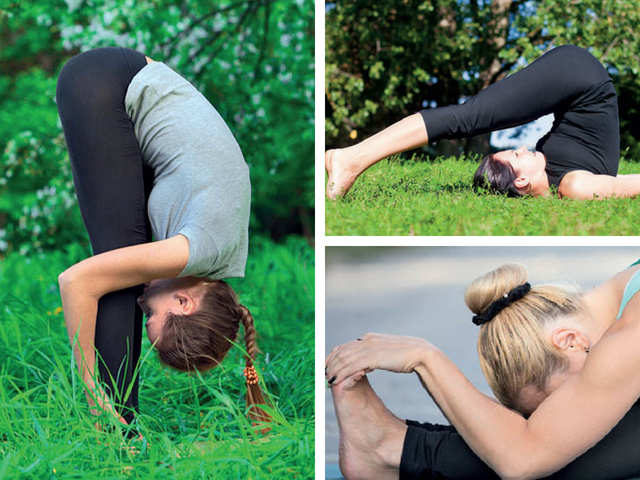
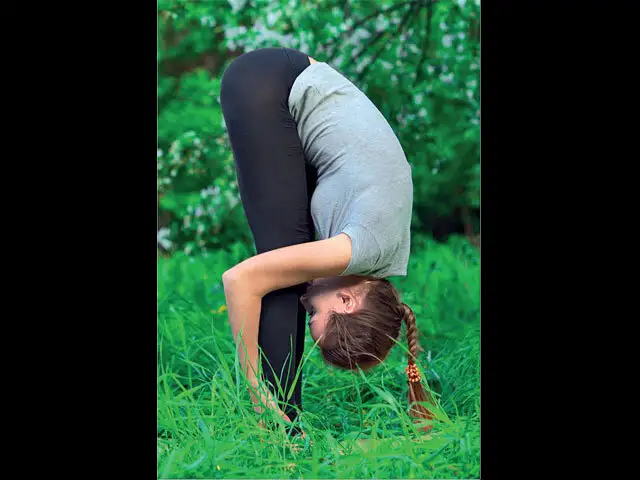
Padahastasana is a combination of two Sanskrit words — pada (foot) and hasta (hand). As the name itself suggests, this asana involves a crisp forward bend that strengthens the muscles of the limbs as well as the core and promotes good form.
Padahastasana is a combination of two Sanskrit words — pada (foot) and hasta (hand). As the name itself suggests, this asana involves a crisp forward bend that strengthens the muscles of the limbs as..
Read More
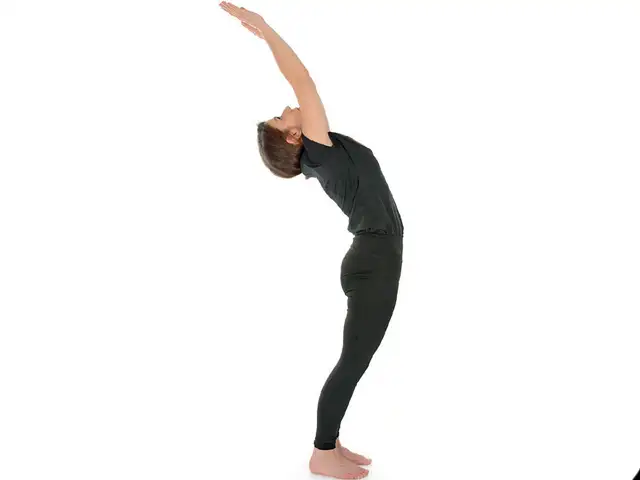
Hasta Uttanasana is a raised arm pose, that expands the chest and rib cage, thus helping in full intake of oxygen that plays an important role in preventing the skin from loosening.
Hasta Uttanasana is a raised arm pose, that expands the chest and rib cage, thus helping in full intake of oxygen that plays an important role in preventing the skin from loosening.
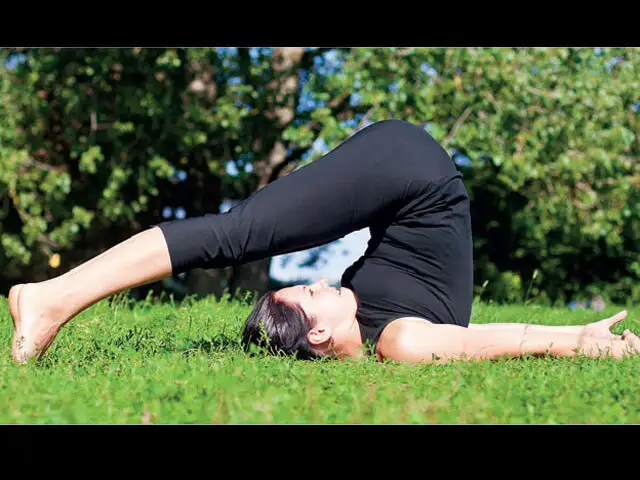
The asana which gets its name from the plough, is a perfect exercise that helps in treating reproductive problems. This pose increases the blood flow to the abdominal organs and helps stimulate the thyroid and parathyroid glands too. Hence this pose is strongly recommended for ageing women.
The asana which gets its name from the plough, is a perfect exercise that helps in treating reproductive problems. This pose increases the blood flow to the abdominal organs and helps stimulate the t..
Read More
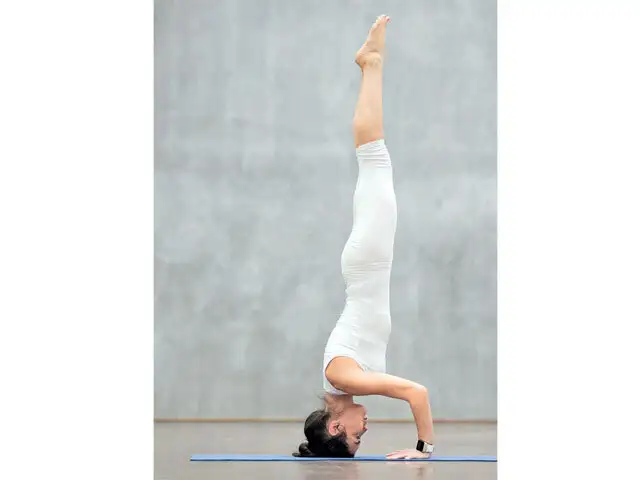
Sarvangasana means the asana for the entire body. This shoulder stand pose is often termed as the mother of all poses. Along with many other benefits, this asana helps remove toxins and other waste products from the blood, thus preventing many diseases related to the skin. It prevents wrinkles, pimples and helps delay ageing signs. It facilitates adequate blood supply to the forehead region due to which it works great for facial problems.
Sarvangasana means the asana for the entire body. This shoulder stand pose is often termed as the mother of all poses. Along with many other benefits, this asana helps remove toxins and other waste p..
Read More
This asana helps in stretching the entire body from the head to the heels. This is a great way to remove stress, anger and anxiety and helps balance a woman's menstrual cycle. This also tones the abdominal and pelvic organs and is especially useful for women after childbirth.
This asana helps in stretching the entire body from the head to the heels. This is a great way to remove stress, anger and anxiety and helps balance a woman's menstrual cycle. This also tones the abd..
Read More
This does wonders in bringing back one’s youth by releasing anxiety and improving blood circulation. This asana also aids in better digestion and memory.
This does wonders in bringing back one’s youth by releasing anxiety and improving blood circulation. This asana also aids in better digestion and memory.
Pranayama techniques come with varied health benefits and there are specific breathing techniques for specific ailments or requirements. For example, healing kidney stones with Kapalbhati), easing diabetes with Anulom Vilom and increase of stamina and dynamic strength with Dwikhand Pranayam.
EMOTIONAL WELL-BEING When a person is relaxed and happy, diaphragmatic breathing is a natural result. When people are angry or fearful, their breathing becomes shallow.
This is a result of thoracic or clavicular breathing, that is, using the intercostal muscles to inhale air into the chest rather than filling the lungs with the help of the diaphragm. This is done unconsciously stopping the breathing process altogether. This can happen whether these emotions are conscious or unconscious.
The breath plays a crucial role in whether one’s disposition is a calm or anxious one. Breathing techniques such as Udgeet Pranayam, Brahmari Pranayam and Bhastrika can help ease and calm the mind.
(The writer is the Chairman of Akshar Yoga)
NOTE: While every woman irrespective of her age can perform all these asanas, women with fluctuating blood pressure or those under medical surveillance are not advised to do these.
International Yoga Day: Arun Thukral, Hari Nair And Other Top Bosses Share Their Routine
1/5
There’s nothing like yoga to calm the frazzled nerves of a senior executive. Regular practice can help your physical as well as mental health.
On International Yoga Day, these business leaders share their yoga routines. (Text: Masoom Gupte)
There’s nothing like yoga to calm the frazzled nerves of a senior executive. Regular practice can help your physical as well as mental health.
On International Yoga Day, these business leaders share..
Read More
“I have been practising the Bhujangasana (cobra pose) for about eight years. But I don’t think I’m even close to mastering it. In fact in yoga, mastery is not the aim. The practice of any asana is a fascinating journey in itself. After every few months, you discover that more is possible. You learn to observe more and more closely and thus manage to see more dimensions in your pose. Such self-discovery is, in fact, the real goal of yoga.”
“I have been practising the Bhujangasana (cobra pose) for about eight years. But I don’t think I’m even close to mastering it. In fact in yoga, mastery is not the aim. The practice of any asana is a ..
Read More
“In classical yoga, Surya Namaskara (sun salutation) is practiced the most. I also practice Chandra Namaskara (Moon Salutation). It is the reflection of Surya Namaskara. The basic difference is that the Ardha chandraasana (half-moon pose) is performed after the Ashwa Sanchalanasana (equestrian pose).The 12 steps of the Surya Namaskara refer to the 12 zodiac signs; the 14 Chandra Namaskara represent the 14 lunar phases. It channels lunar energy which has cool, relaxing and creative qualities.
This is one of the few difficult asanas as it is a combination of 14 poses and each one needs to be mastered to perfection by controlling and coordinating one’s breathing. It is also important to repeat this asana multiple times with the same perfection in each pose in every repetition.”
“In classical yoga, Surya Namaskara (sun salutation) is practiced the most. I also practice Chandra Namaskara (Moon Salutation). It is the reflection of Surya Namaskara. The basic difference is that ..
Read More
“Vriksasana (tree pose) is known to strengthen the spine and tones the leg muscles while making knees stronger. Even though it looks simple, Vriksasana involves tremendous neural activity and neuromuscular coordination. To perfect this asana, I tried to understand the philosophy behind it, instead of just focusing on the steps involved. Understanding the logic behind each asana not only helps us master it in a shorter span of time, but also enriches every aspect of our life. While mastering Vriksasana offers a host of physical benefits, it also helps us internalise a heightened sense of balance and stability. This philosophy behind it finds application in every aspect of our life."
“Vriksasana (tree pose) is known to strengthen the spine and tones the leg muscles while making knees stronger. Even though it looks simple, Vriksasana involves tremendous neural activity and neuromu..
Read More
“My favourite asanas in yoga are the back bending ones and inversions. There are many ways of doing these. One of these is the Vrishchikasana (scorpion pose), performed with the help of a chair (Iyengar Yoga prop). This advanced posture has all the benefits of a headstand and a backbend. It improves the blood flow to the brain and pituitary gland, improves circulation in the lower limbs and abdomen, stretches and loosens the back, strengthens the arms and energises the body.”
“My favourite asanas in yoga are the back bending ones and inversions. There are many ways of doing these. One of these is the Vrishchikasana (scorpion pose), performed with the help of a chair (Iyen..
(Disclaimer: The opinions expressed in this column are that of the writer. The facts and opinions expressed here do not reflect the views of www.economictimes.com.)