This link between biryani and elections is not new nor restricted to Tamil Nadu.
Fighting a court battle over branding is something many upcoming companies might shy away from. It drains resources, both monetary and mental, and with all the twists of the Indian legal system you might not even win in the end.
But Dindigul Thalappakatti, the Chennai-based biryani chain, which has just raised Rs 260 crores from private equity firm CX Partners to help it go national, shows how it can help cook up a winning strategy.
The case began in 2005 when Thalapakatti filed a suit against Rawther Thalapakattu Biryani for infringing on its name and turban logo. Thalapakkati argued that this was the legacy of its founder, D Nagasamy Naidu from Dindigul, who always wore a turban (‘thalaipakkai’ in Tamil) in the style of poet Subramanya Bharathi.
Naidu ran a betel-nut stall, but his wife was famous for her mutton biryani and in 1957 he opened an eatery to serve it. This slowly expanded across the state and in time the turban name, which had been used informally, was adopted as the brand name along with a logo showing Naidu and his turban.
The opponents countered that they traced their roots to a Sulaiman, who was chief of the Horse Regiment of the Raja of Sivaganga. He was from the Rawther community, which originated with Persian horse traders who came to South India and married local women. Perhaps because of the Middle Eastern links they were known for their biryani, and also a tradition of wearing turbans, one of which now appeared in stylised form in their logo.
Tamil Nadu’s love for biryani probably stems from the state’s love of rice.
ADVERTISEMENT
The case finally came down emphatically on the Dindigul side in 2013. Justice Prabha Sridevan, chairperson of the Intellectual Property Appellate Board, noted the substantial historical documentation from the Dindigul side, and while she agreed that the opponent’s ancestor might have worn a turban “it is very difficult to accept that the respondent did not know about the Biryani Hotel in Dindigul.”
Because the case involved biryani, it was very well-reported on in Tamil Nadu. As Justice Sridevan noted in her ruling: “Biryani is enjoyed by consumers from all classes and from all economic strata and also by people both literate and illiterate.” Her point was that just changing the last letter in the spelling of Thalapakatti wasn’t sufficient difference. But it was also excellent publicity for the Dindigul side, with all the documentation helping to establish their authenticity.
What the case didn’t do was close off competition. Dindigul Thalapakatti now has 62 outlets, including seven abroad, but Chennai Rawther Biryani can also be found very widely, along with many other biryani outlets. A standard morning sight on streets in Tamil Nadu is the large vessels for biryani being washed, before they are filled and fired up again for the day. And despite their 2013 win, Dindigul Thalapakkati has had to deal with new cases, like one against Star Thalapakkati Briyani, which it got a restraining order against from the Madras High Court in May this year.
Tamil Nadu’s love for biryani probably stems from the state’s love of rice. Despite inroads made by rotis and bread in South India, rice remains the favourite by far. But biryani in particular got a boost from the state’s Dravidian political movement, with all its emphasis on mass rallies and shows of support. It is well understood that supporters must be fed, and what better way to do it than biryani, which not only benefits from being cooked in large quantities, which means less labour, but is also an almost complete meal.
ADVERTISEMENT
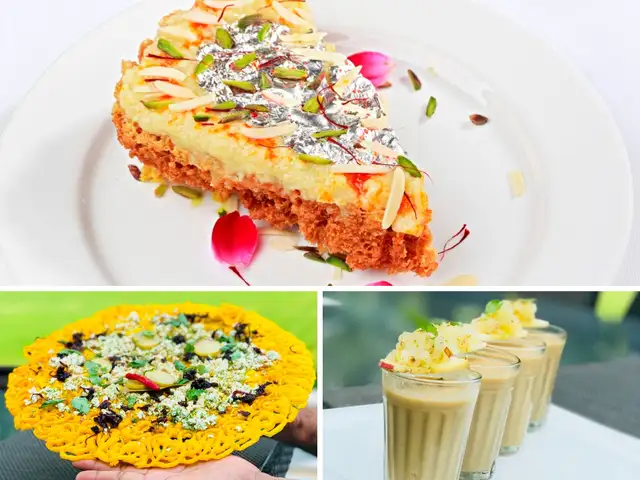
A Sweeter Diwali For All: This Year, Feast On Jalebis, Apple Halwa & Rabri Ghewar
1/7
Diwali is here and it's the perfect time to feast on mouthwatering sweet treats. Laddus, barfis and halwas are set to take a bigger place on the dining table. However, this year, try a quirky combination of desserts to give your guests a tongue-tickling treat to enjoy.
Here's a round-up of delectable recipes by top chefs to make your Diwali sweeter than ever.
Diwali is here and it's the perfect time to feast on mouthwatering sweet treats. Laddus, barfis and halwas are set to take a bigger place on the dining table. However, this year, try a quirky combina..
Read More
Ingredients
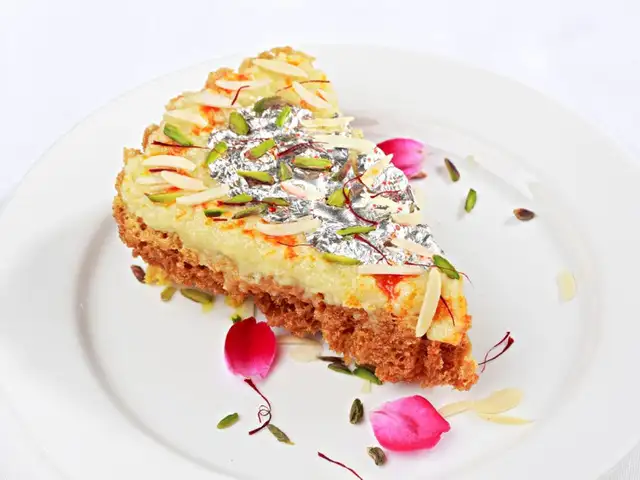
Maida: 1 kg Atta: 100 gm Ghee: 100 ml Ghee: 6 kg Mould: As per choice Sugar: 3 kg Water: 1200 ml Gulab jal: 10 ml Milk for rabri: 5 l Water: 1650 ml Water: 2 l Milk: 1 l Ice: 1 kg Pista: 50 gm Silver work Kesar: 1 gm Citric acid: 1 tsp
Method - In kadai take 100 gm ghee - Mash it with hand by adding 20 gm maida and atta mixture - Add 30 ml water in sequence and prepare the batter - When the batter ready, add 1 litre milk and 1 kg ice - Add 2 litres of water - In kadai add 4.5 kg ghee and heat it till it gets completely hot - Add 50 ml batter step by step - When ghewar is get ready add 50 gm ghee to the side of the kadai - Remove this from kadai - Make the rabri by adding 250 gm sugar to 5 litre milk in kadai - Stir continuously till it gets thick, to 1.5 litre - In a separate bowl, add 1200 ml water and sugar - Cook it on a low flame till it gets ready - Add citric acid after it's ready - Cool the syrup for 30 minutes
(Courtesy: Royal Kitchen of Ranbanka Palace, Jodhpur)
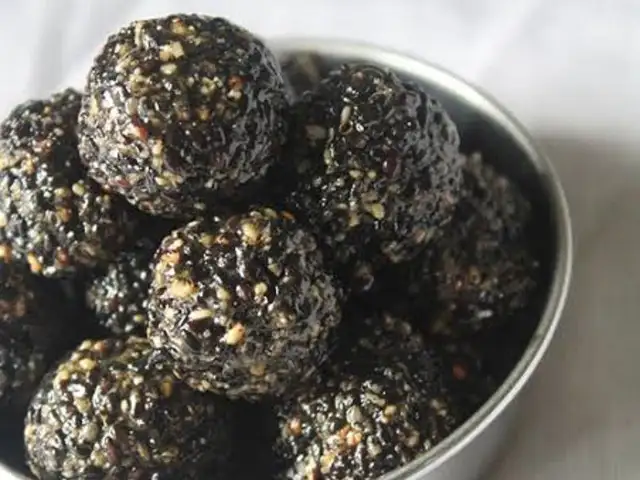
Black sesame seeds(Ellu): 1/2 cup Palm jaggary(Karuppatti): 1/2 cup Fried channa dal(Pottukadalai): 1/4 cup Dry ginger powder(Sukku Thool): 5 gm Water: 1/4 cup
Method
- Dry roast sesame seeds until it pops up - Make sure not to burn it - Cool down and then transfer to a mixie jar - Grind finely and transfer it to a mixing bowl - Add fried chana dal(Pottukadalai) to the same jar and grind to fine powder - Mix both ground stuffs well using fingers - In a kadai, take 1/2 cup of grated palm jaggery (Karupati) and add 1/4 cup of water to it - Add a generous pinch of dry ginger powder (sukku thool) - Allow it to boil well until the karupati dissolves fully and bubbles up - Switch off the flame when it looks like thick honey - Filter it and start adding to the powder mix - Pour incrementally and mix evenly with a spoon - Take a pinch and roll into a ball - It will look glossy and won’t take a perfect shape - Make the balls and put it in a plate - Leave it open for 10-20 minutes - Now, take each ladoo and roll again between palms
(Courtesy: Chef Arun Kumar, Chef de Cuisine, Elior India)
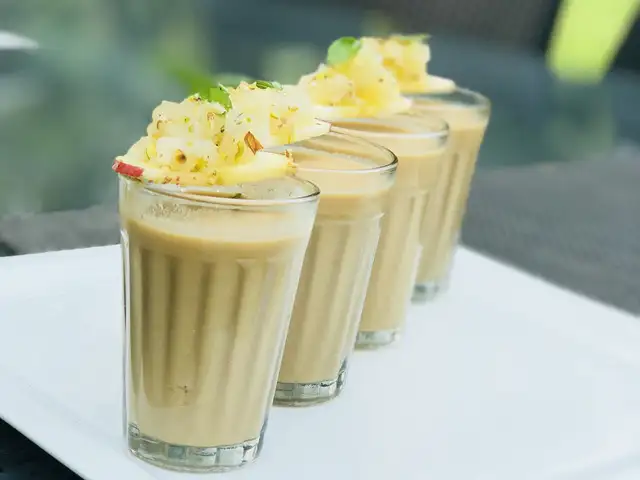
Thick yoghurt: 1 cup Thick coconut milk: 1/2 cup Low fat cream: 1/4 cup Homemade condensed milk: 1/4 cup Organic jaggery: 1/4 cup Milk chocolate/dark chocolate: 1/4 cup
Ingredients for Apple and Cinnamon Halwa
Apples (grated): 2 Condensed milk: 1/4 cup Sugar: 2 tbsp Cinnamon powder: 1/4 tsp Clove powder: One pinch Cardamom powder: 1/4 tsp Raisins: 2 tbsp Ghee: As required
Method for Bhapa Misti Doi
- Melt the jaggery on stove top - Microwave the chocolate for 30 seconds - Mix it with the jaggery to melt it completely - Take yoghurt, coconut milk, homemade condensed milk, low fat cream and whisk them well - When the jagerry and chocolate mixture is lukewarm, add to the yoghurt mix and whisk everything well until properly combined, smooth and creamy - Take oven safe bowls and pour the yoghurt into them - Place the pots on a tray - Fill the tray with hot water so that the bottom of pots are immersed in water - Bake in a preheated oven at 180 degrees for 30 minutes or until the top is firm - Allow it to come down to room temperature then refrigerate for 3-4 hours before serving
Method for Apple and Cinnamon Halwa
- Grease a pan with ghee and fry the raisins - Remove and keep to the side - Combine apples, cinnamon powder, clove powder, and cardamom powder in the same pan - Cook, stirring continuously, on low flame - Add sugar and condensed milk - Stir on low flame until it thickens - Smear a plate with ghee and transfer the cooked halwa into it - Flatten it gently and top up with fried raisins - Let it cool - Slice into preferred shapes - Serve thereafter - Now place a spoon of apple halwa on top of baked Bhapa misti doi and serve.
Bottle gourd grated(noodle length): 200 gm Sugar: 100 gm Rose water: 10 ml Chopped nuts: 20 gm Water: 75 ml
Method for the Crème Anglaise
- Place the milk, rabri, vanilla pod and seeds into a saucepan and bring to the boil - Turn off the heat - Place the egg yolks and caster sugar into a bowl and whisk until pale and creamy - Pour a dash of the hot milk into the egg mixture and whisk to combine, then slowly pour in the rest of the milk, whisking all the while - Pour the mixture back into the saucepan and bring to a gentle simmer - Stirring frequently, cook for 3-4 minutes, or until the mixture is fine
Method for Lauki ke Lacche
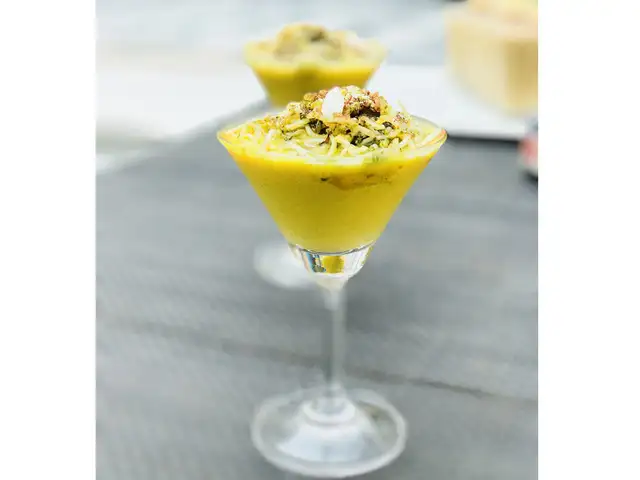
- Put water, sugar and grated bottle gourd in a pan and let it cook on low flame - Once bottle gourd is cook increase the flame and cook till water is evaporated - Off the flame and finish with rose water and chopped nuts - To serve put the rabri mixture in a glass and top with lauki ki laccha
(Courtesy: The Imperial, New Delhi)
Ingredients for the Crème AnglaiseMilk: 150 mlRabri: 150 mlVanilla pod, split, seeds scraped: 1Egg yolks (free-range): 4Caster sugar: 40gSaffron: 1/2 gmIngredients for Lauki ke LaccheBottle gourd gra..
Read More
Ingredients
Bread slices: 15 Milk (boiled and cooled): 4 cups Water: 2 cups Sugar: 2 cups Cardamom powder: 1/2 tbsp Cashew nuts (coarsely chopped): 20 gm Raisins: 20 gm Saffron strands soaked in lukewarm milk Ghee and oil for frying Sabhudhana papad Jaggery syrup: 50 ml
Method
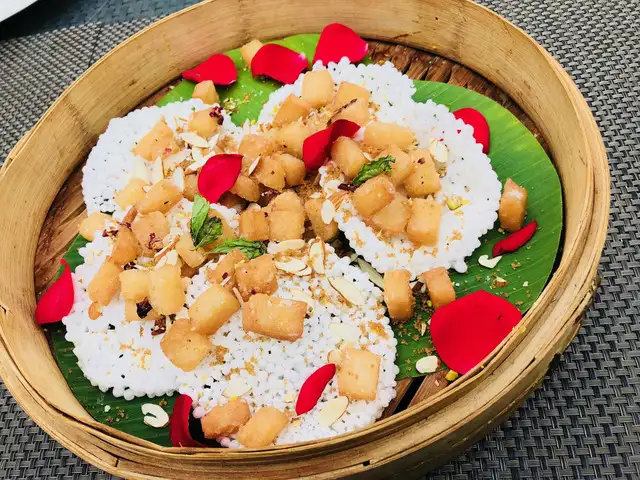
- Trim the sides of bread slices and place them loosely on a plate - Separately fry cashews and raisins in ghee until light brown - Use the same pan to deep fry bread slices - You can use half oil and half ghee to deep fry bread slices - Be careful not to burn the bread slices as this may give bitter taste to the sweet - Make sugar syrup by combining sugar and water - Bring this to boil and add cardamom powder - Simmer till it reaches one thread consistency - In lukewarm milk soak these deep fried bread slices - Add above sugar syrup to this and mix well - On low flame leave this to thick - Add saffron and stir in between until ghee/oil starts to leave the sides of the vessel - Turn off the flame ad garnish with fried cashew nuts and raisins - You can serve this warm or cool - This will stay fresh up to a week, when stored in a clean and dry air tight container in refrigerator - Fry papad and top with double ka meetha and jaggery syrup and enjoy the crisp
All purpose flour: 1 cup Yogurt: 1/2 cup Oil for deep-frying Sugar: 2 cups Water: 2 cups A pinch of saffron Green cardamom: 6 Strained local yogurt: 1 and half to 2 cups Milk (warmed): 2 tbsp Sugar: 1/4-1/2 cups (or as per taste) A pinch of nutmeg A pinch of cardamom powder
Method for Jalebi
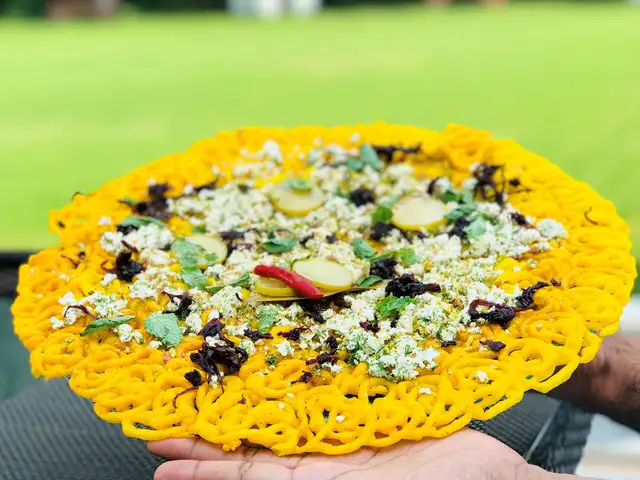
- In a large bowl, whisk refined flour, yogurt and sufficient water to a smooth, pancake batter-like consistency - Cover and keep in a warm place to ferment for 24 hours - Before cooking the next day, whip the batter again for a few minutes - Heat sufficient oil in a pot on medium heat to 325 degrees - Pour some batter into a pastry bag with a small straight tip - Squeeze round spirals into the hot oil and deep fry, turning them over gently a few times, until they are evenly golden and crisp - Drain and soak in cardamom sugar syrup for 2-3 minutes - Take them out of the syrup and serve hot - Make as big as possible
Method for Green Cardamom Syrup
- Combine ingredients in a small pot and cook on medium/low heat for 30 minutes - Strain out cardamom and cool
Method for Yogurt pudding
- Mix ingredients in a large bowl, chill - Now arrange all of them on top of jalebi like pizza and serve
(Courtesy: The Imperial, New Delhi)
IngredientsAll purpose flour: 1 cupYogurt: 1/2 cupOil for deep-fryingSugar: 2 cupsWater: 2 cupsA pinch of saffronGreen cardamom: 6Strained local yogurt: 1 and half to 2 cupsMilk (warmed): 2 tbspSugar..
While vegetarian biryani is also made, what’s mostly served up is non-vegetarian and this fits the Dravidian movement’s emphasis on meat as a way to oppose vegetarian Brahmin influence. The journalist Venkatesan Vembu tells the story of how Mani Shankar Aiyar managed to avoid this trap in the 1991 elections, by declaring himself a ‘meat-eating Brahmin’ and challenged his opponent in the Mayiladuthurai constituency to a chicken biryani eating contest. Whether or not because of the biryani, Aiyar won the election.
ADVERTISEMENT
This link between biryani and elections is not new nor restricted to Tamil Nadu. In 1919, during the elections for the Bombay Municipal Corporation, The Times of India (ToI) reported on how “a number of Mahomedan candidates had made arrangements for the creature comforts of their supporters and ‘pullav’ and ‘biriani’ were served out on a liberal scale.” By 1936 though this was being seen as controversial, with one candidate, Shamdasani, taking another, Alarakhia Aba Alaiza Seth, to court because, the newspaper reported, “he saw biryani being prepared in large utensils outside the candidate’s tent, which attracted the voters”.
Politicians would counter, in subsequent decades, by saying the biryani was meant for its party workers. In 2004, ToI reported that the Shiv Sena, which had always fed its workers on impeccably local puri-bhaji and vadapav, was now upgrading to biryani: “Ravindra Waikar, the Sena candidate from Andheri, had given contracts to as many as four caterers to ensure that supplies of vegetarian, chicken and mutton biryani didn’t fall short.” There is a story of the Sena leader Manohar Joshi instructing party workers on how to educate voters about correctly pressing buttons in the new voting machines. As the professorial Joshi droned on, people got restive and finally started calling out for “less button, what about the mutton?”
It is easy to see how lucrative contracts for biryani supply for rallies would have helped many caterers come up. And for the consumers of biryani, too, it would have gained status as a special food, which they could order too, for special occasions, or just when they wanted a treat. Perhaps this formula helped persuade the private equity investors in Thalapakatti: in a country where elections are so frequent, surely the demand for biryani can only grow as it did in Tamil Nadu? ..