Don't fear donating blood: It can prove to be healthy, after all
On National Blood Donation Day, we take a look at the many benefits of donating blood.
By ET CONTRIBUTORS | Updated:
Getty Images
By Dr Sandeep Sewlikar
Blood is an essential building block of human life. Today, millions of people around the world rely on donated blood to stay alive. But the amount of blood donated every year falls far short of what is actually needed. India alone falls short of three million units of its annual need of 12 million units a year, according to a World Health Organisation report.
Blood cannot be manufactured Several patients suffer from diseases that require routine blood transfusions. More donors need to step up and do their bit. Fear is one of the major challenges which restricts people to donate blood. But it is important to know that donating blood is good for you.
Here are some benefits:
Mini medical check-up By donating blood, you're going through a mini medical check-up. A donor has to go through a prior health screening plus and mini blood test before giving blood. The tests include a blood pressure and hemoglobin level test. Blood is also screened for major blood-borne diseases and can expect a call if you tests positive for any of them.
In India, 4%, 1% and 0.26% of the population is infected with Hepatitis B (HBV), Hepatitis C (HCV) and HIV, respectively. With the help of blood tests such as NAT Polymerase Chain Reaction (PCR), one can detect infection in donated blood early which enhances blood safety. Hence, the entire process helps in finding previously unknown health problems.
ADVERTISEMENT
Enhances heart health Donating blood boosts overall cardiovascular health. Increased level of iron in the blood can increase the chance of heart diseases. High blood iron level accelerates cholesterol oxidation and this progression is believed to be harmful for the arteries, leading to heart disease. Women constantly go through removal of blood in the course of menstrual cycles. Therefore, donating blood frequently helps men reduce the amount of iron in the blood. Regular blood donors are 33% less likely to suffer from cardiovascular disease and 88% less likely to suffer a heart attack.
Burns calories Donating 350ml - 450ml blood is suppose to burn around 650 calories in the donor's body. Also, every time when you donate blood, you can help up to three or four recipients.
Food Items You Should Eat And Avoid, According To Your Blood Type
1/5
Consuming food based on your 'Blood Type' helps in better digestion, increases the energy levels, and prevents diseases and illnesses. Moreover, it also helps you lose weight.
Deepika Dua Arora, Dietitian Mutation Diet Clinic talks about the relationship between the blood group and nutritional aspect of food consumed.
Here are the food items you should consume and avoid, according to your blood group - A, B, O and AB.
(Image: ThinkStock)
Consuming food based on your 'Blood Type' helps in better digestion, increases the energy levels, and prevents diseases and illnesses. Moreover, it also helps you lose weight.
Deepika Dua Arora, Die..
Replenish Blood When a person donates blood, they lose red cells and the body needs to make more to replace them. The body replaces the volume of blood lost within 48 hours of donation. All of the red blood cells lost during donation are completely replaced within four to eight weeks. This process of replenishment can help your body stay healthy, and work more efficiently and productively.
ADVERTISEMENT
Joy of saving a human life The health benefits of donating blood are significant - but of course, the most satisfying and rewarding part is that you get to save lives. Not only do you give someone a second chance at life, but also positively impact the lives of all those who depend on the patient.
(The author is Head - Medical and Scientific Affairs, India and Neighboring Markets, Roche Diagnostics India Pvt Ltd)
World Blood Donor Day: Nuts, Dairy And Other Iron-Rich Foods For Good Blood Count
1/7
Unexplained fatigue, weakness, headaches, breathlessness, racing heart, dizziness and poor appetite could be signs of low haemoglobin.
Haemoglobin is an iron-rich protein present in red blood cells which determines the blood count and oxygen level in the body.
Mostly menstruating or pregnant women, growing children, and patients recovering from illnesses are susceptible to haemoglobin deficiency. A well-balanced diet with iron-rich food items can work wonders to increase the quality of blood.
Dr Kajal Yeptho Pandya, head of Department of Dietetics at Medanta - The Medicity explains how each meal with a variety of foods and portion sizes can up the haemoglobin level and moderate calorie intake.
Unexplained fatigue, weakness, headaches, breathlessness, racing heart, dizziness and poor appetite could be signs of low haemoglobin.
Haemoglobin is an iron-rich protein present in red blood cells ..
Read More
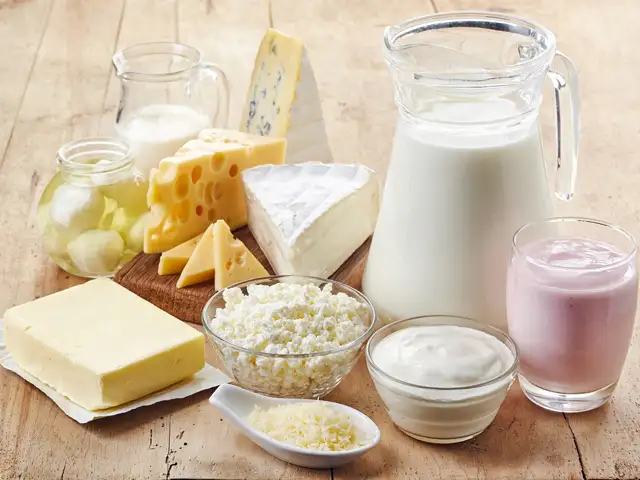
Dairy products provides proteins, vitamin D, and calcium for strong bones. Food items such as cheese, milk and yogurt are high in saturated fats. In order to moderate fat and calorie intake, it is best to choose low-fat or fat-free varieties of dairy foods.
Dairy products provides proteins, vitamin D, and calcium for strong bones. Food items such as cheese, milk and yogurt are high in saturated fats. In order to moderate fat and calorie intake, it is be..
Read More
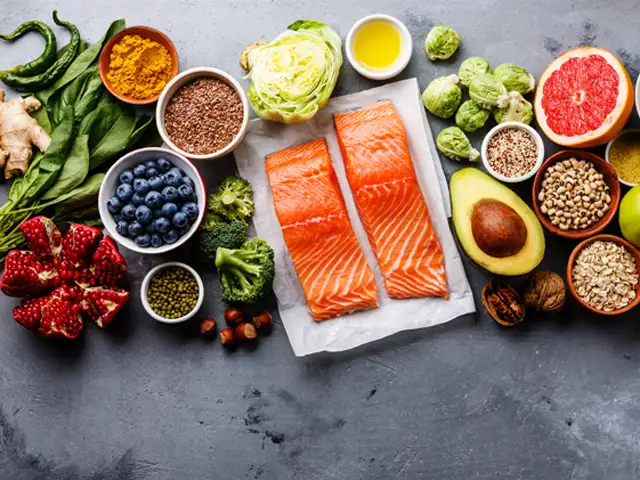
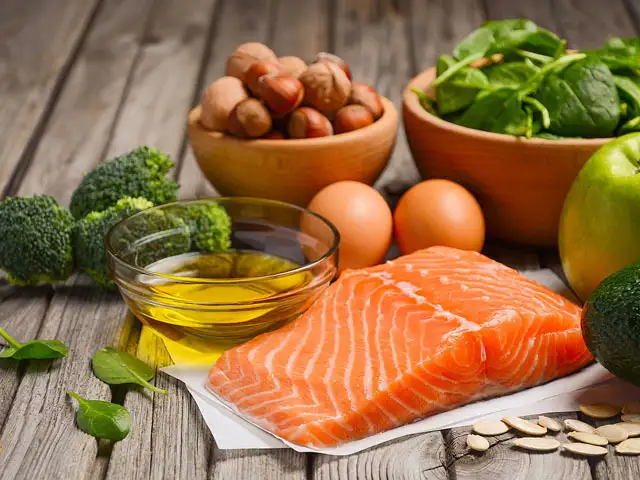
Protein-rich foods include beans, lentils, peas, eggs, nuts, seeds, soy proteins like tofu, skin-removed fish, and lean meat & poultry with visible fat. Eggs provide multiple vitamins and minerals, and meat & poultry are high in iron. Fish should be consumed regularly, particularly fish high in omega-3 fatty acids like salmon and sardines. Legumes are a rich source of fibres. Prefer grilling, poaching, dry frying or steaming over deep frying to minimise addition of fat content.
Protein-rich foods include beans, lentils, peas, eggs, nuts, seeds, soy proteins like tofu, skin-removed fish, and lean meat & poultry with visible fat. Eggs provide multiple vitamins and minerals, a..
Read More
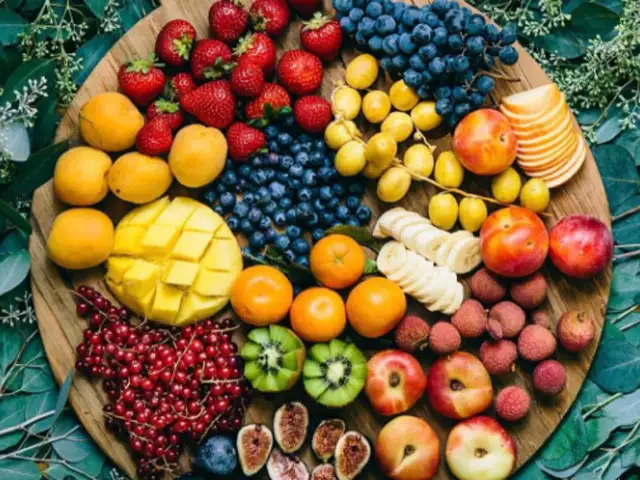
Fruits are fat-free, nutritious, low in calories and high in fibre. One must include 3-4 varieties of fruits such as beetroot, pomegranate, watermelon, apple, apricot, oranges, strawberries, papaya, grape fruit, banana, peach, mulberries, guava, litchis and kiwi to get a wide range of vitamins and minerals.
Fruits are fat-free, nutritious, low in calories and high in fibre. One must include 3-4 varieties of fruits such as beetroot, pomegranate, watermelon, apple, apricot, oranges, strawberries, papaya, ..
Read More
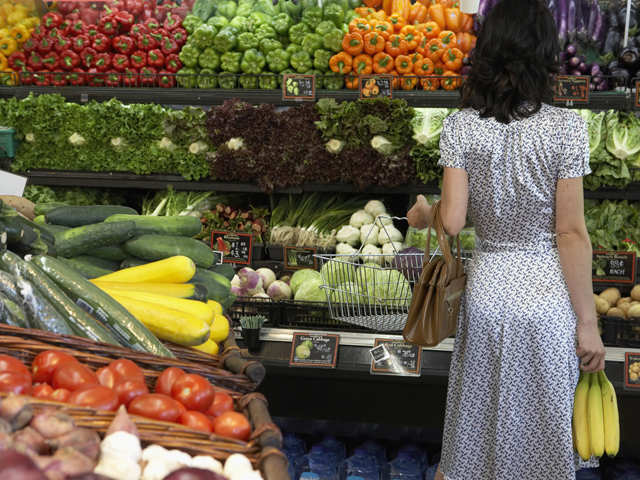
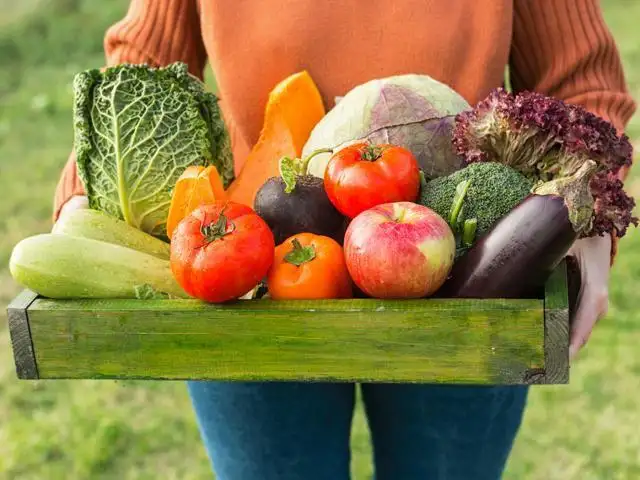
Veggies are low in calories, and high on vitamins and minerals. A wide variety of vegetables should be included in your meals (cooked or raw). Spinach, asparagus, broccoli, green peas, tomatoes, bell peppers, cauliflower, potatoes, fenugreek leaves and beans should be included in the diet daily.
Veggies are low in calories, and high on vitamins and minerals. A wide variety of vegetables should be included in your meals (cooked or raw). Spinach, asparagus, broccoli, green peas, tomatoes, bell..
Read More
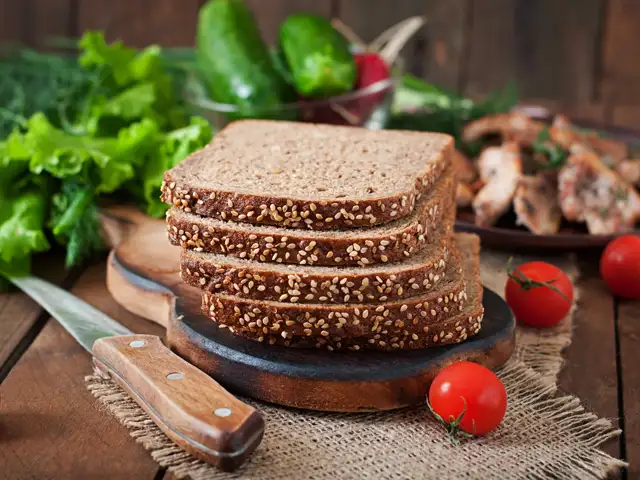
Opt for carbohydrate-rich foods like breads, cereals, pasta and rice. One should choose whole-grain varieties as those are high in fibre, and contain more vitamins than the refined-versions. Cereals and breads enriched with iron, calcium or omega-3 are recommended to make the diet more nutritious.
Opt for carbohydrate-rich foods like breads, cereals, pasta and rice. One should choose whole-grain varieties as those are high in fibre, and contain more vitamins than the refined-versions. Cereals ..
Read More
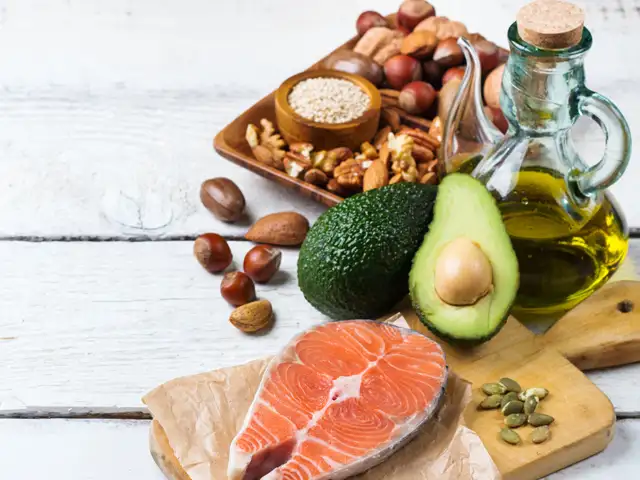
While some amount of fat is necessary in our diet, it is important to get the right kind of fats. Nuts, seeds, avocados, and oil from canola, olive, peanut contain healthy fats and oils. Saturated and trans fats, found in meat, chicken, fatty beef, lamb, pork, poultry with skin, cream, butter, cheese, etc, should be minimised as they can put your heart at risk.
While some amount of fat is necessary in our diet, it is important to get the right kind of fats. Nuts, seeds, avocados, and oil from canola, olive, peanut contain healthy fats and oils. Saturated an..
(Disclaimer: The opinions expressed in this column are that of the writer. The facts and opinions expressed here do not reflect the views of www.economictimes.com.)