No smokers, only non-vegetarians can donate blood; and other myths debunked
Fact: One pint of your blood can save up to 3 lives!
By ET CONTRIBUTORS |
ThinkStock Photos
By Dr Dinesh Bhurani
Saving someone's life is the noblest act of all, which benefits a lot of people. The donated blood is stored for future emergencies like surgeries, transfusion, and for patients suffering from thalassemia, anemia and hemophilia.
People between the ages of 18 and 60, weighing above 45 kilograms, can donate blood at least 3 to 4 times a year. Still there is a 10 per cent deficit in the blood units required by medical institutions in India despite having a donor population of 512 million.
Why is blood donation a challenge? There are my factors behind this glaring shortage, mostly because of the skewed awareness and stigmas attached to blood donation. States with lower literacy rates have less number of donors.
How can someone donate blood? It is extremely crucial to talk to a medical professional and have a blood test before considering to donate blood. The donors can contact their nearest hospitals, blood bank or donation camp to donate blood. However, people suffering with diabetes, HIV, low haemoglobin, pregnant women, people who take hormones or blood thinners, and people who have consumed alcohol 24 hours prior to blood donation are not allowed to donate blood.
Blood donation leaves you tired, and your immunity compromised: Donating blood doesn't make you fatigued. One can easily resume work an hour after donation. Donors are requested to eat 4 hours prior to their appointment and are given refreshments soon after. The donors' immunity isn't at any risk at all. In fact, regular blood donation can prevent diseases such as hemochromatosis, and reduce the risk of cancer.
Blood donation reduces blood in your body and affects your organs:Regular donation is said to be good for the pancreas, livers and kidneys, and helpful in reducing obesity. However, one shouldn't depend on blood donation for tackling obesity. Your body regenerates fresh blood completely within 120 days of donation, making the flow in your body better. A pint of your blood can save up to 3 lives!
Blood donation is a painful process: Donating blood is safe and quick, and doesn't take more than half an hour. The only pain during donation is of the needle pricking the skin.
ADVERTISEMENT
Only men, tall people and non-vegetarians can donate blood:Blood donation in not restricted to men or tall people. Anyone who has been cleared by the doctor can become a donor. Lifestyle choices such as vegetarianism or smoking do not affect someone's chances of donating blood. However, smokers are advised to not smoke an hour before and after donation.
People with tattoos and piercings cannot donate blood:This myth discourages a lot of people. People with tattoos or piercings can donate blood, but after blood tests and a waiting period of 6 to 12 months.
ADVERTISEMENT
(The author is Hemato Oncologist, Advisory, MediGence)
World Blood Donor Day: Nuts, Dairy And Other Iron-Rich Foods For Good Blood Count
1/7
Unexplained fatigue, weakness, headaches, breathlessness, racing heart, dizziness and poor appetite could be signs of low haemoglobin.
Haemoglobin is an iron-rich protein present in red blood cells which determines the blood count and oxygen level in the body.
Mostly menstruating or pregnant women, growing children, and patients recovering from illnesses are susceptible to haemoglobin deficiency. A well-balanced diet with iron-rich food items can work wonders to increase the quality of blood.
Dr Kajal Yeptho Pandya, head of Department of Dietetics at Medanta - The Medicity explains how each meal with a variety of foods and portion sizes can up the haemoglobin level and moderate calorie intake.
Unexplained fatigue, weakness, headaches, breathlessness, racing heart, dizziness and poor appetite could be signs of low haemoglobin.
Haemoglobin is an iron-rich protein present in red blood cells ..
Read More
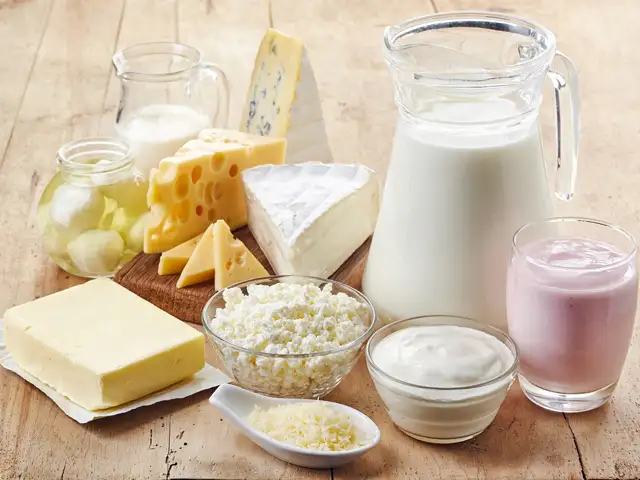
Dairy products provides proteins, vitamin D, and calcium for strong bones. Food items such as cheese, milk and yogurt are high in saturated fats. In order to moderate fat and calorie intake, it is best to choose low-fat or fat-free varieties of dairy foods.
Dairy products provides proteins, vitamin D, and calcium for strong bones. Food items such as cheese, milk and yogurt are high in saturated fats. In order to moderate fat and calorie intake, it is be..
Read More
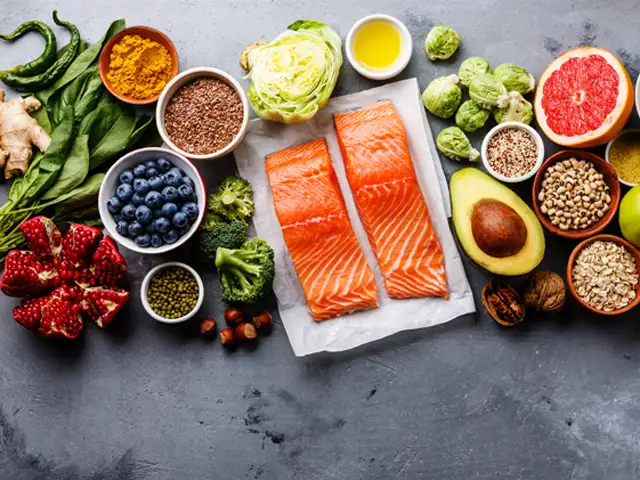
Protein-rich foods include beans, lentils, peas, eggs, nuts, seeds, soy proteins like tofu, skin-removed fish, and lean meat & poultry with visible fat. Eggs provide multiple vitamins and minerals, and meat & poultry are high in iron. Fish should be consumed regularly, particularly fish high in omega-3 fatty acids like salmon and sardines. Legumes are a rich source of fibres. Prefer grilling, poaching, dry frying or steaming over deep frying to minimise addition of fat content.
Protein-rich foods include beans, lentils, peas, eggs, nuts, seeds, soy proteins like tofu, skin-removed fish, and lean meat & poultry with visible fat. Eggs provide multiple vitamins and minerals, a..
Read More
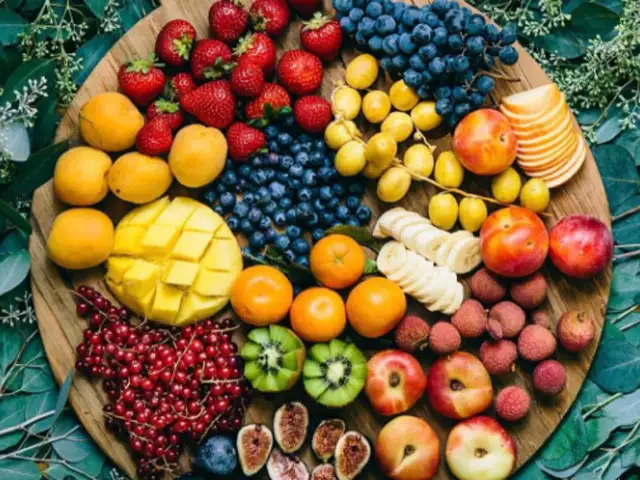
Fruits are fat-free, nutritious, low in calories and high in fibre. One must include 3-4 varieties of fruits such as beetroot, pomegranate, watermelon, apple, apricot, oranges, strawberries, papaya, grape fruit, banana, peach, mulberries, guava, litchis and kiwi to get a wide range of vitamins and minerals.
Fruits are fat-free, nutritious, low in calories and high in fibre. One must include 3-4 varieties of fruits such as beetroot, pomegranate, watermelon, apple, apricot, oranges, strawberries, papaya, ..
Read More
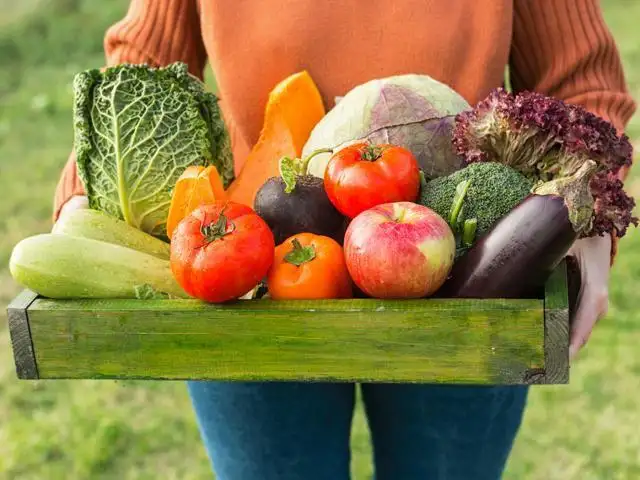
Veggies are low in calories, and high on vitamins and minerals. A wide variety of vegetables should be included in your meals (cooked or raw). Spinach, asparagus, broccoli, green peas, tomatoes, bell peppers, cauliflower, potatoes, fenugreek leaves and beans should be included in the diet daily.
Veggies are low in calories, and high on vitamins and minerals. A wide variety of vegetables should be included in your meals (cooked or raw). Spinach, asparagus, broccoli, green peas, tomatoes, bell..
Read More
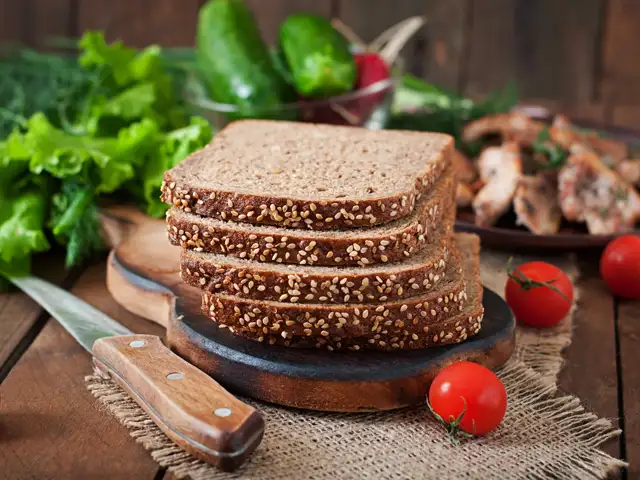
Opt for carbohydrate-rich foods like breads, cereals, pasta and rice. One should choose whole-grain varieties as those are high in fibre, and contain more vitamins than the refined-versions. Cereals and breads enriched with iron, calcium or omega-3 are recommended to make the diet more nutritious.
Opt for carbohydrate-rich foods like breads, cereals, pasta and rice. One should choose whole-grain varieties as those are high in fibre, and contain more vitamins than the refined-versions. Cereals ..
Read More
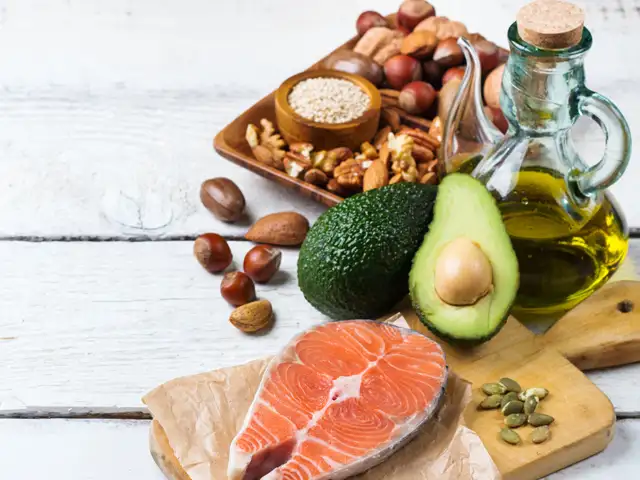
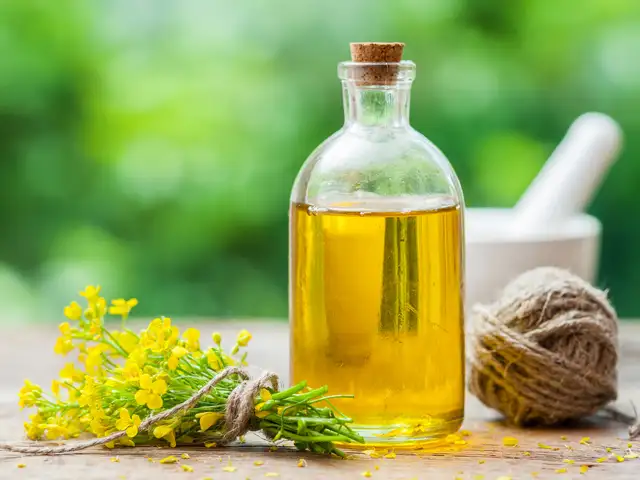
While some amount of fat is necessary in our diet, it is important to get the right kind of fats. Nuts, seeds, avocados, and oil from canola, olive, peanut contain healthy fats and oils. Saturated and trans fats, found in meat, chicken, fatty beef, lamb, pork, poultry with skin, cream, butter, cheese, etc, should be minimised as they can put your heart at risk.
While some amount of fat is necessary in our diet, it is important to get the right kind of fats. Nuts, seeds, avocados, and oil from canola, olive, peanut contain healthy fats and oils. Saturated an..
(Disclaimer: The opinions expressed in this column are that of the writer. The facts and opinions expressed here do not reflect the views of www.economictimes.com.)