Did you know people enjoyed chocolate 5,300 years ago?
Researchers believe cacao beans were used to make the chocolate drinks during feasts and rituals.
By PTI |
Getty Images
TORONTO: Humans have been enjoying chocolate far longer than previously thought, according to a study which found that cacao was grown for food 5,300 years ago at an ancient settlement in the highlands of southeastern Ecuador.
Archaeological evidence of cacao's use, dating back to 3,900 years ago, previously planted the idea that the cacao tree - from which chocolate is made - was first domesticated in Central America, according to the study published in the journal Nature Ecology & Evolution.
However, genetic evidence shows that the highest diversity of the cacao tree and related species is actually found in equatorial South America -- where cacao is important to contemporary Indigenous groups.
Superfoods To The Rescue! Get Your Dose Of Health-Boosting Antioxidants
1/7
Some diet foods are full of antioxidants, essential nutrients. Food items like sabja (sweet basil) seeds and coconut water are easily accessible options, say experts.
Inputs by Rashida Sidhpurwala, consulting Nutritionist at UrbanClap, website for lifestyle services:
Some diet foods are full of antioxidants, essential nutrients. Food items like sabja (sweet basil) seeds and coconut water are easily accessible options, say experts.
Inputs by Rashida Sidhpurwala, ..
Read More
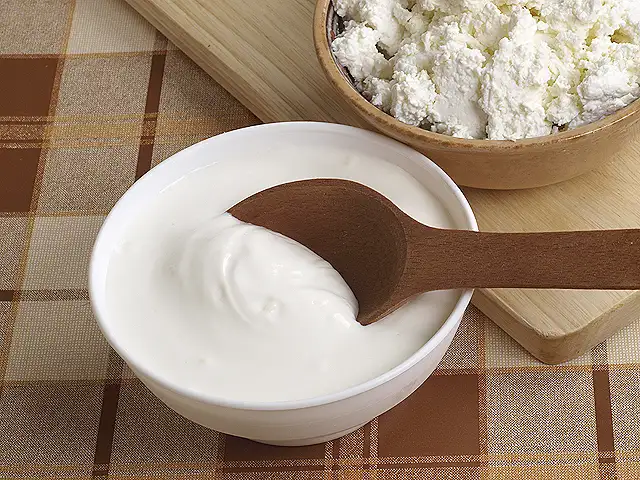
Curd
For all those who suffer from constipation, gas and acidity, this one is an absolute must-have on a daily basis.
However the curd must be set at home.
This allows the essential fats, the vitamin D and the vitamin B along with the B12 to be retained.
Curd strengthens the intestines, reduces acidity attacks and keeps the bloating down.
Curd
For all those who suffer from constipation, gas and acidity, this one is an absolute must-have on a daily basis.
However the curd must be set at home.
This allows the essential fats, the vita..
Read More
Cucumber
An alkaline body will have the best metabolism and will stay away from manifesting or developing diseases so make sure to include this super hydrating vegetable in your diet, every day.
Cucumber
An alkaline body will have the best metabolism and will stay away from manifesting or developing diseases so make sure to include this super hydrating vegetable in your diet, every day.
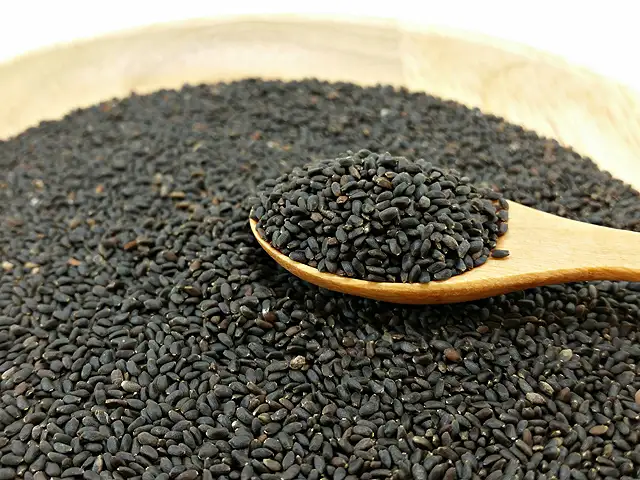
Sabja (sweet basil) seeds
Not just a quick detox, but an instant cooler and bloating reliever.
Sabja (sweet basil) seeds
Not just a quick detox, but an instant cooler and bloating reliever.
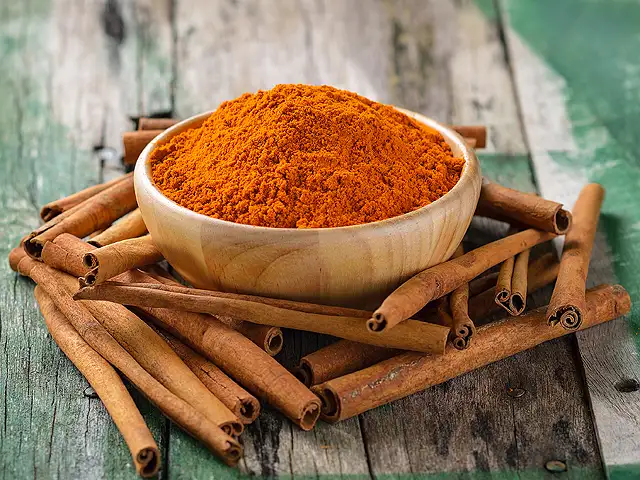
Cinnamon
This spice has a plethora of benefits that include super anti-inflammatory power and reduction of arthritic pain.
Not only does it help curb low-density lipoprotein (LDL) and blood sugar levels drastically but chewing a small piece of it also helps keeps sweet cravings at bay.
Cinnamon
This spice has a plethora of benefits that include super anti-inflammatory power and reduction of arthritic pain.
Not only does it help curb low-density lipoprotein (LDL) and blood sugar l..
Read More
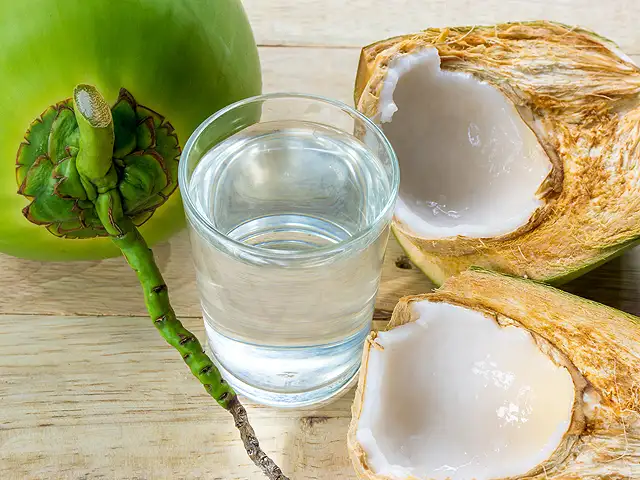
Coconut Water
This is not just thirst quencher but has the perfect balance of sodium and potassium to give the skin a baby-fresh look.
It is also a well known reliever of cramps and migraine during menstruation.
Coconut Water
This is not just thirst quencher but has the perfect balance of sodium and potassium to give the skin a baby-fresh look.
It is also a well known reliever of cramps and migraine during..
Read More
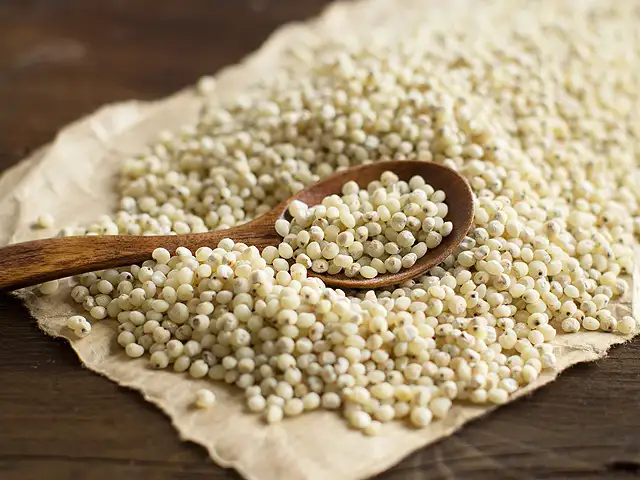
Jowar
This grain is rich in vitamin B1, iron and fibre. It can help pick up the rate at which the body is burning fat.
Jowar
This grain is rich in vitamin B1, iron and fibre. It can help pick up the rate at which the body is burning fat.
Researchers, including those from the University of British Columbia (UBC) in Canada, searched for evidence of the plant at an archaeological site in the region.
"This new study shows us that people in the upper reaches of the Amazon basin, extending up into the foothills of the Andes in southeastern Ecuador, were harvesting and consuming cacao that appears to be a close relative of the type of cacao later used in Mexico -- and they were doing this 1,500 years earlier," said Michael Blake, a professor at UBC.
"They were also doing so using elaborate pottery that pre-dates the pottery found in Central America and Mexico," Blake said.
ADVERTISEMENT
"This suggests that the use of cacao, probably as a drink, was something that caught on and very likely spread northwards by farmers growing cacao in what is now Colombia and eventually Panama and other parts of Central America and southern Mexico," he said.
Theobroma cacao, known as the cacao tree, was a culturally important crop in pre-Columbian Mesoamerica -- a historical region and cultural area in North America that extends from central Mexico through Belize, Guatemala, El Salvador, Honduras, Nicaragua, and northern Costa Rica.
They studied ceramic artifacts from Santa Ana-La Florida, in Ecuador, the earliest known site of Mayo-Chinchipe culture, which was occupied from at least 5,450 years ago.
The researchers used three lines of evidence to show that the Mayo-Chinchipe culture used cacao between 5,300 and 2,100 years ago.
ADVERTISEMENT
They are the presence of starch grains specific to the cacao tree inside ceramic vessels and broken pieces of pottery; residues of theobromine, a bitter alkaloid found in the cacao tree but not its wild relatives; and fragments of ancient DNA with sequences unique to the cacao tree.
The findings suggest that the Mayo-Chinchipe people domesticated the cacao tree at least 1,500 years before the crop was used in Central America.
As some of the artifacts from Santa Ana-La Florida have links to the Pacific coast, the researchers suggest that trade of goods, including culturally important plants, could have started cacao's voyage north.