Desi dabba solution to single-use plastic
Environmentalists won’t have any tiffs with this Indian tiffin takeaway.
By ET Bureau |

BCCL
Mumbai’s famed dabbawalas have become a part of urban legend and an exemplar of Sigma Six efficiency for corporate managements the world over. Now, the desi dabba is proving its efficacy as an environmentally-friendly utensil in Britain.
Doing his bit to help make the environment litter-free, an Indian-origin proprietor of a Bradford eatery has started using deposit-returnable tiffin carriers instead of single-use plastic containers to dish out tikka masala to his takeaway clientele.
To curry favour, literally, with customers, he offers a 10% discount to those who opt for dabbas instead of bags.
With the resurgence of Raj nostalgia in post-Brexit Britain, tiffin carriers could have an added appeal in that the word, if not the container with which it is now associated, is a coinage of the Empire.
In the early19th century, the colonials in India, in an adjustment to the climate, shifted their 3.00 pm dinner to late evening and had a light noontime meal that they termed tiffin, a possible derivative of the old English tippen, which meant a small drink, or sip.
The word came to be associated with a meal to be had in the early afternoon, and which was often conveyed from kitchen to consumer in a multi-tiered container called a tiffin carrier.
Thanks to this homely container, Bradford is proving that while there may not be a free lunch, there certainly can be a plastic-free variant of it.
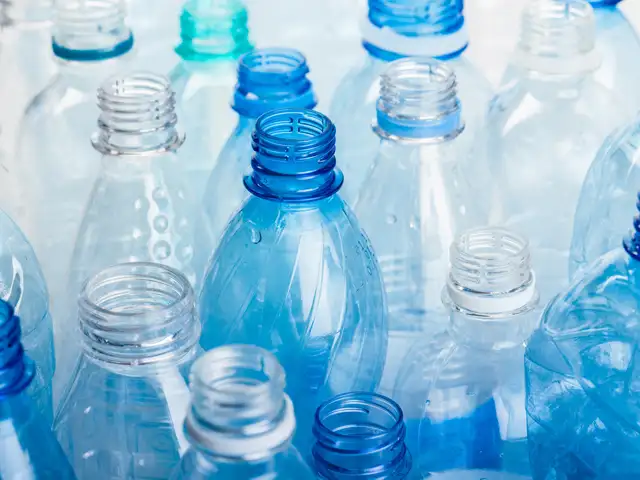
After scientists accidentally created mutant plastic-eating enzymes, we look at other unintentional discoveries that changed the world.
(Text: Shannon Tellis)
Doing his bit to help make the environment litter-free, an Indian-origin proprietor of a Bradford eatery has started using deposit-returnable tiffin carriers instead of single-use plastic containers to dish out tikka masala to his takeaway clientele.
To curry favour, literally, with customers, he offers a 10% discount to those who opt for dabbas instead of bags.
With the resurgence of Raj nostalgia in post-Brexit Britain, tiffin carriers could have an added appeal in that the word, if not the container with which it is now associated, is a coinage of the Empire.
In the early19th century, the colonials in India, in an adjustment to the climate, shifted their 3.00 pm dinner to late evening and had a light noontime meal that they termed tiffin, a possible derivative of the old English tippen, which meant a small drink, or sip.
The word came to be associated with a meal to be had in the early afternoon, and which was often conveyed from kitchen to consumer in a multi-tiered container called a tiffin carrier.
ADVERTISEMENT
Thanks to this homely container, Bradford is proving that while there may not be a free lunch, there certainly can be a plastic-free variant of it.
(Text: Shannon Tellis)



Download
The Economic Times Business News App for the Latest News in Business, Sensex, Stock Market Updates & More.
The Economic Times Business News App for the Latest News in Business, Sensex, Stock Market Updates & More.
ADVERTISEMENT


