Corona fallout: Zomato urges customers to check ‘hygiene rating’; Urban Ladder instructs delivery partners to wear masks
Brands are trying to reassure consumers in the wake of the outbreak.
By ET Online | Updated:
Agencies
Hit by a slowdown with fewer people venturing out and spending, brands are trying to put up a brave front to their customers and reassuring them of their safety.
As the number of people testing positive in India mounts and the fear of coronavirus spreads, brands are trying to do as much damage-control as possible. Hit by a slowdown with fewer people venturing out and spending, many are trying to put up a brave front to their customers and reassuring them of their safety.
Online food-delivery platform, Zomato, on Friday afternoon sent out an email to its customers, and assured them that it was taking all steps to ensure the safety of its customers, delivery partners, merchants and employees in the wake of the Covid-19 outbreak.
Zomato’s mail, which comes days after Swiggy had sent a similar one, reiterates that it is
“continuously training and educating our delivery partners on the best practices of personal hygiene, proper method and frequency of hand washing/sanitising as well as what to do in case they have any symptoms related to COVID-19.”
It also mentioned that it has asked its delivery partners to self-quarantine or reach out to a doctor immediately if they show any symptoms. The online food brand has also promised financial support to its ‘delivery partners financially during this time’.
Zomato has also urged its customers who order food and make bookings through the platform to use the filter 'hygiene rating' while searching for options for delivery. Apart from that, it said that it had also reached out to merchant partners and advised them on best practices to be followed by staff in their kitchens.
ADVERTISEMENT
Screenshot of the advisory sent by Zomato. Online furniture delivery brand, Urban Ladder, meanwhile, sent a note to one of its customers who had made a recent purchase. Apart from emphasising on the ‘necessary precautions to protect customers and team members’, the note also said that it was equipping its team members with ‘masks to be used during their visit for delivery/installations.’ The note was signed by Ashish Goel who is the CEO of Urban Ladder.
Today and tomorrow's hero @UrbanLadder https://t.co/o0m1C8lnXH
Tea and beverage brand, Chaayos, which is quite popular with the millennial lot, has also sent an SMS to its customers and listed a few steps that it has taken. Chaayos, which also doubles up as a co-working space for many youngsters, has mentioned that its 'cafe team is wearing masks as a precautionary measure'. It also added that it has made 'hand sanitisers available for guests across all cafes'.
Chaayos has also sent an SMS to its customers and listed a few steps that it has taken.
A lot of what you hear or read about the coronavirus may be myths. WHO data busts a few common misconceptions.
A lot of what you hear or read about the coronavirus may be myths. WHO data busts a few common misconceptions.
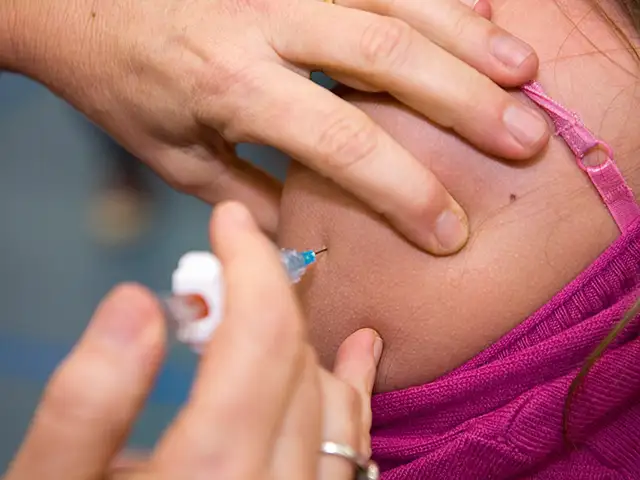
Myth: Pneumonia vaccines will protect you against coronavirus.
Reality: Vaccines against pneumonia, such as pneumococcal vaccine and Haemophilus influenza type B (Hib) vaccine, do not provide protection against coronavirus. The virus is so new and different that it needs its own vaccine. Researchers are trying to develop a vaccine against 2019-nCoV, and WHO is supporting their efforts. However, while they are not effective against 2019-nCoV, vaccination against respiratory illnesses is highly recommended to protect your health.
Myth: Pneumonia vaccines will protect you against coronavirus.
Reality: Vaccines against pneumonia, such as pneumococcal vaccine and Haemophilus influenza type B (Hib) vaccine, do not provide protec..
Read More
Myth: Ultraviolet disinfection lamp can kill the coronavirus.
Reality: UV lamps should not be used to sterilise hands or other areas of skin. Far from killing the virus, the UV radiation can actually cause skin irritation.
Myth: Ultraviolet disinfection lamp can kill the coronavirus.
Reality: UV lamps should not be used to sterilise hands or other areas of skin. Far from killing the virus, the UV radiation can actuall..
Read More
Myth: Thermal scanners can help detect infected people.
Reality: Thermal scanners are effective in detecting people who have developed a fever due to the coronavirus infection. However, they cannot detect people who are infected but are not yet sick with the fever. This is because it takes between two and 10 days before people who are infected become sick and develop a fever.
Myth: Thermal scanners can help detect infected people.
Reality: Thermal scanners are effective in detecting people who have developed a fever due to the coronavirus infection. However, they cannot ..
Read More
Myth: Spraying alcohol or chlorine all over the body kill the coronavirus.
Reality: Spraying alcohol or chlorine all over your body will not kill viruses that have already entered your body. In fact, spraying such substances can be harmful to clothes or mucous membranes (ie eyes, mouth). Be aware that both alcohol and chlorine can be used to disinfect surfaces, but they need to be used under appropriate recommendations.
Myth: Spraying alcohol or chlorine all over the body kill the coronavirus.
Reality: Spraying alcohol or chlorine all over your body will not kill viruses that have already entered your body. In fact..
Read More
Myth: Putting on sesame oil will block the coronavirus from entering the body.
Reality: Sesame oil does not kill coronavirus. There are some chemical disinfectants that can kill the 2019-nCoV on surfaces. These include bleach or chlorine-based disinfectants, solvents, 75 per cent ethanol, peracetic acid and chloroform. However, they have little or no impact on the virus if you put them on the skin or under your nose. It can even be dangerous to put these chemicals on your skin.
Myth: Putting on sesame oil will block the coronavirus from entering the body.
Reality: Sesame oil does not kill coronavirus. There are some chemical disinfectants that can kill the 2019-nCoV on sur..
Read More
Myth: Coronavirus mainly affects older people.
Reality: People of all ages can be infected by the 2019-nCoV. Older people, and people with preexisting medical conditions [such as asthma, diabetes, heart disease] appear to be more vulnerable. But WHO has advised people of all ages to take steps to protect themselves from the virus.
Myth: Coronavirus mainly affects older people.
Reality: People of all ages can be infected by the 2019-nCoV. Older people, and people with preexisting medical conditions [such as asthma, diabetes, h..
Read More
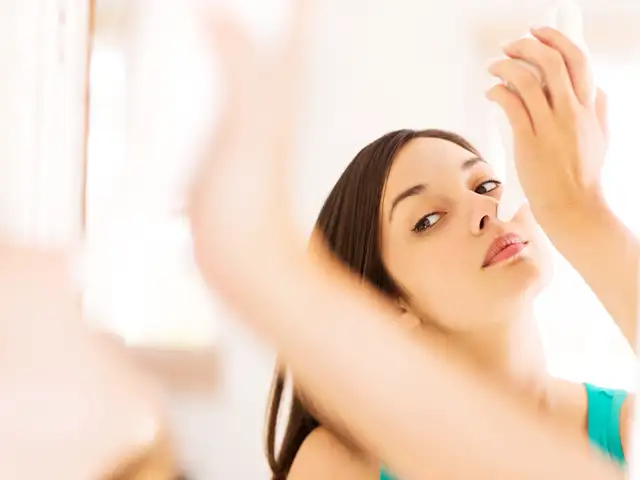
Myth: Rinsing your nose with saline will help prevent coronavirus infection.
Reality: There is no evidence that regularly rinsing the nose with saline has protected people from a coronavirus infection. But there is some limited evidence that regularly rinsing nose with saline can help people recover more quickly from a common cold. However, regularly rinsing the nose has not been shown to prevent respiratory infections.
Myth: Rinsing your nose with saline will help prevent coronavirus infection.
Reality: There is no evidence that regularly rinsing the nose with saline has protected people from a coronavirus infecti..
Read More
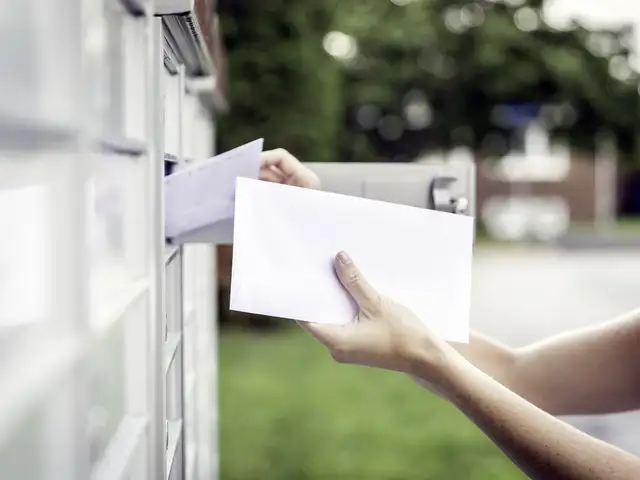
Myth: It’s not safe to receive letters or packages from China.
Reality: It is safe to receive letters and packages from China. People receiving packages from China are not at risk of contracting the coronavirus. From previous analysis, we know that coronaviruses do not survive long on objects such as letters or packages.
Myth: It’s not safe to receive letters or packages from China.
Reality: It is safe to receive letters and packages from China. People receiving packages from China are not at risk of contracting the..
Read More
Myth: Pets at home can spread the coronavirus
Reality: At present, there is no evidence that companion animals or pets such as dogs or cats can be infected with the coronavirus. However, it is always a good idea to wash your hands with soap and water after contact with these pets. This will protect you against various common bacteria such as E.coli and Salmonella that can pass between pets and humans.
Myth: Pets at home can spread the coronavirus
Reality: At present, there is no evidence that companion animals or pets such as dogs or cats can be infected with the coronavirus. However, it is alway..