Coronavirus can live in patients for five weeks after being infected

By comparison, only a third of patients with SARS still harbored the virus in their respiratory tract after as long as four weeks.

iStock
Currently, the recommended isolation period after exposure is 14 days to avoid spreading the virus. (Representative image)
By Claire Che

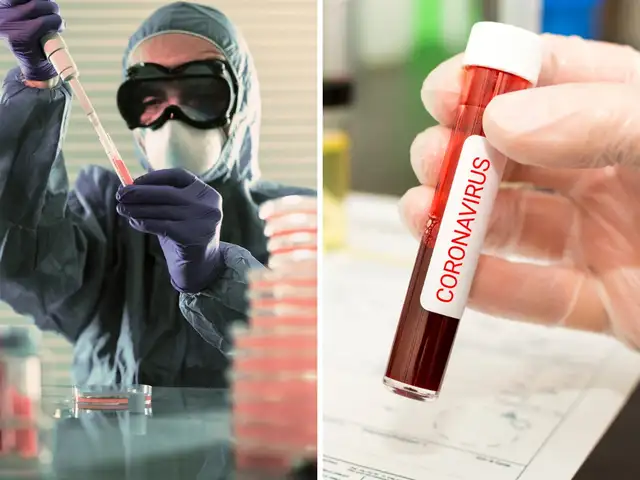
Patients with the new coronavirus keep the pathogen in their respiratory tract for as long as 37 days, a new study found, suggesting they could remain infectious for many weeks.

In yet another sign of how difficult the pandemic may be to contain, doctors in China detected the virus’s RNA in respiratory samples from survivors for a median of 20 days after they became infected, they wrote in an article published in the Lancet medical journal.


The new coronavirus has spread to 118 countries and infected about 125,000 people since first emerging in Wuhan, China, at the end of last year, evading drastic efforts by local authorities and subsequent containment attempts in other nations.

The findings have “important implications for both patient isolation decision-making and guidance around the length of antiviral treatment,” Fei Zhou from the Chinese Academy of Medical Sciences and the other authors wrote.
Bust The Myth Bubble: Sesame Oil, Alcohol Sprays Can't Prevent Coronavirus
1/11
A lot of what you hear or read about the coronavirus may be myths. WHO data busts a few common misconceptions.
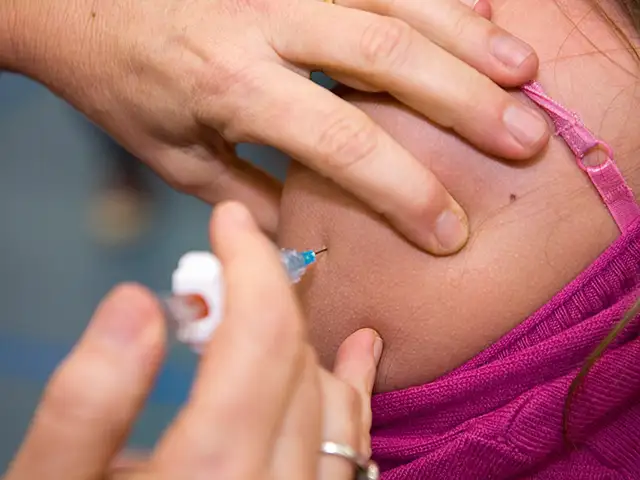
Myth: Pneumonia vaccines will protect you against coronavirus.

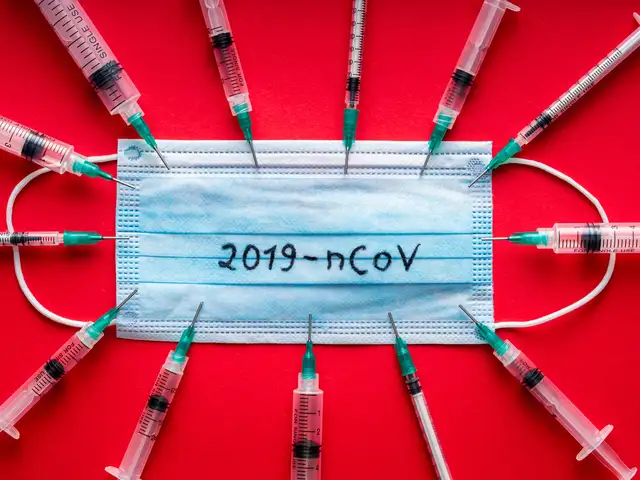
Reality: Vaccines against pneumonia, such as pneumococcal vaccine and Haemophilus influenza type B (Hib) vaccine, do not provide protection against coronavirus. The virus is so new and different that it needs its own vaccine. Researchers are trying to develop a vaccine against 2019-nCoV, and WHO is supporting their efforts. However, while they are not effective against 2019-nCoV, vaccination against respiratory illnesses is highly recommended to protect your health.
Myth: Pneumonia vaccines will protect you against coronavirus. Reality: Vaccines against pneumonia, such as pneumococcal vaccine and Haemophilus influenza type B (Hib) vaccine, do not provide protec..
Read More
Myth: Ultraviolet disinfection lamp can kill the coronavirus.

Reality: UV lamps should not be used to sterilise hands or other areas of skin. Far from killing the virus, the UV radiation can actually cause skin irritation.
Myth: Ultraviolet disinfection lamp can kill the coronavirus. Reality: UV lamps should not be used to sterilise hands or other areas of skin. Far from killing the virus, the UV radiation can actuall..
Read More
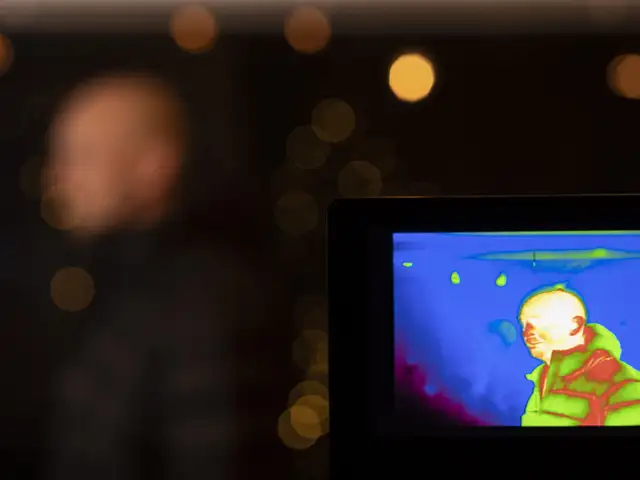
Myth: Thermal scanners can help detect infected people.

Reality: Thermal scanners are effective in detecting people who have developed a fever due to the coronavirus infection. However, they cannot detect people who are infected but are not yet sick with the fever. This is because it takes between two and 10 days before people who are infected become sick and develop a fever.
Myth: Thermal scanners can help detect infected people. Reality: Thermal scanners are effective in detecting people who have developed a fever due to the coronavirus infection. However, they cannot ..
Read More
Myth: Spraying alcohol or chlorine all over the body kill the coronavirus.

Reality: Spraying alcohol or chlorine all over your body will not kill viruses that have already entered your body. In fact, spraying such substances can be harmful to clothes or mucous membranes (ie eyes, mouth). Be aware that both alcohol and chlorine can be used to disinfect surfaces, but they need to be used under appropriate recommendations.
Myth: Spraying alcohol or chlorine all over the body kill the coronavirus. Reality: Spraying alcohol or chlorine all over your body will not kill viruses that have already entered your body. In fact..
Read More
Myth: Putting on sesame oil will block the coronavirus from entering the body.

Reality: Sesame oil does not kill coronavirus. There are some chemical disinfectants that can kill the 2019-nCoV on surfaces. These include bleach or chlorine-based disinfectants, solvents, 75 per cent ethanol, peracetic acid and chloroform. However, they have little or no impact on the virus if you put them on the skin or under your nose. It can even be dangerous to put these chemicals on your skin.
Myth: Putting on sesame oil will block the coronavirus from entering the body. Reality: Sesame oil does not kill coronavirus. There are some chemical disinfectants that can kill the 2019-nCoV on sur..
Read More
Myth: Coronavirus mainly affects older people.

Reality: People of all ages can be infected by the 2019-nCoV. Older people, and people with preexisting medical conditions [such as asthma, diabetes, heart disease] appear to be more vulnerable. But WHO has advised people of all ages to take steps to protect themselves from the virus.
Myth: Coronavirus mainly affects older people. Reality: People of all ages can be infected by the 2019-nCoV. Older people, and people with preexisting medical conditions [such as asthma, diabetes, h..
Read More
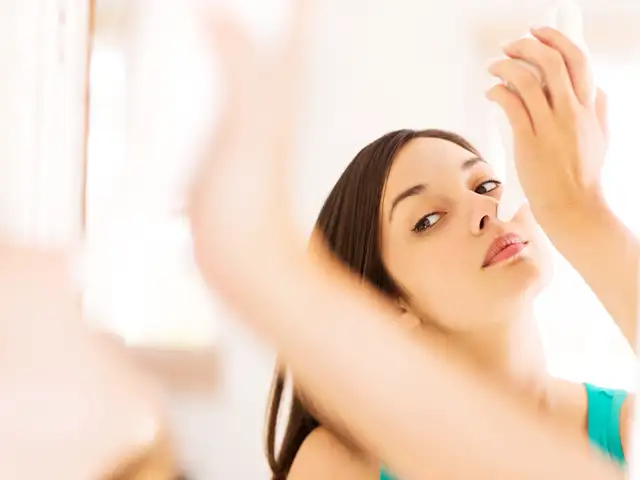
Myth: Rinsing your nose with saline will help prevent coronavirus infection.

Reality: There is no evidence that regularly rinsing the nose with saline has protected people from a coronavirus infection. But there is some limited evidence that regularly rinsing nose with saline can help people recover more quickly from a common cold. However, regularly rinsing the nose has not been shown to prevent respiratory infections.
Myth: Rinsing your nose with saline will help prevent coronavirus infection. Reality: There is no evidence that regularly rinsing the nose with saline has protected people from a coronavirus infecti..
Read More
Myth: It’s not safe to receive letters or packages from China.

Reality: It is safe to receive letters and packages from China. People receiving packages from China are not at risk of contracting the coronavirus. From previous analysis, we know that coronaviruses do not survive long on objects such as letters or packages.
Myth: It’s not safe to receive letters or packages from China. Reality: It is safe to receive letters and packages from China. People receiving packages from China are not at risk of contracting the..
Read More
Myth: Pets at home can spread the coronavirus

Reality: At present, there is no evidence that companion animals or pets such as dogs or cats can be infected with the coronavirus. However, it is always a good idea to wash your hands with soap and water after contact with these pets. This will protect you against various common bacteria such as E.coli and Salmonella that can pass between pets and humans.
Myth: Pets at home can spread the coronavirus Reality: At present, there is no evidence that companion animals or pets such as dogs or cats can be infected with the coronavirus. However, it is alway..
Read More

ADVERTISEMENT
Currently, the recommended isolation period after exposure is 14 days to avoid spreading the virus. But if people remain contagious long after their symptoms have vanished, they may unwittingly propagate the pathogen after they return from quarantine.

By comparison, only a third of patients with SARS still harbored the virus in their respiratory tract after as long as four weeks, the Chinese scientists said. They studied the medical records and laboratory data from 191 Covid-19 patients treated at Jinyintan Hospital and Wuhan Pulmonary Hospital, including 54 who died from the infection.

A Bioweapon Or Effects Of 5G? 7 Conspiracy Theories Around Coronavirus That Will Shock You
1/8

The coronavirus outbreak has brought the world to a halt. With over 471,794 positive cases and 21,297 deaths, COVID-19 outbreak has caused global panic. Italy, Iran, US happen to be the worst hit countries in addition to China, which is the epicentre of the outbreak.


As the phrase goes, the ‘streets are talking’ and rumour mills are running overtime. Several sceptics and tin foil hat bearers have been speculating and there are plenty of coronavirus conspiracy theories doing the rounds on the Internet.


Here are some of the most spine-chilling, eerie and scary conspiracy theories surrounding COVID-19.

The coronavirus outbreak has brought the world to a halt. With over 471,794 positive cases and 21,297 deaths, COVID-19 outbreak has caused global panic. Italy, Iran, US happen to be the worst hit cou..
Read More

Ever since the news about the coronavirus was picked up by global media, speculations about the communist government of China trying to ‘cover-up’ the outbreak and hide the official figures were rife.

The fact that the Chinese Government tried to suppress the attempts of the whistleblowers (the insiders as well as eight doctors), who tried to warn the public of the pandemic, is rather alarming and didn’t help their cause.

While the rumours of the Chinese cover-up are unsubstantiated, once can only think about the popular proverb, ‘there’s no smoke, without fire’.

Ever since the news about the coronavirus was picked up by global media, speculations about the communist government of China trying to ‘cover-up’ the outbreak and hide the official figures were ri..
Read More

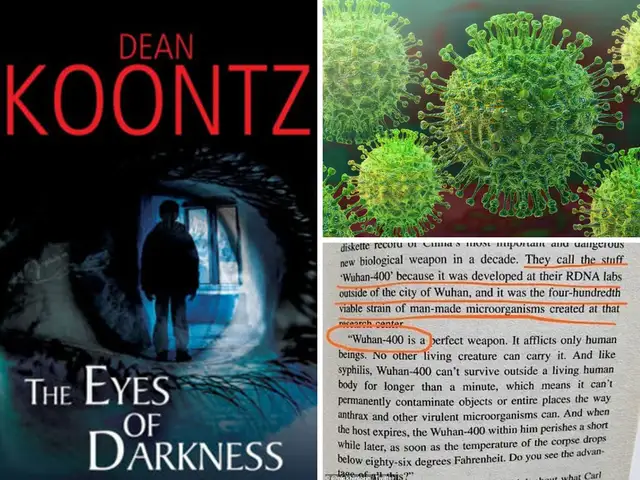
This theory, in all probability, is the scariest one and will send chills down your spine. Soon after the news of the outbreak broke, several users started pointing out that a passage from the 1981 book ‘The Eyes of Darkness’ by Dean Koontz eerily predicts the Coronavirus outbreak.

The photograph of the passage from the book went viral in no time and netizens couldn’t help but freak out because the resemblance was uncanny and the evidence was hard to dismiss.

To give you some background, the plot is based around a mother who attempts to find out what happened to her son after he mysteriously disappeared on a camping trip. It turns out that the boy is held in China – more specifically in Wuhan - the site of a deadly virus outbreak.

In the passage, a character named Dombey narrates an account of a virus called ‘Wuhan-400’ which was developed at the RDNA lab outside the city of Wuhan, and ‘ it was the four-hundredth viable strain of man-made microorganisms created at that research centre’.

The passage then gives intricate details about how the virus affects the human body. The chilling accuracy with which this 1981 book predicts the outbreak and the resemblance between ‘Wuhan-400’ and Coronavirus is eerie to say the least.

This theory, in all probability, is the scariest one and will send chills down your spine. Soon after the news of the outbreak broke, several users started pointing out that a passage from the 1981 b..
Read More

The Internet was brimming with conspiracies about the coronavirus, and, perhaps, one of the most prominent ones was that the virus could be a bioweapon. According to an ET Prime report, a group of Chinese scientists in Canada were accused of spying and were stripped of their access to Canada’s National Microbiology Lab (NML) which is known to work on some of the most deadly pathogens.

The alleged ‘policy breach’, highlighted the bioweapon program of other countries including China. Dr Francis Boyle, the creator of Bio Weapons Act, also claims that ‘the coronavirus is an offensive biological warfare weapon with DNA-genetic engineering’.

Again, the claims about coronavirus being a biological weapon are unsubstantiated.

Also Read: Is your beard putting you at risk of coronavirus?

The Internet was brimming with conspiracies about the coronavirus, and, perhaps, one of the most prominent ones was that the virus could be a bioweapon. According to an ET Prime report, a group of Ch..
Read More

Scientists haven’t been able to determine the origin of COVID-19 but speculations are rife that the virus originated in the seafood market. This was substantiated by reports from Chinese health authorities and the World Health Organization which said that “most” cases had links to the seafood market, which was closed on 1 January.

Sceptics on the online forums, however, have been sharing suspicions that the virus could have originated from Wuhan, Institute of Virology, which houses China’s only level- four biosafety laboratory (the highest-level classification of labs that study the deadliest viruses).

The first prominent personality to come out publicly and support the theory was the US senator Tom Cotton who appeared on Fox News to allege that the virus could indeed have originated from the lab.

Several netizens have also been alleging that this was an attempt to control the Chinese population. However, the claims are unsubstantiated.


Scientists haven’t been able to determine the origin of COVID-19 but speculations are rife that the virus originated in the seafood market. This was substantiated by reports from Chinese health autho..
Read More
As conspiracy theories started spreading like wildfire on the Internet, several misguided rumours about the connection between 5G and coronavirus surfaced online. COVID-19, is believed to have originated from a wet market in Wuhan, China, in November. Coincidentally, China also turned on some of its 5G networks in November.

Rumours gained steam when Keri Hilson, popular American singer, with 4.2 million followers on Twitter, sent out tweets last week about the alleged connection between 5G and COVID-19, writing, "People have been trying to warn us about 5G for YEARS. Petitions, organizations, studies... what we're going through is the affects [sic] of radiation. 5G launched in CHINA. Nov 1, 2019. People dropped dead."

Several conspiracy theorists also alleged that the viral videos of people ‘dropping on the ground and fainting’ in China, were a result of 5G radio waves messing with the oxygen levels in blood of the general public.

Soon, a UK based fact checking website, FullFact, debunked the claims and argued that there is ‘no evidence that 5G is harmful to people’s health’.
As conspiracy theories started spreading like wildfire on the Internet, several misguided rumours about the connection between 5G and coronavirus surfaced online. COVID-19, is believed to have origin..
Read More

Sceptics are almost everywhere. When the news about coronavirus spread, several skeptics on social media started accusing the global media of creating unnecessary panic around the novel coronavirus.

Netizens all over the world started comparing the outbreak to severe acute respiratory syndrome (SARS) outbreak which happened in 2003. Scientists argued that more contagious the virus, lesser is the mortality rate, which simply means that viruses which are highly contagious are less deadly.

The mortality rate for coronavirus as per a CIDRAP report is 2.3% while for SARS, it was a whopping 9.6%.

Is the media unnecessarily hyping up the pandemic? Or is the ‘2% mortality rate’ argument baseless?

Sceptics are almost everywhere. When the news about coronavirus spread, several skeptics on social media started accusing the global media of creating unnecessary panic around the novel coronavirus.N..
Read More

‘The Simpsons’ is popular for various reasons. It is, of course, the longest running primetime scripted series and has won several accolades too. But, the animated show is also known for predicting several major events around the world before they happened.

From allegedly predicting the 9/11 attacks to Donald Trump announcing his presidency, the show is almost like an embodiment of Nostradamus. However, soon after the coronavirus outbreak, allegations of the show predicting the pandemic surfaced.

A February 20 Facebook post appeared and showed stills from a 1993 episode of the show in which both Homer Simpson and Principal Skinner are sick; another image shows a broadcaster reading off a piece of paper while the words "corona virus" and a cat appears on a screen behind him.

However, it turns out that the images were altered. Three images were from an episode called ‘Osaka flu’ where a factory worker coughs into a package for Homer and he falls sick. The text behind the broadcaster in the fourth image however, does not say ‘corona virus’ but ‘apocalypse meow’.

‘The Simpsons’ is popular for various reasons. It is, of course, the longest running primetime scripted series and has won several accolades too. But, the animated show is also known for predicting s..
Read More

Download
The Economic Times Business News App
for the Latest News in Business, Sensex, Stock Market Updates & More.
READ MORE
ADVERTISEMENT

READ MORE:

LOGIN & CLAIM

50 TIMESPOINTS

More from our Partners

Loading next story
Business News › Magazines › Panache › Coronavirus can live in patients for five weeks after being infected
Text Size:AAA
Success
This article has been saved

*

+