At Lalit Doshi lecture, Uday Kotak does a flashback; quotes N Vaghul’s 1995 words on spiritual development over finance
The then ICICI chairman was the first speaker at the lecture in 1995.
By Masoom Gupte, ET Bureau |

Agencies
In a recent talk, the banker reiterated a message from a 1995 address given by then ICICI chairman N Vaghul — spiritual development over plain finance.
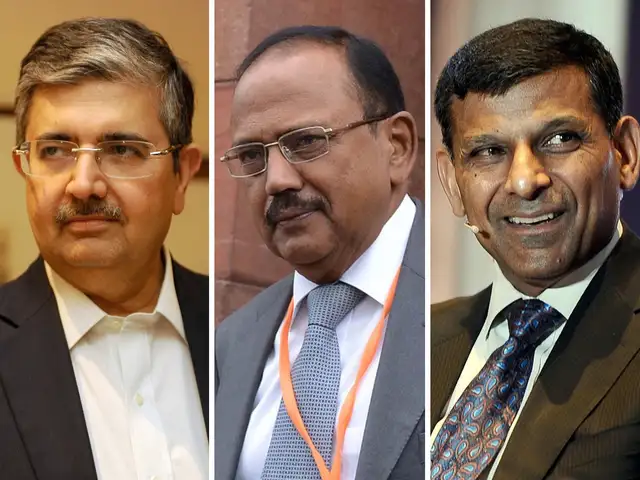
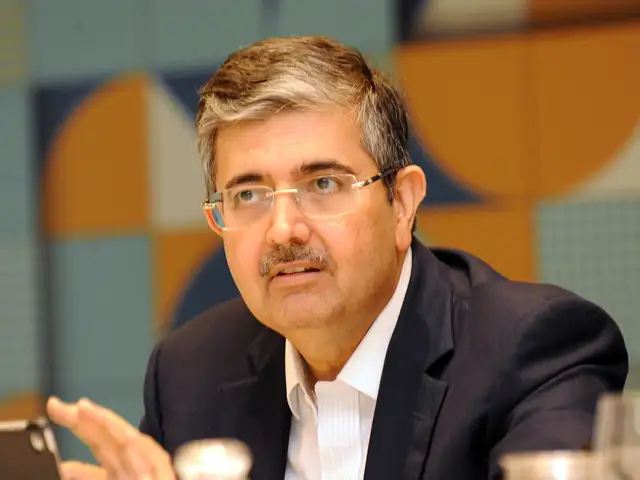
When banker Uday Kotak took the mic at the annual Lalit Doshi Memorial lecture on the first Monday of August in Mumbai, his topic was ‘India’s tryst with finance’. His talk marked the silver jubilee of the lecture series, and thus the right moment to hark back to the beginning.
The first speaker, back in 1995, was N Vaghul, the then chairman of ICICI. “Most interestingly, Mr Vaghul, in that first speech, spoke about spirituality,” Kotak said in his opening remarks. “And I wonder whether 25 years later, most of us in finance should really be speaking more on spirituality than finance, knowing the challenges that the financial sector is going through as we speak today.”
Explaining his choice of subject for the lecture — Spirituality and Modern Life — Vaghul had then said, “At the beginning of the 15th century, India and China were the only two superpowers in the world. There could be several reasons why we lost the status of superpower. But I believe one of the strong reasons was our inability to stick to the values that stood us in good stead over 3,000 years of our existence as a civilised society.”
Vaghul’s talk was prefaced with a caution — to not confuse the spiritual values he was talking about with pure religious thinking. “There are certainly overlapping areas between religious values and spiritual values but we should not get into a narrow parochial view when I talk about our ancient past that I am talking about only the Hindu religion,” he said. Here are a few edited excerpts from Vaghul’s lecture.
Material and spiritual dimensions
“The first principle of a thought process that emerged during three or four centuries — the Upanishadic and Buddhist period in India, the Taoist period in China and that of Socrates and his followers in Greece — seems to agree that we are operating in two dimensions, the material and spiritual dimension. One is familiar to us because we are able to see it through our sense organs. We are not aware of the spiritual dimension because we do not have the instruments of perception for seeing it. The characteristic of the material dimension is impermanence. On the other hand, the spiritual dimension is eternal. Human beings can transcend the material dimension and realise the eternal nature of spiritual existence if they make a sincere effort in that direction.”
Experiencing the true nature of existence
“Different saints have used different terminology to describe the process. Sufis, for example, would call the process ‘Mind Purification’. They would claim that as long as the gross mind is impure, it is incapable of pursuing the reality. The Hindu scriptures espousing a similar concept would say that the three things that stand between the gross mind and reality are Raga [desire], Dvesha [negativity] and Moha [temptation]. So long as this fire is burning, there is no way in which one can transcend the gross mind.”
The disappearing of “I”
When banker Uday Kotak took the mic at the annual Lalit Doshi Memorial lecture on the first Monday of August in Mumbai, his topic was ‘India’s tryst with finance’. His talk marked the silver jubilee of the lecture series, and thus the right moment to hark back to the beginning.
The first speaker, back in 1995, was N Vaghul, the then chairman of ICICI. “Most interestingly, Mr Vaghul, in that first speech, spoke about spirituality,” Kotak said in his opening remarks. “And I wonder whether 25 years later, most of us in finance should really be speaking more on spirituality than finance, knowing the challenges that the financial sector is going through as we speak today.”
Explaining his choice of subject for the lecture — Spirituality and Modern Life — Vaghul had then said, “At the beginning of the 15th century, India and China were the only two superpowers in the world. There could be several reasons why we lost the status of superpower. But I believe one of the strong reasons was our inability to stick to the values that stood us in good stead over 3,000 years of our existence as a civilised society.”
Vaghul’s talk was prefaced with a caution — to not confuse the spiritual values he was talking about with pure religious thinking. “There are certainly overlapping areas between religious values and spiritual values but we should not get into a narrow parochial view when I talk about our ancient past that I am talking about only the Hindu religion,” he said. Here are a few edited excerpts from Vaghul’s lecture.
The Lalit Doshi Memorial Lecture (LDML), instituted in the name of the eponymous former civil servant, has been hosted in Mumbai annually since 1995.
On Monday, August 5, Uday Kotak became the 25th speaker to deliver it. The LDML speaker club is an illustrious one (even though the absence of any female speakers in the list is jarring).
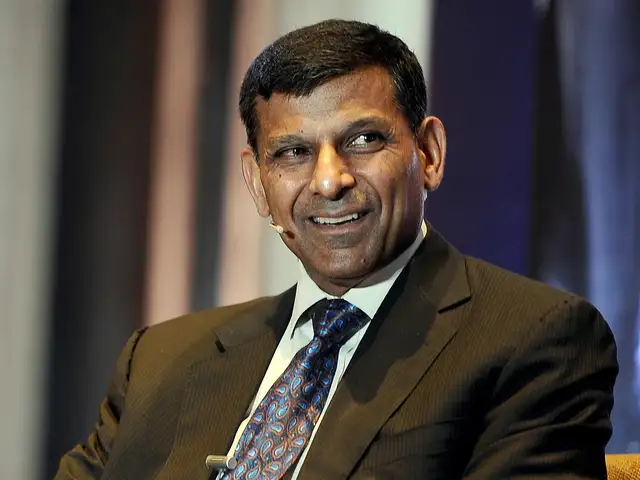
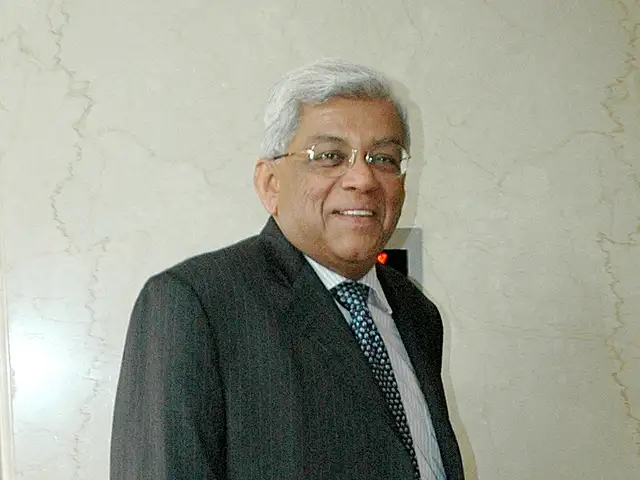
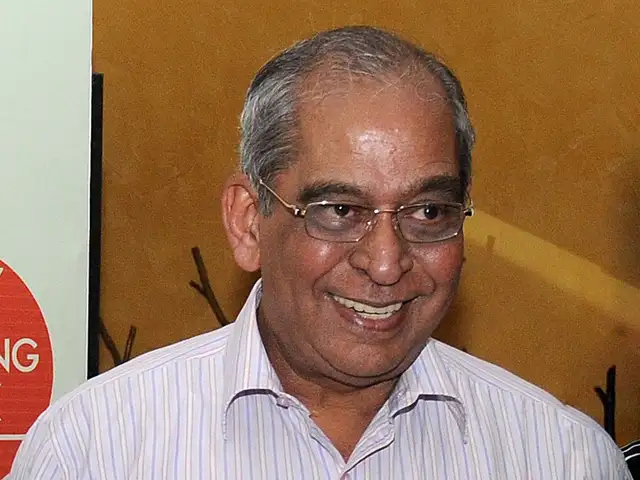
Here’s a look at what past speakers have spoken about in the address:

ADVERTISEMENT
Material and spiritual dimensions
“The first principle of a thought process that emerged during three or four centuries — the Upanishadic and Buddhist period in India, the Taoist period in China and that of Socrates and his followers in Greece — seems to agree that we are operating in two dimensions, the material and spiritual dimension. One is familiar to us because we are able to see it through our sense organs. We are not aware of the spiritual dimension because we do not have the instruments of perception for seeing it. The characteristic of the material dimension is impermanence. On the other hand, the spiritual dimension is eternal. Human beings can transcend the material dimension and realise the eternal nature of spiritual existence if they make a sincere effort in that direction.”
Experiencing the true nature of existence
“Different saints have used different terminology to describe the process. Sufis, for example, would call the process ‘Mind Purification’. They would claim that as long as the gross mind is impure, it is incapable of pursuing the reality. The Hindu scriptures espousing a similar concept would say that the three things that stand between the gross mind and reality are Raga [desire], Dvesha [negativity] and Moha [temptation]. So long as this fire is burning, there is no way in which one can transcend the gross mind.”
The disappearing of “I”
ADVERTISEMENT
“The final leap towards transcendence can come when one gives up the ‘I’ consciousness. [Sant] Kabir would say that so long as Kabir was there, God did not appear, but the moment Kabir disappeared, God appeared. Even if one does not complete the final process of eradicating the ‘I’ consciousness, the improvement in the quality of life is still worth the effort.”Download
The Economic Times Business News App for the Latest News in Business, Sensex, Stock Market Updates & More.
The Economic Times Business News App for the Latest News in Business, Sensex, Stock Market Updates & More.
ADVERTISEMENT


