4 tips to build your child's immunity: Talk to them about stress, maintain a routine
Experts talk about ways in which your little ones can be armed against the virus.
By Glynda Alves, ET Bureau | Updated:

Getty Images
With the outdoors being off limits for now, many parents are concerned that their children’s new routine of staying indoors may lower their resistance. There are ways you can boost your child’s immunity at home to ensure that they don’t fall sick easily. ETPanache asks the experts to suggest what you can do.
Stress test
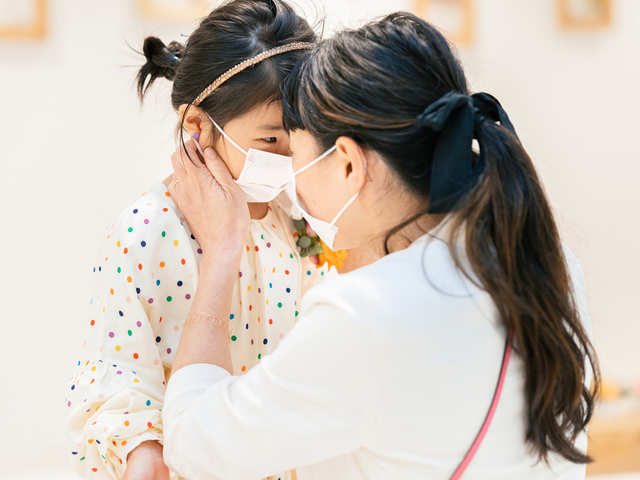
With children becoming tech savvy, it’s difficult to hide what’s going on in the world from them. Especially during a global crisis. Dr Atish Laddad, director at Docterz, says that we need to talk about stress with children as a way of letting them cope and stay healthy. “A child’s body has the same response to anxiety as adults. Their levels of cortisol and adrenaline rise. Once this rise in stress hormones is constant, the response of their immune system is down. It’s important for youngsters to have enough time for creativity and rest,” he says.
Elimination process
Many of us have grown up with the thought that ice-cream and chocolates are a treat, but they actually harm your immunity. Luke Coutinho, holistic lifestyle coach, Integrative Medicine, says, “Sugar is the no. 1 killer of immunity. Sugar and other processed food is the biggest enemy when it comes to the health and immunity of your child.”
Dr Vanshika Adukia, founder of Therhappy, suggests healthier sweet treats. “Opt for alternate natural forms of sugar like jaggery, coconut sugar, date sugar, fruits like berries and oranges,” she says.
Diet dos
There are certain ingredients you should add to your child’s diet that can help them fight infections. Shikha Mahajan, nutritionist, Diet Podium, says, “Garlic, ginger, turmeric, flaxseed, honey and cinnamon are great immunity boosters, so you may include them in their food.”
Dr Adukia stresses on the importance of probiotics in children’s diet. “Yogurt, kefir, kimchi, fermented foods like idli, dhokla, kanji, chaas are some great Indian probiotic options that can help build gut microbiome,” she says.
Regular routine
Sticking to a routine can also help children stay healthy, says Alpa Momaya, senior nutritionist, HealthifyMe. She says, “Try to follow the school schedule, be it meal time, television time or sleep time, even during the lockdown.”
Avni Kaul, nutritionist, NutriActivania, says that sleep is essential in keeping illness at bay. “Children should sleep early because for them, 10 hours of sleep is recommended. When their bodies are adequately rested, they are better prepared to counter germs and infections,” she says.
Stress test
With children becoming tech savvy, it’s difficult to hide what’s going on in the world from them. Especially during a global crisis. Dr Atish Laddad, director at Docterz, says that we need to talk about stress with children as a way of letting them cope and stay healthy. “A child’s body has the same response to anxiety as adults. Their levels of cortisol and adrenaline rise. Once this rise in stress hormones is constant, the response of their immune system is down. It’s important for youngsters to have enough time for creativity and rest,” he says.
Elimination process
Many of us have grown up with the thought that ice-cream and chocolates are a treat, but they actually harm your immunity. Luke Coutinho, holistic lifestyle coach, Integrative Medicine, says, “Sugar is the no. 1 killer of immunity. Sugar and other processed food is the biggest enemy when it comes to the health and immunity of your child.”
Dr Vanshika Adukia, founder of Therhappy, suggests healthier sweet treats. “Opt for alternate natural forms of sugar like jaggery, coconut sugar, date sugar, fruits like berries and oranges,” she says.
Diet dos
There are certain ingredients you should add to your child’s diet that can help them fight infections. Shikha Mahajan, nutritionist, Diet Podium, says, “Garlic, ginger, turmeric, flaxseed, honey and cinnamon are great immunity boosters, so you may include them in their food.”
Dr Adukia stresses on the importance of probiotics in children’s diet. “Yogurt, kefir, kimchi, fermented foods like idli, dhokla, kanji, chaas are some great Indian probiotic options that can help build gut microbiome,” she says.
ADVERTISEMENT
Regular routine
Sticking to a routine can also help children stay healthy, says Alpa Momaya, senior nutritionist, HealthifyMe. She says, “Try to follow the school schedule, be it meal time, television time or sleep time, even during the lockdown.”
Avni Kaul, nutritionist, NutriActivania, says that sleep is essential in keeping illness at bay. “Children should sleep early because for them, 10 hours of sleep is recommended. When their bodies are adequately rested, they are better prepared to counter germs and infections,” she says.
In the wake of coronavirus, several schools and colleges have been shut in many parts of the world to contain the spread of COVID-19. As public awareness and conversations around the novel virus increase, the situation can get the children anxious and worried for their family members and friends.
Parents, family members, teachers, healthcare professionals and trusted adults play a significant role in helping children make sense of what they hear in a way that is honest, accurate and minimise their fear or anxiety.
Dr Sreenath Manikanti, Senior Consultant Neonatologist & HOD Fortis La Femme Hospital, Richmond Road, Bangalore shares a few tips to help make the corona conversation easier around children.





Download
The Economic Times Business News App for the Latest News in Business, Sensex, Stock Market Updates & More.
The Economic Times Business News App for the Latest News in Business, Sensex, Stock Market Updates & More.
ADVERTISEMENT


