Stress can impact immunity: Experts say good mental health key to fight coronavirus
Every aspect of our life, be it health, financial or relationships, has been affected due to the pandemic.
By PTI |

Getty Images
MUMBAI: While living in unprecedented times, people are not only battling the fear of coronavirus, but are also gripped with anxiety and worry of losing their source of income amid the economic crisis due to the lockdown.
Mental health experts say taking less stress over the viral disease, spending quality time with family and indulging in creative activities can help overcome the feeling of being depressed and vulnerable during this time of crisis.
The lockdown due to the coronavirus outbreak has two extreme reactions - fear and worry over an uncertain future, and careless attitude and ignorance about the prevailing threat of spread of the virus, Mumbai-based psychiatrist Rajendra Barve told PTI.
"The second kind of people are in a denial mode. We are cornered from all sides by this virus. The confusion cuts across caste, religion, region barriers. The only silver lining for us is that symptoms (of worry and anxiety) are mild and there is no morbidity," he said.
Every aspect of our life, be it health, financial or relationships, has been affected, he said.
During the lockdown, social media is helping people to be happy as some have been posting pictures of their activities which they did not do on other days, like cooking or cleaning the house, he said.
For people from lower rung sections who are facing an existential crisis, Barve gave tips like "don't change your routine and spend quality time with the family. If you are spending more time with family, don't waste it on raking up old issues and creating disputes. Have better and mutual understanding in relationships".
In stressful times, immunity levels can go down, he said, adding people need to have confidence in themselves.
"If you have a feeling of gratefulness, you will be calm. Focus on what you have and not what you don't," he said.
Referring to jokes circulating on social media, he said humour is good way to handle stress but one need not get too personal with such posts nor go far from reality.
He feels clapping, clanging plates and lighting lamps are good strategies to keep people united when people are staring at uncertainty.
Psychiatrist Anand Nadkarni from neighbouring Thane said there are two types of stress- eustress, which is necessary and distress, which is exaggerated.
"Both are universal conditions. Eustress is necessary and optimum tension required to cope with the situation while distress is exaggerated unnecessary tension which harms coping with the challenge.
A goal-related thinking is always with eustress, while goal-deviated thinking is distress, even though the thought may not be wrong, he said.
"If my mind works on possible consequences and generating alternatives then it is eustress, it focuses on factors within control and differentiates between factors within and beyond control," he said.
The factors within our control at present are our security and that of our family. "When you think of factors within control, the emotions are of concern and factors beyond our control generate emotions of anxiety," he said.
He said in the present situation, even if one automatically goes in distress, it is in self-interest that the person consciously brings himself on the eustress track.
"When circumstances are difficult, people are likely to be pushed towards distress. It depends on how the human mind looks and evaluates these circumstances," he said.
Radhika Nadkarny, a Pune-based behavioural learning and development professional, said during stress, the best thing to do is accept/acknowledge the stress, pause and reflect on both mental and physical health.
"Make time your ally, learn to relax, recharge and plan it wisely...focus on both people and solitude," she said.
"In times of stress, the best thing we can do for each other is to listen with our ears and our hearts and to be assured that our questions are just as important as our answers," she added.
Goa-based architect Rohit Hede said he is using the lockdown time to indulge in activities like painting.
"I have an incomplete painting which I started six years back. But, all these years I was so busy with work that the canvas remained incomplete," he said.
But thanks to the lockdown, he completed it in just one-and-a-half hours. "Now, many other items on my to do list are getting done," he said.
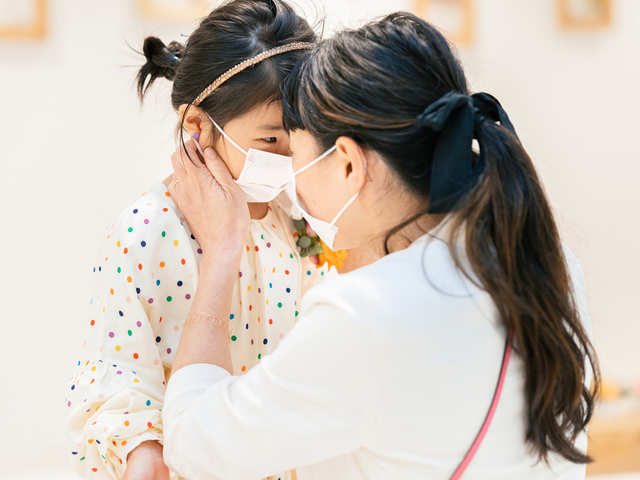
Mental health experts say taking less stress over the viral disease, spending quality time with family and indulging in creative activities can help overcome the feeling of being depressed and vulnerable during this time of crisis.
The lockdown due to the coronavirus outbreak has two extreme reactions - fear and worry over an uncertain future, and careless attitude and ignorance about the prevailing threat of spread of the virus, Mumbai-based psychiatrist Rajendra Barve told PTI.
"The second kind of people are in a denial mode. We are cornered from all sides by this virus. The confusion cuts across caste, religion, region barriers. The only silver lining for us is that symptoms (of worry and anxiety) are mild and there is no morbidity," he said.
Every aspect of our life, be it health, financial or relationships, has been affected, he said.
During the lockdown, social media is helping people to be happy as some have been posting pictures of their activities which they did not do on other days, like cooking or cleaning the house, he said.
ADVERTISEMENT
For people from lower rung sections who are facing an existential crisis, Barve gave tips like "don't change your routine and spend quality time with the family. If you are spending more time with family, don't waste it on raking up old issues and creating disputes. Have better and mutual understanding in relationships".
In stressful times, immunity levels can go down, he said, adding people need to have confidence in themselves.
"If you have a feeling of gratefulness, you will be calm. Focus on what you have and not what you don't," he said.
Referring to jokes circulating on social media, he said humour is good way to handle stress but one need not get too personal with such posts nor go far from reality.
ADVERTISEMENT
He feels clapping, clanging plates and lighting lamps are good strategies to keep people united when people are staring at uncertainty.
Psychiatrist Anand Nadkarni from neighbouring Thane said there are two types of stress- eustress, which is necessary and distress, which is exaggerated.
ADVERTISEMENT
"Both are universal conditions. Eustress is necessary and optimum tension required to cope with the situation while distress is exaggerated unnecessary tension which harms coping with the challenge.
A goal-related thinking is always with eustress, while goal-deviated thinking is distress, even though the thought may not be wrong, he said.
"If my mind works on possible consequences and generating alternatives then it is eustress, it focuses on factors within control and differentiates between factors within and beyond control," he said.
The factors within our control at present are our security and that of our family. "When you think of factors within control, the emotions are of concern and factors beyond our control generate emotions of anxiety," he said.
He said in the present situation, even if one automatically goes in distress, it is in self-interest that the person consciously brings himself on the eustress track.
"When circumstances are difficult, people are likely to be pushed towards distress. It depends on how the human mind looks and evaluates these circumstances," he said.
Radhika Nadkarny, a Pune-based behavioural learning and development professional, said during stress, the best thing to do is accept/acknowledge the stress, pause and reflect on both mental and physical health.
"Make time your ally, learn to relax, recharge and plan it wisely...focus on both people and solitude," she said.
"In times of stress, the best thing we can do for each other is to listen with our ears and our hearts and to be assured that our questions are just as important as our answers," she added.
Goa-based architect Rohit Hede said he is using the lockdown time to indulge in activities like painting.
"I have an incomplete painting which I started six years back. But, all these years I was so busy with work that the canvas remained incomplete," he said.
But thanks to the lockdown, he completed it in just one-and-a-half hours. "Now, many other items on my to do list are getting done," he said.
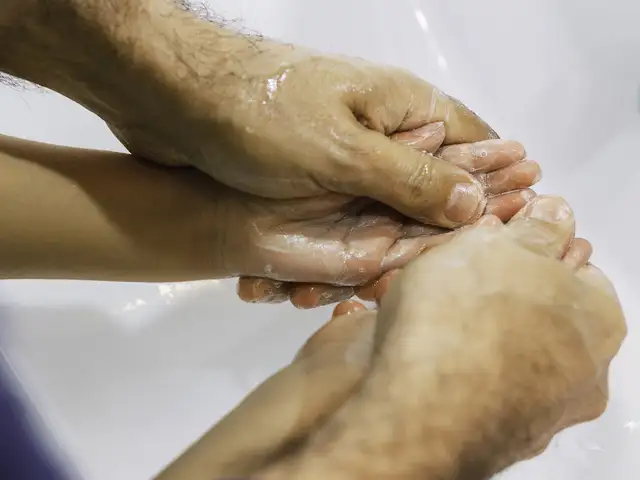
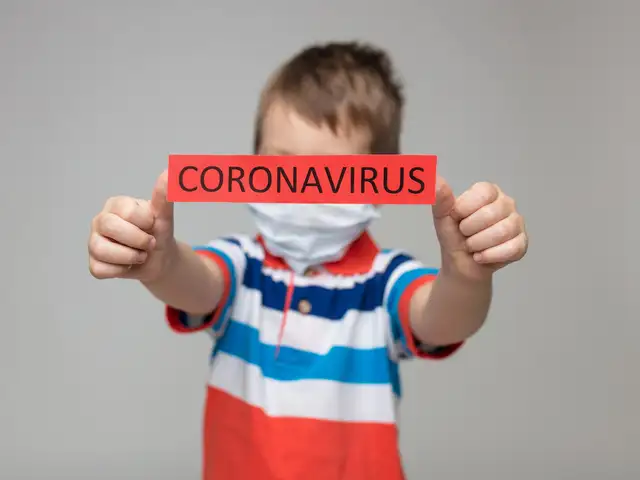
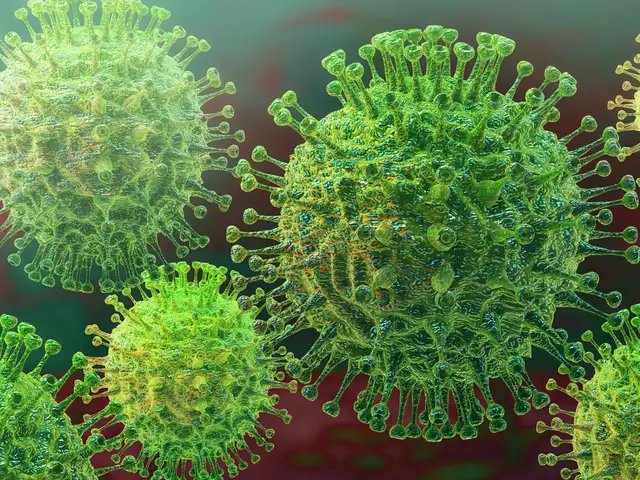
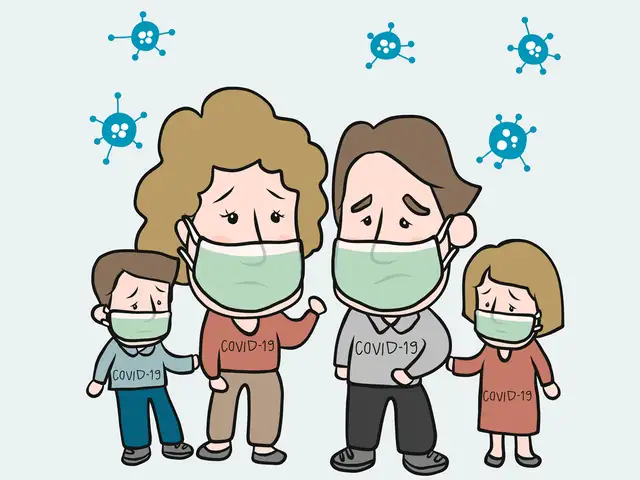
In the wake of coronavirus, several schools and colleges have been shut in many parts of the world to contain the spread of COVID-19. As public awareness and conversations around the novel virus increase, the situation can get the children anxious and worried for their family members and friends.
Parents, family members, teachers, healthcare professionals and trusted adults play a significant role in helping children make sense of what they hear in a way that is honest, accurate and minimise their fear or anxiety.
Dr Sreenath Manikanti, Senior Consultant Neonatologist & HOD Fortis La Femme Hospital, Richmond Road, Bangalore shares a few tips to help make the corona conversation easier around children.



Download
The Economic Times Business News App for the Latest News in Business, Sensex, Stock Market Updates & More.
The Economic Times Business News App for the Latest News in Business, Sensex, Stock Market Updates & More.
Related Articles
 Quote of the Day by American psychologist Carl Rogers: “I regret it when I suppress my feelings too long and they… – Life lessons on stress management, mental health, balance and why it’s important to address feelings in a healthy way by the co-founder of humanistic psychology known for his deep insights on personality and therapy2026-06-23T18:46:21Z
- Quote of the Day by American psychologist William James on life lessons: “The greatest weapon against stress is… – Inspiring lessons on stress management, pressure, mental health, resilience and why you should not let your thoughts control you by the father of American psychology known for his deep insights into human nature and behavior2026-06-23T17:38:46Z
- Quote of the day from 'father' of stress research Hans Seyle: 'Stress is not something to be avoided. Complete freedom from stress is...'; lessons on how to manage stress and anxiety from famous Canadian scholar2026-06-23T15:37:07Z
ADVERTISEMENT


