
 Daily Top 5 Daily Top 5 |
Ola Electric Q1 loss narrows; Swiggy makes amends
Want this newsletter delivered to your inbox?
I agree to receive newsletters and marketing communications via e-mail

Thank you for subscribing to Daily Top 5
We'll soon meet in your inbox.
Ola Electric posted an improved June-quarter performance as deliveries picked up. This and more in today's ETtech Top 5.
Also in the letter:
■ Tata Electronics' cybersecurity rejig
■ Wonderful's India hiring plans
■ Satcom to get guardrails
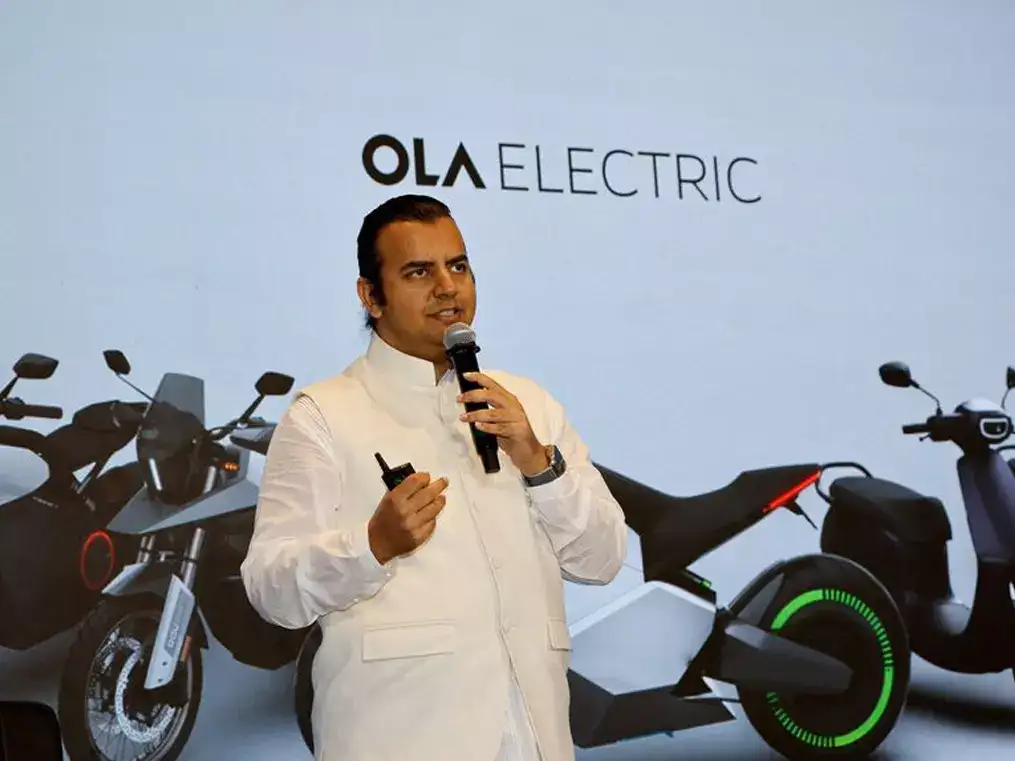 Bhavish Aggarwal, CEO, Ola Electric
Ola Electric reduced its June-quarter loss as deliveries almost doubled from the previous quarter, helping revenue recover after a weak fourth quarter.
By the numbers:
Quote, unquote: “FY26 was a year which actually took some difficult decisions and necessary actions,” Aggarwal said on the post-earnings call. “We reset the operating model, streamlined the organisation, tightened execution, and materially optimised our cost structure. Q1-27 was the first full quarter operating on that reset pace.”
Also Read: Big shift: Ola Electric moves to dealership model amid market share wipeout
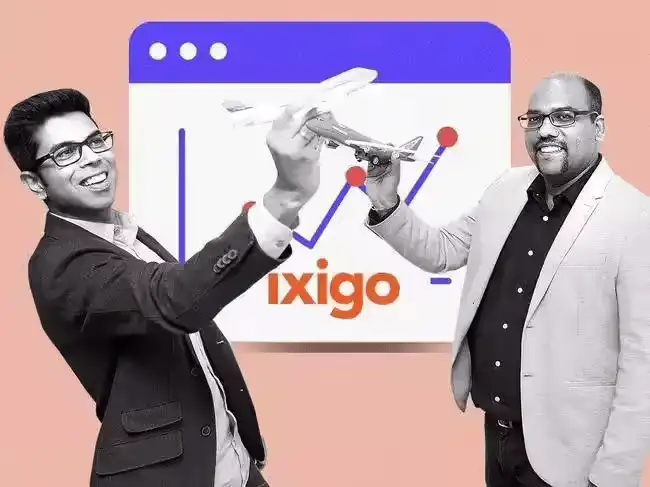 (L-R) Rajnish Kumar and Aloke Bajpai, founders, Ixigo
Online travel platform Ixigo's parent Le Travenues Technology reported a 13% year-on-year (YoY) rise in its June-quarter revenue, while profit after tax jumped 81% on strong bus business growth.
The numbers:
Also Read: Wakefit reports Rs 23 crore net profit in Q1, revenue up 17%
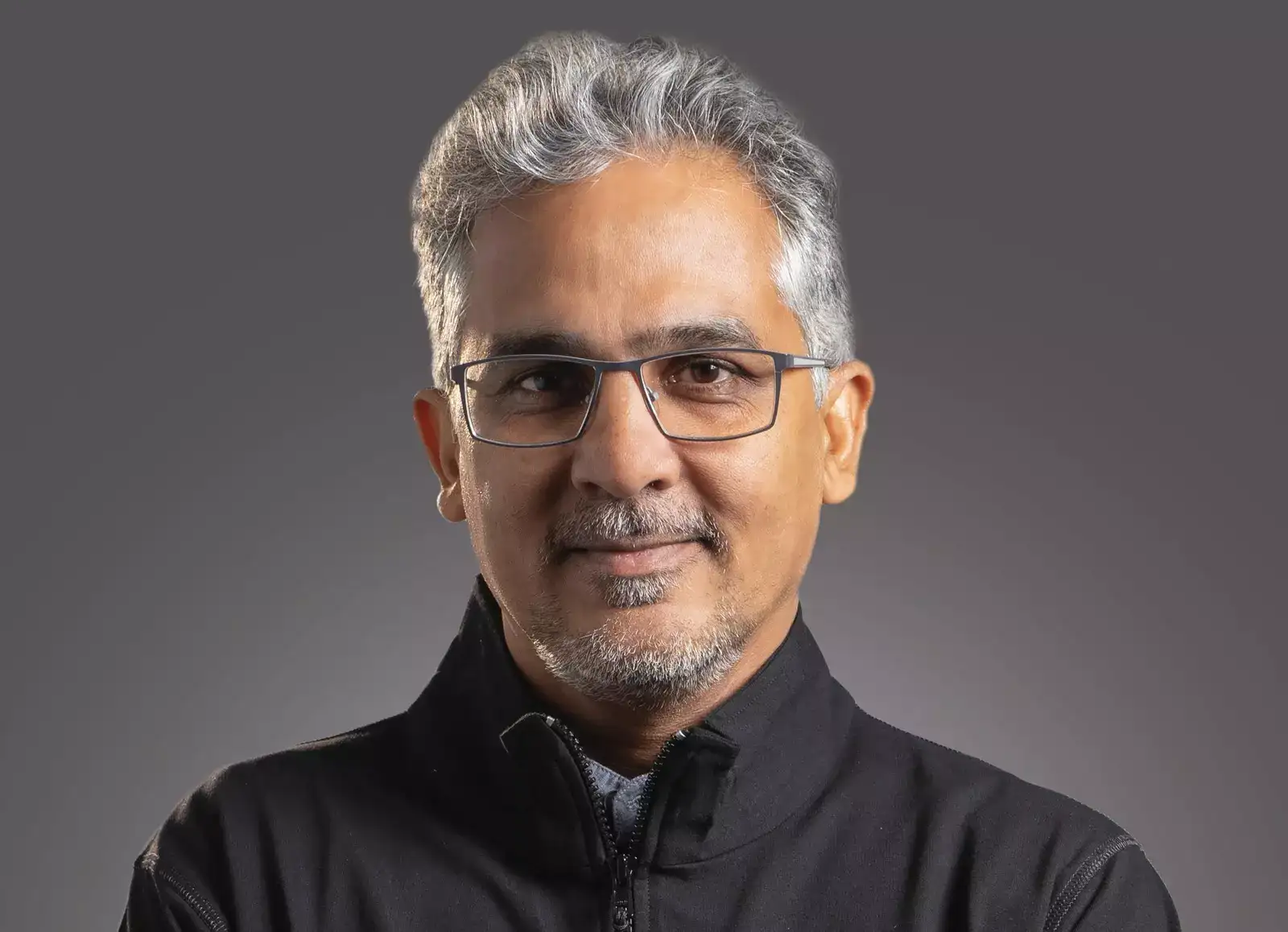 Rohit Kapoor, CEO, Swiggy food marketplace
Swiggy has agreed to refund Bengaluru restaurants for promotional campaigns run without their consent, representatives of hotel associations told us after a meeting on Friday.
What else?
The meeting was attended by Swiggy chief executive officer (CEO) for food marketplace, dineout & crew Rohit Kapoor, chief business officer (food marketplace) Sidharth Bhakoo, and CEO for dineout & scenes Swapnil Bajpai.
Tell me more: The talks came after more than 250 Bengaluru restaurateurs warned they would delist from food delivery platforms unless concerns over unauthorised promotions, multiple charges and shrinking margins were addressed.
The meeting also followed similar discussions between rival Zomato and restaurateurs a day earlier, where the company agreed to address several operational concerns.
Also Read: Swiggy targets Rs 10,000 crore in annual adjusted Ebitda in five years
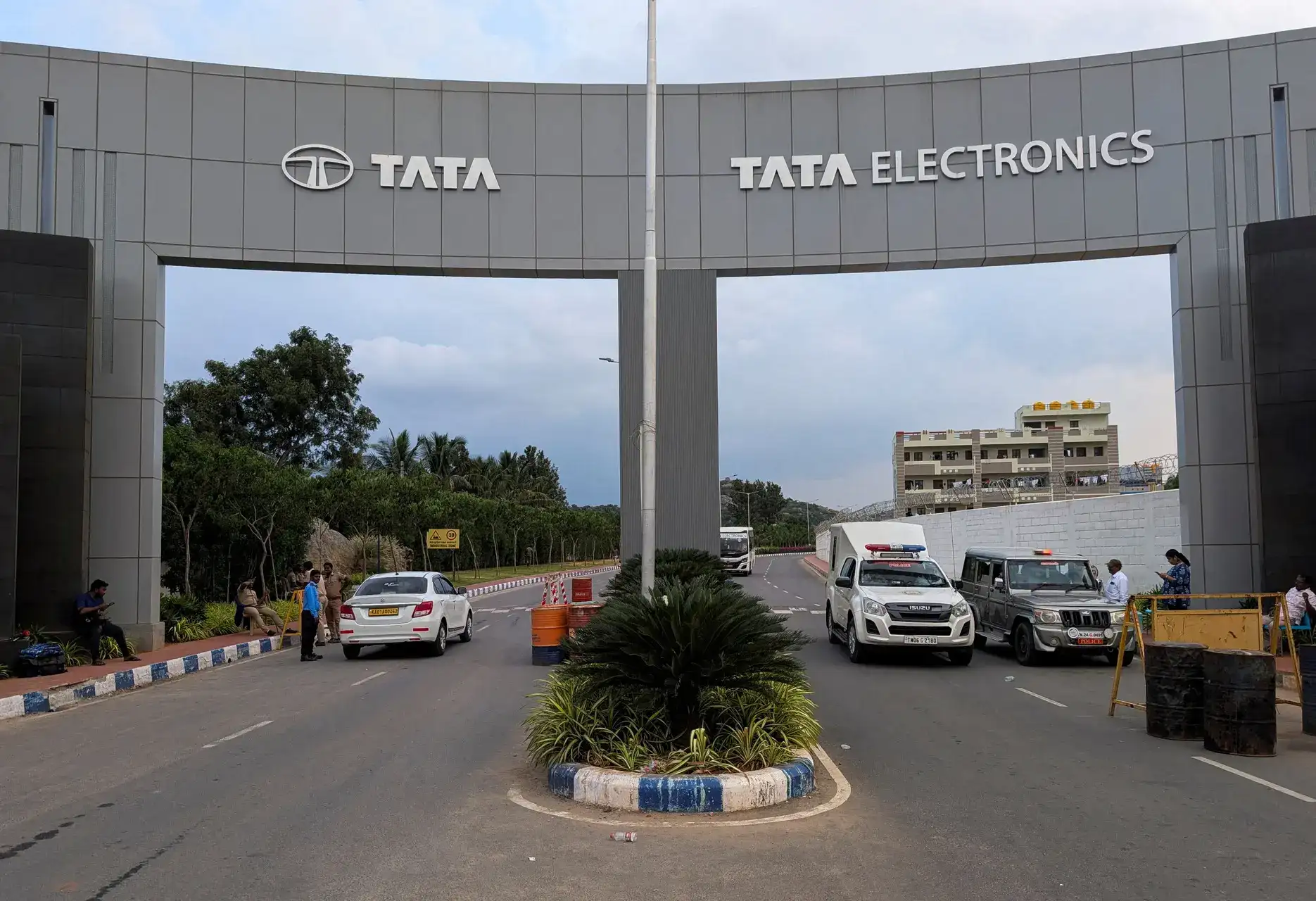
Tata Electronics has appointed Mayur Mehta as its new chief information security officer (CISO), replacing Srikanth S, according to people familiar with the matter.
Driving the news: Mehta's appointment comes just weeks after Tata Electronics suffered a cyberattack that exposed data linked to some of its largest global customers, including Apple and Tesla. He joins from Adani Enterprises, where he was vice president, cybersecurity, since October 2025.
Following the incident, the company began a review of its cybersecurity framework and processes, sources told us. Mehta's appointment is part of that effort to strengthen cyber resilience across the organisation and restore customer confidence.
However, another person said the leadership change was not driven by customer concerns, but part of a planned internal restructuring to strengthen the company's security.
Also Read: ETtech Explainer: What the Tata Electronics hack exposed about Apple and Tesla
Tell me more: As CISO, Mehta will lead Tata Electronics' cybersecurity strategy and continue strengthening its systems against emerging threats.
He will report to Bobby Mitra, chief information officer (CIO) and president of artificial intelligence (AI) and digital transformation, sources said.
Also Read: Tata Electronics cyberattack: Mandiant recommendations implemented to prevent future breaches
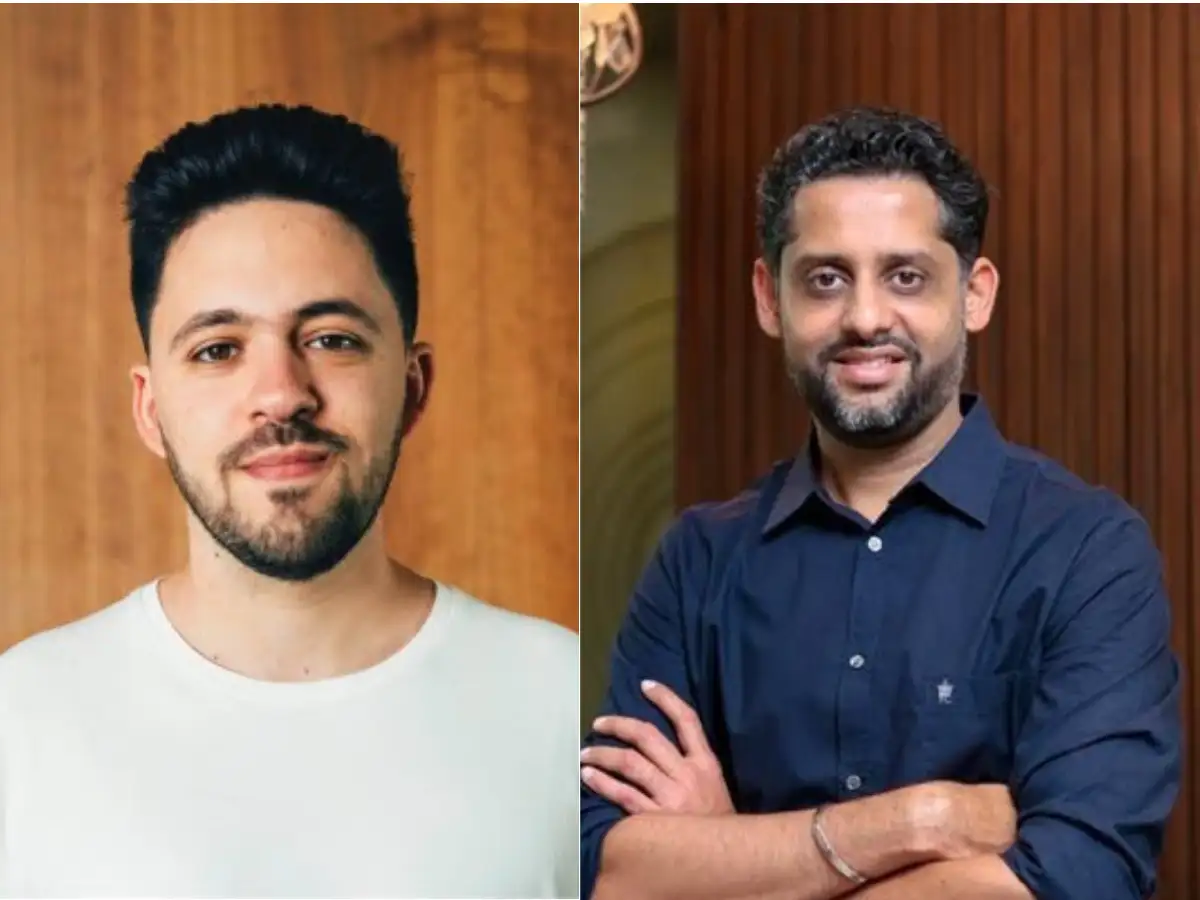 (L-R) Roey Lalazar, cofounder and Bhavik Rathod, managing director, Wonderful
Enterprise AI startup Wonderful plans to hire up to 1,000 forward-deployed engineers (FDEs) in India over the next 10 to 12 months, cofounder and chief technology officer (CTO) Roey Lalazar told us.
More on this:
Founded in 2025 by Lalazar and Bar Winkler, Wonderful is a platform that provides AI-native apps and agents for enterprises across telecom, finance, and healthcare.
What else? Lalazar said Wonderful is nearing $100 million in annualised revenue. The company has employees across more than 35 countries and expects its global headcount to exceed 1,000 by the end of the year. It has raised about $280 million so far from investors including Index Ventures, Insight Partners, IVP, Bessemer, and Vine Ventures.

Global satellite communications (satcom) firms such as Starlink and Eutelsat OneWeb may have to coordinate with similar Indian constellations to get spectrum and launch services in India, top government sources told us.
What's happening? The Centre is likely to add coordination requirements to the draft spectrum assignment rules for global non-geostationary (NGSO) satcom operators to be issued by the Department of Telecommunications (DoT).
"The move is being considered in the bid to ensure that global players don't block or thwart the entry of Indian players in the space communications sector," said a source.
Tell me more: Officials believe global operators could use their preferred orbital slots to prevent Indian rivals from entering the market. “If they refuse coordination, the latter satcom entrant faces interference issues and may not be able to launch services,” an official said.
Additionally, the Centre is also backing Indian constellations after security concerns over the reported use of Starlink terminals in Iran despite a ban during the West Asia war. It views the space sector as critical to national security, especially defence.
Also in the letter:
■ Tata Electronics' cybersecurity rejig
■ Wonderful's India hiring plans
■ Satcom to get guardrails
Ola Electric loss narrows to Rs 336 crore, revenue down 45%
Ola Electric reduced its June-quarter loss as deliveries almost doubled from the previous quarter, helping revenue recover after a weak fourth quarter.
By the numbers:
- Net loss: Narrowed to Rs 336 crore from Rs 428 crore a year earlier and Rs 500 crore in Q4.
- Revenue: Down 45% year-on-year (YoY) to Rs 455 crore, compared with Rs 828 crore; up 72% quarter-on-quarter from Rs 265 crore.
- Market share: Rose to 8.4% in Q1FY27 from 5.1% in Q4FY26.
Quote, unquote: “FY26 was a year which actually took some difficult decisions and necessary actions,” Aggarwal said on the post-earnings call. “We reset the operating model, streamlined the organisation, tightened execution, and materially optimised our cost structure. Q1-27 was the first full quarter operating on that reset pace.”
Also Read: Big shift: Ola Electric moves to dealership model amid market share wipeout
Ixigo posts 13% rise in Q1 revenue, profit jumps 81% on bus business growth
Online travel platform Ixigo's parent Le Travenues Technology reported a 13% year-on-year (YoY) rise in its June-quarter revenue, while profit after tax jumped 81% on strong bus business growth.
The numbers:
- Revenue: Stood at Rs 356.75 crore, compared with Rs 316.05 crore in the same period last year.
- Profit after tax: Rs 34.24 crore, from Rs 18.94 crore.
- Gross transaction value (GTV): Up 19% YoY to Rs 5,524.33 crore.
Also Read: Wakefit reports Rs 23 crore net profit in Q1, revenue up 17%
Swiggy to refund Bengaluru restaurants for unauthorised promotions
Swiggy has agreed to refund Bengaluru restaurants for promotional campaigns run without their consent, representatives of hotel associations told us after a meeting on Friday.
What else?
- Swiggy sought more time until the end of August to resolve the industry's pending demands.
- Swiggy also agreed to come up with a formal draft of Friday's proceedings which both sides could sign.
- The Bangalore Hotels Association (BHA) has extended its boycott deadline from August 15 to August 31.
The meeting was attended by Swiggy chief executive officer (CEO) for food marketplace, dineout & crew Rohit Kapoor, chief business officer (food marketplace) Sidharth Bhakoo, and CEO for dineout & scenes Swapnil Bajpai.
Tell me more: The talks came after more than 250 Bengaluru restaurateurs warned they would delist from food delivery platforms unless concerns over unauthorised promotions, multiple charges and shrinking margins were addressed.
The meeting also followed similar discussions between rival Zomato and restaurateurs a day earlier, where the company agreed to address several operational concerns.
Also Read: Swiggy targets Rs 10,000 crore in annual adjusted Ebitda in five years
Tata Electronics to rejig cybersecurity, taps Adani executive Mayur Mehta to rebuild trust
Tata Electronics has appointed Mayur Mehta as its new chief information security officer (CISO), replacing Srikanth S, according to people familiar with the matter.
Driving the news: Mehta's appointment comes just weeks after Tata Electronics suffered a cyberattack that exposed data linked to some of its largest global customers, including Apple and Tesla. He joins from Adani Enterprises, where he was vice president, cybersecurity, since October 2025.
Following the incident, the company began a review of its cybersecurity framework and processes, sources told us. Mehta's appointment is part of that effort to strengthen cyber resilience across the organisation and restore customer confidence.
However, another person said the leadership change was not driven by customer concerns, but part of a planned internal restructuring to strengthen the company's security.
Also Read: ETtech Explainer: What the Tata Electronics hack exposed about Apple and Tesla
Tell me more: As CISO, Mehta will lead Tata Electronics' cybersecurity strategy and continue strengthening its systems against emerging threats.
He will report to Bobby Mitra, chief information officer (CIO) and president of artificial intelligence (AI) and digital transformation, sources said.
Also Read: Tata Electronics cyberattack: Mandiant recommendations implemented to prevent future breaches
Enterprise AI startup Wonderful plans to hire up to 1,000 forward-deployed engineers in India
Enterprise AI startup Wonderful plans to hire up to 1,000 forward-deployed engineers (FDEs) in India over the next 10 to 12 months, cofounder and chief technology officer (CTO) Roey Lalazar told us.
- Wonderful's India operations will be led by Bhavik Rathod, who has previously worked at Scale AI, Scaler, and was a founding member of Uber India.
- The company will open offices in Mumbai and Bengaluru and serve customers across multiple sectors, Lalazar said.
Founded in 2025 by Lalazar and Bar Winkler, Wonderful is a platform that provides AI-native apps and agents for enterprises across telecom, finance, and healthcare.
What else? Lalazar said Wonderful is nearing $100 million in annualised revenue. The company has employees across more than 35 countries and expects its global headcount to exceed 1,000 by the end of the year. It has raised about $280 million so far from investors including Index Ventures, Insight Partners, IVP, Bessemer, and Vine Ventures.
India plans safe space for local satellite communications players
Global satellite communications (satcom) firms such as Starlink and Eutelsat OneWeb may have to coordinate with similar Indian constellations to get spectrum and launch services in India, top government sources told us.
What's happening? The Centre is likely to add coordination requirements to the draft spectrum assignment rules for global non-geostationary (NGSO) satcom operators to be issued by the Department of Telecommunications (DoT).
"The move is being considered in the bid to ensure that global players don't block or thwart the entry of Indian players in the space communications sector," said a source.
Tell me more: Officials believe global operators could use their preferred orbital slots to prevent Indian rivals from entering the market. “If they refuse coordination, the latter satcom entrant faces interference issues and may not be able to launch services,” an official said.
Additionally, the Centre is also backing Indian constellations after security concerns over the reported use of Starlink terminals in Iran despite a ban during the West Asia war. It views the space sector as critical to national security, especially defence.
Want this newsletter delivered to your inbox?
I agree to receive newsletters and marketing communications via e-mail