
 Daily Top 5 Daily Top 5 |
Shiprocket trims IPO size; Google's AI leadership shake-up
Want this newsletter delivered to your inbox?
I agree to receive newsletters and marketing communications via e-mail

Thank you for subscribing to Daily Top 5
We'll soon meet in your inbox.
Shiprocket is set to launch its IPO after lowering its issue size. This and more in today's ETtech Top 5.
Also in the letter:
■ Swiggy's FY31 target
■ Ola Electric's dealer bet
■ Spacetech's next frontier
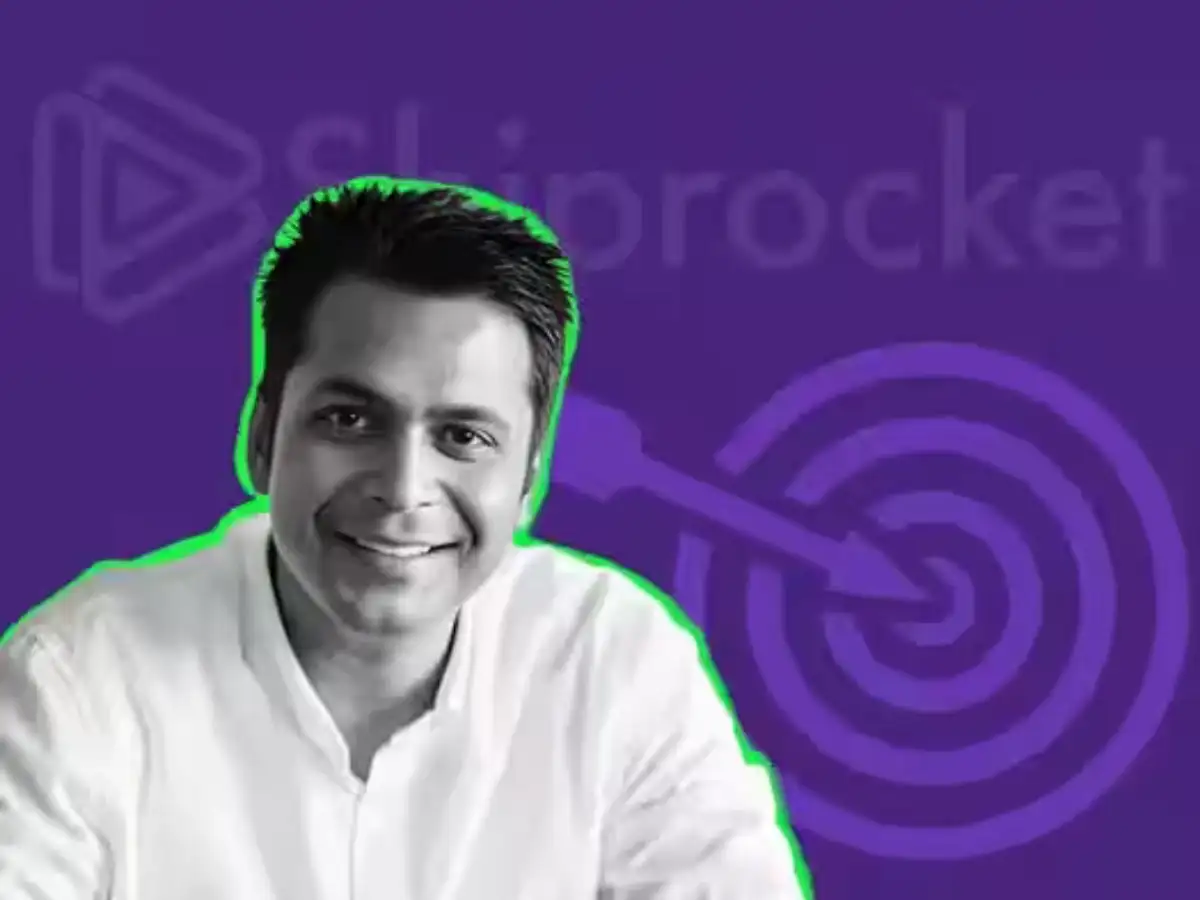 Saahil Goel, CEO, Shiprocket
Ecommerce logistics company Shiprocket has filed its red herring prospectus (RHP) for its initial public offering (IPO).
IPO details:
ET first reported on August 3 that the company was headed for a valuation cut ahead of its listing.
Investor returns: The IPO is expected to deliver strong gains for some early investors, while several late-stage backers are set to incur mark-to-market losses.
Also Read: Shiprocket's FY25 revenue rises 24% to Rs 1,632 crore as losses narrow
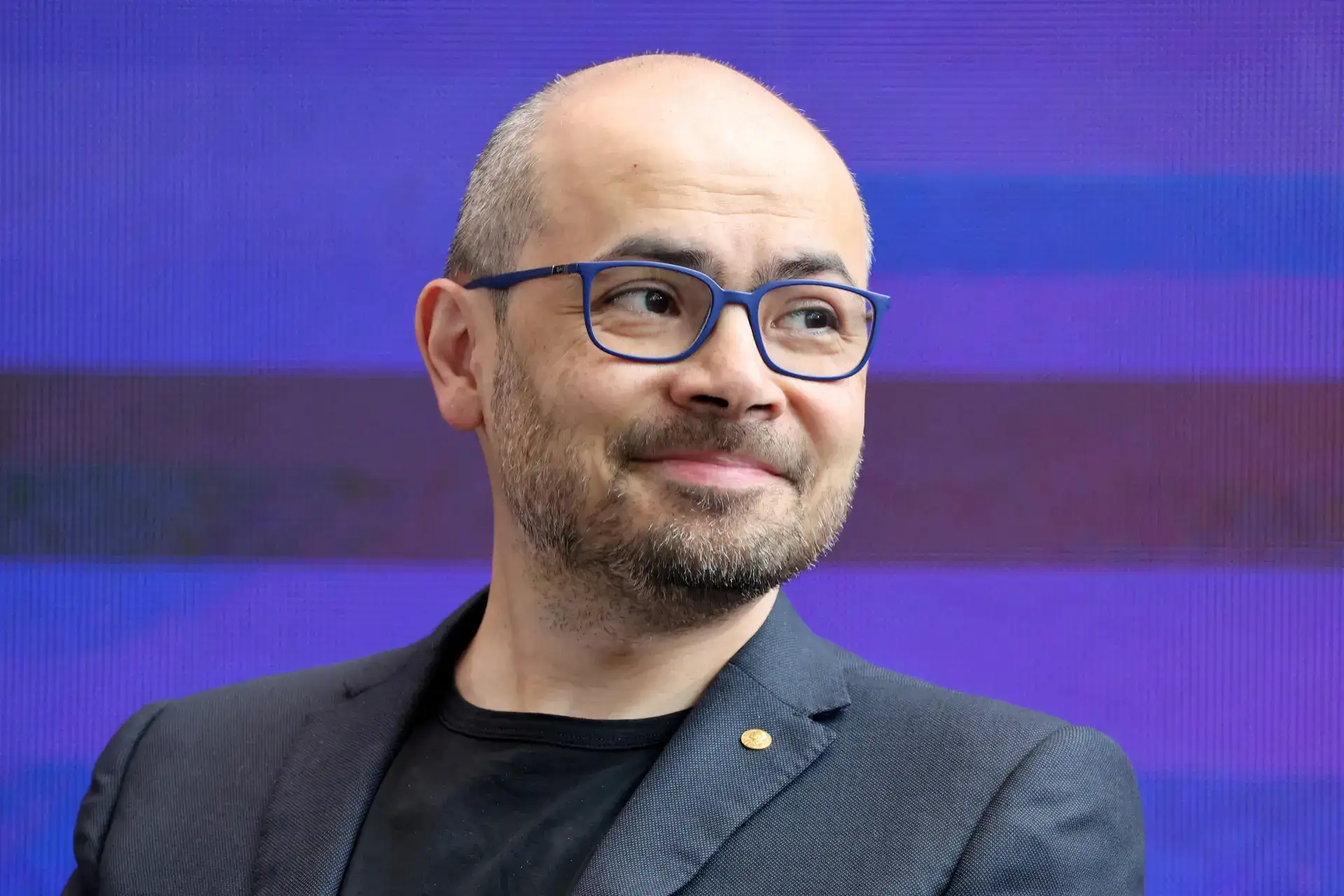 Demis Hassabis, chief scientist, Alphabet
Alphabet, the parent company of Google, has announced a leadership reshuffle across its artificial intelligence (AI) division.
What's happening?
Yes, and? Dean, Sanjay Ghemawat, Oriol Vinyals, and Quoc Le have launched Discovery Loop, a public benefit corporation focussed on breakthroughs in machine learning, science, and engineering.
Also Read: Meet Sanjay Ghemawat, cofounder of AI startup Discovery Loop

Former Uber executive and A* Ventures cofounder Gautam Gupta has joined Travis Kalanick's autonomous technology startup Atoms as its chief financial officer (CFO).
According to Gupta's post on X, Atoms is building autonomous machines for industries such as mining, transport, and food, with the aim of improving productivity and safety.
Also Read: Travis Kalanick's Atoms secures $1.7 billion from a16z, Uber, others to expand into industrial AI
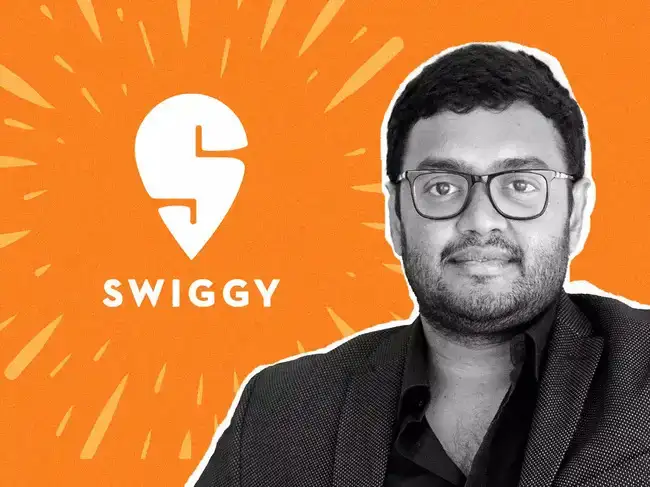 Sriharsha Majety, group CEO, Swiggy
Food and grocery delivery platform Swiggy has set a target of Rs 10,000 crore in annual adjusted Ebitda (earnings before interest, taxes, depreciation and amortisation) by the 2031 fiscal year.
Jargon buster: Adjusted Ebitda measures a company's core operating profit after excluding one-off items, non-cash expenses, and certain accounting adjustments.
More on this: To reach its FY31 adjusted Ebitda target:
Swiggy reported an adjusted Ebitda loss of Rs 2,483 crore in FY26, mainly because of Instamart. However, the food delivery business remained profitable, reporting Rs 1,001 crore in operating profit during FY26.
Financials: The company reported a 37% on-year growth in its operating revenue for the April-June quarter, to Rs 6,812 crore, while its net loss narrowed 34% to Rs 791 crore.
Also Read: Ex-Myntra chief Nandita Sinha named Swiggy Instamart CEO; Amitesh Jha exits
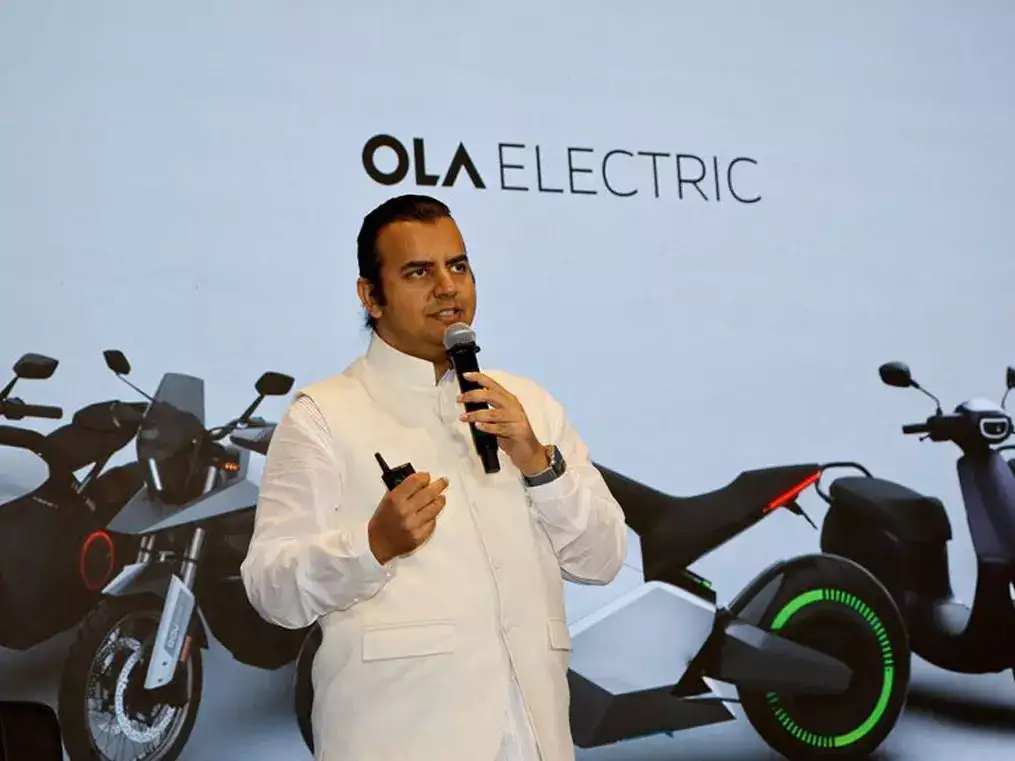 Bhavish Aggarwal, CEO, Ola Electric
Ola Electric will expand its sales and service network through dealer partners, marking a shift from its direct-to-consumer approach.
What's the plan? The company said its own stores will slowly be turned into brand and product experience centres. Dealer partners will now lead sales, servicing and expansion in local markets.
Ola Electric said it is aiming to have its dealership network in place across the country by Diwali this year.
The dealer partners will gain access to the company's electric scooters, motorcycles and energy products, including Ola Shakti, its home battery system. They will also serve Ola Electric's customer base of more than one million people.
What else? BVR Subbu, the former president of Hyundai Motor India and an ex-board member of Ola Electric, is rejoining the company as senior advisor and will help with the rollout of the dealership network.
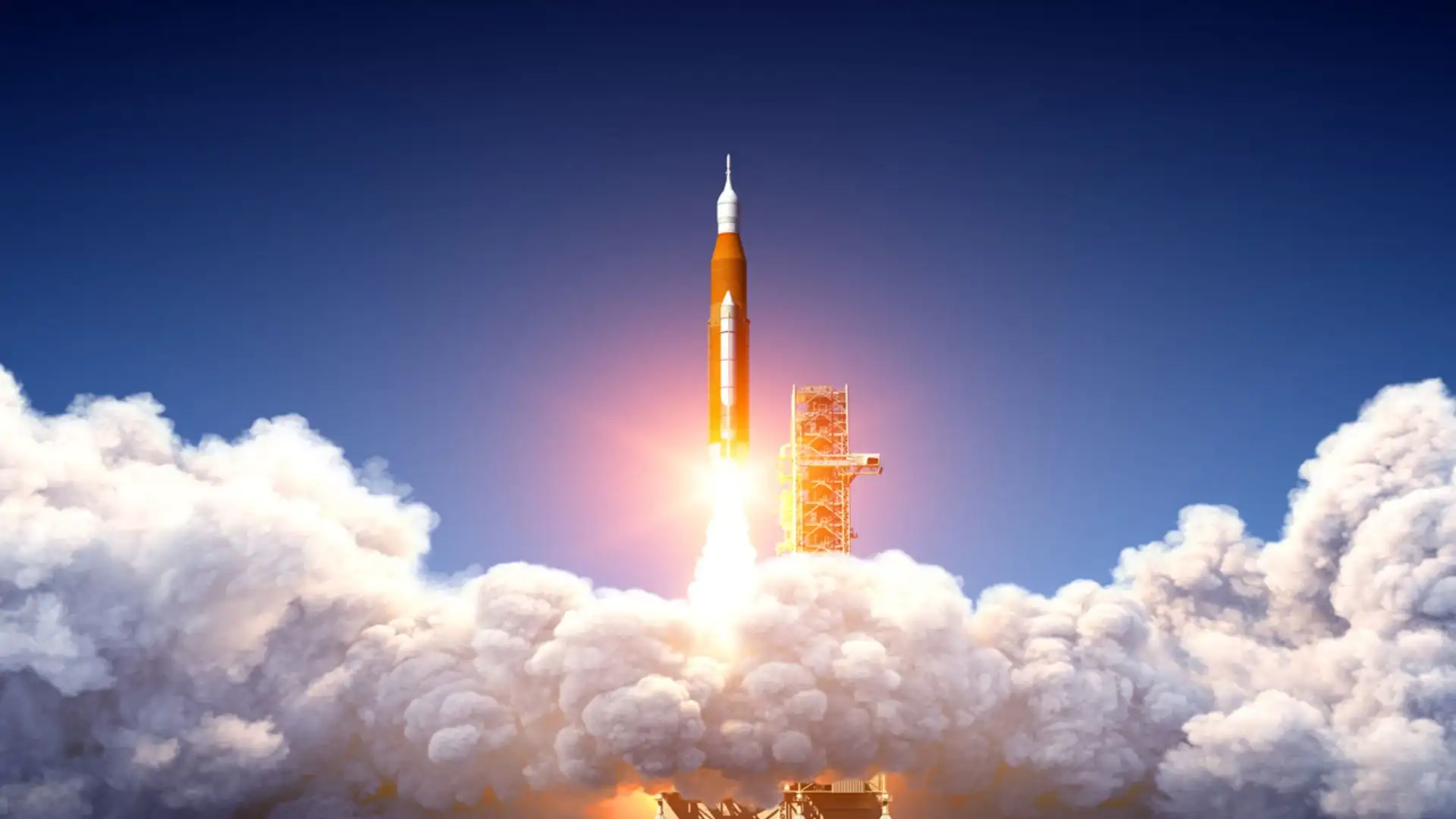
India's private space industry's next growth opportunity lies in developing the critical technologies that power rockets and satellites, investors told us.
Why it matters: India still relies on imports for many specialised components and mission-critical technologies used in launch vehicles and satellites. This increases costs and leads to longer procurement timelines.
The opportunity: Investors believe startups that develop these technologies in India could benefit from growing domestic demand as space launches increase, while also supplying the global space and defence sectors.
Funding momentum: The growing investor interest is already visible in funding activity over the past 7-8 months.
Also in the letter:
■ Swiggy's FY31 target
■ Ola Electric's dealer bet
■ Spacetech's next frontier
Shiprocket trims IPO by 30% to Rs 1,617 crore; issue opens August 12
Ecommerce logistics company Shiprocket has filed its red herring prospectus (RHP) for its initial public offering (IPO).
IPO details:
- Issue size: Rs 1,617 crore, around 30% lower than the original plan.
- Fresh issue: Reduced to Rs 885 crore from Rs 1,100 crore.
- Offer for sale (OFS): Cut to Rs 732 crore from Rs 1,242 crore.
- Timeline: The IPO will open on August 12.
- Price band: Fixed at Rs 92-97 per share.
- Valuation: At the upper end of the price band, Shiprocket will be valued at Rs 7,056 crore, around 30% below its Rs 10,000 crore valuation in December 2024, when it last raised funds.
ET first reported on August 3 that the company was headed for a valuation cut ahead of its listing.
Investor returns: The IPO is expected to deliver strong gains for some early investors, while several late-stage backers are set to incur mark-to-market losses.
- Bertelsmann: Largest shareholder with a 21% stake. Its Rs 170 crore investment is worth Rs 1,316 crore at the IPO price.
- Lightrock: Expected to take a 28% loss. Largest OFS seller, offloading Rs 272 crore worth of shares.
- Eternal: Investment of Rs 483 crore now valued at Rs 422 crore.
- Temasek: Investment of Rs 446 crore now valued at Rs 326 crore.
Also Read: Shiprocket's FY25 revenue rises 24% to Rs 1,632 crore as losses narrow
Google shakes up AI leadership as Demis Hassabis' role changes
Alphabet, the parent company of Google, has announced a leadership reshuffle across its artificial intelligence (AI) division.
What's happening?
- Hassabis will step down from his day-to-day management role as Google DeepMind chief executive and become Alphabet's chief scientist. He will also serve as chairman of Google DeepMind.
- Koray Kavukcuoglu, currently the unit's chief technology officer (CTO), will take over day-to-day operations as senior vice president while continuing as Alphabet's chief AI architect.
- Several leaders behind Gemini, including veteran engineer Jeff Dean, are leaving the company.
Yes, and? Dean, Sanjay Ghemawat, Oriol Vinyals, and Quoc Le have launched Discovery Loop, a public benefit corporation focussed on breakthroughs in machine learning, science, and engineering.
Also Read: Meet Sanjay Ghemawat, cofounder of AI startup Discovery Loop
Former Uber executive Gautam Gupta joins Travis Kalanick's Atoms as CFO
Former Uber executive and A* Ventures cofounder Gautam Gupta has joined Travis Kalanick's autonomous technology startup Atoms as its chief financial officer (CFO).
According to Gupta's post on X, Atoms is building autonomous machines for industries such as mining, transport, and food, with the aim of improving productivity and safety.
Also Read: Travis Kalanick's Atoms secures $1.7 billion from a16z, Uber, others to expand into industrial AI
Swiggy targets Rs 10,000 crore in annual adjusted Ebitda in 5 years
Food and grocery delivery platform Swiggy has set a target of Rs 10,000 crore in annual adjusted Ebitda (earnings before interest, taxes, depreciation and amortisation) by the 2031 fiscal year.
Jargon buster: Adjusted Ebitda measures a company's core operating profit after excluding one-off items, non-cash expenses, and certain accounting adjustments.
More on this: To reach its FY31 adjusted Ebitda target:
- Food delivery: Expected to contribute Rs 5,000 crore in adjusted Ebitda by FY31.
- Instamart: Projected to generate Rs 4,000 crore.
- Out-of-home business: Expected to add the remaining Rs 1,000 crore. The business reported Rs 29 crore in operating profit in FY26.
Swiggy reported an adjusted Ebitda loss of Rs 2,483 crore in FY26, mainly because of Instamart. However, the food delivery business remained profitable, reporting Rs 1,001 crore in operating profit during FY26.
Financials: The company reported a 37% on-year growth in its operating revenue for the April-June quarter, to Rs 6,812 crore, while its net loss narrowed 34% to Rs 791 crore.
Also Read: Ex-Myntra chief Nandita Sinha named Swiggy Instamart CEO; Amitesh Jha exits
Ola Electric moves to dealership model amid market share wipeout
Ola Electric will expand its sales and service network through dealer partners, marking a shift from its direct-to-consumer approach.
What's the plan? The company said its own stores will slowly be turned into brand and product experience centres. Dealer partners will now lead sales, servicing and expansion in local markets.
Ola Electric said it is aiming to have its dealership network in place across the country by Diwali this year.
The dealer partners will gain access to the company's electric scooters, motorcycles and energy products, including Ola Shakti, its home battery system. They will also serve Ola Electric's customer base of more than one million people.
What else? BVR Subbu, the former president of Hyundai Motor India and an ex-board member of Ola Electric, is rejoining the company as senior advisor and will help with the rollout of the dealership network.
Investors on a new mission: Funding spacetech startups
India's private space industry's next growth opportunity lies in developing the critical technologies that power rockets and satellites, investors told us.
Why it matters: India still relies on imports for many specialised components and mission-critical technologies used in launch vehicles and satellites. This increases costs and leads to longer procurement timelines.
The opportunity: Investors believe startups that develop these technologies in India could benefit from growing domestic demand as space launches increase, while also supplying the global space and defence sectors.
Funding momentum: The growing investor interest is already visible in funding activity over the past 7-8 months.
- Satellite propulsion startup Bellatrix Aerospace raised $20 million.
- Hyderabad-based TakeMe2Space secured $5 million.
- Orbital mobility startup Aule Space raised $2 million.
- Space surveillance company Digantara closed a $50 million Series B round.
- Aerospace electronics firm CoreEL Technologies raised $30 million to expand its advanced systems business.
Want this newsletter delivered to your inbox?
I agree to receive newsletters and marketing communications via e-mail