Rs 2,000 withdrawn: 7 questions on note deposit, exchange answered
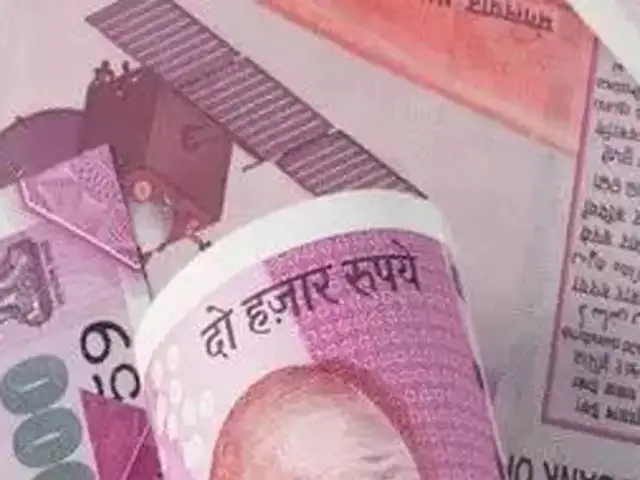
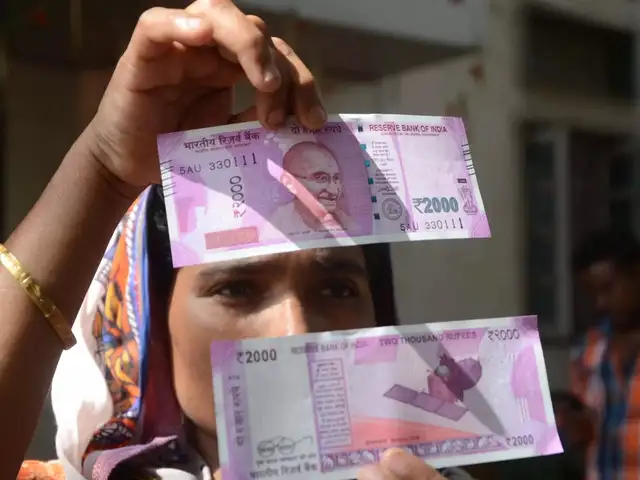
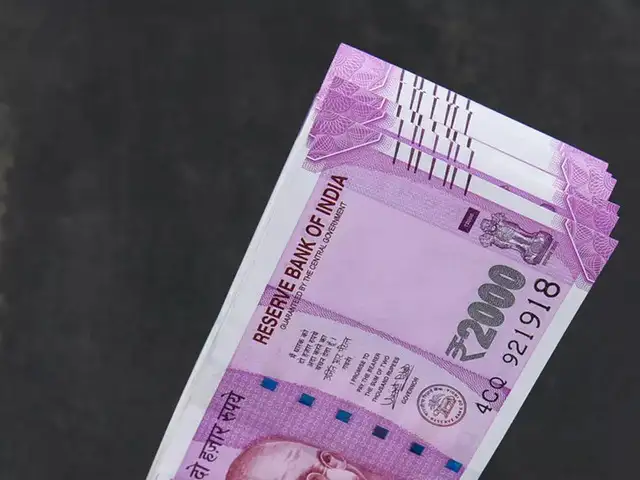
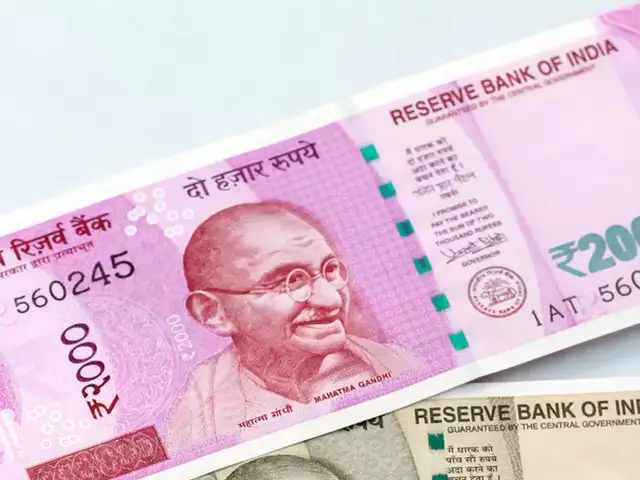
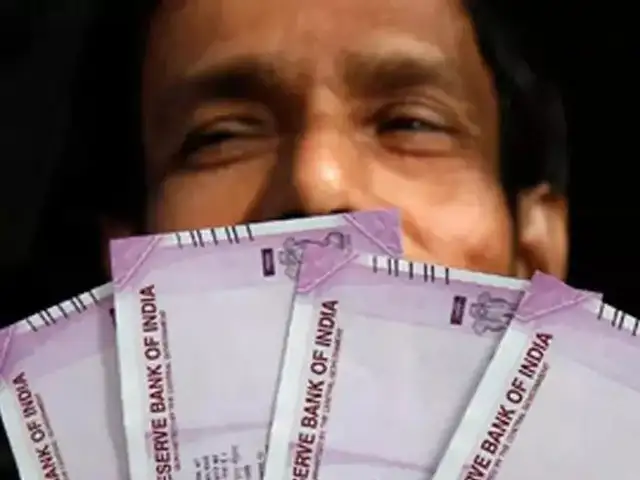
THE RBI HAS advised everyone to deposit or exchange the Rs.2,000 notes in their possession at any bank by 30 September 2023. The notes can also be exchanged from RBI regional offices till that date.
By ET Bureau | Updated:

Getty Images
On 23 May, the process of depositing and exchanging Rs.2,000 notes got underway. ET Wealth answers some of the queries you might have about the exercise
Why are the Rs.2,000 notes being withdrawn?
THE Rs.2,000 NOTES were printed in the first place to deal with the sudden shortage of currency notes of other denominations following demonetisation in 2016. Once there were enough notes of smaller denominations available to meet requirements, RBI stopped printing the Rs.2,000 notes in 2018-19. Since these notes are hardly used for transactions today and there are enough notes of other denominations in circulation, RBI decided to withdraw the Rs.2,000 notes. However, these continue to be legal tender
What happens to the Rs.2,000 notes that you have?
THE RBI HAS advised everyone to deposit or exchange the Rs.2,000 notes in their possession at any bank by 30 September 2023. The notes can also be exchanged from RBI regional offices till that date. You can also exchange up to Rs.4,000 at a time through Business Correspondents.
How many notes can one deposit or exchange at a time?
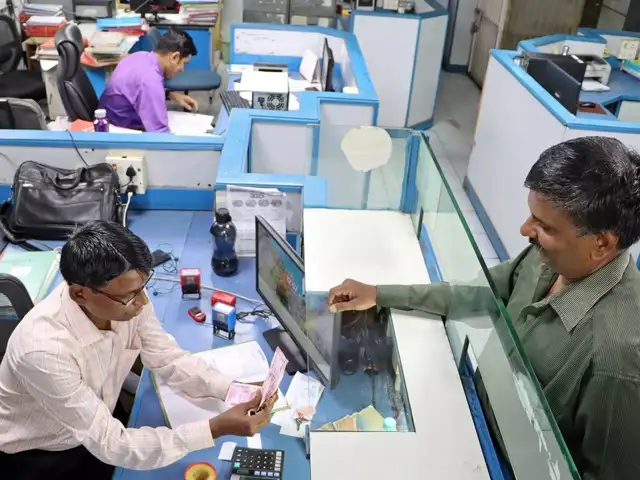
ONE CAN DEPOSIT or exchange notes worth Rs.20,000 at a time, not necessarily in a bank where one is an account holder. It can be done in any bank branch, subject to KYC norms being met. While one can deposit Rs.20,000 worth of notes multiple times, exchanging a large number of notes can attract the attention of the taxman as banks have reportedly been asked to notify tax authorities about any large cash deposits.
Is there any fee to be paid for exchanging?
THE RBI HAS said exchanges can be made free of cost.
What about ID proof?
THE PROCESS OF depositing and exchanging notes started on 23 May amid confusion regarding papers required. While some banks sought identity proof like PAN or Aadhaar, others made filling of a form mandatory. Yet other banks required both form and ID. Some customers complained that their banks were refusing to exchange any notes, advising them to deposit instead.
What happens if a bank branch refuses to accept the notes?
THE CUSTOMER SHOULD first approach the concerned bank authorities. If the bank fails to address the issue within 30 days to the customer’s satisfaction, he or she can complain through the Reserve Bank Integrated Ombudsman Scheme.
IN A MEDIA INTERACTION last week, RBI Governor Shaktikanta Das said procedural elements post 30 September deadline or possible deadline extension will be taken based on the number of Rs.2,000 notes that come back from circulation. The RBI can provide a facility of exchange of Rs.2,000 notes even after 30 September, via a new circular, if it deems fit, as it was done in the case of withdrawal of pre-2005 notes in 2013-14.
Why are the Rs.2,000 notes being withdrawn?
THE Rs.2,000 NOTES were printed in the first place to deal with the sudden shortage of currency notes of other denominations following demonetisation in 2016. Once there were enough notes of smaller denominations available to meet requirements, RBI stopped printing the Rs.2,000 notes in 2018-19. Since these notes are hardly used for transactions today and there are enough notes of other denominations in circulation, RBI decided to withdraw the Rs.2,000 notes. However, these continue to be legal tender
What happens to the Rs.2,000 notes that you have?
THE RBI HAS advised everyone to deposit or exchange the Rs.2,000 notes in their possession at any bank by 30 September 2023. The notes can also be exchanged from RBI regional offices till that date. You can also exchange up to Rs.4,000 at a time through Business Correspondents.
How many notes can one deposit or exchange at a time?
ONE CAN DEPOSIT or exchange notes worth Rs.20,000 at a time, not necessarily in a bank where one is an account holder. It can be done in any bank branch, subject to KYC norms being met. While one can deposit Rs.20,000 worth of notes multiple times, exchanging a large number of notes can attract the attention of the taxman as banks have reportedly been asked to notify tax authorities about any large cash deposits.
Is there any fee to be paid for exchanging?
THE RBI HAS said exchanges can be made free of cost.
What about ID proof?
THE PROCESS OF depositing and exchanging notes started on 23 May amid confusion regarding papers required. While some banks sought identity proof like PAN or Aadhaar, others made filling of a form mandatory. Yet other banks required both form and ID. Some customers complained that their banks were refusing to exchange any notes, advising them to deposit instead.
What happens if a bank branch refuses to accept the notes?
THE CUSTOMER SHOULD first approach the concerned bank authorities. If the bank fails to address the issue within 30 days to the customer’s satisfaction, he or she can complain through the Reserve Bank Integrated Ombudsman Scheme.
ADVERTISEMENT
What happens if you fail to submit notes in your possession by 30 September?IN A MEDIA INTERACTION last week, RBI Governor Shaktikanta Das said procedural elements post 30 September deadline or possible deadline extension will be taken based on the number of Rs.2,000 notes that come back from circulation. The RBI can provide a facility of exchange of Rs.2,000 notes even after 30 September, via a new circular, if it deems fit, as it was done in the case of withdrawal of pre-2005 notes in 2013-14.
How new tax changes will impact you. Calculate your tax now
Download
The Economic Times News App for Quarterly Results, Latest News in ITR, Business, Share Market, Live Sensex News & More.
The Economic Times News App for Quarterly Results, Latest News in ITR, Business, Share Market, Live Sensex News & More.
Related Articles
 Former Tripura militants withdraw blockade2026-06-12T19:05:06Z
- Psychology says a woman's 60s aren't the decade when she withdraws from the world; they're the first decade when every role that defined her loosens, and her inner self finally has space to breathe2026-06-09T09:41:13Z
- Retired with 100 stocks and Rs 60,000 SIPs? Expert explains how to simplify your portfolio and plan withdrawals2026-06-09T05:04:03Z


ADVERTISEMENT




