
Stop trying to be 100% debt-free. 7 ways this smarter money strategy works better

1/7
Everyone says go debt-free. But is it actually the right move for you?
Debt-free living sounds like the dream. No EMIs, no interest payments, no financial stress. But the reality is more nuanced. For many people, going completely debt-free is not only impractical — it could actually hold you back from building real wealth. Here is what you need to know before making the call.
*Financial freedom
*Smart debt strategy
*Not one-size-fits-all
*Financial freedom
*Smart debt strategy
*Not one-size-fits-all
2/7
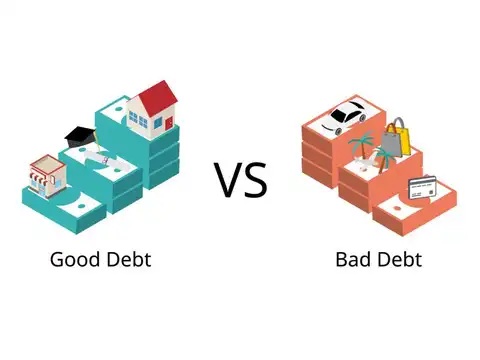
Not all debt is bad. Here's the crucial difference between good debt and bad debt
The type of debt you carry matters far more than the amount. Treating all debt as the enemy is one of the most common — and costly — money mistakes people make.
Good debt
Home loan: Asset that grows in value
Education loan: Boosts earning potential
Low-interest debt used to invest
vs
Bad debt
High-interest credit card balances
Loans for gadgets, luxuries or cars
Borrowing to fund lifestyle inflation
Good debt
Home loan: Asset that grows in value
Education loan: Boosts earning potential
Low-interest debt used to invest
vs
Bad debt
High-interest credit card balances
Loans for gadgets, luxuries or cars
Borrowing to fund lifestyle inflation

3/7
Why paying off your home loan early might actually be a bad financial decision
This surprises most people, but the numbers are clear. If your investments earn more than your loan costs you, rushing to repay is leaving money on the table.
Your home loan rate
≈ 7% interest you pay
The cost of keeping the loan
Diversified investment return
≈ 9–10% returns you earn
What your money could make if invested instead
Your home loan rate
≈ 7% interest you pay
The cost of keeping the loan
Diversified investment return
≈ 9–10% returns you earn
What your money could make if invested instead
Amazon Top Deals
POWERED BY

4/7
The real pros and cons of living debt-free that nobody talks about honestly
Before you swear off all borrowing, weigh both sides clearly.
Pro: Financial stability
No interest, no late fees, no penalties eating your income
Pro: Less stress
Debt-related anxiety has real mental and physical health costs
Con: Weaker credit score
Payment history is 35% of your credit score, no debt means no history
Con: Emergency fund strain
No credit backup means every unexpected expense hits savings hard
Pro: Financial stability
No interest, no late fees, no penalties eating your income
Pro: Less stress
Debt-related anxiety has real mental and physical health costs
Con: Weaker credit score
Payment history is 35% of your credit score, no debt means no history
Con: Emergency fund strain
No credit backup means every unexpected expense hits savings hard

5/7
Forget 100% debt-free. This smarter strategy builds more wealth with less sacrifice
The goal isn't zero debt, it's smart debt. A modified cash-only strategy keeps you debt-free on consumer goods while treating a home loan or education loan as the strategic tools they actually are.
Use sinking funds
Save cash in advance for cars, gadgets and big purchases
You earn interest while saving, instead of paying interest to a bank
Keep the mortgage rule
Total debt repayments should not exceed 28–36% of gross income
This keeps strategic debt from tipping into financial stress
Avoid consumer debt entirely
No financing for phones, clothes, cars or holidays
If you can't save for it, you can't afford it, full stop
Use sinking funds
Save cash in advance for cars, gadgets and big purchases
You earn interest while saving, instead of paying interest to a bank
Keep the mortgage rule
Total debt repayments should not exceed 28–36% of gross income
This keeps strategic debt from tipping into financial stress
Avoid consumer debt entirely
No financing for phones, clothes, cars or holidays
If you can't save for it, you can't afford it, full stop
6/7
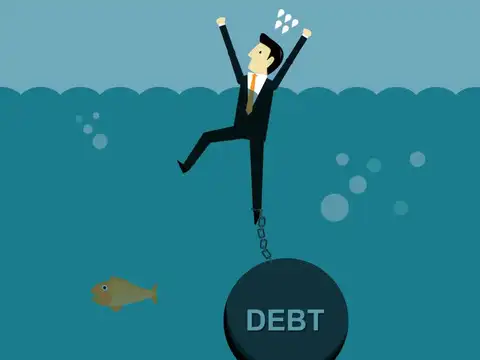
Drowning in debt right now? These 4 methods can get you out; pick the one that fits
Debt avalanche
Pay off the highest-interest debt first
Saves the most money overall; best for the mathematically motivated
Debt snowball
Pay off the smallest balance first
Builds momentum with quick wins, best for those who need motivation
Debt consolidation
Combine multiple debts into one lower-rate payment
Simplifies repayment and often reduces monthly outgo
Balance transfer
Move high-interest credit card debt to a lower-rate card
Cuts interest costs immediately; useful if you act before the offer window closes
Pay off the highest-interest debt first
Saves the most money overall; best for the mathematically motivated
Debt snowball
Pay off the smallest balance first
Builds momentum with quick wins, best for those who need motivation
Debt consolidation
Combine multiple debts into one lower-rate payment
Simplifies repayment and often reduces monthly outgo
Balance transfer
Move high-interest credit card debt to a lower-rate card
Cuts interest costs immediately; useful if you act before the offer window closes
7/7
3 rules for using debt as a tool; not a trap
The goal isn't to eliminate debt. It's to master it.
Rule 1: Separate good from bad
Home loans and education loans can build wealth. Credit card debt and consumer loans almost never do.
Rule 2: Know your number
Keep total debt repayments below 28–36% of gross income. Cross that line and debt starts controlling your life.
Rule 3: Build the habits first
Autopay, sinking funds, living below your means — the system matters more than the willpower.
Rule 1: Separate good from bad
Home loans and education loans can build wealth. Credit card debt and consumer loans almost never do.
Rule 2: Know your number
Keep total debt repayments below 28–36% of gross income. Cross that line and debt starts controlling your life.
Rule 3: Build the habits first
Autopay, sinking funds, living below your means — the system matters more than the willpower.