
 Daily Top 5 Daily Top 5 |
Udaan faces creditor heat; Bhavin Thurakia's fifth rodeo
Want this newsletter delivered to your inbox?
I agree to receive newsletters and marketing communications via e-mail

Thank you for subscribing to Daily Top 5
We'll soon meet in your inbox.
Creditors have dragged B2B ecommerce firm Udaan's parent to Singapore court over a bond default. This and more in today's ETtech Top 5.
Also in the letter:
■ OpenAI's stake pitch
■ Skyroot eyes maiden flight
■ ShareChat's IPO plan
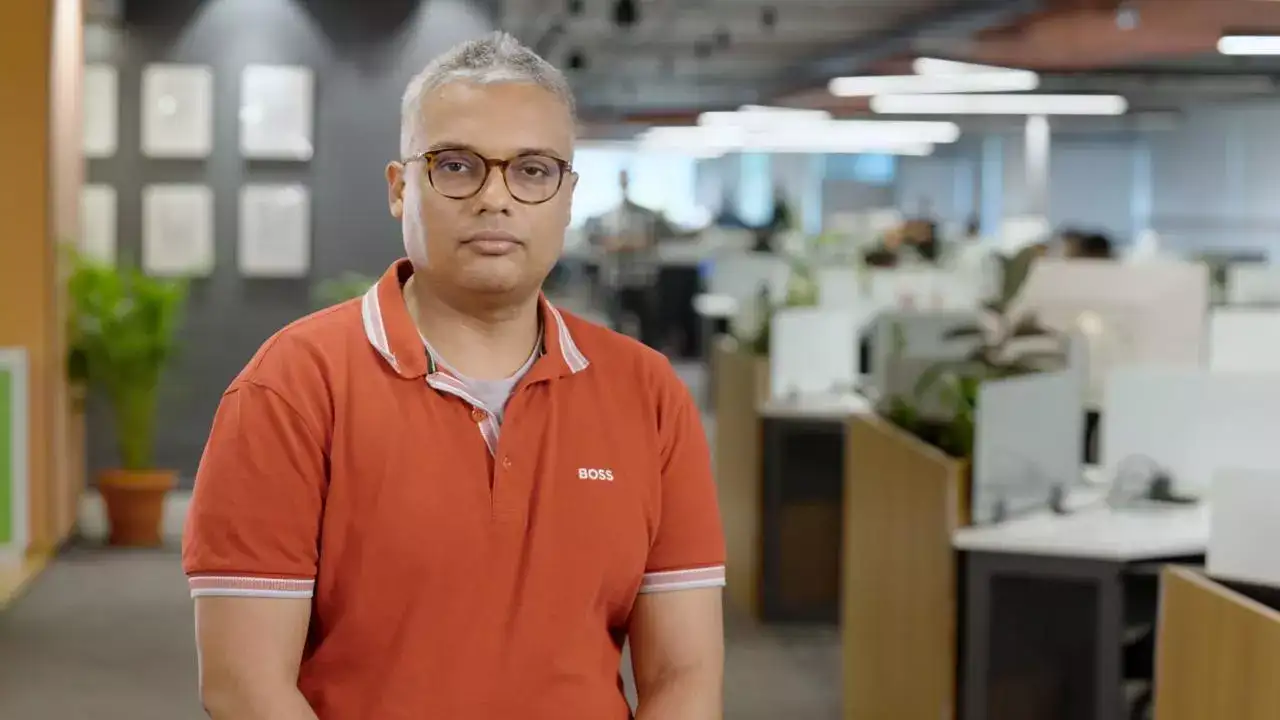 Vaibhav Gupta, CEO, Udaan
Global creditors have moved the Singapore High Court against Udaan's parent company over a bond default, just as the ecommerce startup gears up for an IPO.
What's happening? Udaan's offshore holding company, Trustroot Internet Pvt Ltd, defaulted on $170 million in compulsorily convertible notes due on June 30, sources told us.
The creditors have appointed Alvarez & Marsal as the official liquidator in the bankruptcy proceedings.
Tell me more: Udaan told ET that its India entities remain unaffected by the Singapore proceedings.
Before the filing, lenders, including JPMorgan, HSBC, DBS, and Axis Bank, had withdrawn their working capital lines, adding pressure on the company.
Also Read: IPO-bound Udaan to kickstart reverse flip to India in weeks: CEO Vaibhav Gupta
What else? Mounting losses and a nearly 70% drop in equity valuation pushed creditors to reject a debt restructuring proposal that sought more time for repayment.
However, lenders were willing to extend the repayment timeline if Udaan secured fresh funding.
The challenge: Udaan is working with Goldman Sachs to raise $150-200 million in equity, but attracting new investors has been difficult as it is yet to achieve Ebitda profitability.
This comes ahead of a planned IPO, which chief executive Vaibhav Gupta said in March was nine to 18 months away.
Also Read: Udaan in talks to raise $50-60 million from existing backers Lightspeed, M&G: sources
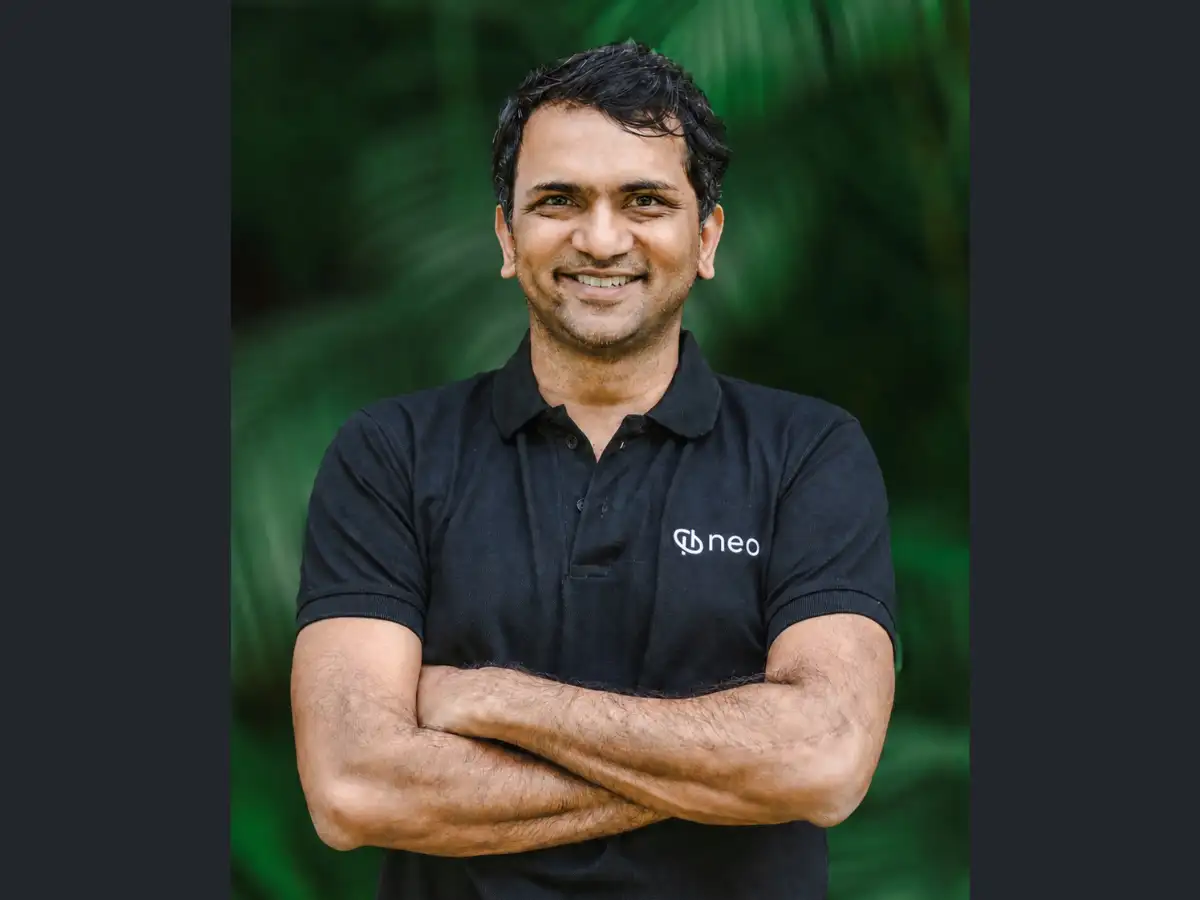
Fintech unicorn Zeta's cofounder Bhavin Turakhia has launched Neo, an AI-native work platform, with a $30 million personal investment.
More on this:
Launch plans: Neo plans a closed beta for select users in August-September, followed by a wider public launch in December or the first quarter of next year.

NuVentures has invested in LinqAlpha, a New York-based AI-native investment research startup focused on global markets.
The firm participated in LinqAlpha's $22 million Series A round, led by AVP, Altinum Investment and GFT Ventures.
Tell me more: ET had earlier reported that NuVentures was exploring investments in US AI startups. Its previous bets include Perplexity and Pivot Robotics.
Also Read: Battery recycler BatX Energies raises Rs 105 crore from IvyCap Ventures, others
 Sam Altman, CEO, OpenAI
OpenAI has reportedly proposed giving the US government a 5% equity stake in the company.
Proposal details:
The idea: According to FT, chief executive Sam Altman and other OpenAI executives suggested creating a vehicle similar to the Alaska Permanent Fund, which is funded by oil revenues and pays annual dividends to residents while supporting the state's budget.
Also Read: Three ways Trump could get a stake in AI firms for the US
In other news: OpenAI has reportedly halved its AI inference costs through optimisation, helping reduce the expense of running AI models.
According to The Information, the company cut the number of Nvidia GPUs needed to serve ChatGPT users without OpenAI accounts, including those on the free and enterprise tiers, from thousands to a few hundred.
Also Read: Palantir CEO slams OpenAI, Anthropic's token model
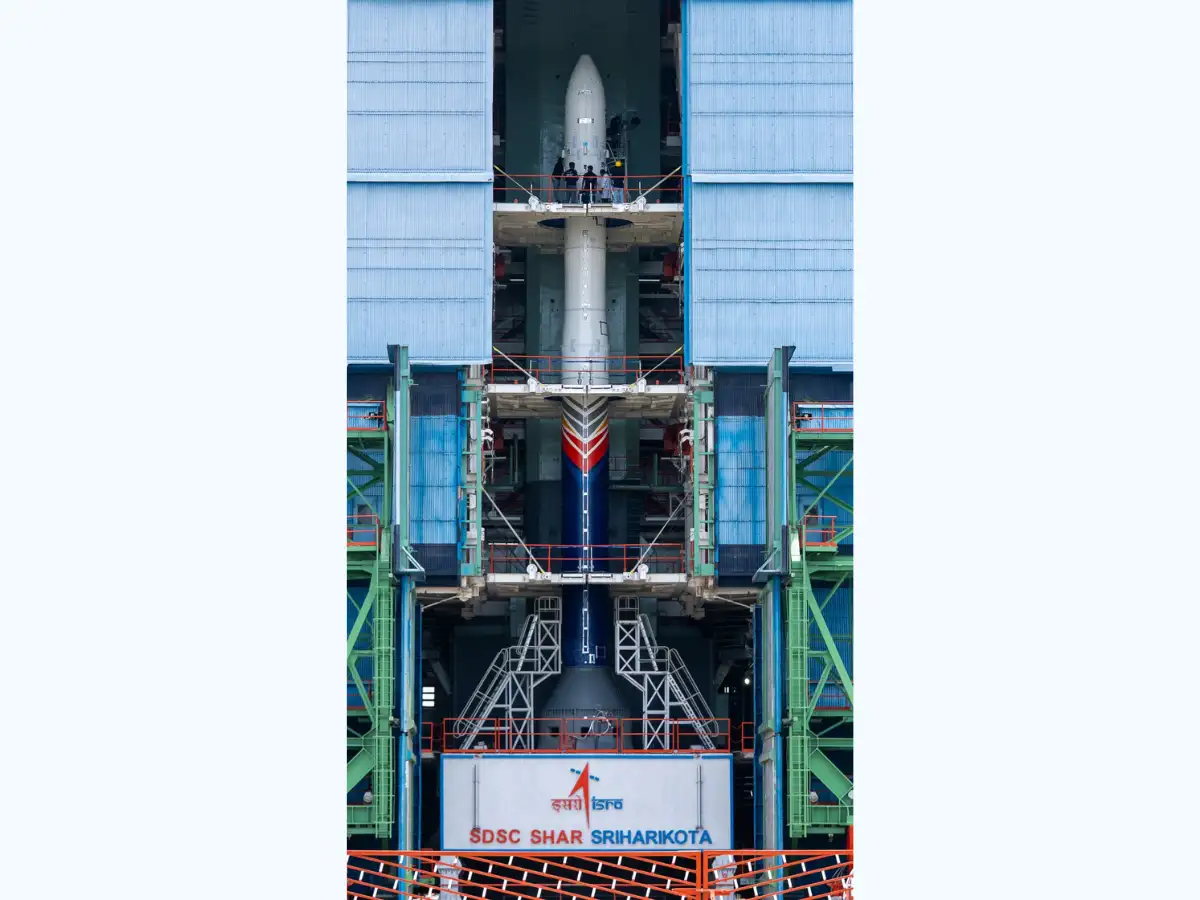
Skyroot Aerospace will attempt India's first private orbital launch between July 12 and August 4, when it sends its Vikram-1 rocket on a maiden test flight.
Mission objectives: Called Mission Aagaman, meaning "arrival" in Sanskrit, the flight is designed to capture crucial flight data on Vikram-1's propulsion, stage separation, guidance, navigation, control systems and overall performance, the company said.
Cofounder and chief executive Pawan Kumar Chandana added the flight will let Skyroot assess the rocket's behaviour from lift-off through every stage of its ascent, generating insights to strengthen future launches and boost reliability.
Also Read: Skyroot Aerospace forecasts Rs 977 crore in revenues by FY27, ahead of Vikram-1 launch
Tell me more: The data will help validate Skyroot's rocket design and support its plans for a high-frequency commercial launch programme.
The spacetech unicorn also said Vikram-1 has been fully integrated and stacked at the Satish Dhawan Space Centre, Sriharikota, ahead of lift-off.
Also Read: Success of Skyroot and Dhruva spawns spacetech startup wave in Hyderabad
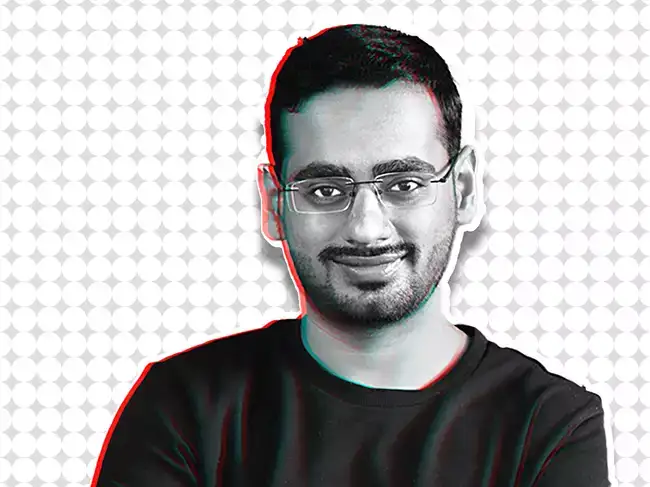 Ankush Sachdeva, CEO, ShareChat
ShareChat's parent is eyeing a public listing next year and plans to raise up to $400 million, Bloomberg reported.
Driving the news: Mohalla Tech Pvt Ltd, which owns ShareChat, turned operationally profitable in the first quarter of the financial year that began in April 2026, chief financial officer Manohar Charan told Bloomberg.
“Our unit economics has now turned positive,” he said. “We will aim to list over the next four or five quarters.”
However, the IPO plans are still under discussion and could change, the report added.
The turnaround: The profitability caps marks a sharp turnaround for ShareChat after several years of cost-cutting and layoffs as startup funding slowed following the Covid-19 pandemic.
The company also pulled back from loss-making products and reshaped its business model to ensure revenue from each user now exceeds the cost of serving them.
Also Read: ShareChat parent narrows FY25 Ebitda loss by 72%, bets big on micro dramas
Also in the letter:
■ OpenAI's stake pitch
■ Skyroot eyes maiden flight
■ ShareChat's IPO plan
Global creditors drag Udaan parent to bankruptcy court in Singapore
Global creditors have moved the Singapore High Court against Udaan's parent company over a bond default, just as the ecommerce startup gears up for an IPO.
What's happening? Udaan's offshore holding company, Trustroot Internet Pvt Ltd, defaulted on $170 million in compulsorily convertible notes due on June 30, sources told us.
The creditors have appointed Alvarez & Marsal as the official liquidator in the bankruptcy proceedings.
Tell me more: Udaan told ET that its India entities remain unaffected by the Singapore proceedings.
Before the filing, lenders, including JPMorgan, HSBC, DBS, and Axis Bank, had withdrawn their working capital lines, adding pressure on the company.
Also Read: IPO-bound Udaan to kickstart reverse flip to India in weeks: CEO Vaibhav Gupta
What else? Mounting losses and a nearly 70% drop in equity valuation pushed creditors to reject a debt restructuring proposal that sought more time for repayment.
However, lenders were willing to extend the repayment timeline if Udaan secured fresh funding.
The challenge: Udaan is working with Goldman Sachs to raise $150-200 million in equity, but attracting new investors has been difficult as it is yet to achieve Ebitda profitability.
This comes ahead of a planned IPO, which chief executive Vaibhav Gupta said in March was nine to 18 months away.
Also Read: Udaan in talks to raise $50-60 million from existing backers Lightspeed, M&G: sources
Zeta cofounder Bhavin Turakhia launches AI startup Neo with $30 million personal investment
Fintech unicorn Zeta's cofounder Bhavin Turakhia has launched Neo, an AI-native work platform, with a $30 million personal investment.
- Neo is Turakhia's fifth venture after Directi, Radix, Titan and Zeta.
- The platform combines tasks, documents, knowledge, and AI-led execution into a single workspace, aiming to help companies move beyond AI pilots and standalone chatbots.
- Neo will initially target mid-sized businesses and smaller enterprises across technology, SaaS, professional services, media, advertising and startups, before expanding to large enterprises, small businesses and consumers.
Launch plans: Neo plans a closed beta for select users in August-September, followed by a wider public launch in December or the first quarter of next year.
NuVentures invests in the US-based LinqAlpha, an AI-powered investment research firm
NuVentures has invested in LinqAlpha, a New York-based AI-native investment research startup focused on global markets.
The firm participated in LinqAlpha's $22 million Series A round, led by AVP, Altinum Investment and GFT Ventures.
Tell me more: ET had earlier reported that NuVentures was exploring investments in US AI startups. Its previous bets include Perplexity and Pivot Robotics.
Also Read: Battery recycler BatX Energies raises Rs 105 crore from IvyCap Ventures, others
OpenAI offers 5% stake to Trump administration: report
OpenAI has reportedly proposed giving the US government a 5% equity stake in the company.
Proposal details:
- Financial Times reported that the proposal also envisages other US AI companies offering the government a similar 5% stake, although it's unclear whether they would agree.
- The idea emerged during OpenAI's corporate restructuring talks as it sought government backing. It was pitched as a way to align the company's interests with US strategic priorities in AI.
The idea: According to FT, chief executive Sam Altman and other OpenAI executives suggested creating a vehicle similar to the Alaska Permanent Fund, which is funded by oil revenues and pays annual dividends to residents while supporting the state's budget.
Also Read: Three ways Trump could get a stake in AI firms for the US
In other news: OpenAI has reportedly halved its AI inference costs through optimisation, helping reduce the expense of running AI models.
According to The Information, the company cut the number of Nvidia GPUs needed to serve ChatGPT users without OpenAI accounts, including those on the free and enterprise tiers, from thousands to a few hundred.
Also Read: Palantir CEO slams OpenAI, Anthropic's token model
Spacetech unicorn Skyroot sets maiden launch window between July 12 and August 4
Skyroot Aerospace will attempt India's first private orbital launch between July 12 and August 4, when it sends its Vikram-1 rocket on a maiden test flight.
Mission objectives: Called Mission Aagaman, meaning "arrival" in Sanskrit, the flight is designed to capture crucial flight data on Vikram-1's propulsion, stage separation, guidance, navigation, control systems and overall performance, the company said.
Cofounder and chief executive Pawan Kumar Chandana added the flight will let Skyroot assess the rocket's behaviour from lift-off through every stage of its ascent, generating insights to strengthen future launches and boost reliability.
Also Read: Skyroot Aerospace forecasts Rs 977 crore in revenues by FY27, ahead of Vikram-1 launch
Tell me more: The data will help validate Skyroot's rocket design and support its plans for a high-frequency commercial launch programme.
The spacetech unicorn also said Vikram-1 has been fully integrated and stacked at the Satish Dhawan Space Centre, Sriharikota, ahead of lift-off.
Also Read: Success of Skyroot and Dhruva spawns spacetech startup wave in Hyderabad
Sharechat parent plans $400 million IPO next year
ShareChat's parent is eyeing a public listing next year and plans to raise up to $400 million, Bloomberg reported.
Driving the news: Mohalla Tech Pvt Ltd, which owns ShareChat, turned operationally profitable in the first quarter of the financial year that began in April 2026, chief financial officer Manohar Charan told Bloomberg.
“Our unit economics has now turned positive,” he said. “We will aim to list over the next four or five quarters.”
However, the IPO plans are still under discussion and could change, the report added.
The turnaround: The profitability caps marks a sharp turnaround for ShareChat after several years of cost-cutting and layoffs as startup funding slowed following the Covid-19 pandemic.
The company also pulled back from loss-making products and reshaped its business model to ensure revenue from each user now exceeds the cost of serving them.
Also Read: ShareChat parent narrows FY25 Ebitda loss by 72%, bets big on micro dramas
Want this newsletter delivered to your inbox?
I agree to receive newsletters and marketing communications via e-mail