
 Daily Top 5 Daily Top 5 |
Tata Electronics' $30 billion fab bet; Ather's Q4 revenue surge
Want this newsletter delivered to your inbox?
I agree to receive newsletters and marketing communications via e-mail

Thank you for subscribing to Daily Top 5
We'll soon meet in your inbox.
Tata Electronics CEO Randhir Thakur lays out the group’s big swing in fabs, advanced packaging and more in an interaction with ET. This and more in today's ETtech Top 5.
Also in the letter:
■ Inside India's home interior space
■ Spirit Air shutdown to hit Coforge
■ Anthropic's new deal
 Randhir Thakur, CEO, Tata Electronics
Tata Electronics has become a central pillar of the group’s post-Covid reset, rapidly scaling its semiconductor ambitions under CEO Randhir Thakur. In an interaction with us, Thakur detailed how the company is betting big on fabs, packaging, and partnerships to capture a strategic opportunity.
Edited excerpts:
Current scale, growth targets: The collective strength of Tata (Group) came into play so that Tata Electronics could really scale and grow faster. That model continues as we expand. We have had three years of full operations. Total revenue today is about Rs 1.3 lakh crore. We started with Rs 400 crore. We are about a $15 billion company today, and in the next five years, we aspire to be a $30 billion company.
On profitability: We are already profitable. To go from a negative Ebitda three years ago to more than Rs 4,000 crore of Ebitda this year is a remarkable journey. Our focus will continue to be on growing the customer and employee capability base. In India, Tata Electronics has been the fastest-growing electronics company.
Supply chain issues: We always have supply chain concerns and logistics concerns to secure. The benefit of having this factory in India is that, unlike in some other countries, most of the equipment entering our factories comes from the US, Europe, Korea, Japan, and Singapore. In all of these countries, we do not really have any supply chain-related risk.
Also Read: Tata Electronics boosts headcount to 75,000
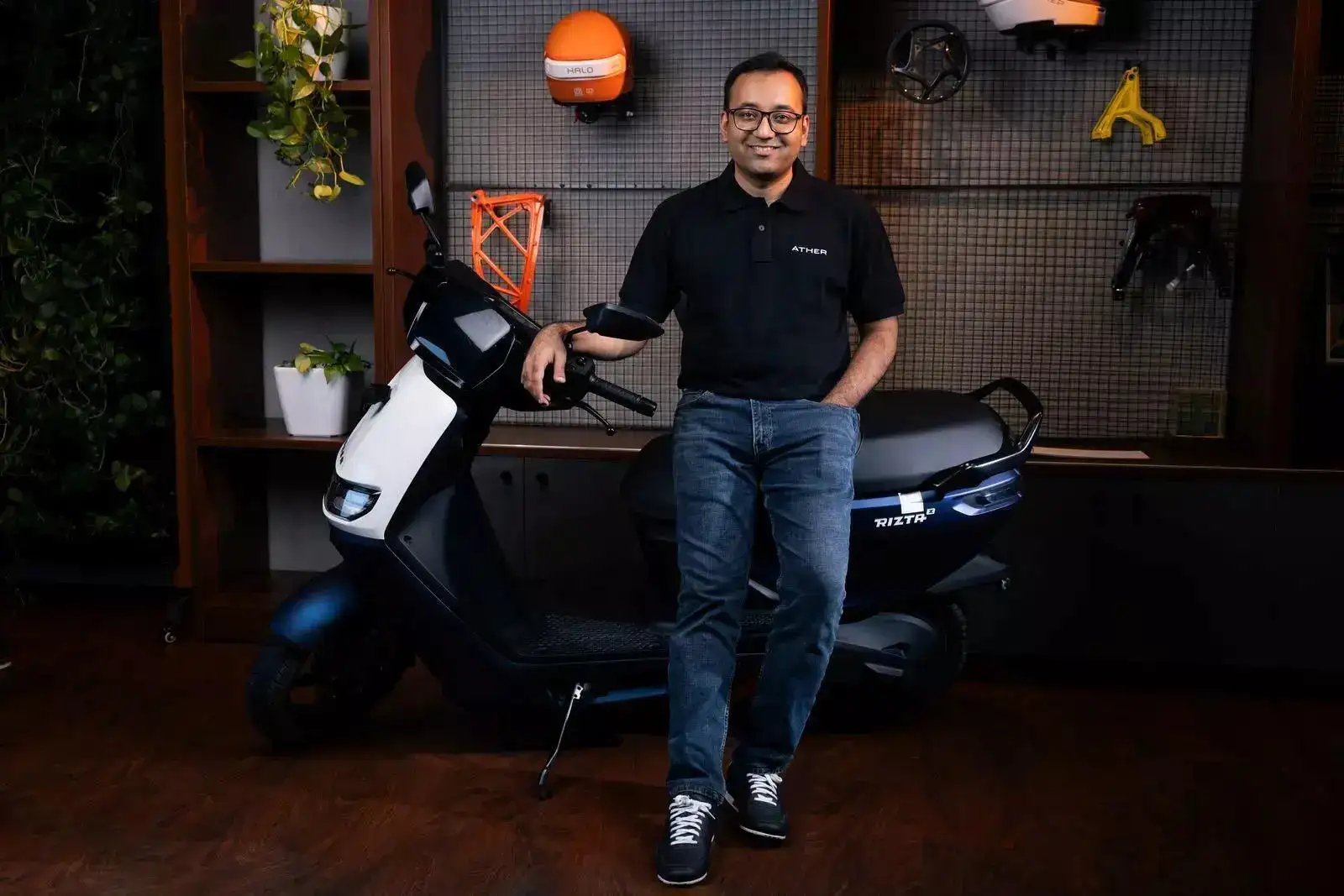 Tarun Mehta, CEO, Ather Energy
Ather Energy narrowed its net loss in the March quarter as revenue surged on the back of its family scooter Rizta and aggressive network expansion.
Financials:
(Q4 FY26)
(FY26)
Significance: Ather credited the growth to the standout performance of its family-focused Rizta scooter and a wider physical footprint. The company doubled its experience centres to 700 over the year, while service centres scaled up to around 548.
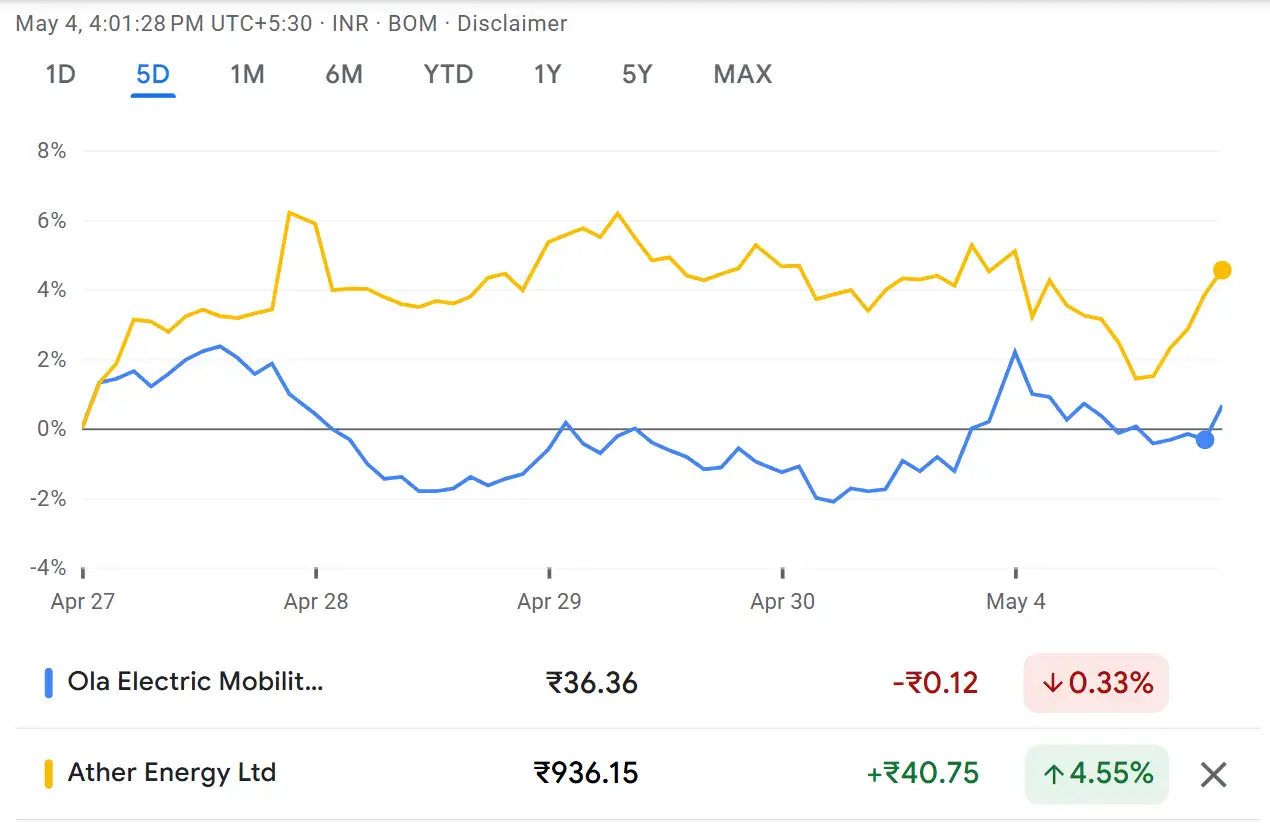 Source: Google Finance
Competitor watch: Ather has pulled ahead of rival Ola Electric on market share, even as traditional two-wheeler giants continue to dominate the EV landscape. The Tarun Mehta-led firm has traded comfortably above its issue price this year, while Ola has spent much of 2026 below its IPO level amid ongoing execution and service challenges.
Also Read: Ather Energy rolls out Esops worth Rs 22.4 crore
EVs moving at faster speed in premium lane
India's electric passenger vehicle market is tilting towards premium models, as carmakers prioritise mid- and premium segments while mass adoption remains muted.
Also Read: Two-wheeler EV sales drop in April after March peak; Ola Electric's market share improves
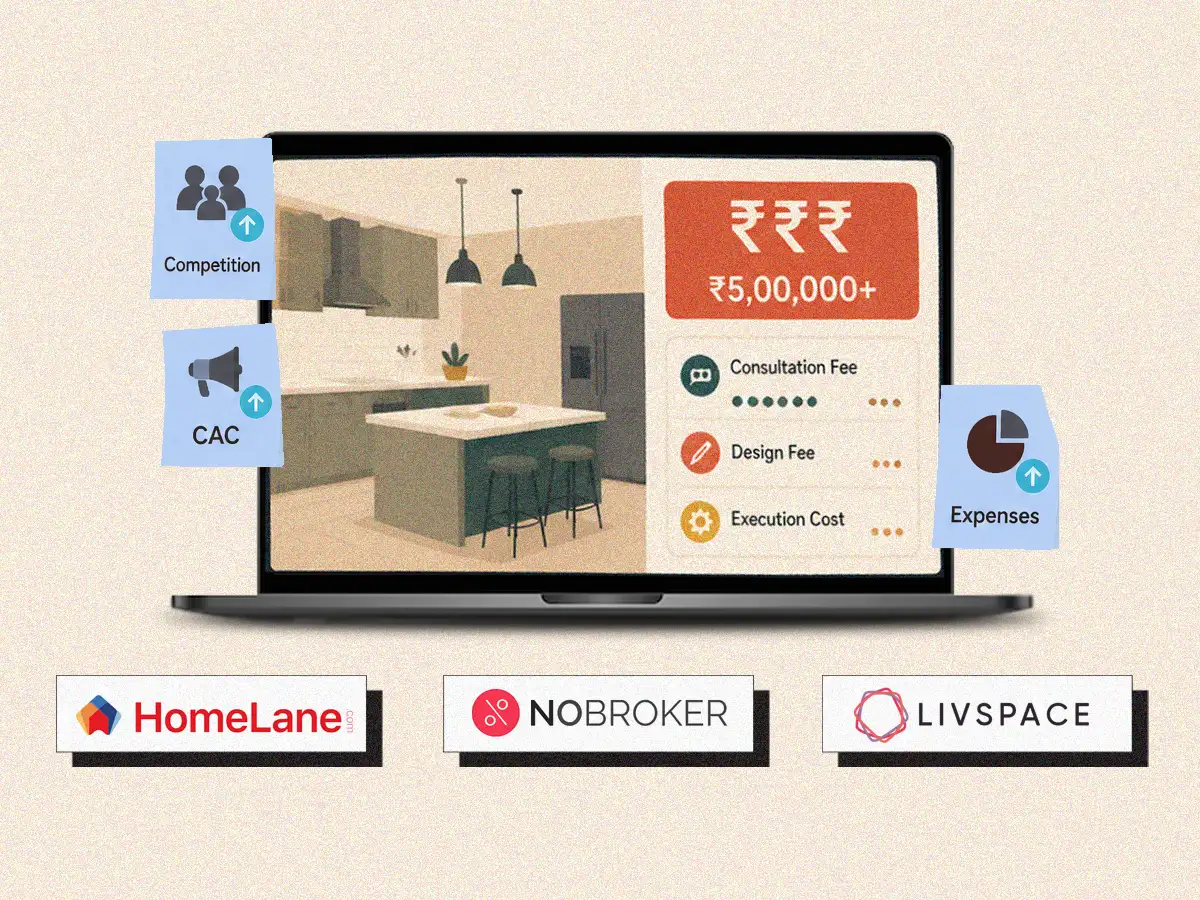
India's organised home-interior sector is turning to AI to trim costs, boost designer productivity, and survive in a market hit by high customer-acquisition costs and intense competition from the unorganised sector.
Building up: Platforms such as Homelane and Livspace are betting that automation can make them leaner, even as industry veterans warn that technology alone cannot fix the sector’s core economics.
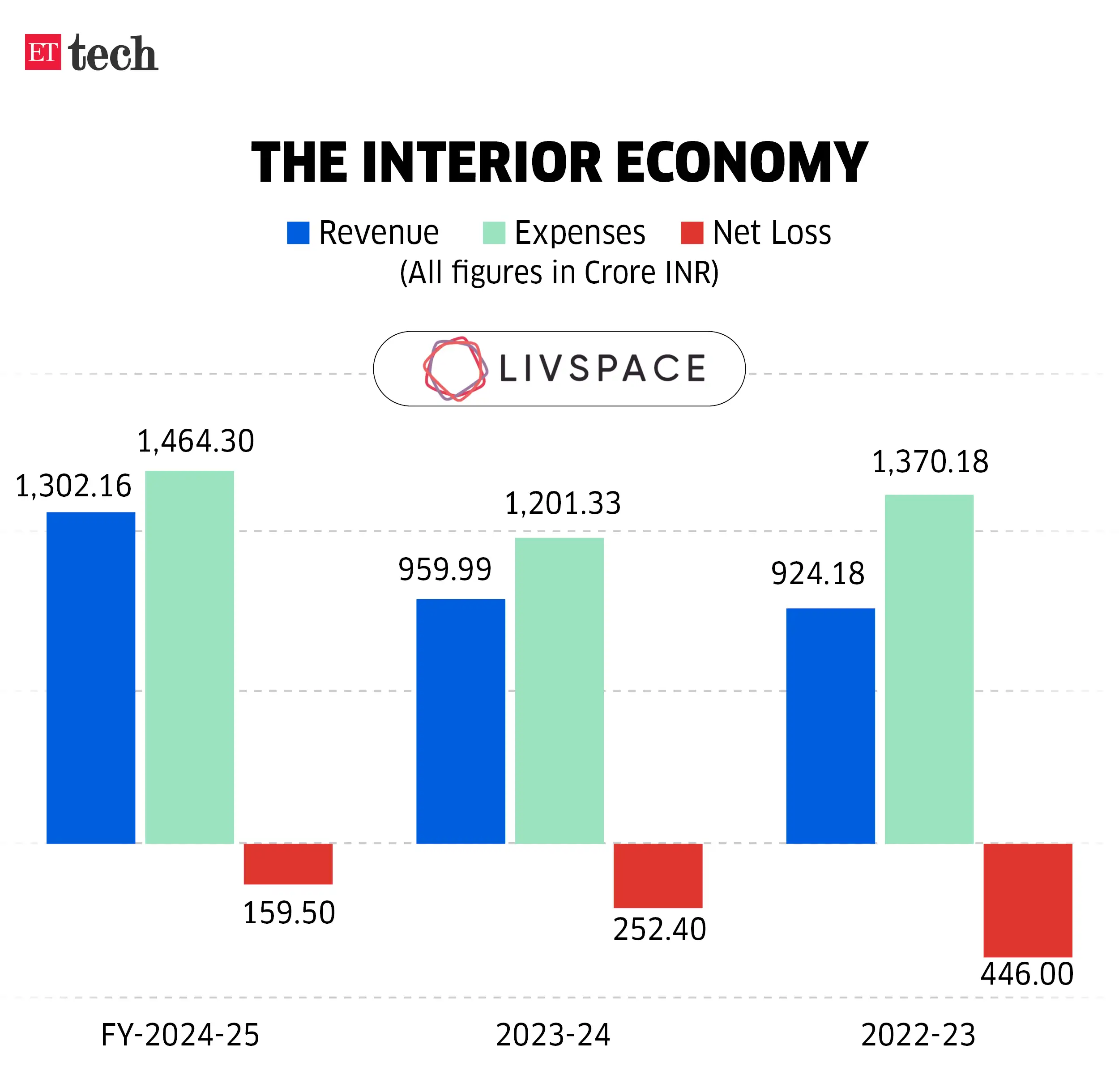
Homelane CEO Srikanth Iyer told us the company has sharply reduced its design team even as its product catalogue has grown, and that designers now handle about 50% more projects a month than a year ago. Livspace has rolled out AI agents across sales, operations, design and marketing, while also cutting headcount.
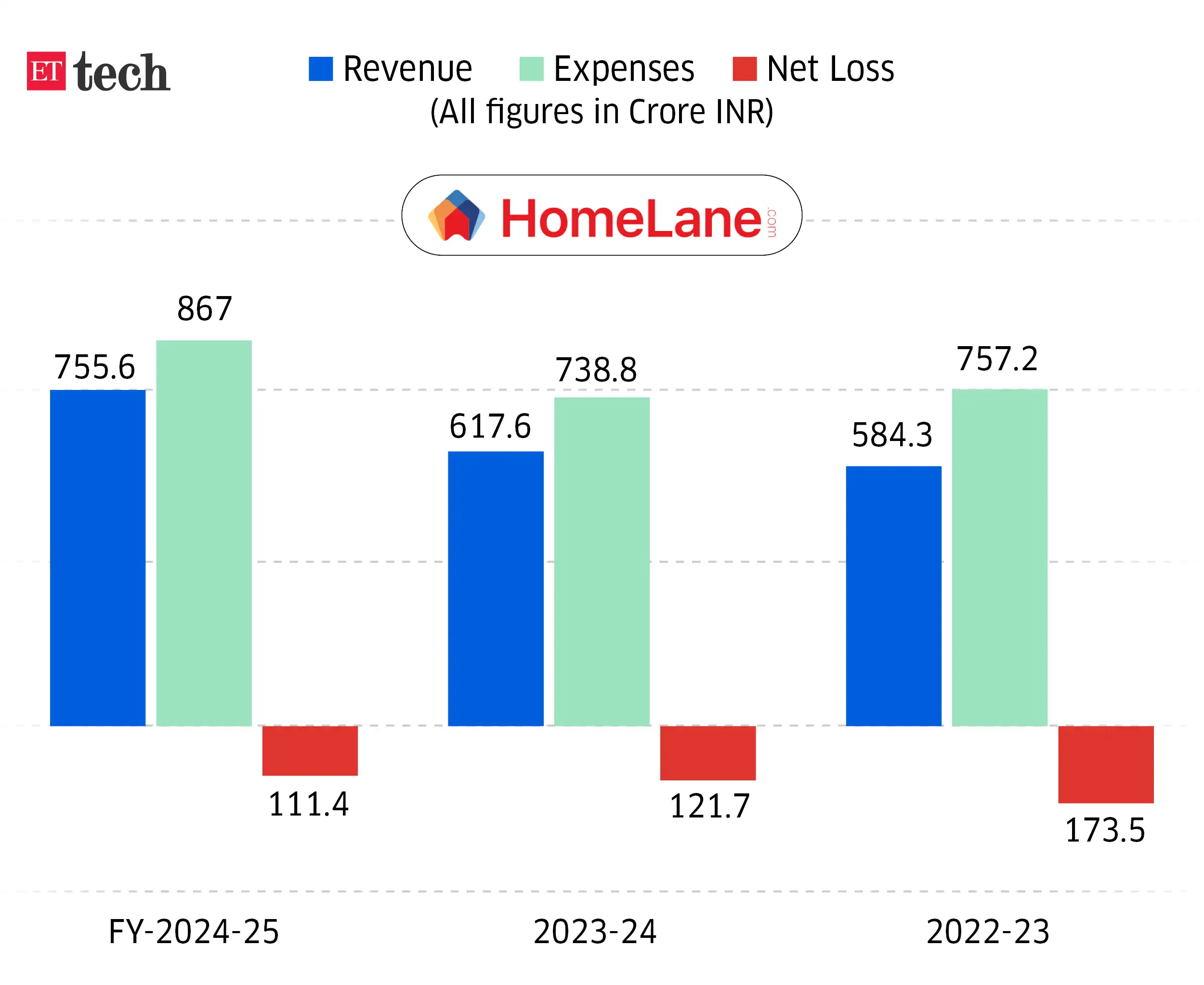
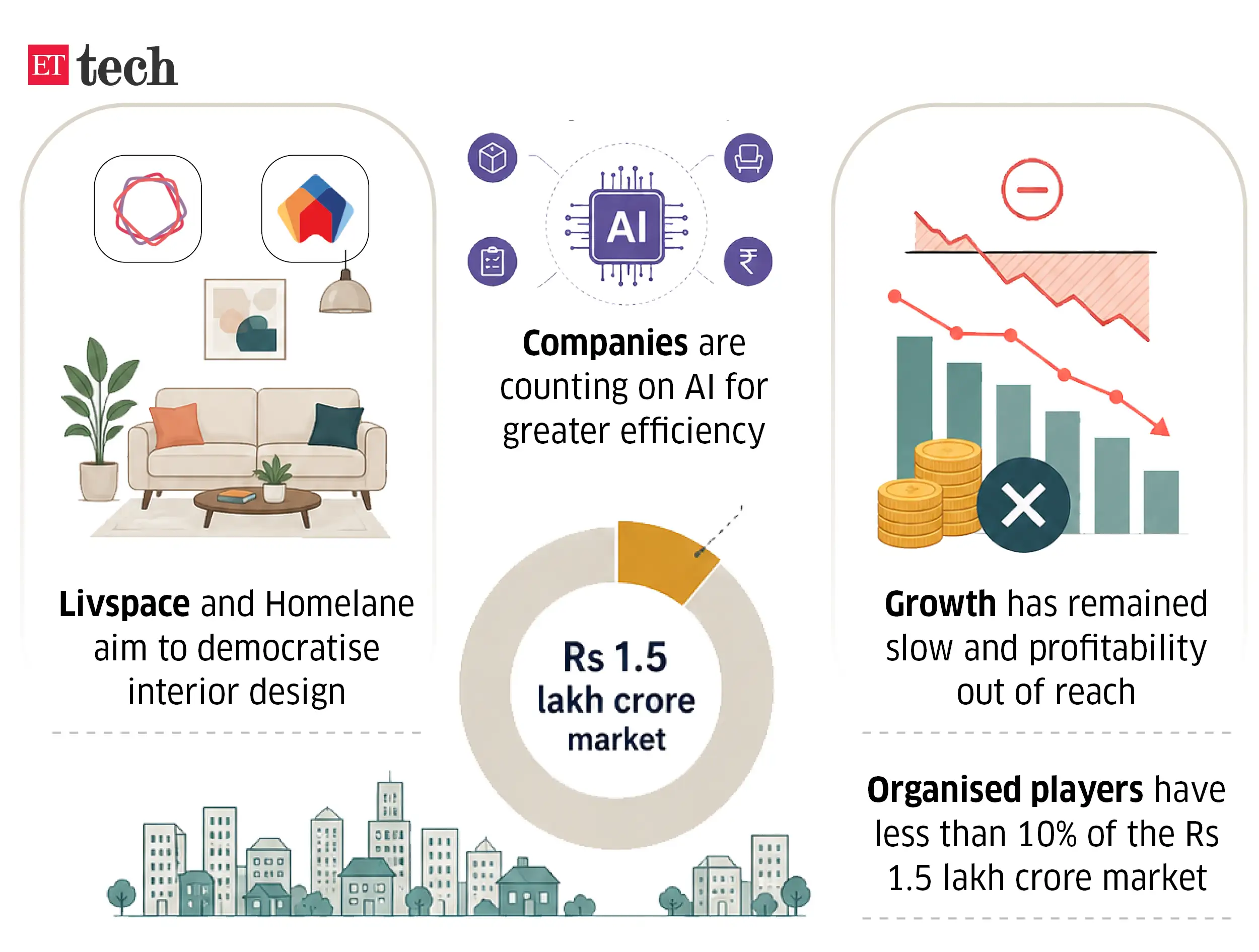
Why the sector is still hard: The market is highly fragmented and price sensitive, with less than 10% of the Rs 1.5 lakh crore opportunity in the organised segment. Economics remain tight because customer acquisition is costly and repeat business is limited.
 Sudhir Singh, CEO, Coforge
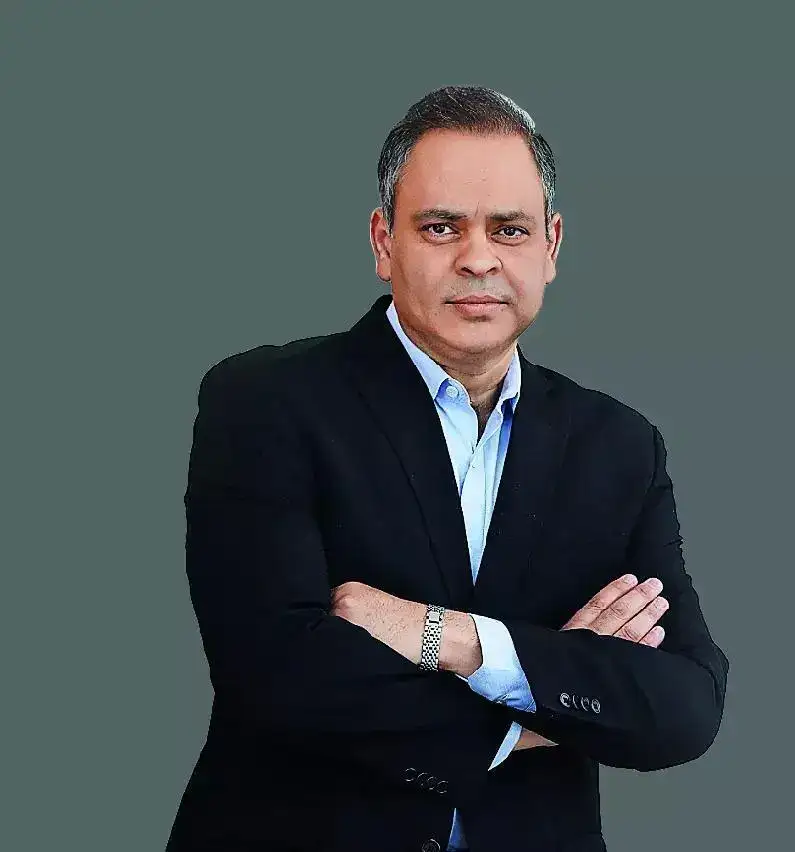
The shutdown of Spirit Airlines is set to impact mid-cap IT firm Coforge, which has meaningful exposure to the carrier through its travel vertical.
What happened: Spirit, which had already filed for bankruptcy twice and is now being liquidated. The client relationship is effectively over and unlikely to be revived.
The company said Spirit would account for less than 0.1% of FY27 revenue and insisted the closure will not have any material impact on its overall operations or outlook. Even so, it reiterated that travel remains a critical growth focus.
Analyst take: The bigger worry, analysts say, is not Spirit alone but the broader stress across global airlines.
“Airlines and travel have been one of the fastest-growing sectors after the pandemic for Indian IT service providers,” Pareekh Jain, CEO of Pareekh Consulting, told us. “The current Iran crisis is impacting ATF prices, and all airlines are in distress, cutting on their opex and capex, including reducing flights,” he said.
Also Read: Coforge completes Encora acquisition; secures $550 million loan, drops QIP plan
 Dario Amodei, CEO, Anthropic
AI firm Anthropic is closing in on a $1.5 billion joint venture with top Wall Street names to embed its AI tools across their portfolio companies, according to a report in The Wall Street Journal.
Deal details:
Strategic upside: The JV would hand Anthropic a ready-made distribution channel into hundreds of portfolio companies, turning leading private equity and asset managers into force multipliers for its enterprise AI stack.
Also Read: Anthropic weighs new funding round at valuation exceeding $900 billion: Report

AI firm Humain has expanded its partnership with Amazon Web Services (AWS) with a new initiative called ‘Humain One’, the Saudi-based company said. Humain One is designed to accelerate enterprise AI adoption and is described as a generative AI operating system that aims to transform how organisations work.
Also Read: Amazon beats quarterly cloud growth estimates on strong AI demand; AWS revenue jumps 28%
Also in the letter:
■ Inside India's home interior space
■ Spirit Air shutdown to hit Coforge
■ Anthropic's new deal
Tata Electronics aims to be $30 billion business with fab play: CEO & MD Randhir Thakur
Tata Electronics has become a central pillar of the group’s post-Covid reset, rapidly scaling its semiconductor ambitions under CEO Randhir Thakur. In an interaction with us, Thakur detailed how the company is betting big on fabs, packaging, and partnerships to capture a strategic opportunity.
Edited excerpts:
Current scale, growth targets: The collective strength of Tata (Group) came into play so that Tata Electronics could really scale and grow faster. That model continues as we expand. We have had three years of full operations. Total revenue today is about Rs 1.3 lakh crore. We started with Rs 400 crore. We are about a $15 billion company today, and in the next five years, we aspire to be a $30 billion company.
On profitability: We are already profitable. To go from a negative Ebitda three years ago to more than Rs 4,000 crore of Ebitda this year is a remarkable journey. Our focus will continue to be on growing the customer and employee capability base. In India, Tata Electronics has been the fastest-growing electronics company.
Supply chain issues: We always have supply chain concerns and logistics concerns to secure. The benefit of having this factory in India is that, unlike in some other countries, most of the equipment entering our factories comes from the US, Europe, Korea, Japan, and Singapore. In all of these countries, we do not really have any supply chain-related risk.
Also Read: Tata Electronics boosts headcount to 75,000
Ather Energy quarterly revenue goes past Rs 1,000 crore in Q4, riding on family scooter Rizta
Ather Energy narrowed its net loss in the March quarter as revenue surged on the back of its family scooter Rizta and aggressive network expansion.
Financials:
(Q4 FY26)
- Net loss: Narrowed 57% to Rs 100 crore from Rs 234 crore.
- Revenue from operations: Up 74% to Rs 1,175 crore from Rs 676 crore.
- Ebitda loss: Narrowed 60% to Rs 70 crore from Rs 173 crore.
- Total expenses: Up 42.5% to Rs 1,314 crore from Rs 922 crore.
(FY26)
- Total income: Up 66% to Rs 3,823 crore, supported by strong volume growth.
- Non-vehicle revenue: 13% of total income, including software subscriptions, charging, accessories, spares and services.
Significance: Ather credited the growth to the standout performance of its family-focused Rizta scooter and a wider physical footprint. The company doubled its experience centres to 700 over the year, while service centres scaled up to around 548.
Competitor watch: Ather has pulled ahead of rival Ola Electric on market share, even as traditional two-wheeler giants continue to dominate the EV landscape. The Tarun Mehta-led firm has traded comfortably above its issue price this year, while Ola has spent much of 2026 below its IPO level amid ongoing execution and service challenges.
Also Read: Ather Energy rolls out Esops worth Rs 22.4 crore
EVs moving at faster speed in premium lane
India's electric passenger vehicle market is tilting towards premium models, as carmakers prioritise mid- and premium segments while mass adoption remains muted.
- EVs priced between Rs 20–30 lakh: Share jumped 26.4% last fiscal from 6.2% two years ago.
- EVs price above Rs 30 lakh: Share more than doubled to 14.2%, per Jato Dynamics.
Also Read: Two-wheeler EV sales drop in April after March peak; Ola Electric's market share improves
Home interior startups lean on AI to cut costs and chase profits
India's organised home-interior sector is turning to AI to trim costs, boost designer productivity, and survive in a market hit by high customer-acquisition costs and intense competition from the unorganised sector.
Building up: Platforms such as Homelane and Livspace are betting that automation can make them leaner, even as industry veterans warn that technology alone cannot fix the sector’s core economics.
Homelane CEO Srikanth Iyer told us the company has sharply reduced its design team even as its product catalogue has grown, and that designers now handle about 50% more projects a month than a year ago. Livspace has rolled out AI agents across sales, operations, design and marketing, while also cutting headcount.
Why the sector is still hard: The market is highly fragmented and price sensitive, with less than 10% of the Rs 1.5 lakh crore opportunity in the organised segment. Economics remain tight because customer acquisition is costly and repeat business is limited.
Spirit Air shutdown set to hit Coforge, signals turbulence ahead for IT firms
The shutdown of Spirit Airlines is set to impact mid-cap IT firm Coforge, which has meaningful exposure to the carrier through its travel vertical.
What happened: Spirit, which had already filed for bankruptcy twice and is now being liquidated. The client relationship is effectively over and unlikely to be revived.
The company said Spirit would account for less than 0.1% of FY27 revenue and insisted the closure will not have any material impact on its overall operations or outlook. Even so, it reiterated that travel remains a critical growth focus.
Analyst take: The bigger worry, analysts say, is not Spirit alone but the broader stress across global airlines.
“Airlines and travel have been one of the fastest-growing sectors after the pandemic for Indian IT service providers,” Pareekh Jain, CEO of Pareekh Consulting, told us. “The current Iran crisis is impacting ATF prices, and all airlines are in distress, cutting on their opex and capex, including reducing flights,” he said.
Also Read: Coforge completes Encora acquisition; secures $550 million loan, drops QIP plan
Anthropic nears $1.5 billion joint venture with Wall Street firms
AI firm Anthropic is closing in on a $1.5 billion joint venture with top Wall Street names to embed its AI tools across their portfolio companies, according to a report in The Wall Street Journal.
Deal details:
- Anchor investors: Alternative asset manager Blackstone and private equity firm Hellman & Friedman, likely committing $300 million each.
- Founding investor: Goldman Sachs, expected to invest around $150 million.
- Timeline: A formal announcement could come as early as Monday.
Strategic upside: The JV would hand Anthropic a ready-made distribution channel into hundreds of portfolio companies, turning leading private equity and asset managers into force multipliers for its enterprise AI stack.
Also Read: Anthropic weighs new funding round at valuation exceeding $900 billion: Report
Saudi AI firm Humain launches enterprise AI initiative with Amazon Web Services
AI firm Humain has expanded its partnership with Amazon Web Services (AWS) with a new initiative called ‘Humain One’, the Saudi-based company said. Humain One is designed to accelerate enterprise AI adoption and is described as a generative AI operating system that aims to transform how organisations work.
Also Read: Amazon beats quarterly cloud growth estimates on strong AI demand; AWS revenue jumps 28%
Want this newsletter delivered to your inbox?
I agree to receive newsletters and marketing communications via e-mail