
 Daily Top 5 Daily Top 5 |
Palo Alto Networks acquires Portkey; Tim Cook on Apple's India growth
Want this newsletter delivered to your inbox?
I agree to receive newsletters and marketing communications via e-mail

Thank you for subscribing to Daily Top 5
We'll soon meet in your inbox.
Palo Alto Networks is acquiring Portkey, doubling the AI infrastructure startup's valuation. This and more in today's ETtech Top 5.
Also in the letter:
■ Alphabet to dethrone Nvidia?
■ Musk's Tesla pay package
■ UPI volumes dip in April
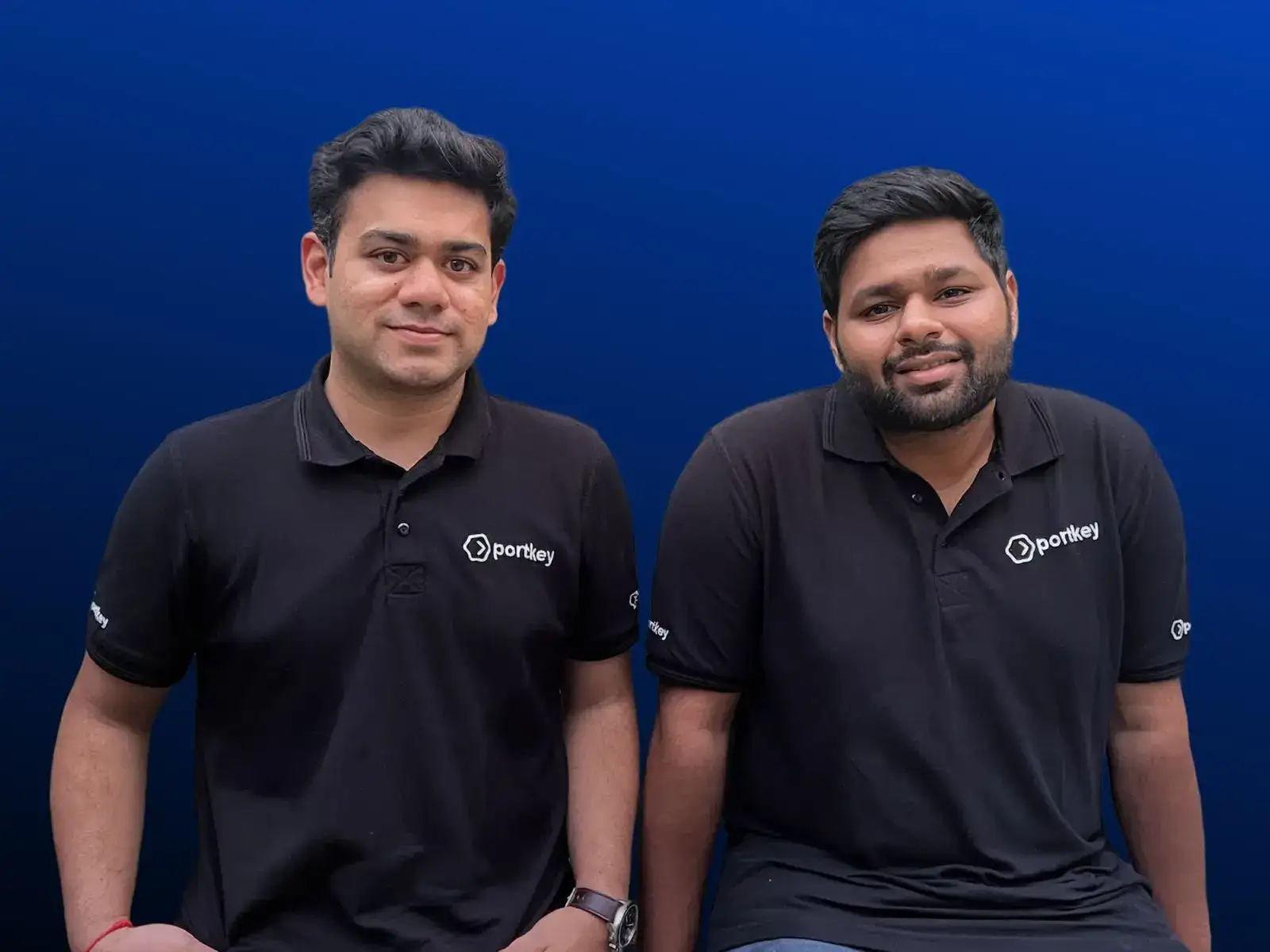 (L-R) Rohit Agarwal and Ayush Garg, founders, Portkey
US-based cybersecurity company Palo Alto Networks has agreed to acquire AI infrastructure startup Portkey to deepen its AI security stack for enterprise use of autonomous agents.
Details:
Portkey’s AI gateway sits between applications and large language models, helping companies monitor, manage and secure AI traffic. Palo Alto Networks plans to fold it into Prisma AIRS as a central control plane for agentic AI systems.
Quote, unquote: "AI agents have become privileged insiders, reasoning and executing on behalf of users and companies,” Nikesh Arora, chairman and CEO of Palo Alto Networks, said in a LinkedIn post. "Portkey is a pioneer of AI gateway technology. Their platform is battle-tested at scale, processing trillions of tokens per month," he added.
Also Read: Most jobs are not going anywhere soon; AI is good for deterministic problems right now: Nikesh Arora
Background: Portkey was founded in 2023 by BITS Pilani alumnus Rohit Agarwal and SRM Chennai alumnus Ayush Garg, both former Pepper Content employees.
 Priyanka Chopra Jonas, founder, Anomaly
Reliance Retail has acquired actor-entrepreneur Priyanka Chopra Jonas’s global haircare brand Anomaly, marking a significant expansion of the retailer’s fast-growing beauty and personal care portfolio.
Deal details: The company said the acquisition includes Anomaly’s trademarks, brand assets and digital properties. Reliance Retail will have full ownership of the brand’s intellectual property. Financial details of the deal were not disclosed.
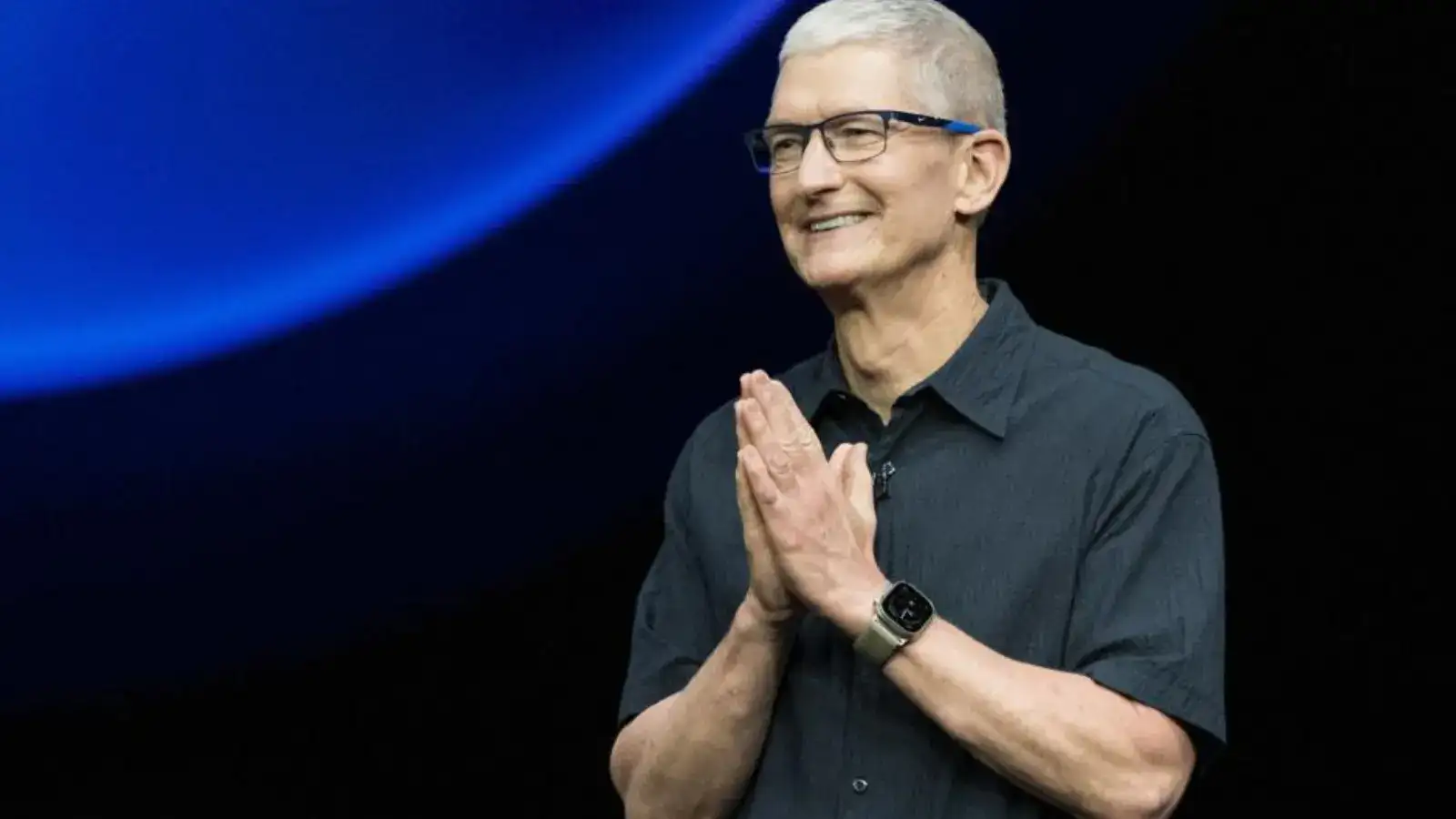 Tim Cook, CEO, Apple
Apple chief executive officer Tim Cook has said he is “over the moon excited” about India, calling it one of Apple’s biggest future growth engines on the company’s Q2 2026 earnings call on Thursday.
On India: “Yes. I think it's a huge opportunity for us. We've been focused on this for a while. It's the second largest smartphone market in the world and the third largest PC market,” Cook said.
He added that Apple still has only a “modest share” in India despite strong performance over several quarters.
What else? Cook said India’s rising middle class and steady flow of first-time Apple buyers across product lines make it a powerful long-term market, and that Apple sees significant headroom for growth.
Financials:
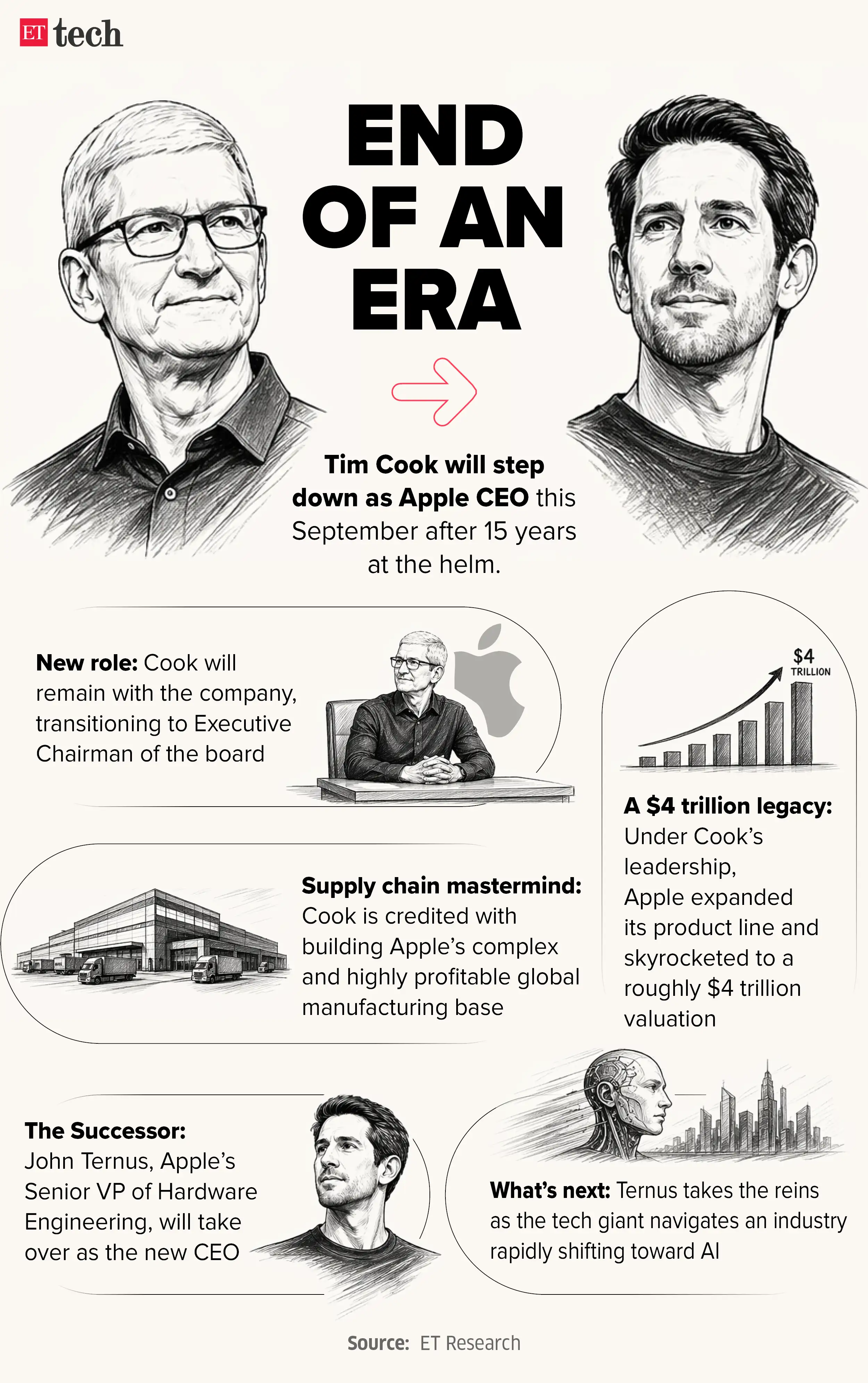
Leadership change: Last month, Apple announced that Cook will step down as CEO and become executive chairman of the board. Senior vice president (Hardware Engineering) John Ternus will take over as CEO on September 1, 2026, succeeding Cook.
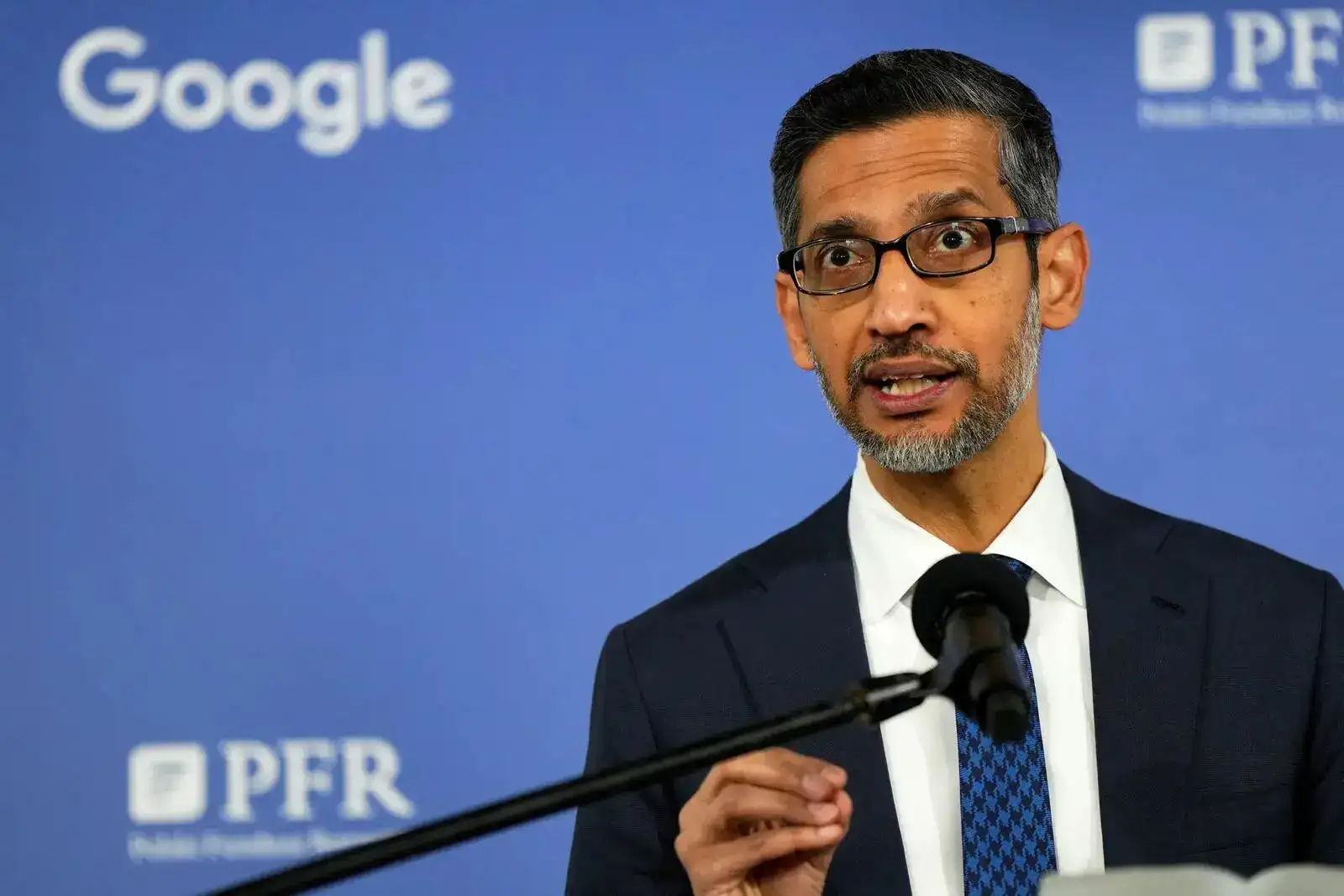 Sundar Pichai, CEO, Alphabet
Google's parent company, Alphabet, has added about $420 billion in market value in a single session after a strong Q1 earnings report, putting it very close to Nvidia in the global market capitalisation race.
What drove the jump: The increase in market value followed the company's report of 22% revenue growth and an 81% rise in net income. Investors reacted quickly to the earnings, pushing the share price higher.
Capital spending in the quarter more than doubled year-on-year, to $35.67 billion. Overall, Alphabet spent $91.45 billion on capex in 2025.
Race to the top: The gap with Nvidia has reportedly narrowed to around 6%, small enough for the top spot to change quickly with another strong session. In terms of market cap, even a modest move in either stock can reshuffle the rankings.
The chipmaker led by Jensen Huang recently breached $5 trillion in market value.
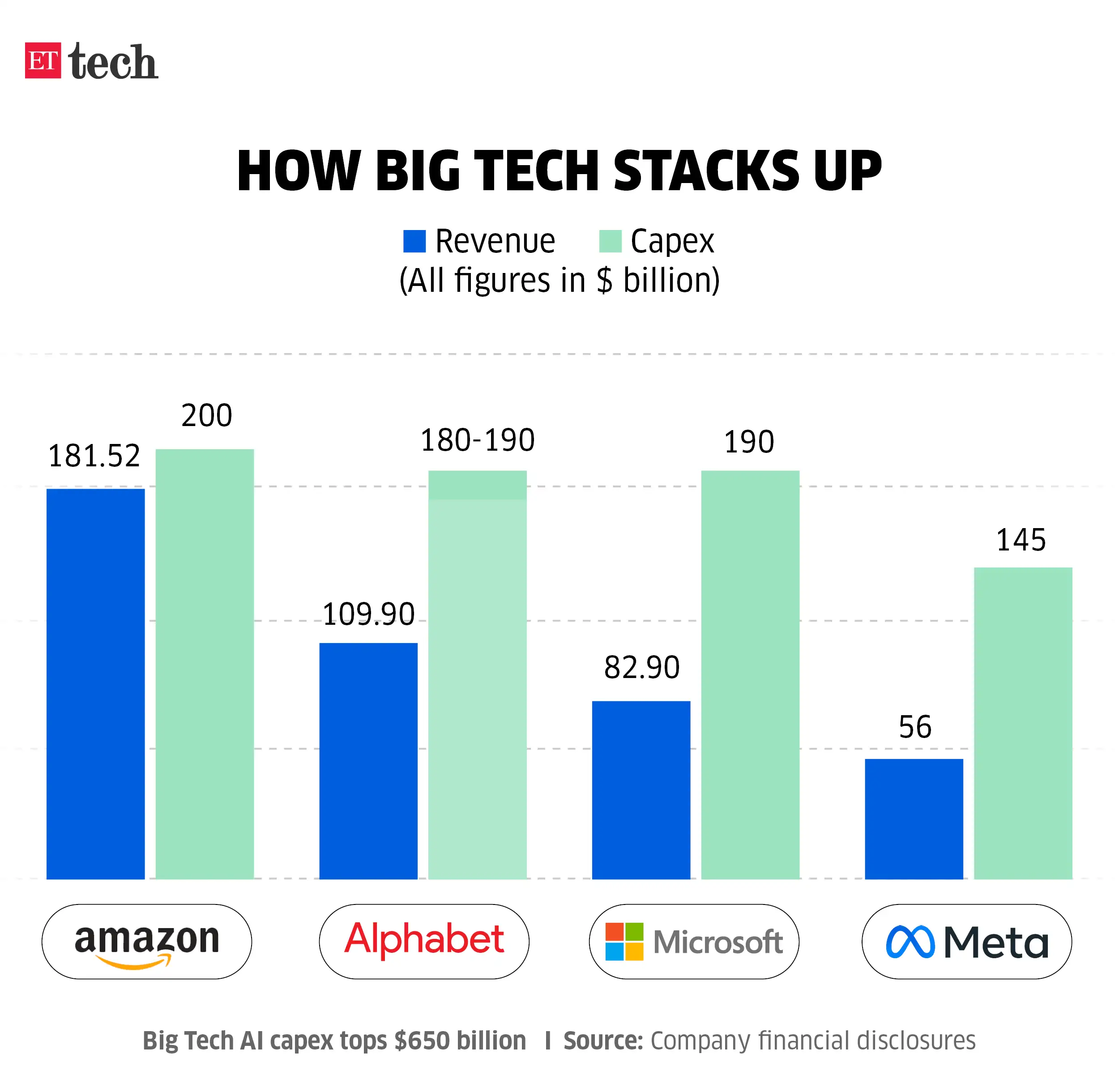
Big quarter for big tech: Alphabet, Amazon, Meta, and Microsoft all posted strong quarterly results on Wednesday, each beating Wall Street forecasts on the back of surging demand for AI and cloud services.
AI remained the driver, with the four on course to spend an estimated $650 billion on AI infrastructure this year.
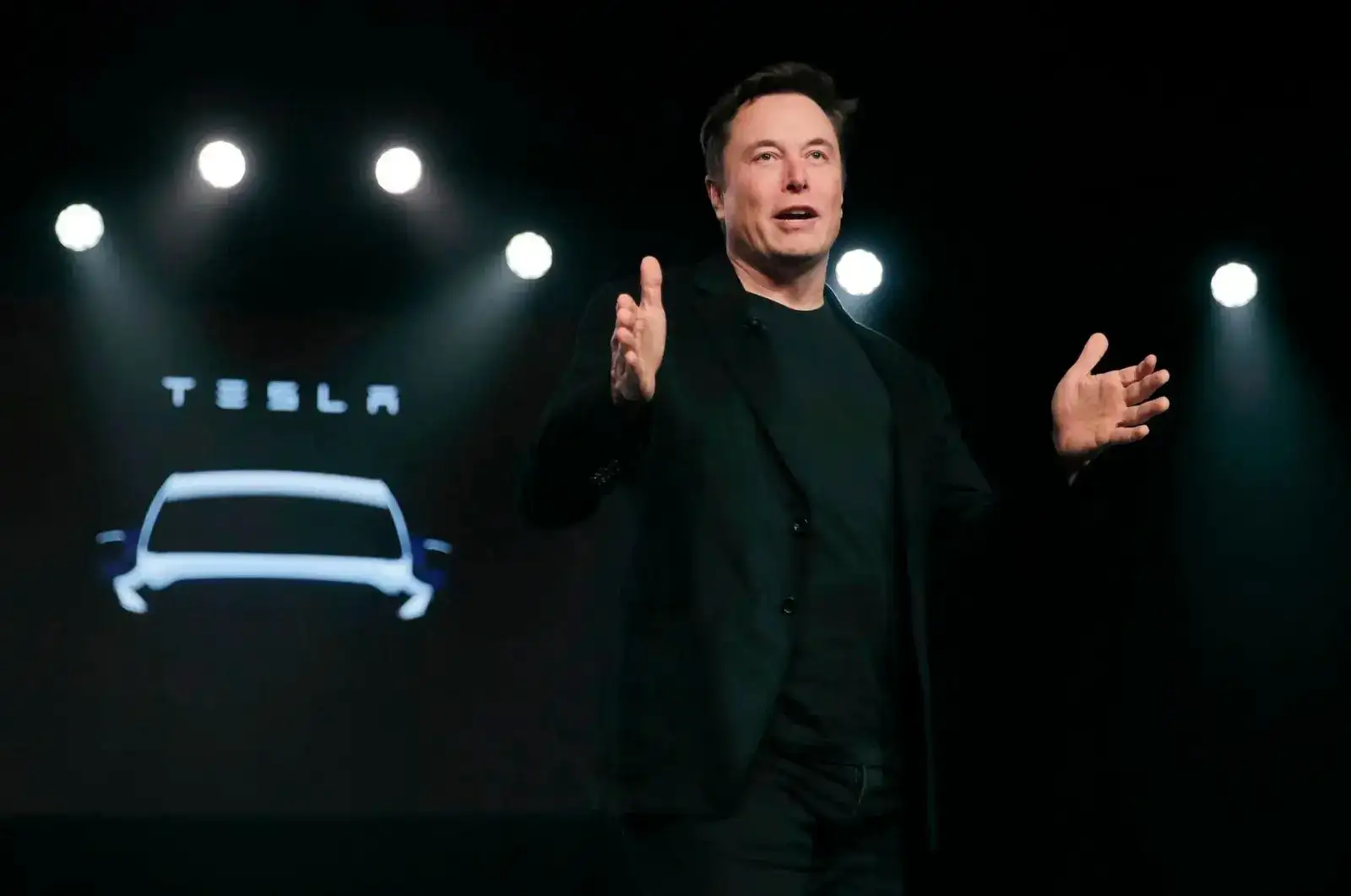
Tesla's filing states that Elon Musk's 2025 compensation figure was $158 billion, but the company clarified that the figure does not reflect cash actually received or value truly realised.
What's the news: Tesla reported the 2025 total in a regulatory filing on Thursday, almost six months after more than 75% of voting shares backed the chief executive officer’s massive stock award.
Tesla clarified that there can be a significant gap between the compensation it reports and what Musk actually receives. Because the package is entirely equity-based, Musk only benefits if Tesla’s stock rises sharply and the company reaches major operational milestones.
Also Read: Tesla's $25 billion spending plan tests investor faith in unproven AI bets
Because Tesla did not meet the required targets, Musk’s realised compensation for the year was zero.

Meanwhile, Musk’s case with OpenAI continues.
Musk was pressed in court on when he decided to sue OpenAI and whether he had known about efforts to turn it into a for-profit company. He said he was reassured by Sam Altman and others that OpenAI would remain a non-profit, while also telling the court, “My testimony is I didn’t read the fine print, just the headline.”
Also Read: ETtech Explainer: How the Altman vs Musk trial is unfolding in court

The Unified Payments Interface (UPI), operated by the National Payments Corporation of India (NPCI), recorded year-on-year growth in April but a slight month-on-month dip.
By the numbers:
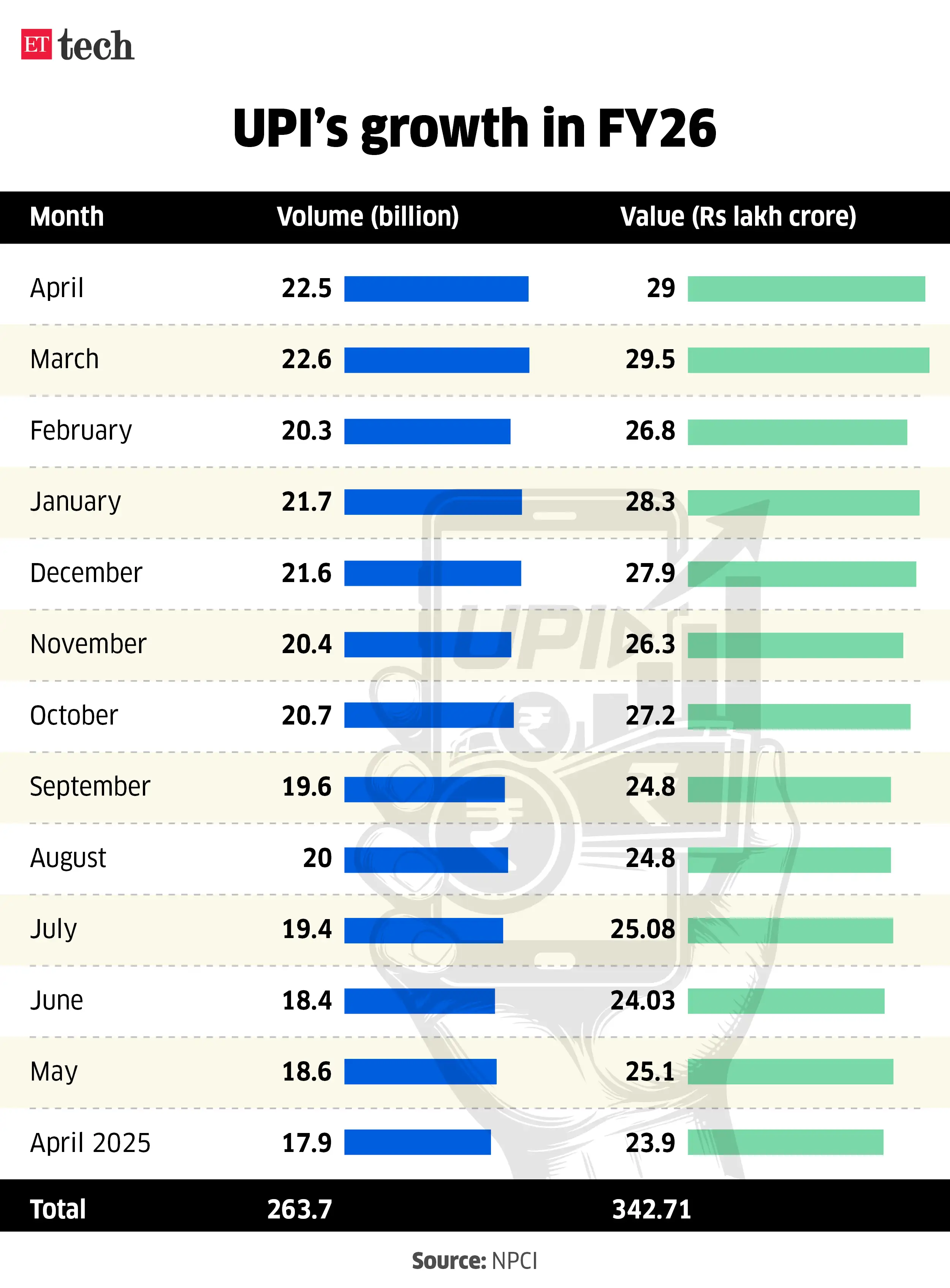
Trend: The daily average transactions rose to 745 million from 730 million, indicating stronger retail consumer payments. Experts said the fall was due to UPI’s “overperformance” in March rather than an overall slowdown.
Market: Growth in digital payments is slowing as many UPI transactions replace debit card use. PhonePe and Google Pay together hold over 80% of the market, while Paytm has around 10%.
Also Read: Smaller UPI apps to demand fresh curbs on market leaders at NPCI meet: Sources
Also in the letter:
■ Alphabet to dethrone Nvidia?
■ Musk's Tesla pay package
■ UPI volumes dip in April
Palo Alto Networks to acquire AI infra firm Portkey; valuation may double to $140 million
US-based cybersecurity company Palo Alto Networks has agreed to acquire AI infrastructure startup Portkey to deepen its AI security stack for enterprise use of autonomous agents.
Details:
- The deal is expected to close in fiscal Q4 2026, subject to approvals.
- The transaction includes both cash and stock components.
- It values Portkey at $120-140 million, sources told us.
- This is double its $60-70 million valuation in February this year, when it raised $15 million in a round led by Elevation Capital.
Portkey’s AI gateway sits between applications and large language models, helping companies monitor, manage and secure AI traffic. Palo Alto Networks plans to fold it into Prisma AIRS as a central control plane for agentic AI systems.
Quote, unquote: "AI agents have become privileged insiders, reasoning and executing on behalf of users and companies,” Nikesh Arora, chairman and CEO of Palo Alto Networks, said in a LinkedIn post. "Portkey is a pioneer of AI gateway technology. Their platform is battle-tested at scale, processing trillions of tokens per month," he added.
Also Read: Most jobs are not going anywhere soon; AI is good for deterministic problems right now: Nikesh Arora
Background: Portkey was founded in 2023 by BITS Pilani alumnus Rohit Agarwal and SRM Chennai alumnus Ayush Garg, both former Pepper Content employees.
Reliance Retail buys Priyanka Chopra Jonas' Anomaly in beauty expansion push
Reliance Retail has acquired actor-entrepreneur Priyanka Chopra Jonas’s global haircare brand Anomaly, marking a significant expansion of the retailer’s fast-growing beauty and personal care portfolio.
Deal details: The company said the acquisition includes Anomaly’s trademarks, brand assets and digital properties. Reliance Retail will have full ownership of the brand’s intellectual property. Financial details of the deal were not disclosed.
Tim Cook says he is 'over the moon' as Apple eyes massive growth in India
Apple chief executive officer Tim Cook has said he is “over the moon excited” about India, calling it one of Apple’s biggest future growth engines on the company’s Q2 2026 earnings call on Thursday.
On India: “Yes. I think it's a huge opportunity for us. We've been focused on this for a while. It's the second largest smartphone market in the world and the third largest PC market,” Cook said.
He added that Apple still has only a “modest share” in India despite strong performance over several quarters.
What else? Cook said India’s rising middle class and steady flow of first-time Apple buyers across product lines make it a powerful long-term market, and that Apple sees significant headroom for growth.
Financials:
- Revenue: climbed 17% to $111.2 billion, above estimates.
- iPhone sales: $56.99 billion, below estimates of $57.21 billion.
Leadership change: Last month, Apple announced that Cook will step down as CEO and become executive chairman of the board. Senior vice president (Hardware Engineering) John Ternus will take over as CEO on September 1, 2026, succeeding Cook.
Alphabet adds $420 billion in market cap after strong Q1
Google's parent company, Alphabet, has added about $420 billion in market value in a single session after a strong Q1 earnings report, putting it very close to Nvidia in the global market capitalisation race.
What drove the jump: The increase in market value followed the company's report of 22% revenue growth and an 81% rise in net income. Investors reacted quickly to the earnings, pushing the share price higher.
Capital spending in the quarter more than doubled year-on-year, to $35.67 billion. Overall, Alphabet spent $91.45 billion on capex in 2025.
Race to the top: The gap with Nvidia has reportedly narrowed to around 6%, small enough for the top spot to change quickly with another strong session. In terms of market cap, even a modest move in either stock can reshuffle the rankings.
The chipmaker led by Jensen Huang recently breached $5 trillion in market value.
Big quarter for big tech: Alphabet, Amazon, Meta, and Microsoft all posted strong quarterly results on Wednesday, each beating Wall Street forecasts on the back of surging demand for AI and cloud services.
AI remained the driver, with the four on course to spend an estimated $650 billion on AI infrastructure this year.
Elon Musk's Tesla compensation totals $158 billion for 2025
Tesla's filing states that Elon Musk's 2025 compensation figure was $158 billion, but the company clarified that the figure does not reflect cash actually received or value truly realised.
What's the news: Tesla reported the 2025 total in a regulatory filing on Thursday, almost six months after more than 75% of voting shares backed the chief executive officer’s massive stock award.
Tesla clarified that there can be a significant gap between the compensation it reports and what Musk actually receives. Because the package is entirely equity-based, Musk only benefits if Tesla’s stock rises sharply and the company reaches major operational milestones.
Also Read: Tesla's $25 billion spending plan tests investor faith in unproven AI bets
Because Tesla did not meet the required targets, Musk’s realised compensation for the year was zero.
Musk testifies he did not read 'fine print' about OpenAI becoming for-profit company
Meanwhile, Musk’s case with OpenAI continues.
Musk was pressed in court on when he decided to sue OpenAI and whether he had known about efforts to turn it into a for-profit company. He said he was reassured by Sam Altman and others that OpenAI would remain a non-profit, while also telling the court, “My testimony is I didn’t read the fine print, just the headline.”
Also Read: ETtech Explainer: How the Altman vs Musk trial is unfolding in court
UPI volumes report 3% dip in April with 22.5 billion transactions
The Unified Payments Interface (UPI), operated by the National Payments Corporation of India (NPCI), recorded year-on-year growth in April but a slight month-on-month dip.
By the numbers:
- UPI recorded 22.5 billion transactions in April, slightly down from 22.6 billion in March and up 25% on 17.9 billion a year ago.
- Total value settled stood at Rs 29 lakh crore in April, compared with Rs 29.5 lakh crore in March.
Trend: The daily average transactions rose to 745 million from 730 million, indicating stronger retail consumer payments. Experts said the fall was due to UPI’s “overperformance” in March rather than an overall slowdown.
Market: Growth in digital payments is slowing as many UPI transactions replace debit card use. PhonePe and Google Pay together hold over 80% of the market, while Paytm has around 10%.
Also Read: Smaller UPI apps to demand fresh curbs on market leaders at NPCI meet: Sources
Want this newsletter delivered to your inbox?
I agree to receive newsletters and marketing communications via e-mail