
 Daily Top 5 Daily Top 5 |
Seoul Semicon’s India plans; Specialty healthcare attracts VCs
Want this newsletter delivered to your inbox?
I agree to receive newsletters and marketing communications via e-mail

Thank you for subscribing to Daily Top 5
We'll soon meet in your inbox.
South Korea's Seoul Semiconductor is planning a manufacturing foray in India. This and more in today's ETtech Top 5.
Also in the letter:
■ Fresh fuel for RVAG
■ Kimi K3 pauses new signups
■ Turtlemint eyes full-year profit
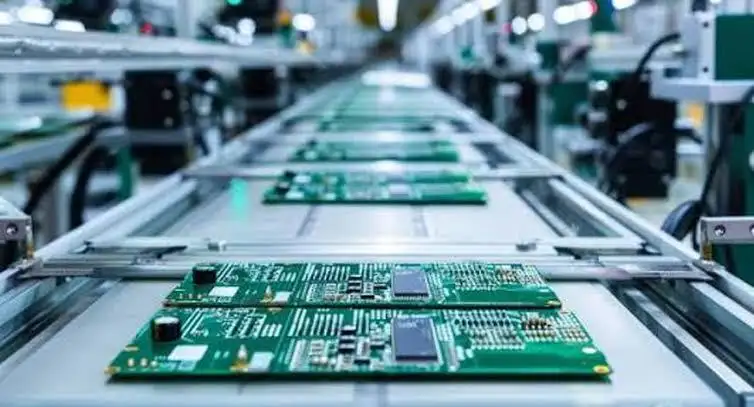
South Korea's Seoul Semiconductor is exploring plans to set up a manufacturing facility in India and is in discussions with the governments of Tamil Nadu, Karnataka, and Gujarat, people aware of the matter told us.
Driving the news: The global optoelectronics company is considering applying for incentives under the $13-billion India Semiconductor Mission (ISM) 2.0. It currently has manufacturing operations in South Korea, China, and Vietnam.
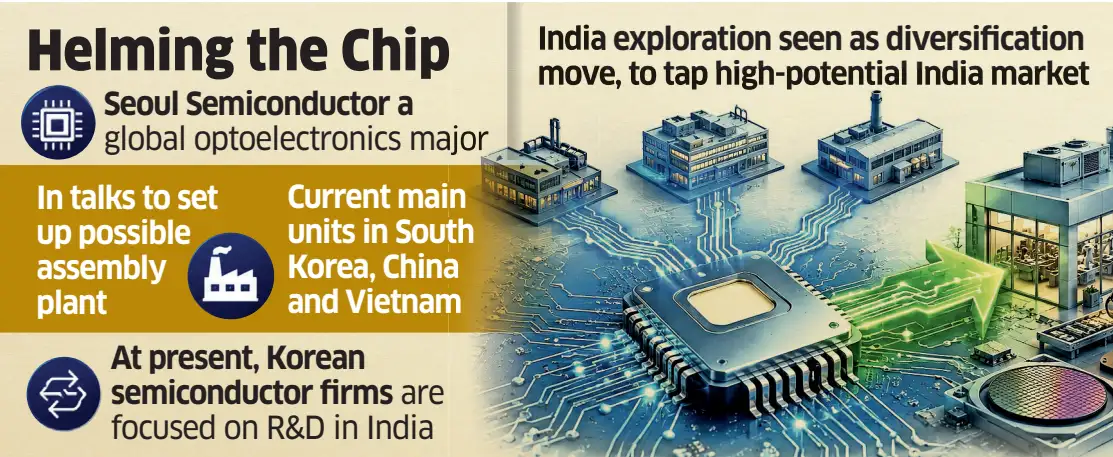
Tell me more: Sources said the company is keen to use the scheme to establish its first base in India, likely beginning with a packaging unit before expanding further.
Under ISM 2.0, Seoul Semiconductor could qualify for up to 35% incentives for an LED wafer fabrication plant or advanced packaging, and 25% for conventional packaging. The final eligibility will be clarified once the mission rules are notified.
Also Read: ISM 2.0 puts India's chip supply chain in spotlight
Analyst take: Analysts said India is becoming an attractive market for companies such as Seoul Semiconductor, driven by strong growth in the automotive sector, both in electric and internal combustion engine vehicles.
They added that smart cities, commercial real estate projects, and the agriculture sector could also create significant demand for the company's products.
Also Read: Global chip trophy: How India keeps its eyes on the ball

Venture capital (VC) firms are increasing bets on India's single-specialty healthcare startups, attracted by lower costs and higher-margin businesses.
What's happening? The segment is gaining pace, with startups building specialised clinics in oncology, nephrology, diabetes, ophthalmology, and other fields. While chains such as Indira IVF have existed for over a decade, venture-backed companies are now expanding the model.
Traditional private equity firms have largely focussed on mature healthcare businesses with stable cash flows.
Recent deals:
The market: A Bessemer Venture Partners report projects the market will grow from $4.4 billion in 2025 to $12.3 billion by 2030. It is expected to expand about 22% annually, more than double the growth rate of the broader healthcare market.
Quote, unquote: "A focussed model strips away complexity, lowers infrastructure costs and allows providers to optimise around one clinical area instead of trying to be everything to everyone," said Pankaj Jethwani, managing partner at W Health Ventures.

Hyderabad-based aerospace and defence company Raghu Vamsi Aerospace Group (RVAG) has raised $40 million (around Rs 400 crore) in a funding round led by Norwest and Skegen Asset Management.
More on the round: The funding round also included Indus Bridge Ventures, GJNX Ventures and investor Ashish Kacholia.
The company will use the capital to expand manufacturing in India, the UK and the US, build its integrated manufacturing campus at Hardware Park near Hyderabad International Airport, and grow its mission systems and deeptech businesses.
About the company: Founded in 1992, RVAG makes precision aero-engine components and sub-assemblies for global aerospace original equipment manufacturers (OEMs), including GE Aerospace, Collins Aerospace, Honeywell and Safran.
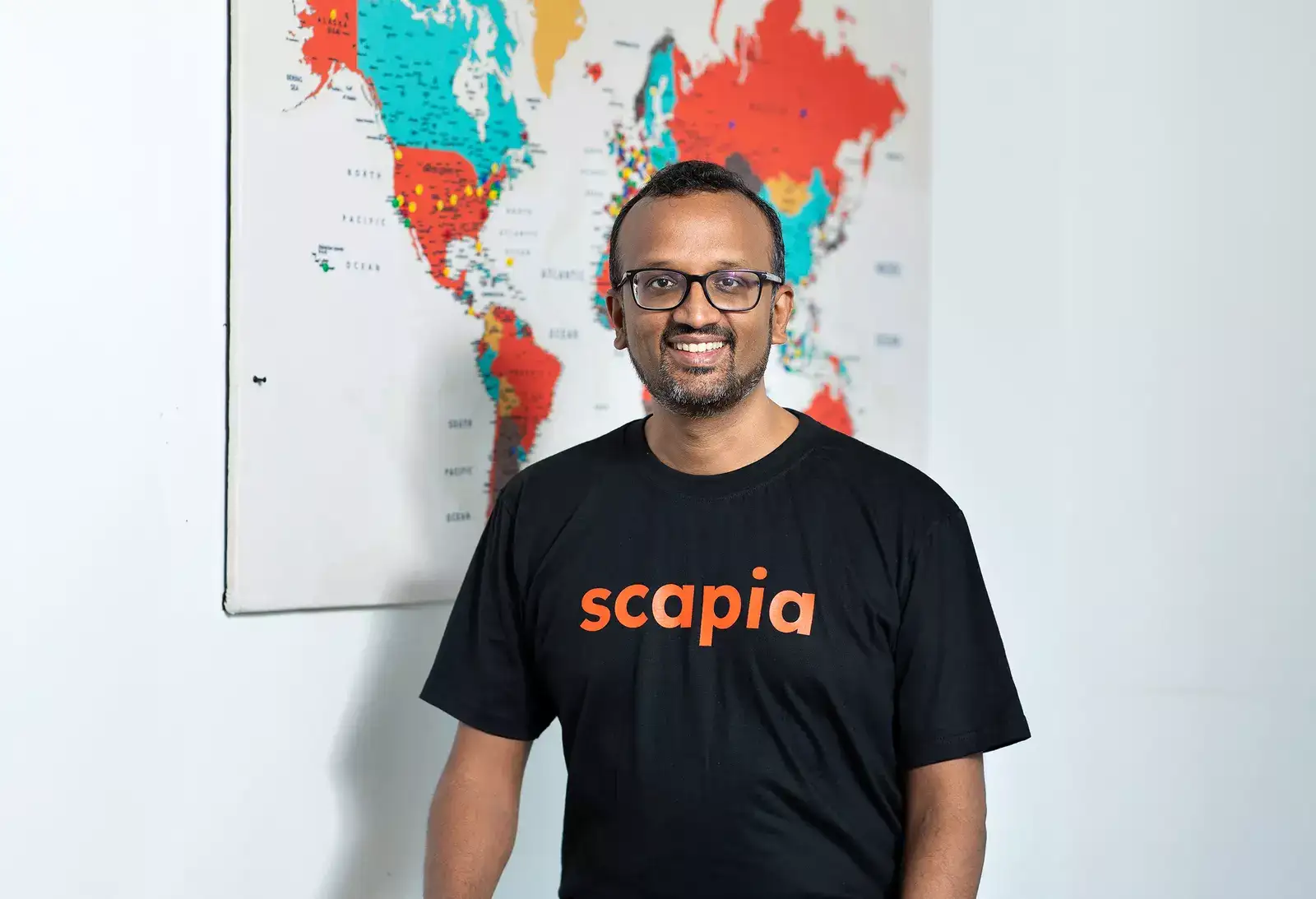 Anil Goteti, CEO, Scapia
Travel-focussed fintech startup Scapia has launched a Rs 20 crore employee stock ownership plan (Esop) buyback, allowing eligible employees to sell up to 10% of their vested options.
The company, however, did not disclose how many employees are eligible, the buyback price, whether former employees are included, or the timeline for completing the programme.
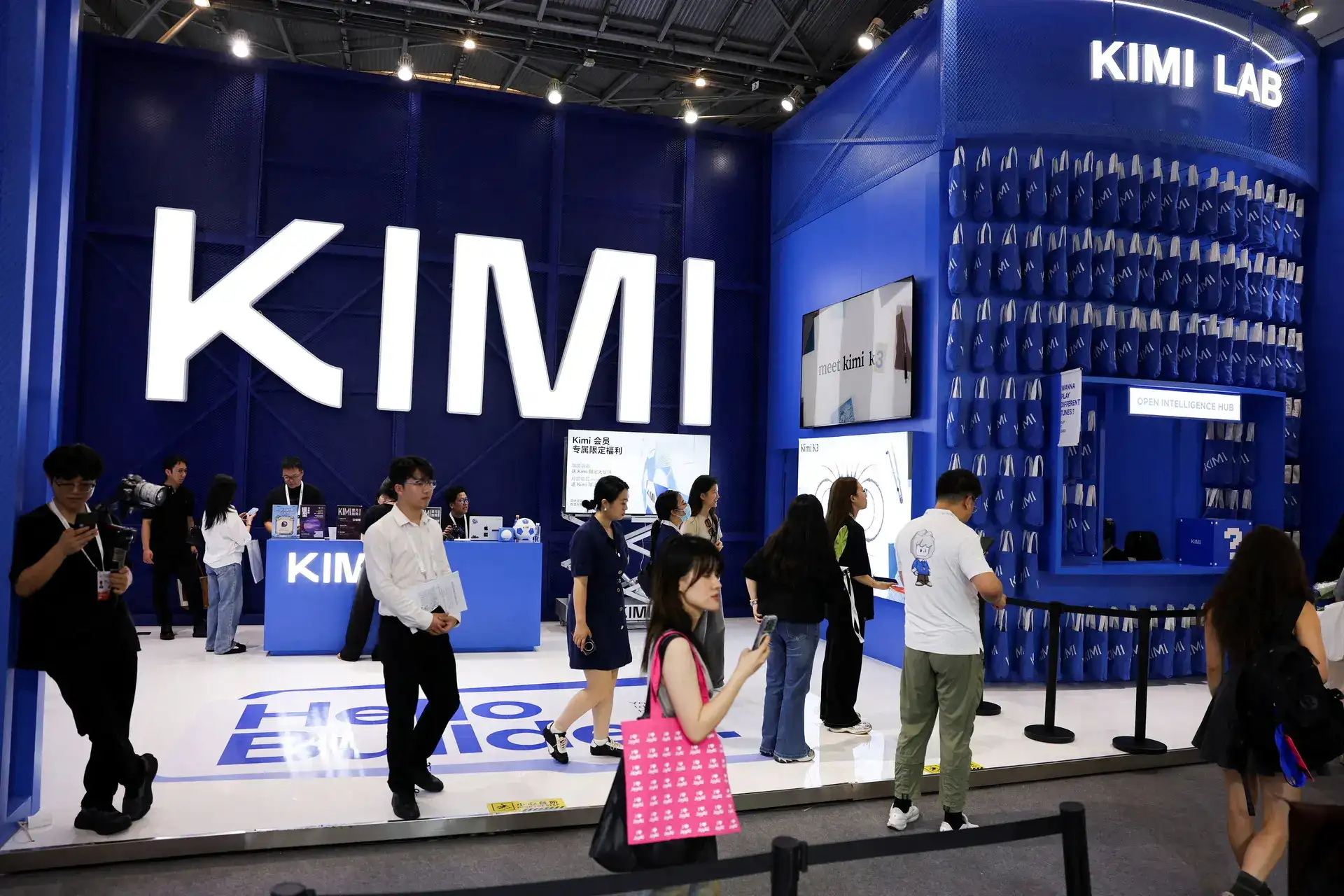
Chinese artificial intelligence (AI) startup Moonshot AI has paused new subscriptions for its latest AI model, Kimi K3, just days after its launch.
Why the move? In a post on its official X account, Kimi AI said demand over the past 48 hours had pushed its computing capacity close to its limits.
The company said it is temporarily stopping new subscriptions to prioritise computing resources for existing users. It added that capacity is being expanded and subscriptions will reopen in phases.
About the model: Moonshot AI launched Kimi K3 on July 17, calling it the world's largest open-weight AI model with 2.8 trillion parameters.
Rival models: This comes as Chinese AI firms compete to build larger foundation models.
Also Read: China's Kimi K3 emerges as a low-cost rival to Anthropic's Fable 5
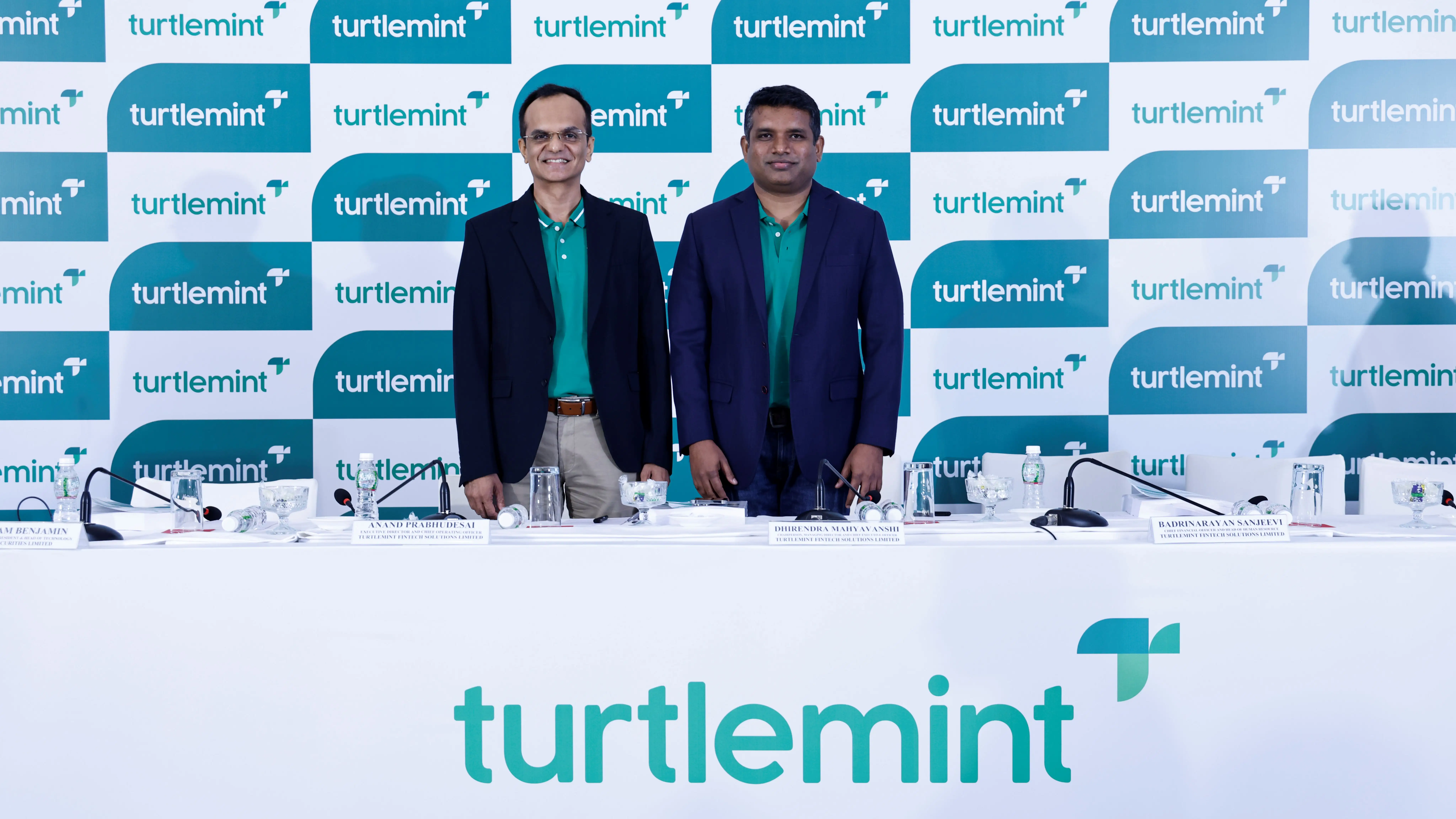 (L-R) Anand Prabhudesai and Dhirendra Mahyavanshi, founders, Turtlemint
Insurance distribution platform Turtlemint expects to achieve full-year profitability in FY27, supported by higher renewals and improved operating efficiency.
Financials:
Earnings outlook: Chief executive Dhirendra Mahyavanshi said the company achieved adjusted Ebitda (earnings before interest, taxes, depreciation, and amortisation) profitability, excluding Esop costs, for the first time.
He said that besides the deferred tax credit, the March-quarter profit was also supported by seasonal demand, and added that the core business was steadily moving towards sustainable profitability.
Growth drivers: The company's expanding renewal business is helping improve margins, as renewing existing customers costs much less than acquiring new ones.
Mahyavanshi said AI is being used to automate renewals, helping improve customer retention while reducing servicing costs.
Also in the letter:
■ Fresh fuel for RVAG
■ Kimi K3 pauses new signups
■ Turtlemint eyes full-year profit
Seoul Semiconductor eyes India entry; in talks with Tamil Nadu, Karnataka, Gujarat
South Korea's Seoul Semiconductor is exploring plans to set up a manufacturing facility in India and is in discussions with the governments of Tamil Nadu, Karnataka, and Gujarat, people aware of the matter told us.
Driving the news: The global optoelectronics company is considering applying for incentives under the $13-billion India Semiconductor Mission (ISM) 2.0. It currently has manufacturing operations in South Korea, China, and Vietnam.
Tell me more: Sources said the company is keen to use the scheme to establish its first base in India, likely beginning with a packaging unit before expanding further.
Under ISM 2.0, Seoul Semiconductor could qualify for up to 35% incentives for an LED wafer fabrication plant or advanced packaging, and 25% for conventional packaging. The final eligibility will be clarified once the mission rules are notified.
Also Read: ISM 2.0 puts India's chip supply chain in spotlight
Analyst take: Analysts said India is becoming an attractive market for companies such as Seoul Semiconductor, driven by strong growth in the automotive sector, both in electric and internal combustion engine vehicles.
They added that smart cities, commercial real estate projects, and the agriculture sector could also create significant demand for the company's products.
Also Read: Global chip trophy: How India keeps its eyes on the ball
VCs turn attention to single-specialty healthcare
Venture capital (VC) firms are increasing bets on India's single-specialty healthcare startups, attracted by lower costs and higher-margin businesses.
What's happening? The segment is gaining pace, with startups building specialised clinics in oncology, nephrology, diabetes, ophthalmology, and other fields. While chains such as Indira IVF have existed for over a decade, venture-backed companies are now expanding the model.
Traditional private equity firms have largely focussed on mature healthcare businesses with stable cash flows.
Recent deals:
- Everhope Oncology: $10 million from Narayana Health and W Health Ventures.
- MOC Cancer Care & Research Centre:$18 million from Elevation Capital.
- Oncare: Nearly $3 million from Huddle Ventures.
- VitusCare: Raised $2.7 million two years ago and is now seeking a larger round.
The market: A Bessemer Venture Partners report projects the market will grow from $4.4 billion in 2025 to $12.3 billion by 2030. It is expected to expand about 22% annually, more than double the growth rate of the broader healthcare market.
Quote, unquote: "A focussed model strips away complexity, lowers infrastructure costs and allows providers to optimise around one clinical area instead of trying to be everything to everyone," said Pankaj Jethwani, managing partner at W Health Ventures.
Norwest, Skegen lead $40 million in Raghu Vamsi Aerospace
Hyderabad-based aerospace and defence company Raghu Vamsi Aerospace Group (RVAG) has raised $40 million (around Rs 400 crore) in a funding round led by Norwest and Skegen Asset Management.
More on the round: The funding round also included Indus Bridge Ventures, GJNX Ventures and investor Ashish Kacholia.
The company will use the capital to expand manufacturing in India, the UK and the US, build its integrated manufacturing campus at Hardware Park near Hyderabad International Airport, and grow its mission systems and deeptech businesses.
About the company: Founded in 1992, RVAG makes precision aero-engine components and sub-assemblies for global aerospace original equipment manufacturers (OEMs), including GE Aerospace, Collins Aerospace, Honeywell and Safran.
Scapia announces Rs 20 crore Esop buyback
Travel-focussed fintech startup Scapia has launched a Rs 20 crore employee stock ownership plan (Esop) buyback, allowing eligible employees to sell up to 10% of their vested options.
The company, however, did not disclose how many employees are eligible, the buyback price, whether former employees are included, or the timeline for completing the programme.
ETtech Explainer: Why Moonshot AI paused Kimi K3 subscriptions within days of launch
Chinese artificial intelligence (AI) startup Moonshot AI has paused new subscriptions for its latest AI model, Kimi K3, just days after its launch.
Why the move? In a post on its official X account, Kimi AI said demand over the past 48 hours had pushed its computing capacity close to its limits.
The company said it is temporarily stopping new subscriptions to prioritise computing resources for existing users. It added that capacity is being expanded and subscriptions will reopen in phases.
About the model: Moonshot AI launched Kimi K3 on July 17, calling it the world's largest open-weight AI model with 2.8 trillion parameters.
Rival models: This comes as Chinese AI firms compete to build larger foundation models.
- Reuters reported last week that MiniMax is developing a 2.7 trillion-parameter model, which could be released as early as the third quarter of 2026.
- Alibaba introduced its 2.4 trillion-parameter foundation model, Qwen3.8-Max-Preview, on July 20 ahead of its planned open-weight release.
Also Read: China's Kimi K3 emerges as a low-cost rival to Anthropic's Fable 5
Turtlemint eyes profitable FY27 as renewal book grows
Insurance distribution platform Turtlemint expects to achieve full-year profitability in FY27, supported by higher renewals and improved operating efficiency.
Financials:
- Operating revenue: Rose 42% year-on-year (YoY) to Rs 357.2 crore in Q4FY26 from Rs 251.6 crore in the year-ago period, driven by higher insurance premiums.
- Net profit: Rs 3.1 crore vs a Rs 39.4 crore loss last year, helped by a Rs 8.3 crore deferred tax credit.
Earnings outlook: Chief executive Dhirendra Mahyavanshi said the company achieved adjusted Ebitda (earnings before interest, taxes, depreciation, and amortisation) profitability, excluding Esop costs, for the first time.
He said that besides the deferred tax credit, the March-quarter profit was also supported by seasonal demand, and added that the core business was steadily moving towards sustainable profitability.
Growth drivers: The company's expanding renewal business is helping improve margins, as renewing existing customers costs much less than acquiring new ones.
Mahyavanshi said AI is being used to automate renewals, helping improve customer retention while reducing servicing costs.
Want this newsletter delivered to your inbox?
I agree to receive newsletters and marketing communications via e-mail