
 Daily Top 5 Daily Top 5 |
Zepto may downsize IPO; Tata's legacy chip bet
Want this newsletter delivered to your inbox?
I agree to receive newsletters and marketing communications via e-mail

Thank you for subscribing to Daily Top 5
We'll soon meet in your inbox.
Zepto is considering slashing the size of its public issue amid pushback from domestic investors. This and more in today’s ETtech Top 5.
Also in the letter:
■ TechM results push IT stocks up
■ Neo Group raises funds
■ AI resets manager’s role
 Aadit Palicha, CEO, Zepto
Quick commerce firm Zepto may reduce the size of its initial public offering (IPO) by around 20% as capital market investors push back over the company’s valuation, sources told us.
Driving the news:
Investors’ stance: People familiar with the matter said domestic mutual funds are pushing for "rationalised pricing". Amid market volatility and Zepto's mounting cash burn, they are seeking a correction in the company's valuation.
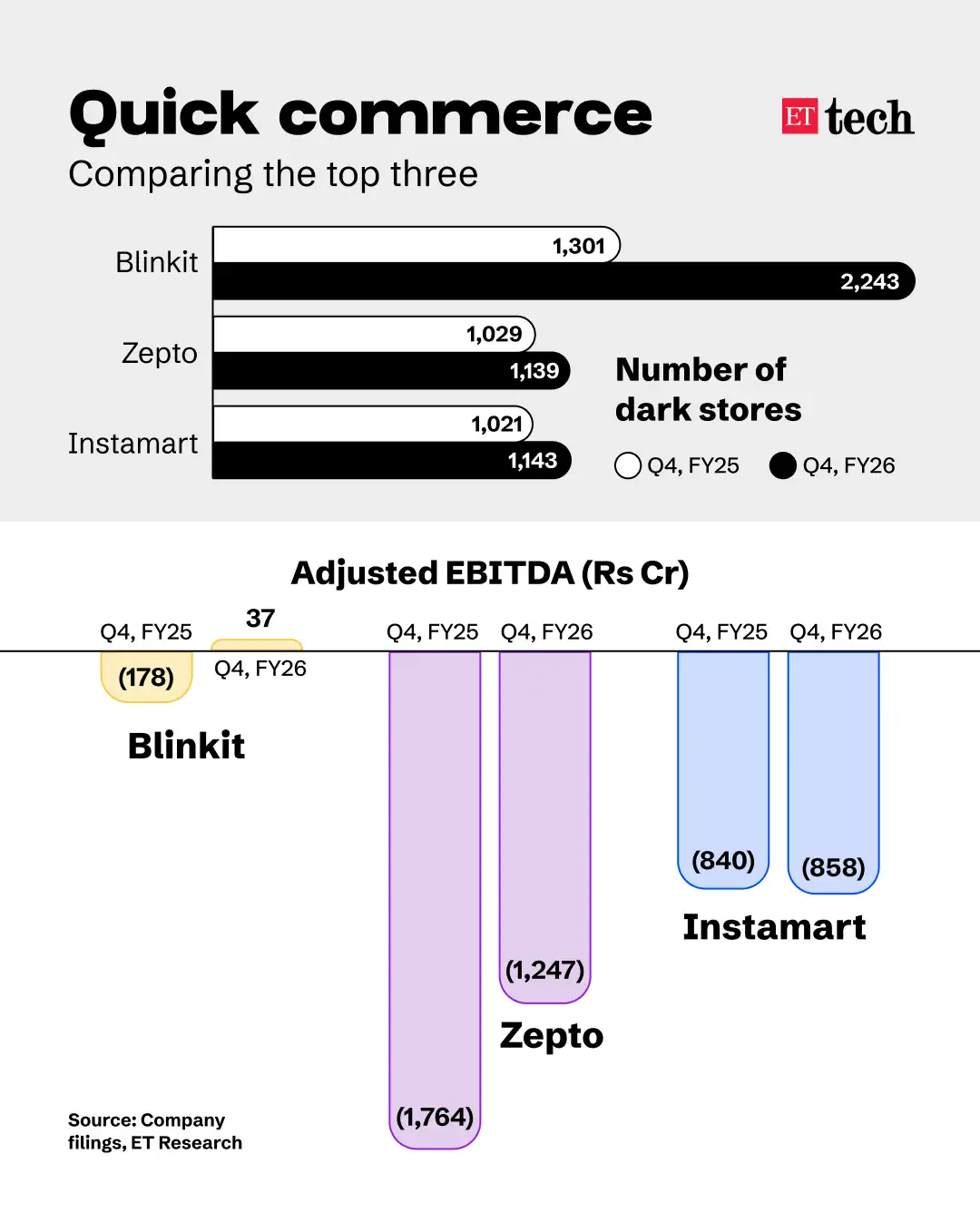
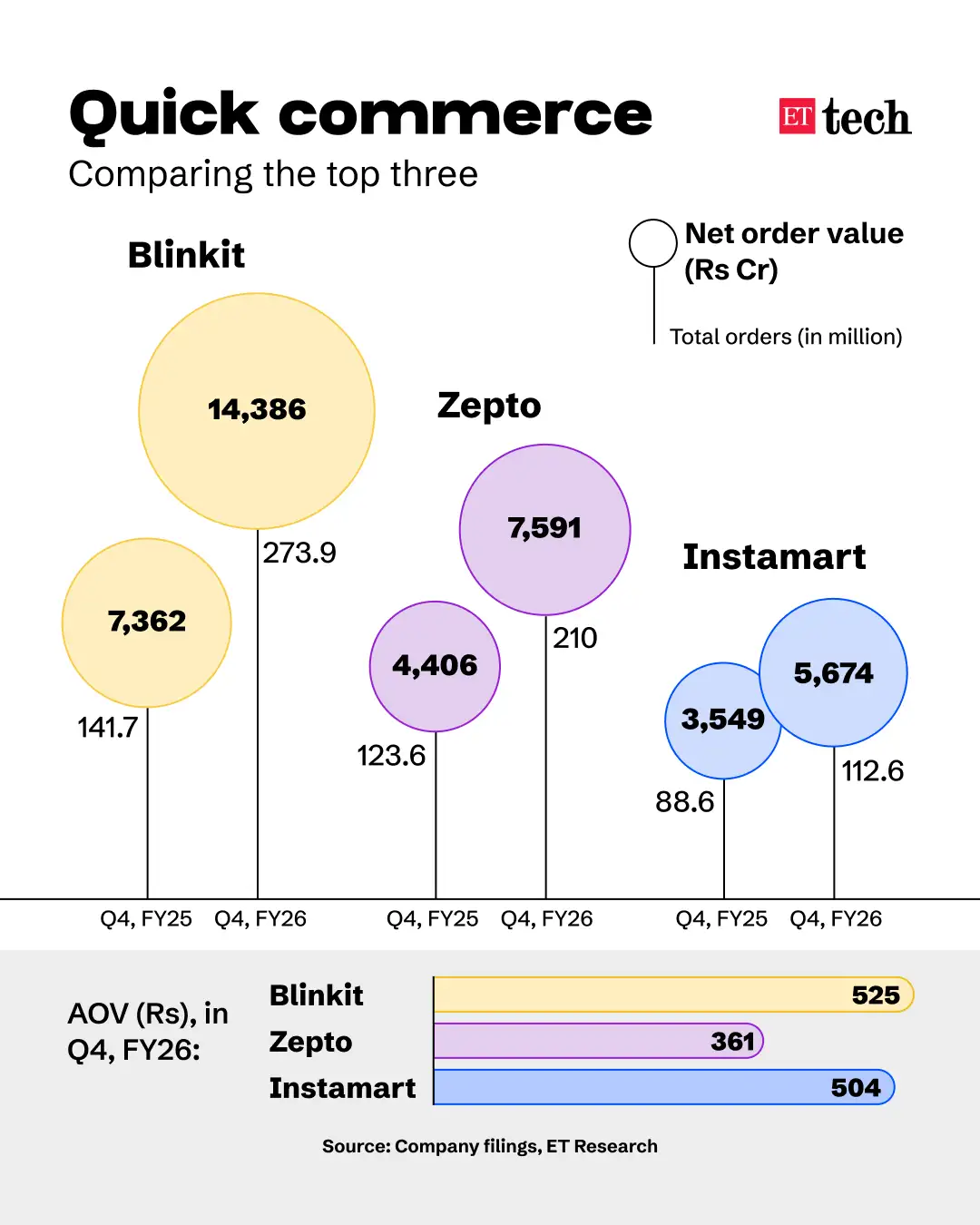
Setting context: Zepto is raising fresh cash as the rapid delivery race in India intensifies. The standalone quick commerce company trails only Eternal-owned Blinkit in order volumes. Analysts and industry watchers have flagged its aggressive pricing strategy as coming at the expense of monetisation.
In FY26, Zepto reported an adjusted Ebitda loss of about Rs 5,000 crore, compared to Blinkit’s Rs 277 crore and Swiggy Instamart’s Rs 3,500 crore.
Also Read: Zepto’s ops structure sparks regulatory fear ahead of IPO
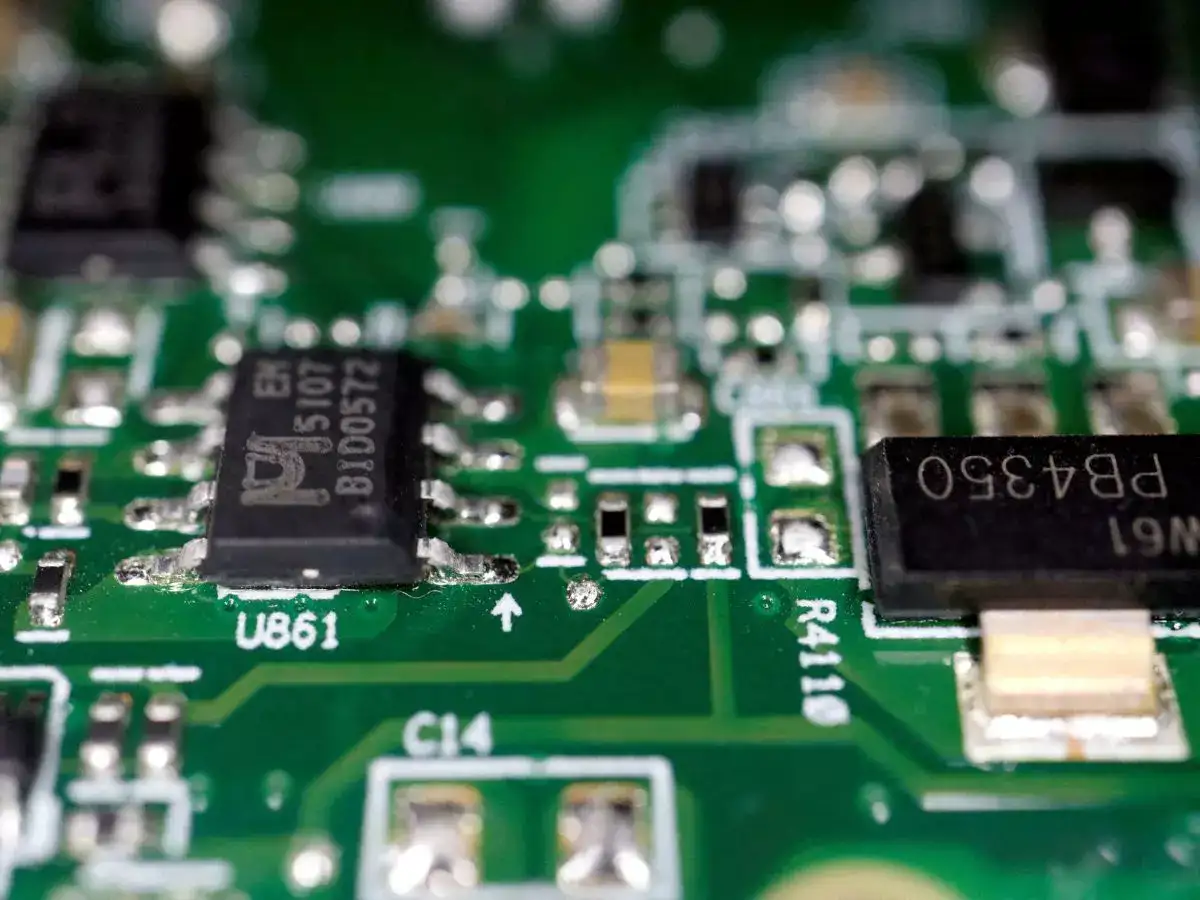
Tata Electronics’ semiconductor fab in Dholera is preparing to make India’s first semiconductor wafers on far older technology than it originally expected, Bloomberg reported.
What’s happening: The company will lean heavily on 90 and 55 nm chips before moving up to the more recent 28 nm variant. The former is used in lower-end industrial applications and cars, and could soon become obsolete.
Tata, partnering with Taiwan’s Powerchip Semiconductor Manufacturing, still plans to offer a 28–110 nm range, with 28 nm described as a “key part” of its future portfolio. The plan “was always to start with 55 and 90 nm, followed by 28 nm,” a company spokesperson said.
Yes, but: The 28 nm node was touted by parent Tata Sons as the starting point of its chipmaking journey in its annual report for the year ended March 2025.
However, sources said Tata’s public ambitions might have overstated the reality of what can be achieved in the near term.
Why this matters: This highlights the steep learning curve facing the country’s nascent chip industry. Just days ago, the government gave a $13-billion boost to the semiconductor ecosystem, with the launch of ISM (India Semiconductor Mission) 2.0.
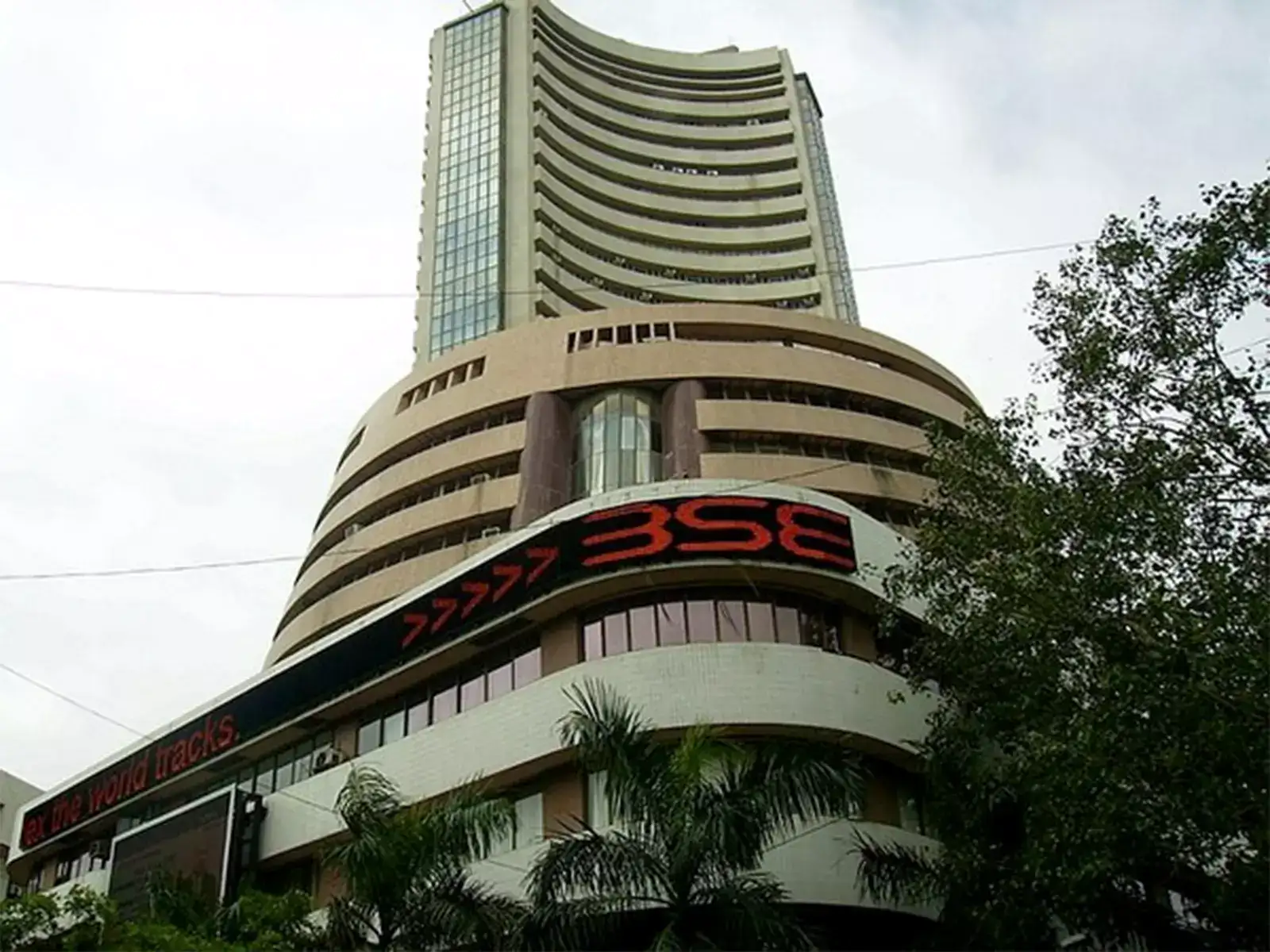
A robust Q1 report by Tech Mahindra triggered a rally in its own stock and also the shares of other IT majors including Infosys, TCS, and HCLTech.
Up and up:
Reverse effect: Midcap firms Persistent Systems and Coforge declined about 1-2% each. Wipro, which reported earnings alongside Tech Mahindra on Thursday, fell about 3% after its weak Q1 performance.
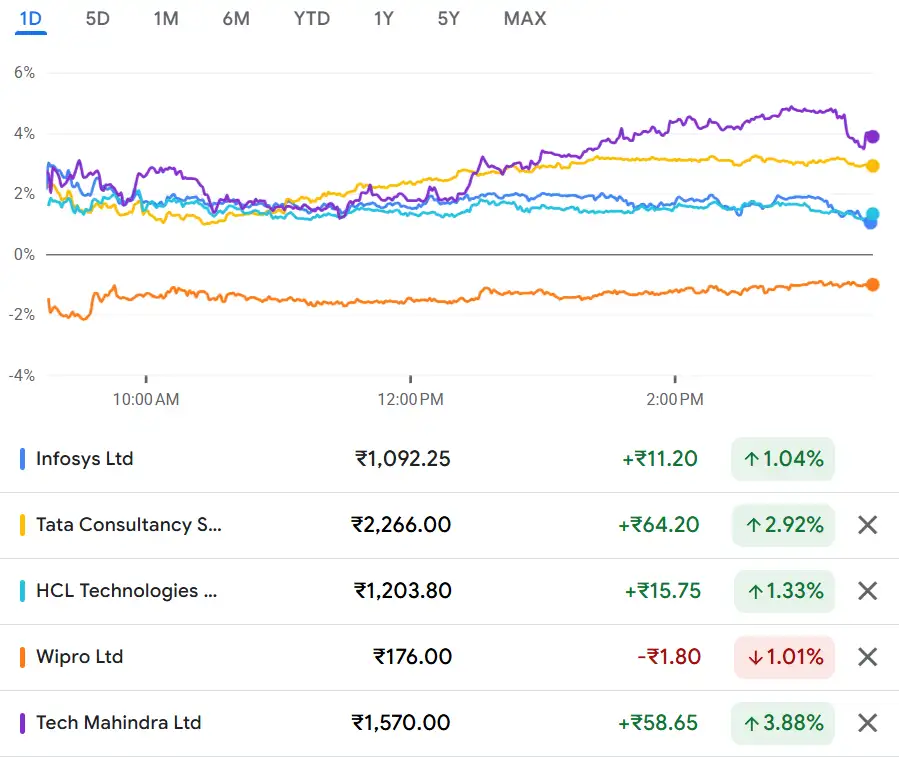 Source: Google Finance
Why the rally: Brokerages lauded Tech Mahindra’s Q1 results as it beat expectations. The Mahindra Group’s IT subsidiary saw its net profit zoom 28.4% year-on-year and 8.2% sequentially to Rs 1,465 crore, aided by lower expenses and strong performance in several of its business segments.
The IT stocks were also buoyed due to HCLTech’s new seven-year agreement with The Guardian Life Insurance Company of America.
 L-R: Nitin Jain, Shajikumar Devakar, Puneet Jain, Varun Bajpai and Hemant Daga of Neo Group
Neo Group has signed agreements to raise about Rs 350 crore ($36.3 million) in a round led by existing investor Peak XV Partners.
Deal details:
Fund use: The Mumbai-based wealth and asset manager plans to use the funds to hire more talent, upgrade technology, and expand its product suite and presence across India, targeting India’s fast-growing affluent segment.
Tell me more: Neo advises wealthy individuals, family offices, institutions, and companies on investments, insurance, and estate planning. It advises on or manages about Rs 1.3 lakh crore worth of client assets, up from roughly Rs 1 lakh crore in March, of which around Rs 50,000 crore generates recurring fee income.

Artificial intelligence may be automating routine middle-management tasks, but companies say managers are now more critical than ever in making the technology work.
Managers as changemakers: Organisations are focusing on AI-ready workforces, not just AI specialists.
For instance:
Also in the letter:
■ TechM results push IT stocks up
■ Neo Group raises funds
■ AI resets manager’s role
Zepto may cut IPO size by 20%; investor bids peg valuation at $3.5-4 billion: sources
Quick commerce firm Zepto may reduce the size of its initial public offering (IPO) by around 20% as capital market investors push back over the company’s valuation, sources told us.
Driving the news:
- The company will raise around $650-700 million in fresh capital, as against the $850 million originally planned.
- The valuation is likely to be $3.5-4 billion, nearly half the last private round valuation of $7 billion.
- Zepto will announce the price band in the coming 7-8 days. It filed for an IPO confidentially in December 2025 and filed updated papers in June.
Investors’ stance: People familiar with the matter said domestic mutual funds are pushing for "rationalised pricing". Amid market volatility and Zepto's mounting cash burn, they are seeking a correction in the company's valuation.
Setting context: Zepto is raising fresh cash as the rapid delivery race in India intensifies. The standalone quick commerce company trails only Eternal-owned Blinkit in order volumes. Analysts and industry watchers have flagged its aggressive pricing strategy as coming at the expense of monetisation.
In FY26, Zepto reported an adjusted Ebitda loss of about Rs 5,000 crore, compared to Blinkit’s Rs 277 crore and Swiggy Instamart’s Rs 3,500 crore.
Also Read: Zepto’s ops structure sparks regulatory fear ahead of IPO
Tata Group settles for older tech to launch its chip foray
Tata Electronics’ semiconductor fab in Dholera is preparing to make India’s first semiconductor wafers on far older technology than it originally expected, Bloomberg reported.
What’s happening: The company will lean heavily on 90 and 55 nm chips before moving up to the more recent 28 nm variant. The former is used in lower-end industrial applications and cars, and could soon become obsolete.
Tata, partnering with Taiwan’s Powerchip Semiconductor Manufacturing, still plans to offer a 28–110 nm range, with 28 nm described as a “key part” of its future portfolio. The plan “was always to start with 55 and 90 nm, followed by 28 nm,” a company spokesperson said.
Yes, but: The 28 nm node was touted by parent Tata Sons as the starting point of its chipmaking journey in its annual report for the year ended March 2025.
However, sources said Tata’s public ambitions might have overstated the reality of what can be achieved in the near term.
Why this matters: This highlights the steep learning curve facing the country’s nascent chip industry. Just days ago, the government gave a $13-billion boost to the semiconductor ecosystem, with the launch of ISM (India Semiconductor Mission) 2.0.
Why Infosys, TCS, HCLTech & other IT stocks are rallying
A robust Q1 report by Tech Mahindra triggered a rally in its own stock and also the shares of other IT majors including Infosys, TCS, and HCLTech.
Up and up:
- Tech Mahindra advanced 3.4% to Rs 1,563 intraday, finally closing about 4% higher on Friday.
- Infosys rose 3.3% intraday, but closed about 1.5% up at the end of the trading session.
- HCLTech climbed 3% during the day; it finally closed about 1.3% higher.
- TCS gained 2.5% to touch an intraday high of Rs 2,256. It closed at Rs 2,268, about 3% higher.
Reverse effect: Midcap firms Persistent Systems and Coforge declined about 1-2% each. Wipro, which reported earnings alongside Tech Mahindra on Thursday, fell about 3% after its weak Q1 performance.
Why the rally: Brokerages lauded Tech Mahindra’s Q1 results as it beat expectations. The Mahindra Group’s IT subsidiary saw its net profit zoom 28.4% year-on-year and 8.2% sequentially to Rs 1,465 crore, aided by lower expenses and strong performance in several of its business segments.
The IT stocks were also buoyed due to HCLTech’s new seven-year agreement with The Guardian Life Insurance Company of America.
Peak XV leads Rs 350 crore round in wealth manager Neo Group
Neo Group has signed agreements to raise about Rs 350 crore ($36.3 million) in a round led by existing investor Peak XV Partners.
Deal details:
- Neo did not disclose the valuation nor the investment split among participants.
- The transaction is expected to close shortly.
- The funding follows a Rs 550-crore investment by private equity firm TVS Capital in March. Once closed, the two transactions will total Rs 900 crore.
Fund use: The Mumbai-based wealth and asset manager plans to use the funds to hire more talent, upgrade technology, and expand its product suite and presence across India, targeting India’s fast-growing affluent segment.
Tell me more: Neo advises wealthy individuals, family offices, institutions, and companies on investments, insurance, and estate planning. It advises on or manages about Rs 1.3 lakh crore worth of client assets, up from roughly Rs 1 lakh crore in March, of which around Rs 50,000 crore generates recurring fee income.
Role Reset: Managers emerge as the new middleware driving AI adoption
Artificial intelligence may be automating routine middle-management tasks, but companies say managers are now more critical than ever in making the technology work.
Managers as changemakers: Organisations are focusing on AI-ready workforces, not just AI specialists.
- Managers are being asked to help teams embrace new tools, integrate AI into daily workflows, and build the skills to work alongside intelligent systems.
- With organisations likely to become flatter, managers are expected to supervise larger teams while combining people leadership with individual contribution and AI adoption.
For instance:
- At Axis Bank and Flipkart, AI adoption is treated as a leadership responsibility, measured across the organisation.
- HR leaders at Kotak Life and Ericsson describe the “manager of the future” as a coach and enabler, not a controller.
Want this newsletter delivered to your inbox?
I agree to receive newsletters and marketing communications via e-mail