
 Daily Top 5 Daily Top 5 |
TCS-OpenAI deal takes shape; Paytm's AI bet
Want this newsletter delivered to your inbox?
I agree to receive newsletters and marketing communications via e-mail

Thank you for subscribing to Daily Top 5
We'll soon meet in your inbox.
TCS has secured land in Vizag and Pune that could host OpenAI's first data centres in India. This and more in today's ETtech Top 5.
Also in the letter:
■ Qcomm seeks bigger margins
■ Ather wraps up QIP
■ AI enters campuses
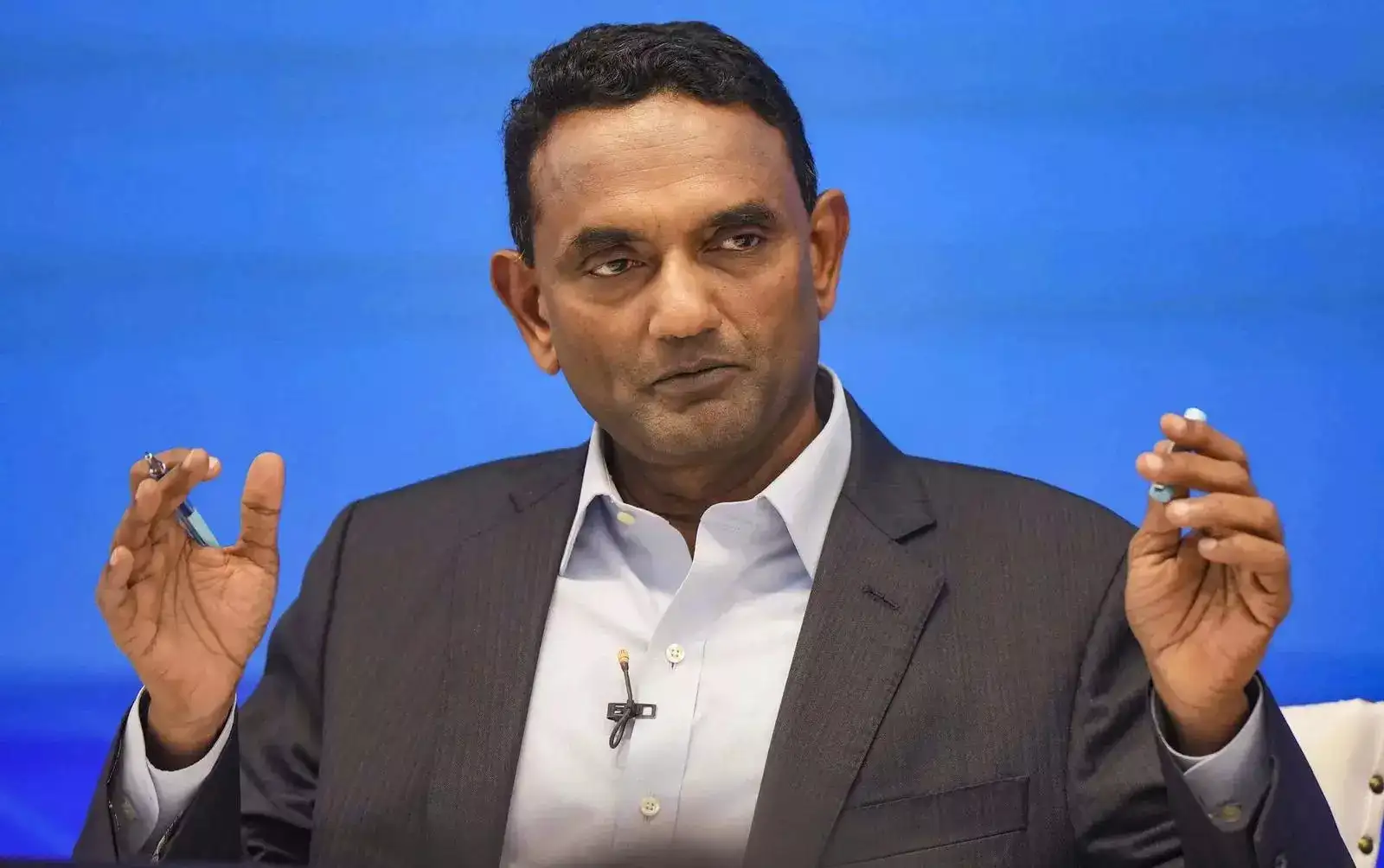 K Krithivasan, CEO, TCS
Tata Consultancy Services (TCS) has acquired land in Vizag and Pune, which could house the first OpenAI data centres in India, people aware of the matter told us.
What's happening?
Last week, chief executive K Krithivasan said the company was in advanced talks with a couple of hyperscalers and expects to sign letters of intent with one or two of them this quarter.
Also Read: TCS' annualised AI revenue rises to $2.6 billion in Q1
Tell me more:
India's AI spending is projected to grow at a 39% CAGR (compound annual growth rate) between 2025 and 2030, crossing $20 billion by 2030, according to IDC estimates.
Also Read: Data centres, AI infra become IT's next growth bet
 Vijay Shekhar Sharma, CEO, Paytm
Following its June-quarter results, digital payments company Paytm plans to monetise from its artificial intelligence (AI) tools within the next year by selling them to merchants and enterprises.
AI revenue:
Financials:
In other news: The board dropped the proposed bonus issue, while also approving an investment of up to Rs 100 crore in Paytm Money. Sharma said the company will step up its equity broking, mutual fund and margin trading businesses over the next four quarters.
Paytm shares closed down 3.9% at Rs 1,295.5 on the NSE on Tuesday.
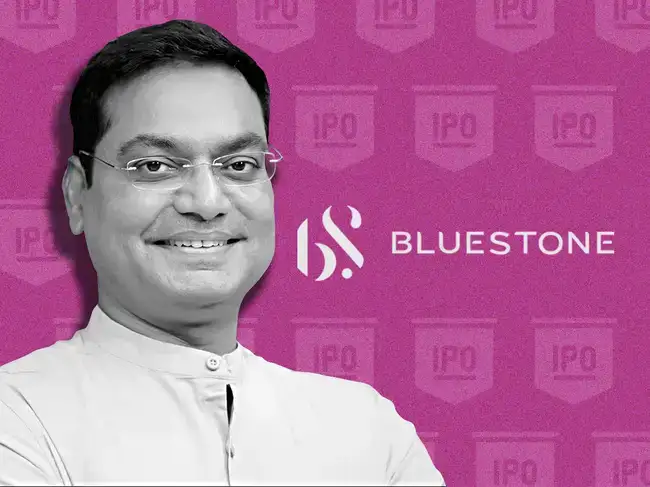 Gaurav Singh Kushwaha, CEO, BlueStone
Omnichannel jewellery retailer BlueStone is doubling down on its strategy to increase margins through its company-owned and company-operated (COCO) stores and in-house manufacturing capabilities to drive growth, founder and CEO Gaurav Singh Kushwaha told us.
Expansion plans: BlueStone plans to reach 700-800 stores and Rs 12,000 crore in revenue in the next four years. Its store count stood at 352 at the end of June, up from 340 stores at the end of FY26.
Stock performance: Its shares hit 20% upper circuit limit at Rs 732.45 on Tuesday on NSE after it posted its third consecutive quarter of net profit.
Also Read: BlueStone reports Rs 6 crore net profit in Q1, revenue up 70% YoY to Rs 737 crore

Quick commerce platforms are seeking higher margins, bigger marketing spends, and auction-style bidding for better product visibility, industry executives told us.
The sector:
Also Read: FIFA World Cup final drives online sales for D2C brands and restaurants
New developments:
Qcomm's growth: Earlier, only firms such as D'Mart and Reliance Retail had the scale to demand better margins and trade terms, while ecommerce never did. But now, for many brands, quick commerce rivals modern trade and is the preferred channel for premium products and new launches.
Also Read: Quick commerce platforms gear up for gourmet grocery war
 (L-R) Swapnil Jain and Tarun Mehta, cofounders, Ather Energy
Electric two-wheeler maker Ather Energy has raised around Rs 1,300 crore through a qualified institutional placement (QIP), according to a stock exchange filing.
Funding details:
What else? Ather is also raising Rs 1,200 crore through a preferential allotment from existing investors, taking the total fundraise to Rs 2,500 crore. Hero MotoCorp will invest Rs 960 crore, the India-Japan Fund (IJF) Rs 200 crore, while founders Tarun Mehta and Swapnil Jain will invest Rs 20 crore each.
Also Read: Ather Energy quarterly revenue goes past Rs 1,000 crore in Q4, riding on family scooter Rizta

Edtech companies are expanding into colleges, offering AI and technology courses as part of degree programmes, as AI changes entry-level hiring.
Campus entry:
Zoom out: Colleges are adding such programmes as employers seek specialised skills over traditional entry-level technology talent.
ET reported in May that entry-level hiring in India's technology sector fell to about 15% in 2025, from 28% in 2024, while emerging technology roles made up nearly 52% of hiring demand.
Also in the letter:
■ Qcomm seeks bigger margins
■ Ather wraps up QIP
■ AI enters campuses
TCS acquires land in Vizag, Pune for OpenAI data centres
Tata Consultancy Services (TCS) has acquired land in Vizag and Pune, which could house the first OpenAI data centres in India, people aware of the matter told us.
What's happening?
- Vizag: The Andhra Pradesh government has allotted 200 acres to TCS in Anakapalli district, close to where Google is building its one gigawatt (GW) hyperscale data centre.
- Pune: TCS has bought an 88-acre plot in Bopkhel from Hemisphere Properties for Rs 640.50 crore. Shareholders approved the sale on June 30.
Last week, chief executive K Krithivasan said the company was in advanced talks with a couple of hyperscalers and expects to sign letters of intent with one or two of them this quarter.
Also Read: TCS' annualised AI revenue rises to $2.6 billion in Q1
Tell me more:
- The Tata-OpenAI partnership is the third collaboration between a global AI company and an Indian firm, after the Google-Adani and Meta-Reliance alliances.
- TCS is also entering the fast-growing data centre market, where it will compete with rival IT firms such as HCLTech, Cognizant, and Accenture.
India's AI spending is projected to grow at a 39% CAGR (compound annual growth rate) between 2025 and 2030, crossing $20 billion by 2030, according to IDC estimates.
Also Read: Data centres, AI infra become IT's next growth bet
Paytm to monetise in-house AI tools, sharpen wealth push
Following its June-quarter results, digital payments company Paytm plans to monetise from its artificial intelligence (AI) tools within the next year by selling them to merchants and enterprises.
AI revenue:
- Chief executive Vijay Shekhar Sharma said some AI products are already generating a few lakh rupees in revenue.
- The company is building AI tools for merchant acquisition, customer service, engagement, collections and retention for businesses.
- Paytm has fine-tuned open-source models and runs them on its own infrastructure to cut computing and customer support costs.
- Revenue from these tools will be reported under its commerce and cloud business.
Financials:
- Net profit: Rose 79% year-on-year (YoY) to Rs 220 crore.
- Operating revenue: Grew to Rs 2,448 crore.
In other news: The board dropped the proposed bonus issue, while also approving an investment of up to Rs 100 crore in Paytm Money. Sharma said the company will step up its equity broking, mutual fund and margin trading businesses over the next four quarters.
Paytm shares closed down 3.9% at Rs 1,295.5 on the NSE on Tuesday.
BlueStone looks at store expansion, in-house manufacturing to drive growth
Omnichannel jewellery retailer BlueStone is doubling down on its strategy to increase margins through its company-owned and company-operated (COCO) stores and in-house manufacturing capabilities to drive growth, founder and CEO Gaurav Singh Kushwaha told us.
Expansion plans: BlueStone plans to reach 700-800 stores and Rs 12,000 crore in revenue in the next four years. Its store count stood at 352 at the end of June, up from 340 stores at the end of FY26.
Stock performance: Its shares hit 20% upper circuit limit at Rs 732.45 on Tuesday on NSE after it posted its third consecutive quarter of net profit.
Also Read: BlueStone reports Rs 6 crore net profit in Q1, revenue up 70% YoY to Rs 737 crore
Quick commerce leverages cart clout for higher margins from companies
Quick commerce platforms are seeking higher margins, bigger marketing spends, and auction-style bidding for better product visibility, industry executives told us.
The sector:
- Quick commerce now comprises up to 75% of online sales for some fast-moving consumer goods (FMCG) brands, groceries, and daily essentials.
- Companies said that spending on the channel has risen about 20% on-year, climbing up to 40% during weekends and festivals.
- It also generates better margins through premium products.
Also Read: FIFA World Cup final drives online sales for D2C brands and restaurants
New developments:
- Brands now pay for premium listings, search results, and surrogate searches (where searches for one brand also show rival products).
- Executives said platforms are replacing fixed pricing with informal auction-style bidding.
- AWL Agri Business said quick commerce firms, after years of burning cash to gain market share, are now focussed on improving profitability
Qcomm's growth: Earlier, only firms such as D'Mart and Reliance Retail had the scale to demand better margins and trade terms, while ecommerce never did. But now, for many brands, quick commerce rivals modern trade and is the preferred channel for premium products and new launches.
Also Read: Quick commerce platforms gear up for gourmet grocery war
Ather Energy raises Rs 1,300 crore via QIP, allots shares at Rs 1,202 apiece
Electric two-wheeler maker Ather Energy has raised around Rs 1,300 crore through a qualified institutional placement (QIP), according to a stock exchange filing.
Funding details:
- The company allotted 1,08,15,307 equity shares to institutional investors at Rs 1,202 per.
- The price includes a Rs 1,201 premium over the Re 1 face value and is higher than the floor price of Rs 1,169.70 fixed earlier under Sebi's capital-raising norms.
- ET had reported that the QIP was subscribed more than eight times, drawing bids worth over Rs 10,000 crore from domestic and foreign institutional investors.
What else? Ather is also raising Rs 1,200 crore through a preferential allotment from existing investors, taking the total fundraise to Rs 2,500 crore. Hero MotoCorp will invest Rs 960 crore, the India-Japan Fund (IJF) Rs 200 crore, while founders Tarun Mehta and Swapnil Jain will invest Rs 20 crore each.
Also Read: Ather Energy quarterly revenue goes past Rs 1,000 crore in Q4, riding on family scooter Rizta
Colleges rushing to embed edtech AI modules to get wards job-ready
Edtech companies are expanding into colleges, offering AI and technology courses as part of degree programmes, as AI changes entry-level hiring.
Campus entry:
- Coursera is now used across more than 120 campuses, reaching around one million learners.
- UpGrad has launched credit-bearing Bachelor of Technology programmes with two universities.
- Simplilearn chief executive Krishna Kumar said that the edtech is working with more than 10 colleges, contributing about 30% of its India enterprise business.
- Colleges either offer these as short certificate courses or integrate them into the curriculum as credit-bearing compulsory subjects.
Zoom out: Colleges are adding such programmes as employers seek specialised skills over traditional entry-level technology talent.
ET reported in May that entry-level hiring in India's technology sector fell to about 15% in 2025, from 28% in 2024, while emerging technology roles made up nearly 52% of hiring demand.
Want this newsletter delivered to your inbox?
I agree to receive newsletters and marketing communications via e-mail