
 Daily Top 5 Daily Top 5 |
Inside Oyo’s FY26 profit; Gaming founders seek GST reprieve
Want this newsletter delivered to your inbox?
I agree to receive newsletters and marketing communications via e-mail

Thank you for subscribing to Daily Top 5
We'll soon meet in your inbox.
Oyo parent Prism, which filed its updated IPO papers, reported a strong profit in the April-December period, courtesy of an unlikely source. This and more in today’s ETtech Top 5.
Also in the letter:
■ Persistent CEO on stock rout
■ GPU crunch hits India’s AI
■ NPCI deploys AI to hunt fraud
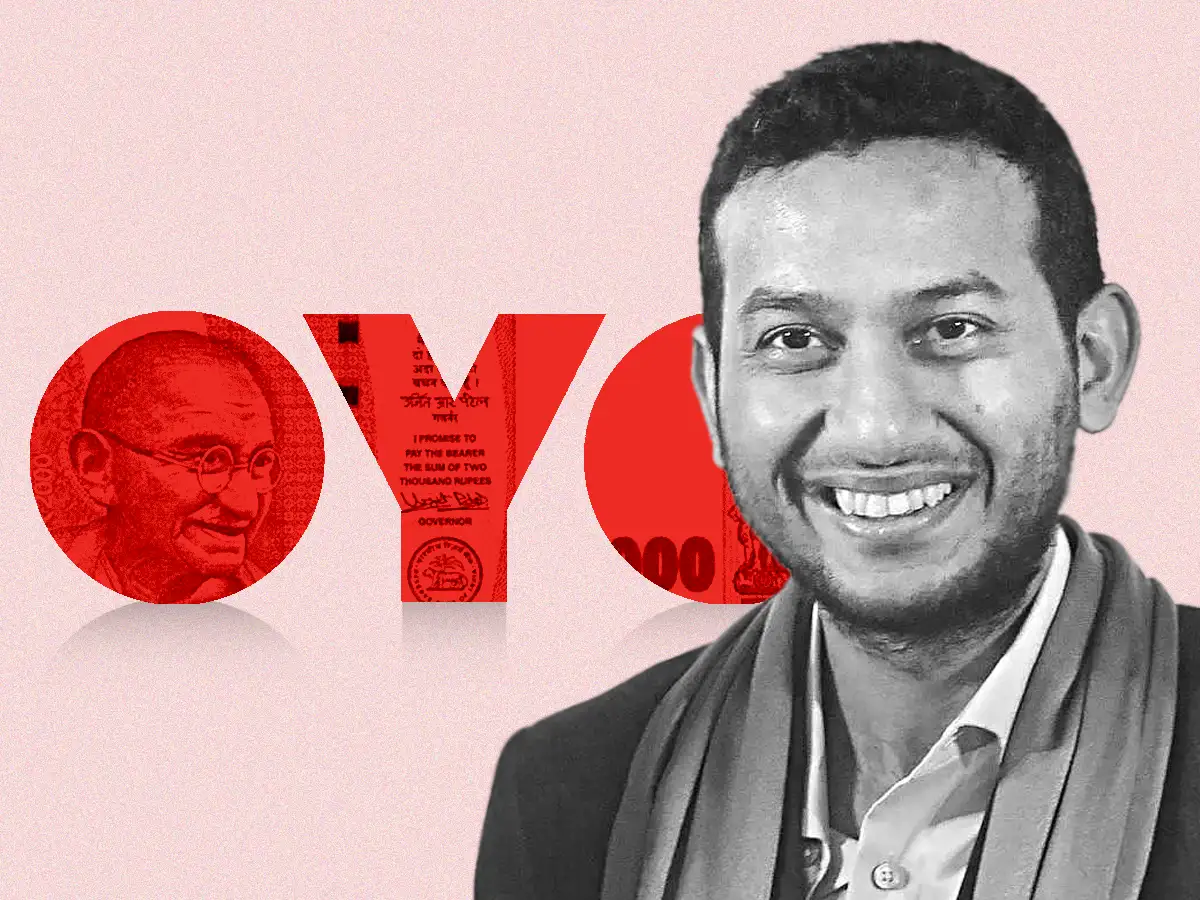 Ritesh Agarwal, CEO, Oyo
Hospitality chain Oyo’s parent, Prism, has reported a profit of Rs 748 crore for the nine months ended Dec 31, 2025, according to the updated draft red herring prospectus-I (UDRHP-I) filed with Sebi for a Rs 6,650 crore initial public offering (IPO).
Driving the profit: The figure is sharply higher than the Rs 245 crore reported in FY25 and the Rs 230 crore reported in FY24. This big swing, from a Rs 1,287 crore loss in FY23, stems largely from a deferred-tax credit rather than a sudden surge in underlying earnings.
Jargon buster: A deferred-tax credit is an accounting entry that reflects the expected use of accumulated losses or other tax assets to offset future taxable income. It boosts reported profit on paper but does not generate cash during the period.
By the numbers: For the nine months ended December 31, 2025, Prism booked a deferred-tax credit of Rs 559 crore. Its profit before tax for the same period stood at Rs 245 crore.
Issue details:
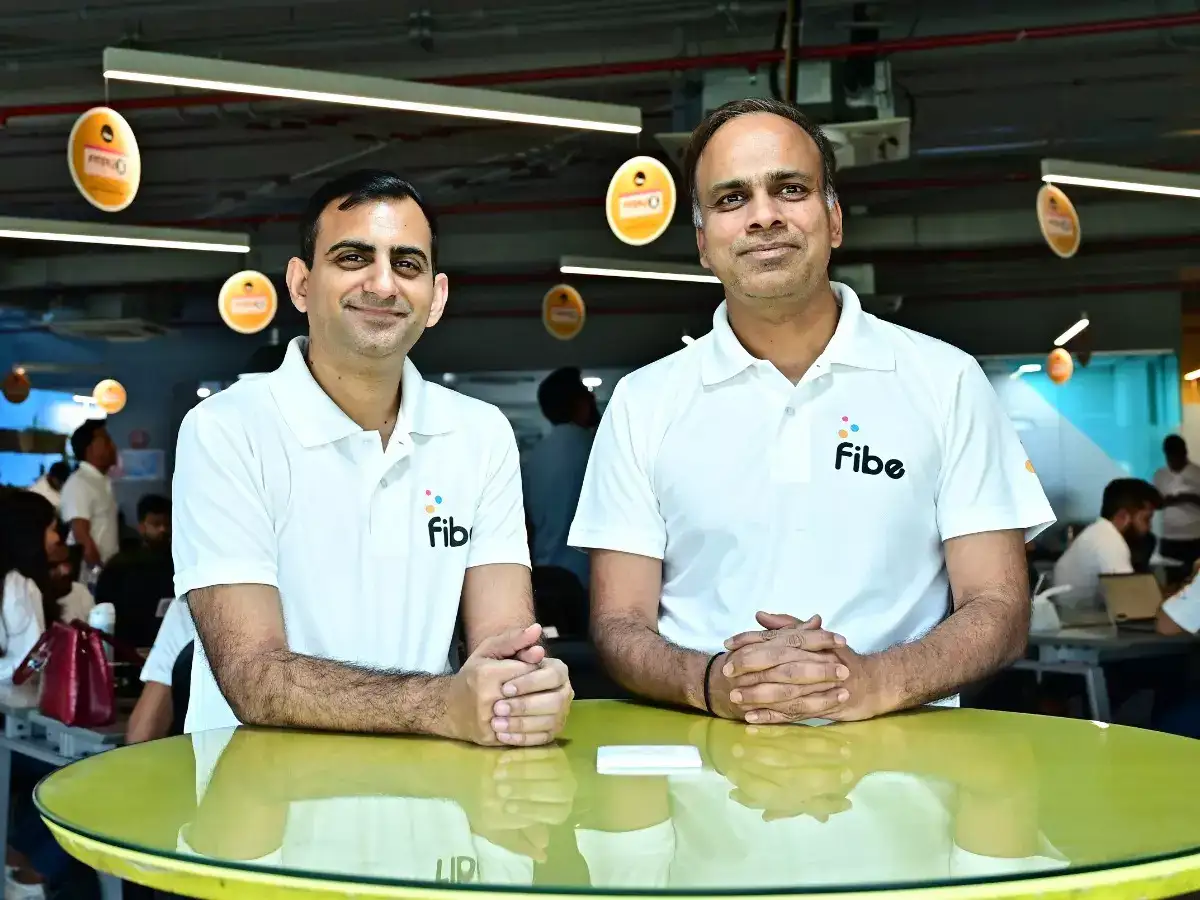 Akshay Mehrotra (left) and Ashish Goyal, founders, Fibe
Digital lending startup Fibe has joined the IPO surge, filing draft papers with the Securities and Exchange Board of India (Sebi).
Issue details:

About a dozen founders of real money gaming (RMG) companies have jointly petitioned the GST Council, asking it to protect them from personal liability in ongoing and future tax disputes.
Tell me more: The founders have also sought amnesty from the massive tax burden on RMG firms and casinos following a recent Supreme Court ruling.
Under the goods and services tax (GST) tax law, authorities can attach the properties, bank accounts, and personal assets of private limited companies if they cannot prove that any tax default does not arise from gross neglect, malfeasance, or breach of duty.

Expert speak: Technology and gaming lawyer Jay Sayta, who also represented several gaming companies, argued that this is a fit case for the Council to use its discretionary powers under Section 11A of the Central GST Act. He noted that the issues are “purely interpretational” and that the industry relied on judicial precedents available at the time.
In addition to Section 11A, the GST Council can recommend relief on other legal grounds, potentially softening the blow of retrospective demands.
Catch up quick: The Supreme Court recently upheld the government’s decision to retrospectively levy 28% GST on online gaming companies and backed tax demands on past transactions – a move that could have major financial consequences for the sector.
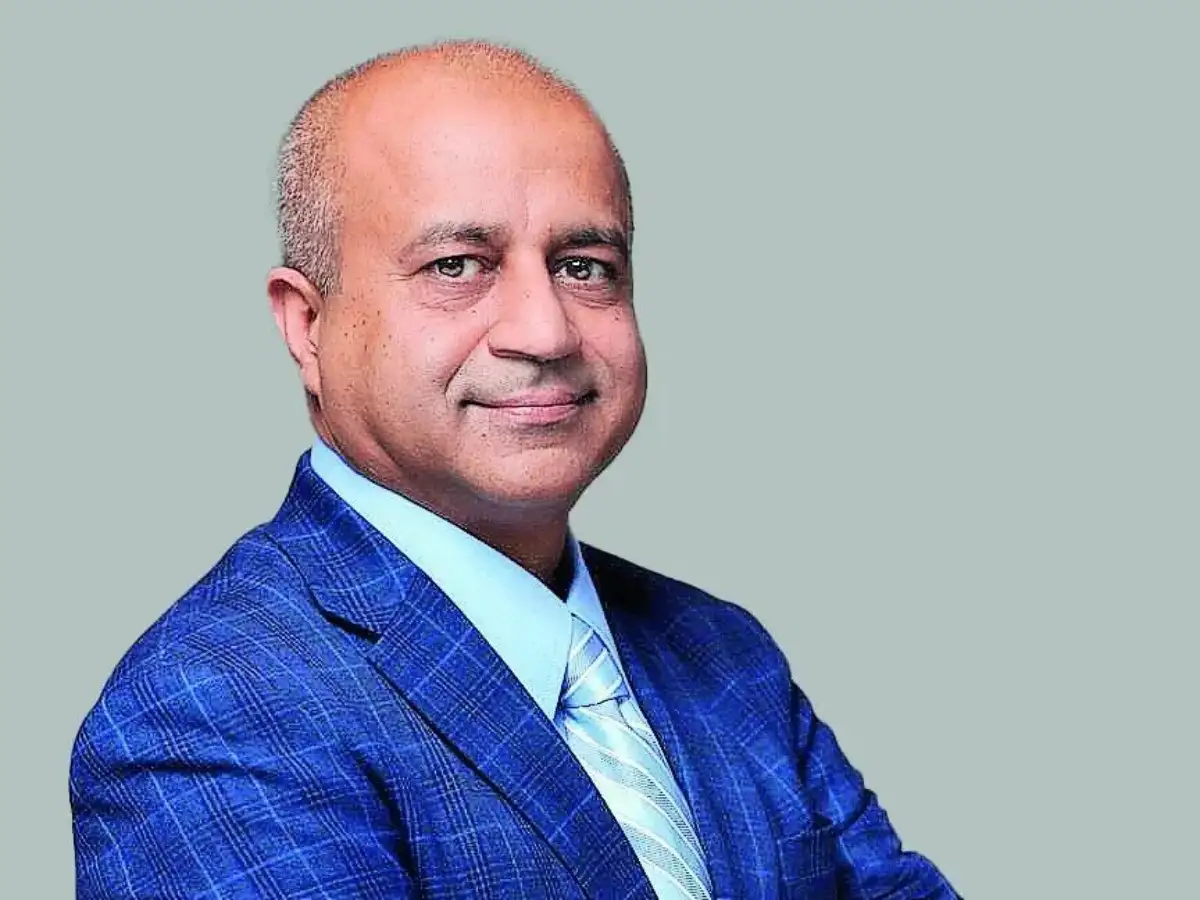
Persistent Systems’ stock crashed to a 52-week low on Monday, erasing about Rs 8,353 crore in market value in a single session after the company announced a $1.3-billion acquisition of German digital engineering firm Nagarro. CEO Sandeep Kalra is standing firm.
Defending the deal: Kalra described the acquisition as a scale play designed to accelerate growth and create value for shareholders.
"We are a growth company; we have good capabilities, but we lack a few things. We have always said in the last 4 years, if we were to do an acquisition, we want to be taking a scale acquisition in Europe, because we want 15% plus (in the region)," he told us in a virtual interaction.
He said the combined entity will give the group more balanced access to customers across key markets.
Yes, and: On an investor call on Sunday, the company said the deal will lift Persistent's Europe revenue share to 22% from 9% while deepening its presence in North America and Europe.
Nagarro's perspective: In a separate interaction, Nagarro CEO Manas Human said the acquisition will unlock economies of scale. "The biggest value comes from synergies,” he said.

Indian startups and AI infrastructure companies are feeling the heat from rising GPU prices and tighter chip supply, which have driven up compute costs and stretched delivery timelines for new hardware.
Supply and price pressure: A combination of memory-chip shortages and surging AI data-centre demand has pushed up GPU and overall compute costs by about 20–50%, experts told us.
Lead times for the latest GPUs – including Nvidia’s Blackwell series and comparable models – have stretched to six to eight months, with many configurations already sold out. Geopolitical tensions and ongoing supply-chain disruptions are adding to bottlenecks.
For instance:

The National Payments Corporation of India (NPCI) has launched a pilot project that uses artificial intelligence to track, in real time, fraudulently obtained funds as they move through the banking system, officials told us.
AI in focus: According to people familiar with the project, nearly a dozen banks have been shortlisted for the pilot.
If the pilot works as intended, the system could give Indian banks and payment players a powerful tool to stop digital fraud before money disappears into a maze of mule accounts.
Also in the letter:
■ Persistent CEO on stock rout
■ GPU crunch hits India’s AI
■ NPCI deploys AI to hunt fraud
Oyo IPO: How real is Oyo parent Prism’s Rs 748 crore net profit
Hospitality chain Oyo’s parent, Prism, has reported a profit of Rs 748 crore for the nine months ended Dec 31, 2025, according to the updated draft red herring prospectus-I (UDRHP-I) filed with Sebi for a Rs 6,650 crore initial public offering (IPO).
Driving the profit: The figure is sharply higher than the Rs 245 crore reported in FY25 and the Rs 230 crore reported in FY24. This big swing, from a Rs 1,287 crore loss in FY23, stems largely from a deferred-tax credit rather than a sudden surge in underlying earnings.
Jargon buster: A deferred-tax credit is an accounting entry that reflects the expected use of accumulated losses or other tax assets to offset future taxable income. It boosts reported profit on paper but does not generate cash during the period.
By the numbers: For the nine months ended December 31, 2025, Prism booked a deferred-tax credit of Rs 559 crore. Its profit before tax for the same period stood at Rs 245 crore.
Issue details:
- The entire offer is a fresh issue of shares, so all proceeds will go to the company.
- Prism plans to use Rs 4,987 crore from the IPO proceeds to repay or prepay borrowings.
- The IPO, which is Oyo's third attempt at going public, is a key part of its $830-million term loan agreement. As per the loan conditions, Oyo is required to use any cash proceeds from a fundraise, including an IPO, towards repayment of the debt.
Digital lender Fibe files draft papers seeking to raise Rs 750 crore in fresh capital
Digital lending startup Fibe has joined the IPO surge, filing draft papers with the Securities and Exchange Board of India (Sebi).
Issue details:
- Fibe aims to raise Rs 750 crore in fresh capital.
- Existing shareholders will sell around 40 million shares via an offer for sale.
- Major investors, including TPG, Norwest, Chiratae, Piramal Finance and Eight Roads, are among those trimming their stakes.
Gaming founders approach GST Council for personal liability relief
About a dozen founders of real money gaming (RMG) companies have jointly petitioned the GST Council, asking it to protect them from personal liability in ongoing and future tax disputes.
Tell me more: The founders have also sought amnesty from the massive tax burden on RMG firms and casinos following a recent Supreme Court ruling.
Under the goods and services tax (GST) tax law, authorities can attach the properties, bank accounts, and personal assets of private limited companies if they cannot prove that any tax default does not arise from gross neglect, malfeasance, or breach of duty.
Expert speak: Technology and gaming lawyer Jay Sayta, who also represented several gaming companies, argued that this is a fit case for the Council to use its discretionary powers under Section 11A of the Central GST Act. He noted that the issues are “purely interpretational” and that the industry relied on judicial precedents available at the time.
In addition to Section 11A, the GST Council can recommend relief on other legal grounds, potentially softening the blow of retrospective demands.
Catch up quick: The Supreme Court recently upheld the government’s decision to retrospectively levy 28% GST on online gaming companies and backed tax demands on past transactions – a move that could have major financial consequences for the sector.
Persistent CEO brushes off market rout, says Nagarro growth will reward investors
Persistent Systems’ stock crashed to a 52-week low on Monday, erasing about Rs 8,353 crore in market value in a single session after the company announced a $1.3-billion acquisition of German digital engineering firm Nagarro. CEO Sandeep Kalra is standing firm.
Defending the deal: Kalra described the acquisition as a scale play designed to accelerate growth and create value for shareholders.
"We are a growth company; we have good capabilities, but we lack a few things. We have always said in the last 4 years, if we were to do an acquisition, we want to be taking a scale acquisition in Europe, because we want 15% plus (in the region)," he told us in a virtual interaction.
He said the combined entity will give the group more balanced access to customers across key markets.
Yes, and: On an investor call on Sunday, the company said the deal will lift Persistent's Europe revenue share to 22% from 9% while deepening its presence in North America and Europe.
Nagarro's perspective: In a separate interaction, Nagarro CEO Manas Human said the acquisition will unlock economies of scale. "The biggest value comes from synergies,” he said.
No chips, no glory for India's AI companies racing to lock in GPUs
Indian startups and AI infrastructure companies are feeling the heat from rising GPU prices and tighter chip supply, which have driven up compute costs and stretched delivery timelines for new hardware.
Supply and price pressure: A combination of memory-chip shortages and surging AI data-centre demand has pushed up GPU and overall compute costs by about 20–50%, experts told us.
Lead times for the latest GPUs – including Nvidia’s Blackwell series and comparable models – have stretched to six to eight months, with many configurations already sold out. Geopolitical tensions and ongoing supply-chain disruptions are adding to bottlenecks.
For instance:
- Ramprakash Ramamoorthy, director of AI research at Zoho, which runs its own data centre, said compute costs have climbed sharply. “Forget AI and GPUs. Just to run our data centre and a normal email processing server, the cost was 50% lower four months ago.”
- Narendra Sen, founder of NeevCloud, a GPU cloud service provider, said that over the past year, companies have moved from pilots to full-scale production deployments and are putting AI to work in live environments, further stoking demand for scarce hardware.
NPCI turns to AI to stop frauds from siphoning off money
The National Payments Corporation of India (NPCI) has launched a pilot project that uses artificial intelligence to track, in real time, fraudulently obtained funds as they move through the banking system, officials told us.
AI in focus: According to people familiar with the project, nearly a dozen banks have been shortlisted for the pilot.
- Each bank will run an NPCI-developed AI model locally on its transaction data.
- The model will generate a risk score for individual transactions, which will then be shared with NPCI.
If the pilot works as intended, the system could give Indian banks and payment players a powerful tool to stop digital fraud before money disappears into a maze of mule accounts.
Want this newsletter delivered to your inbox?
I agree to receive newsletters and marketing communications via e-mail